

Semarang — Perguruan tinggi memiliki peran strategis dalam membentuk pemilih yang berkualitas melalui pendidikan politik, penguatan literasi demokrasi, serta peningkatan kesadaran mahasiswa terhadap pentingnya partisipasi dalam kehidupan politik. Hal tersebut disampaikan Prof. Dr. Ngabiyanto, M.Si., dosen Ilmu Politik sekaligus Wakil Rektor Bidang Riset, Inovasi, dan Sistem Informasi (Wakil Rektor III) Universitas Negeri Semarang (UNNES) dalam podcast Votecast KPU Jawa Tengah.
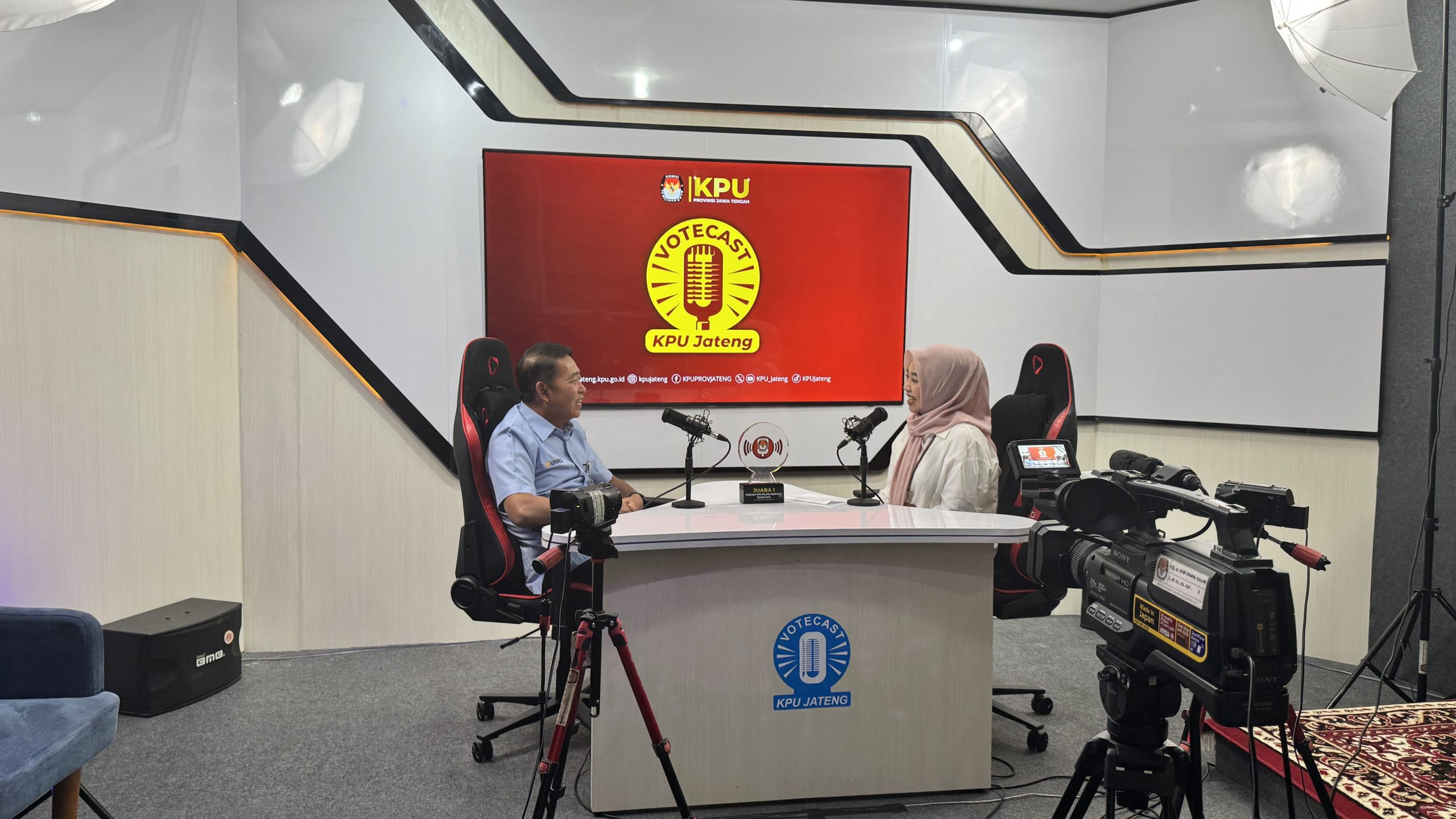
Podcast yang mengangkat topik “Peran Perguruan Tinggi dalam Mencetak Pemilih yang Berkualitas” tersebut berlangsung pada Kamis, 20 Agustus 2026, di Ruang Podcast KPU Jawa Tengah. Dalam kegiatan tersebut, Prof. Dr. Ngabiyanto, M.Si., hadir sebagai narasumber dan berdiskusi mengenai kontribusi perguruan tinggi dalam membangun kualitas pemilih, khususnya di kalangan generasi muda. Diskusi dipandu oleh Host Nunung.
Dalam penyampaiannya, Prof. Dr. Ngabiyanto menekankan bahwa perguruan tinggi tidak hanya berfungsi sebagai institusi pendidikan yang menghasilkan lulusan secara akademik, tetapi juga memiliki tanggung jawab dalam membentuk warga negara yang memiliki kesadaran politik dan mampu menjalankan hak serta kewajibannya sebagai pemilih.
Menurutnya, mahasiswa merupakan kelompok strategis dalam pembangunan demokrasi karena berada pada fase pembentukan pemikiran kritis dan memiliki kemampuan untuk mengakses serta mengolah berbagai informasi. Oleh karena itu, pendidikan politik di lingkungan perguruan tinggi perlu diarahkan tidak hanya pada pemahaman mengenai proses pemilu, tetapi juga pada kemampuan mahasiswa dalam menilai informasi, memahami isu publik, serta menentukan pilihan politik secara rasional dan bertanggung jawab.
Prof. Dr. Ngabiyanto juga menyoroti pentingnya literasi digital dalam membentuk pemilih yang berkualitas. Perkembangan media sosial telah memberikan kemudahan bagi masyarakat, khususnya generasi muda, untuk memperoleh informasi politik. Namun, derasnya arus informasi juga menghadirkan tantangan berupa penyebaran disinformasi, misinformasi, propaganda, dan berbagai konten politik yang belum tentu dapat dipertanggungjawabkan kebenarannya.
Dalam konteks tersebut, perguruan tinggi memiliki posisi penting untuk membekali mahasiswa dengan kemampuan berpikir kritis sehingga mereka tidak mudah terpengaruh oleh informasi politik yang beredar. Mahasiswa diharapkan mampu melakukan verifikasi informasi, memahami berbagai perspektif, serta menggunakan sumber informasi yang kredibel sebelum menentukan sikap politik.
Lebih lanjut, pendidikan politik di perguruan tinggi juga perlu mendorong mahasiswa untuk memahami bahwa kualitas demokrasi tidak hanya ditentukan oleh tingginya angka partisipasi pemilih, tetapi juga oleh kualitas partisipasi tersebut. Pemilih yang berkualitas adalah pemilih yang memahami hak dan kewajibannya, memiliki pengetahuan mengenai calon dan isu yang dipilih, serta mampu menentukan pilihan berdasarkan pertimbangan yang rasional dan bertanggung jawab.
Melalui keterlibatan perguruan tinggi, pendidikan politik dapat dikembangkan melalui berbagai kegiatan akademik maupun nonakademik, seperti pembelajaran ilmu politik, diskusi publik, seminar, penelitian, pengabdian kepada masyarakat, serta kolaborasi dengan penyelenggara pemilu. Sinergi tersebut diharapkan dapat memperkuat ekosistem demokrasi sekaligus meningkatkan kualitas partisipasi politik masyarakat.
Kehadiran Prof. Dr. Ngabiyanto dalam Votecast KPU Jawa Tengah menjadi bagian dari upaya memperluas ruang dialog antara perguruan tinggi dan penyelenggara pemilu. Forum tersebut menjadi sarana untuk berbagi perspektif sekaligus memperkuat komitmen bersama dalam menciptakan pemilih yang cerdas, kritis, berintegritas, dan bertanggung jawab.
Melalui peran tersebut, perguruan tinggi diharapkan dapat terus menjadi salah satu pilar penting dalam membangun budaya demokrasi yang sehat. Pendidikan politik yang berkelanjutan, didukung literasi digital dan kemampuan berpikir kritis, menjadi modal penting untuk mencetak generasi pemilih yang mampu berkontribusi terhadap penguatan demokrasi di Indonesia.