

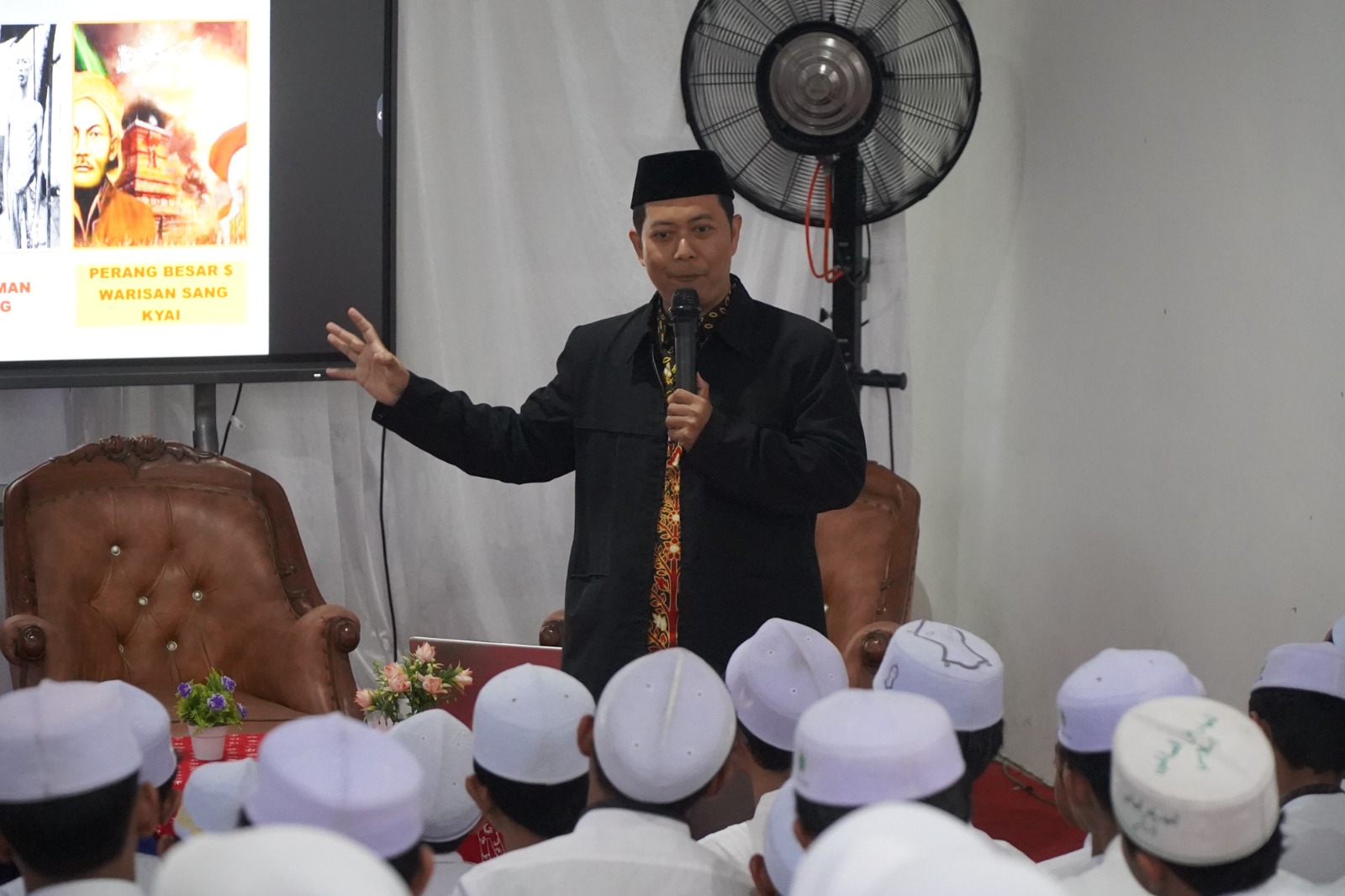
The Semarang City Government, in collaboration with the History Study Program, organized a film screening and discussion of Sang Kyai to instill values of hard work and nationalism among hundreds of Islamic boarding school students (santri). The event was part of the Ramadan 1447 H/2026 program series in Gunungpati District.
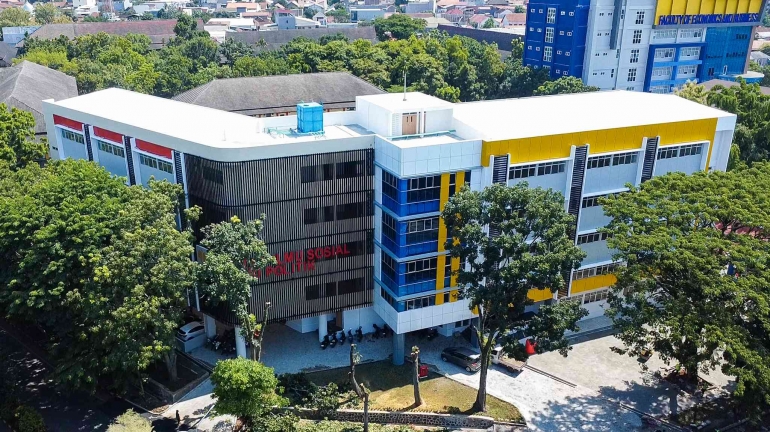
The activity took place on Wednesday, March 11, 2026, at 2:45 PM at Universitas Sains Teknologi Ekonomi Digital Indonesia (USTEDI), STIEMA Campus 2, located on Jalan Mr. Koesbiyono Tjondrowibowo, Gunungpati.
Sang Kyai tells the story of the struggle of KH Hasyim Asy’ari from Tebuireng Islamic Boarding School in defending Indonesia’s independence during the Japanese occupation (1942) and the arrival of Allied forces.
The Coordinator of the History Study Program, Mukhmad Shokheh, Ph.D, explained that the film portrays pesantren (Islamic boarding schools) as centers of civilization and strongholds of moral resilience amid the pressures of colonial rule.
“The film shows how the pesantren community rejected the practice of seikerei because it contradicted their religious beliefs. Principles matter—Kyai Hasyim Asy’ari was even willing to be imprisoned to uphold his faith,” he said.
According to him, struggle is not always carried out through violence. Diplomacy and strategy also play important roles in resisting oppression.
“War is not only fought with weapons, but also with intellect. The kyai’s strategy was remarkably intelligent. The Jihad Resolution proves that defending the nation is part of faith,” he added.
He also emphasized that young people have their own roles in safeguarding the nation.
“Not everyone has to take up arms. Studying diligently, maintaining unity, and understanding history are also forms of struggle,” he said.
Meanwhile, Gunungpati Subdistrict Head, Ali Ahmadi, stated that the film screening and discussion involving youth and santri was the first of its kind in the area.
“I strongly support this activity because it can enhance the literacy level of young people, especially in understanding the nation’s history,” he said.
He hopes similar programs can continue to be developed as engaging and relevant educational initiatives for the younger generation.
This initiative also aligns with the global commitment to United Nations Sustainable Development Goals, particularly SDG 4 Quality Education. By integrating historical films into learning activities, the program promotes inclusive and engaging educational approaches that strengthen critical thinking, cultural awareness, and national identity among young people. Such efforts highlight the importance of innovative learning methods in preparing future generations to be informed, responsible, and socially conscious citizens.