

A public history learning model developed by a lecturer from the History Department at Universitas Negeri Semarang (UNNES) has attracted international attention. The innovation, titled “History on the Screen,” presented by Bambang Rakhmanto, received appreciation from global historians, including Mark Philip Bradley of the University of Chicago.
Bradley expressed his admiration for the learning approach, which encourages students to produce short historical films as a way to communicate history to the public.
“I really appreciate and admire the short films produced by your students,” Bradley said.
Similar interest also came from Li Na, a representative of the National University of Singapore (NUS). She sees strong potential for developing the concept into regional collaboration among universities in Asia.
“We can further discuss how to develop this public history learning concept. We could collaborate to make it happen,” Li Na said.
According to Bambang Rakhmanto, recognition from international institutions such as NUS provides encouragement for the future development of history graduates.
He emphasized that the limited job market for history graduates requires students to develop additional competencies, including historical research, scriptwriting, and historical consultancy for media production.
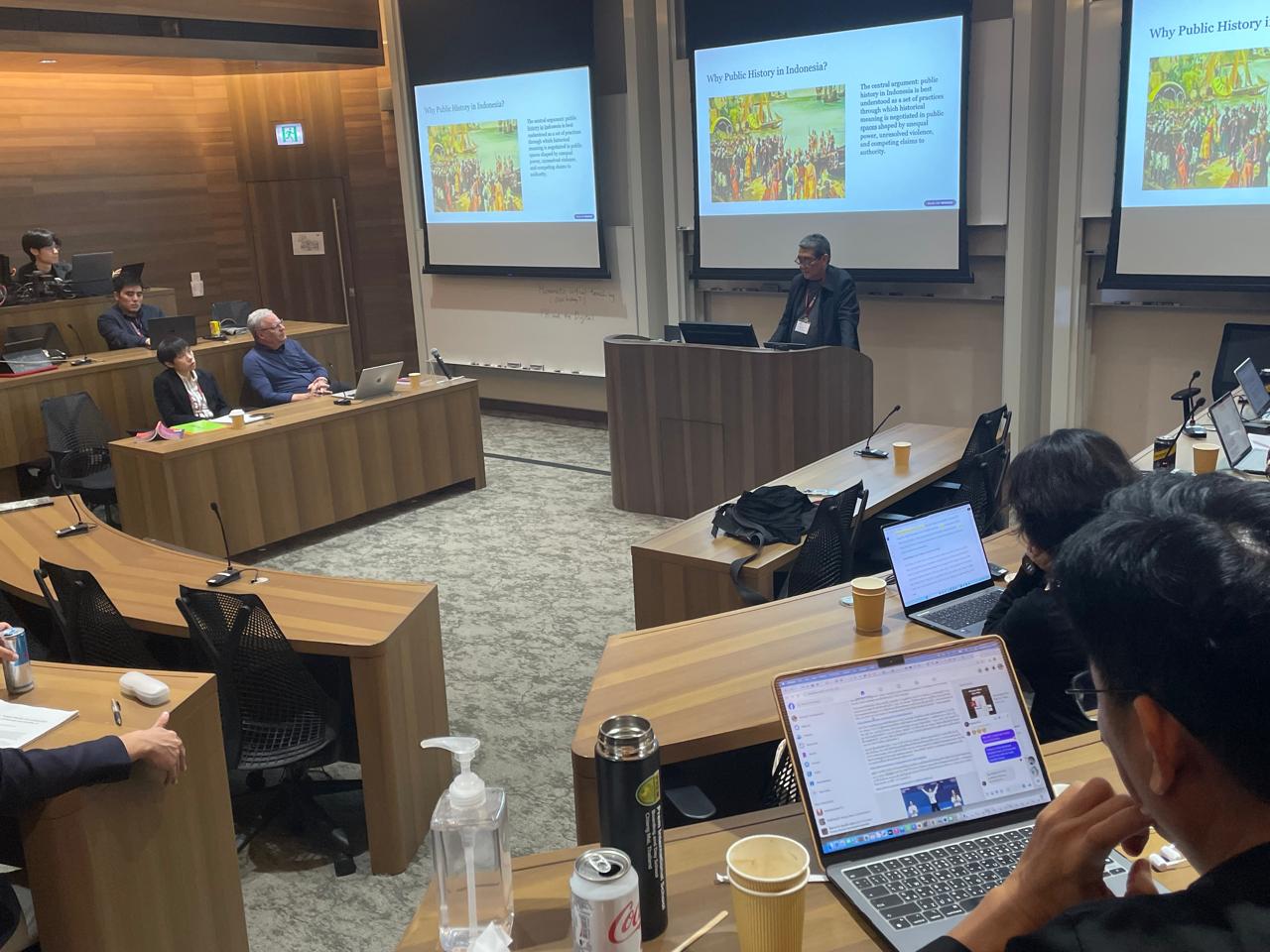
“Through History on the Screen, students collaborate to produce short historical films,” he explained in front of public history scholars and practitioners from various countries.
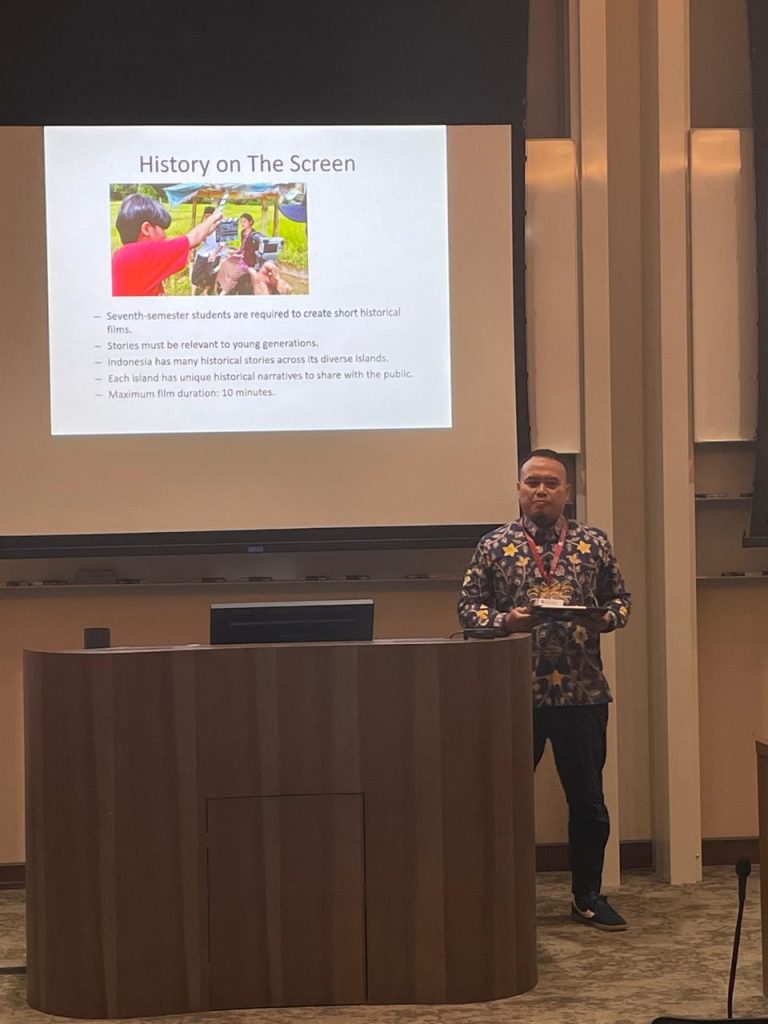
During the filmmaking process, students are trained in practical skills such as video editing, makeup design, and directing. Over the past two years, students from the UNNES History Program have produced three historical short films.
The initiative was presented at the international conference “What Does It Mean to Do Public History in Asia?” held at the University of Chicago Francis and Rose Yuen Campus in Hong Kong on February 24–25, 2026.
This learning initiative also supports the global Sustainable Development Goals (SDGs), particularly SDG 4: Quality Education, by promoting innovative and inclusive learning methods that combine historical knowledge with media literacy, creativity, and public communication skills.