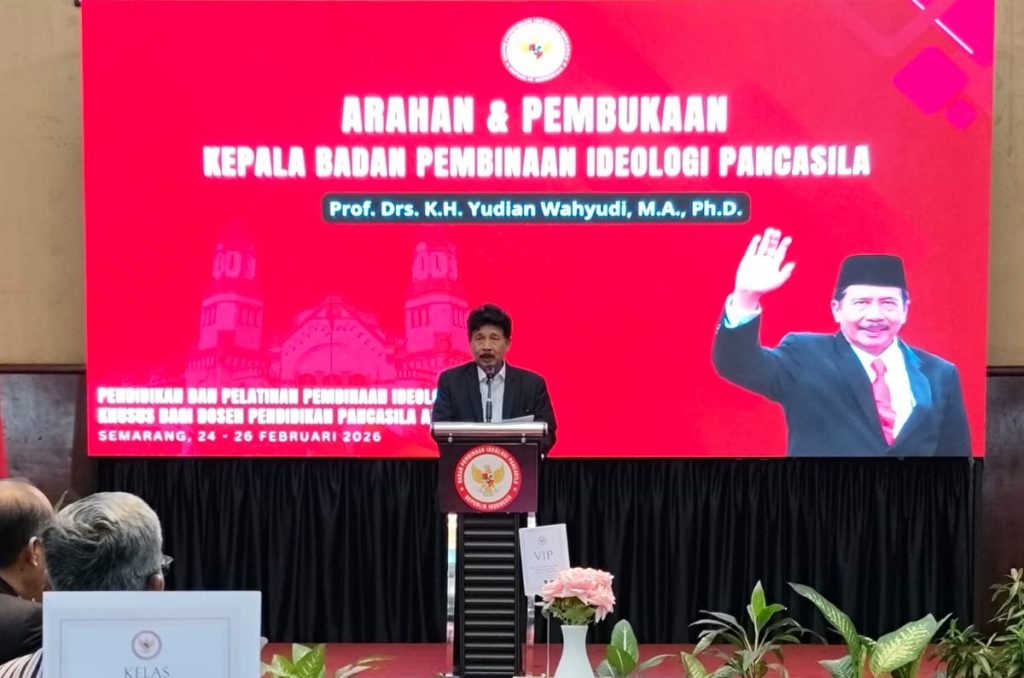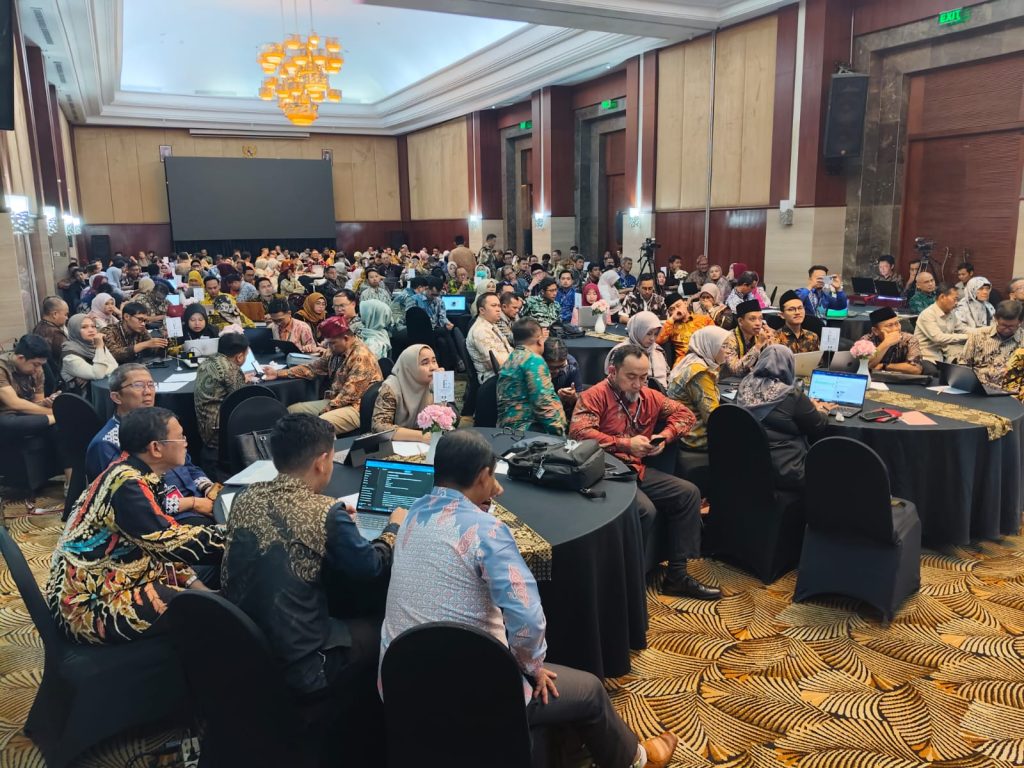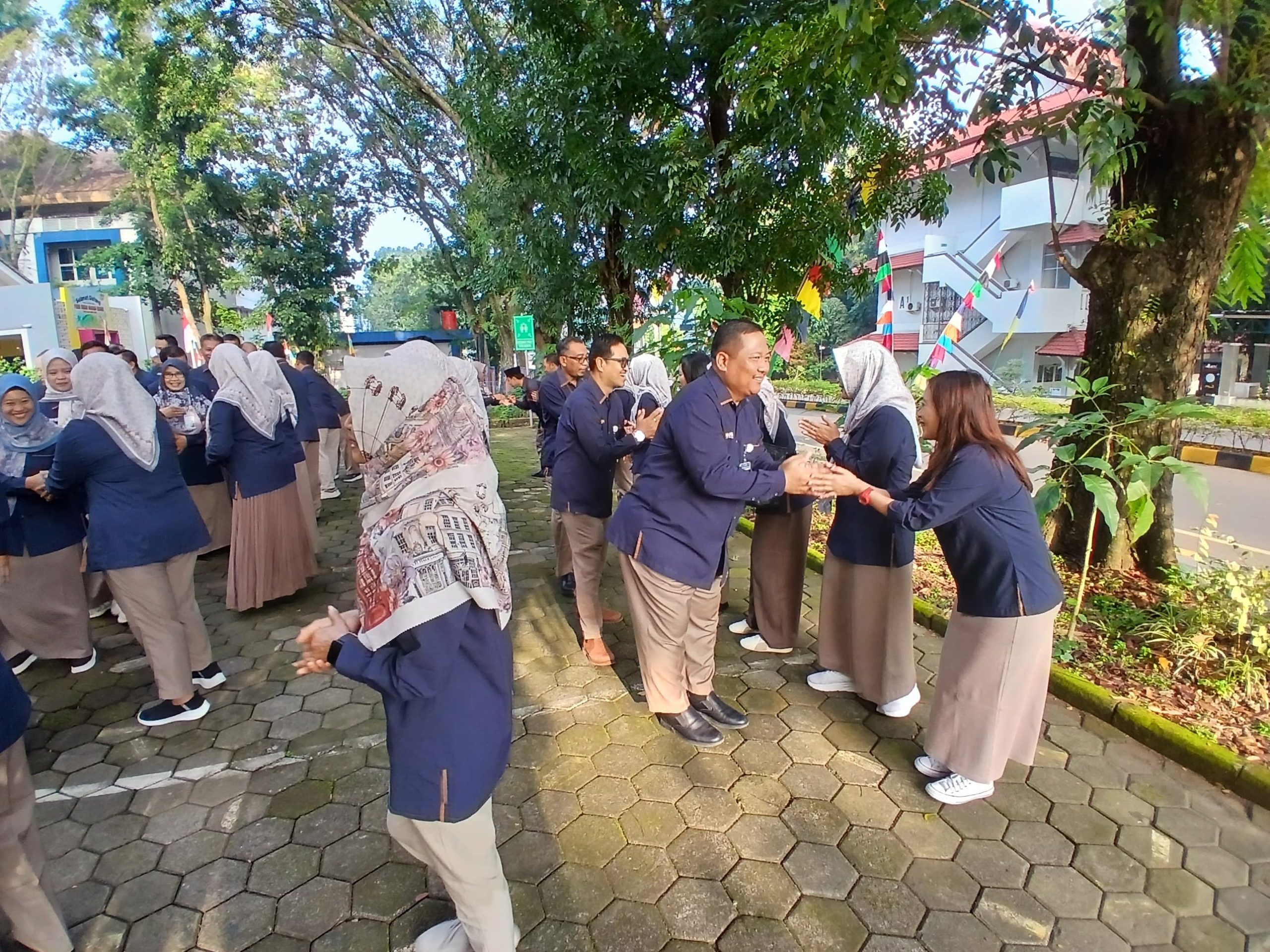


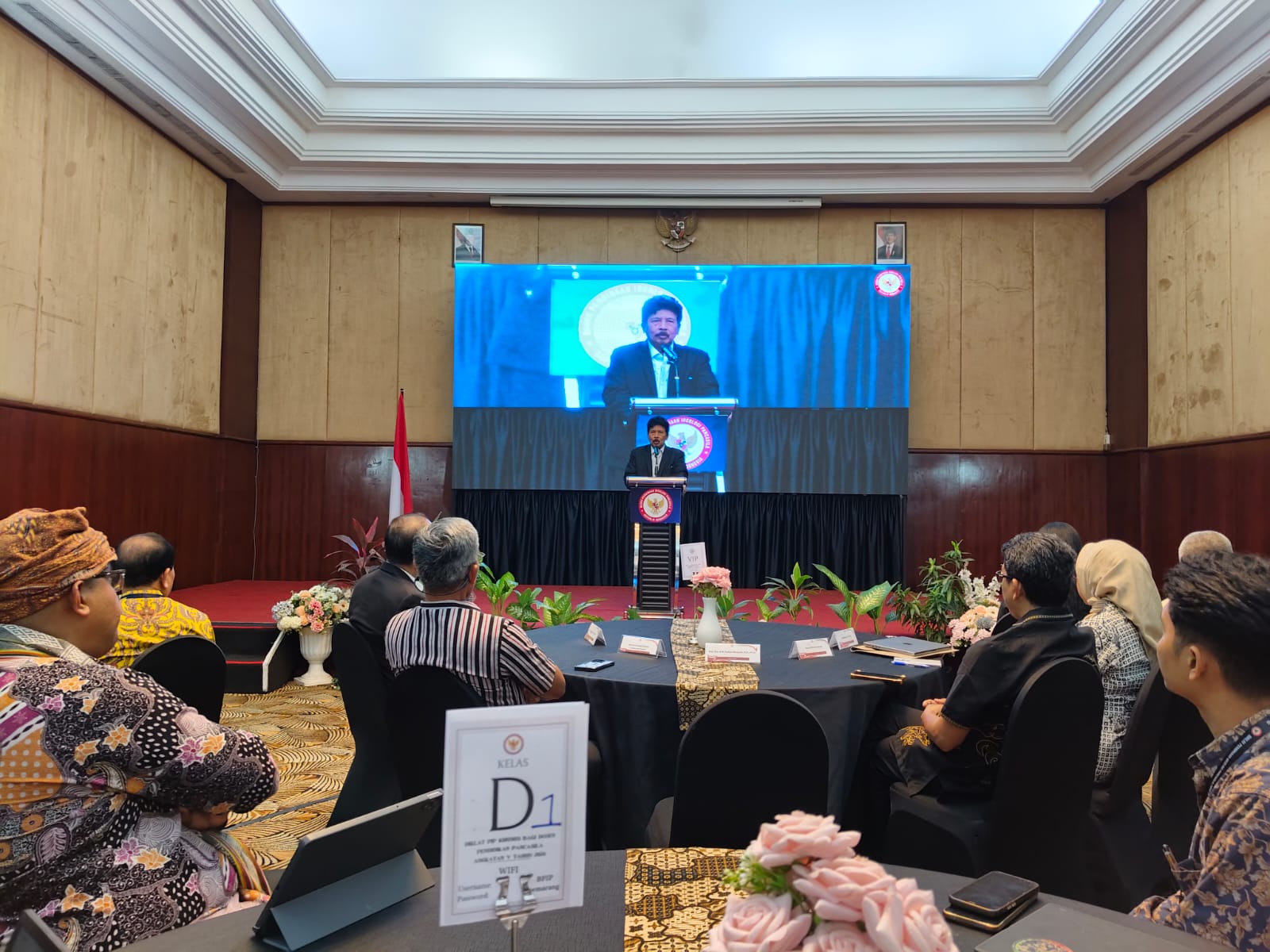
In an effort to ensure inclusive, equitable, and quality education for all, while expanding opportunities for lifelong learning, the Sustainable Development Goals (SDGs) Goal 4: Quality Education continues to be a key focus. In line with this commitment, the Pancasila Ideology Development Agency (BPIP) of the Republic of Indonesia organized the “Education and Training Program on Pancasila Ideology Development (PIP) for Pancasila Education Lecturers – Batch V, 2026.” The program was held in Semarang from February 24 to 26, 2026, and was attended by five lecturers from Universitas Negeri Semarang (UNNES) along with 200 lecturers from across Indonesia.
The Head of BPIP, Prof. Yudian Wahyudi, emphasized that strengthening lecturers’ capabilities is a strategic step in implementing the “Asta Cita” vision of the President and Vice President of the Republic of Indonesia, particularly in reinforcing the ideology of Pancasila.
The Acting Deputy for Education and Training at BPIP, Dr. Adhianti, S.I.P., M.Si., reported that the Batch V training program is part of an integrated initiative that has reached a total of 1,000 lecturers from approximately 437 universities across various regions of Indonesia. The implementation of this program is also legally grounded in Law No. 12 of 2012 on Higher Education and Government Regulation No. 4 of 2022, which explicitly designate Pancasila as a compulsory subject in the higher education curriculum.
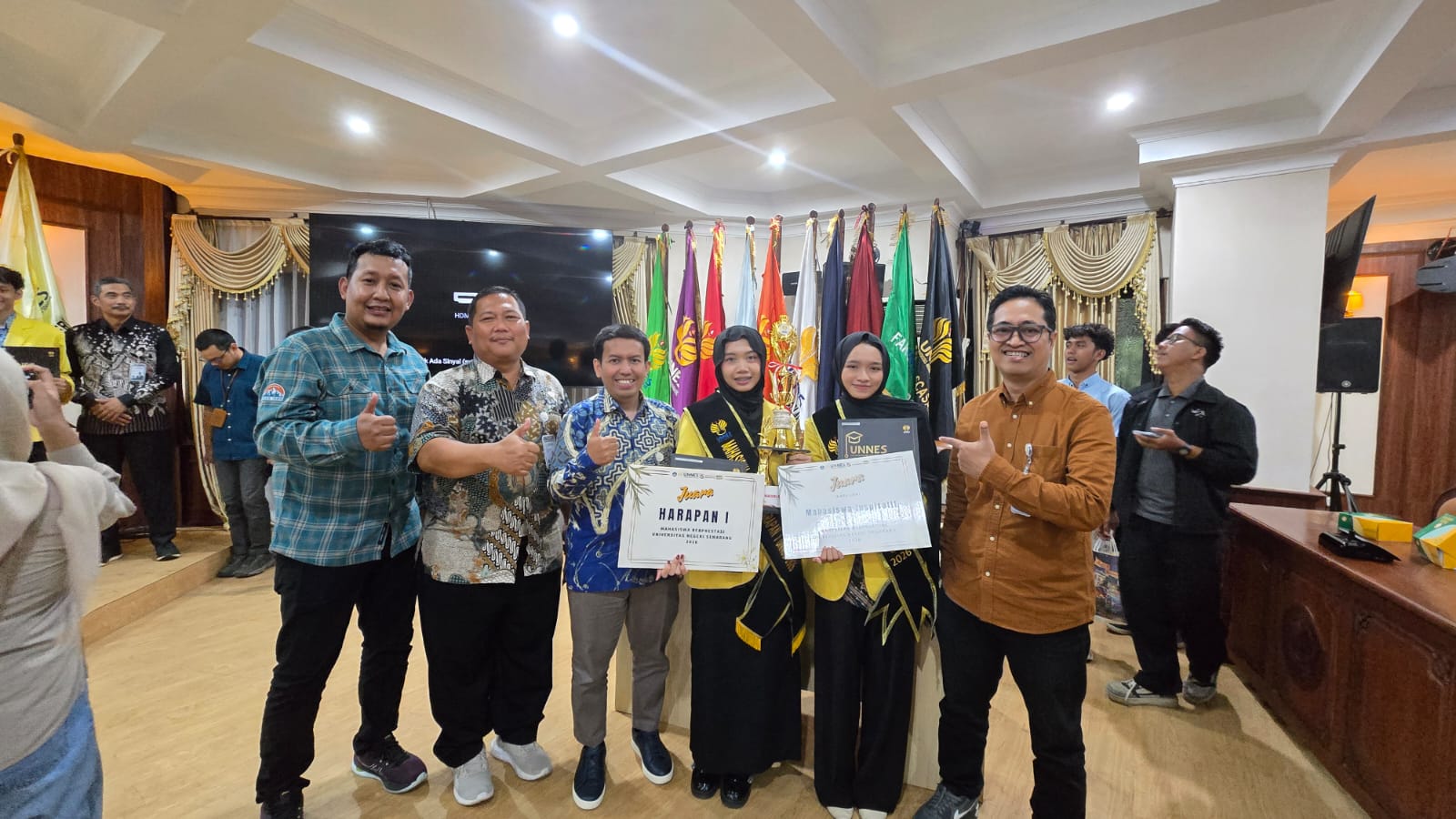
One of the participants from UNNES, Rudi Salam, stated that participating in the PIP training program helps construct Pancasila-based character by strengthening three key aspects: knowledge, disposition, and action, through the teaching and learning process of Pancasila Education as well as through efforts to conserve and uphold the values of Pancasila. In addition to Rudi Salam, other participants from UNNES included Dr. Novia Wardhani, Dr. Eka Andaryani, Ruhadi, and Eni Rahmawati.
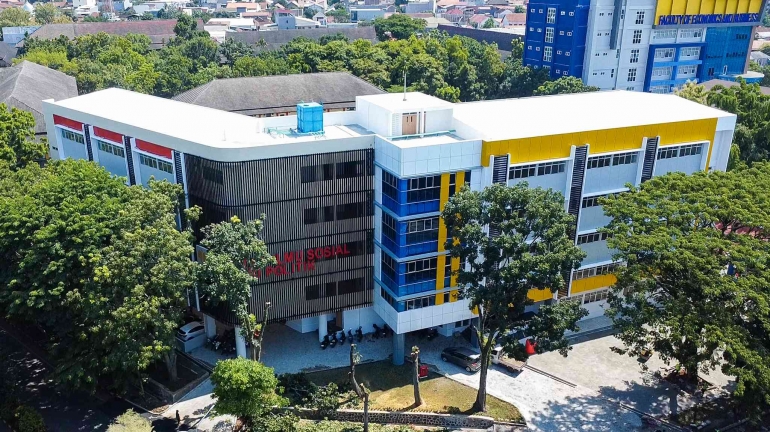
On another occasion, the Dean of the Faculty of Social and Political Sciences (FISIP) UNNES, Prof. Arif Purnomo, expressed his views after receiving the report from the lecturers who had completed the training. He stated that strengthening the national ideology is no longer merely an academic discourse, but a key factor in the success of Indonesia’s transformation toward the vision of Golden Indonesia 2045.