

On the slopes of the Kendeng Mountains, education unfolds without blackboards or uniforms. Children sit on woven mats inside a modest house, listening to stories about the earth reverently called “Mother Earth.” For the Sedulur Sikep community, nature is not merely a resource. It is the source of life that must be respected, protected, and kept in balance.
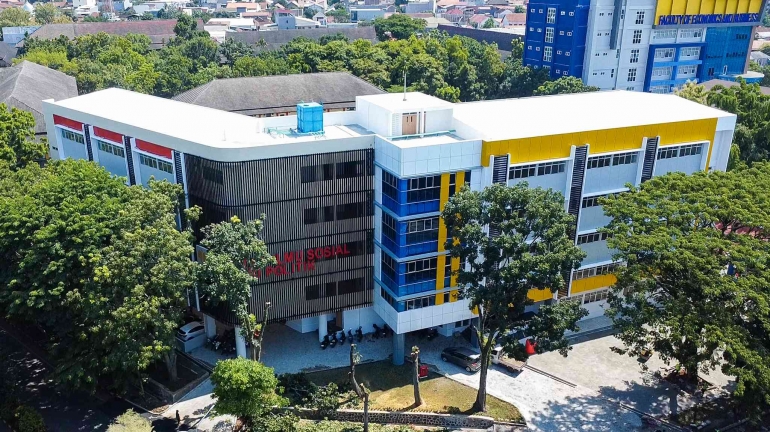
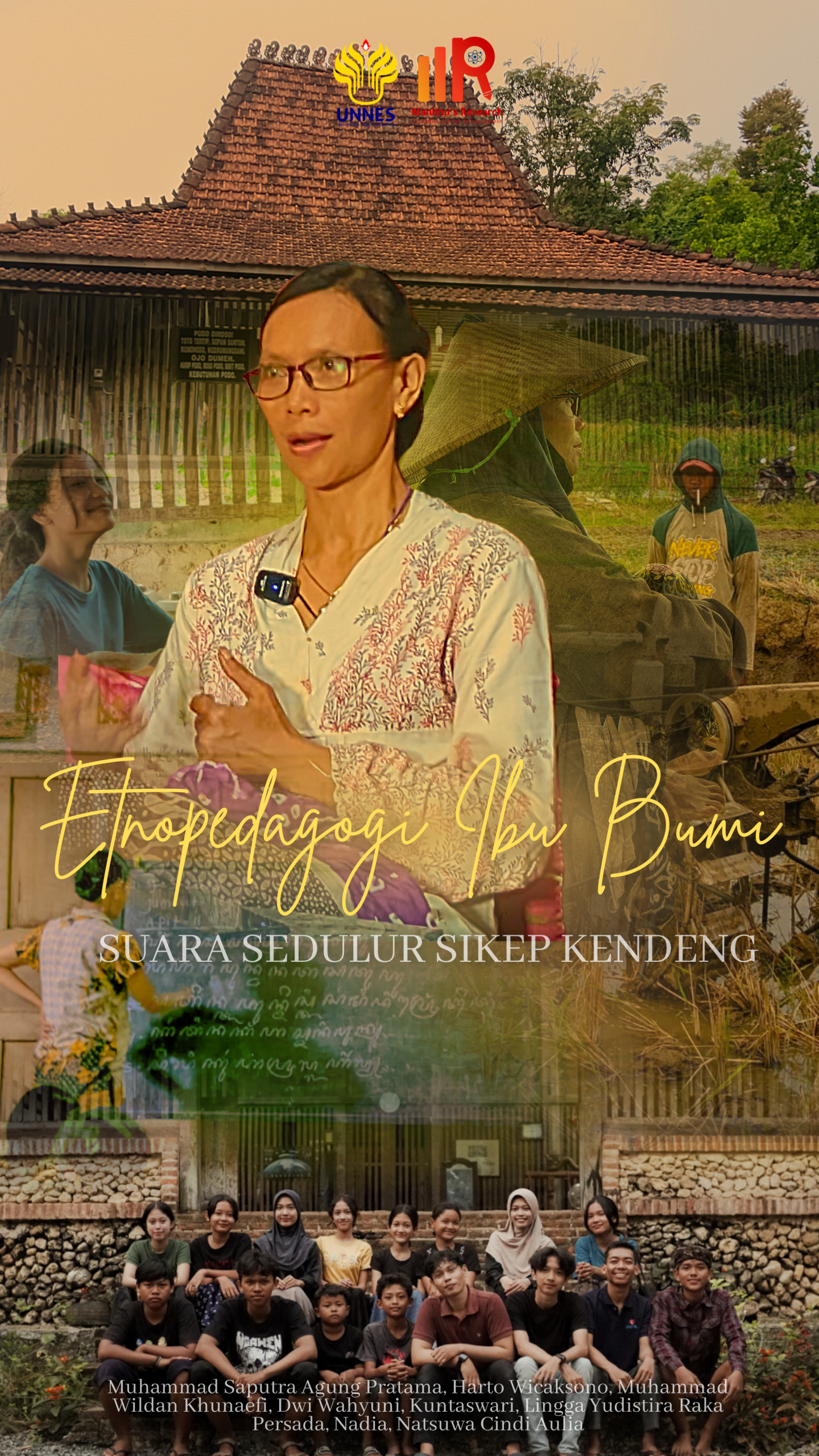
This spirit is captured in the documentary Etnopedagogi Ibu Bumi: Suara Sedulur Sikep Kendeng (Etnopedagogy of Mother Earth: The Voice of Sedulur Sikep Kendeng), produced by three students from the Sociology and Anthropology Program at the Faculty of Social and Political Sciences (FISIP). Running for 10 minutes and 24 seconds, the film explores how local wisdom shapes environmental awareness through everyday learning practices.
At the heart of the film is Gunarti, a prominent figure in the Kendeng women’s movement and a direct descendant of Samin Surosentiko, the founder of the Samin movement. In her home and at Omah Kendeng, she teaches children about environmental ethics, manners, and the importance of living in harmony with nature.
For the Sedulur Sikep, education is not confined to formal classrooms. It grows from lived experience—through farming, daily conversations, and collective reflection. The teachings of Samin, centered on honesty, simplicity, and nonviolent resistance, are passed down through example rather than textbooks.
The film highlights how resistance, in this context, is not an act of aggression but a moral stance: speaking up to defend the earth and reclaiming rights threatened by environmental exploitation.
The production process began with field research and filming from May 8 to 11. Limited time and unpredictable weather posed challenges, preventing several planned scenes from being fully documented. Some moments had to be reconstructed through narration rather than visuals.
Back on campus, the editing process took more than a month. Interviews, landscape shots of Kendeng, and footage of children’s learning sessions were carefully woven together to preserve the film’s central message on ethnopedagogy and ecological awareness.
Nadia, one of the filmmakers, said the theme was chosen for its relevance to today’s environmental crisis. “The Sedulur Sikep’s way of life, which emphasizes harmony with nature, offers contextual learning for sustainable environmental education,” she explained.
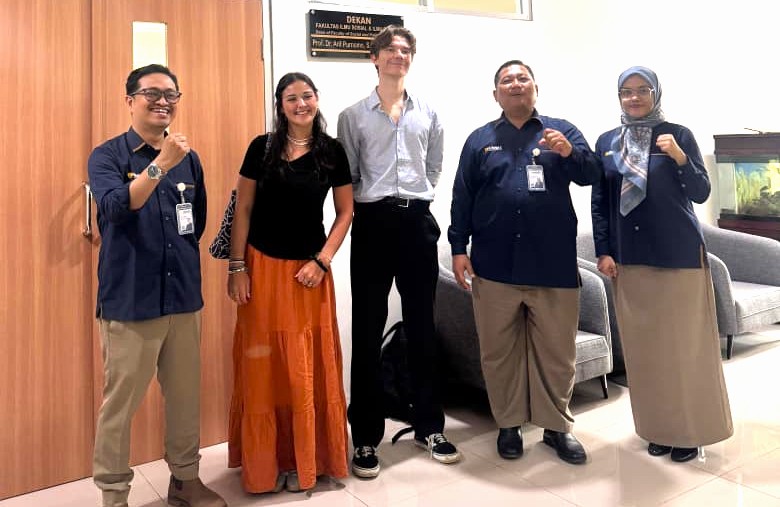
The documentary later won first place at the Karni Ilyas Award on February 14, 2026. Dean of FISIP, Prof. Arif Purnomo, described the achievement as a proud moment for the faculty. “This is proof that our students are talented and possess strong academic and social competence,” he said.
Beyond the award, the film stands as a reminder that meaningful education can emerge from local rootswhere the relationship between humans and the earth is not theoretical, but lived every day.