

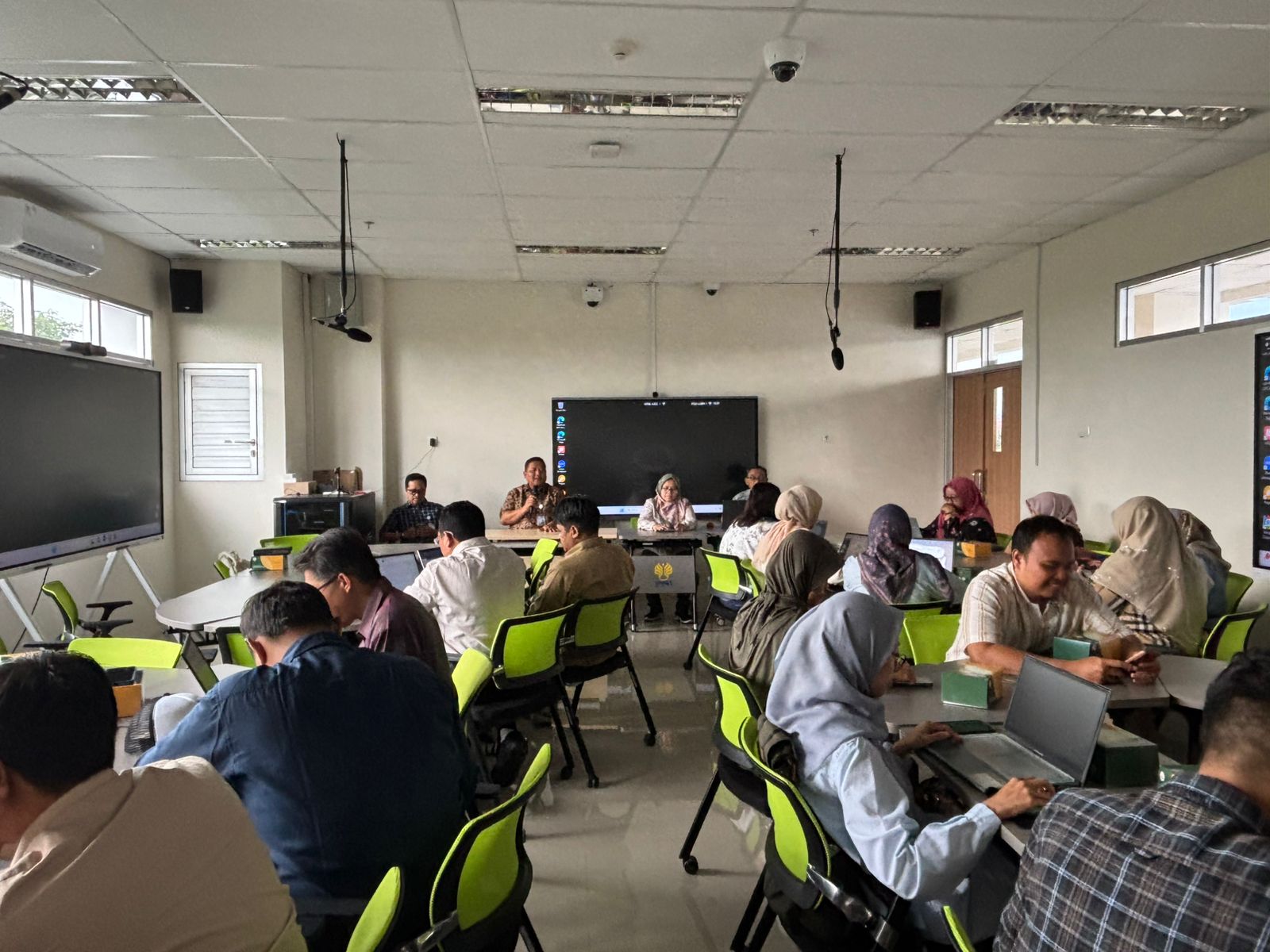
The Dean of FISIP UNNES, Prof. Arif Purnomo, delivered a briefing to all working groups within the faculty. During the session, he urged each group to design and implement work programs throughout 2026 that directly support the faculty’s strategic goals.
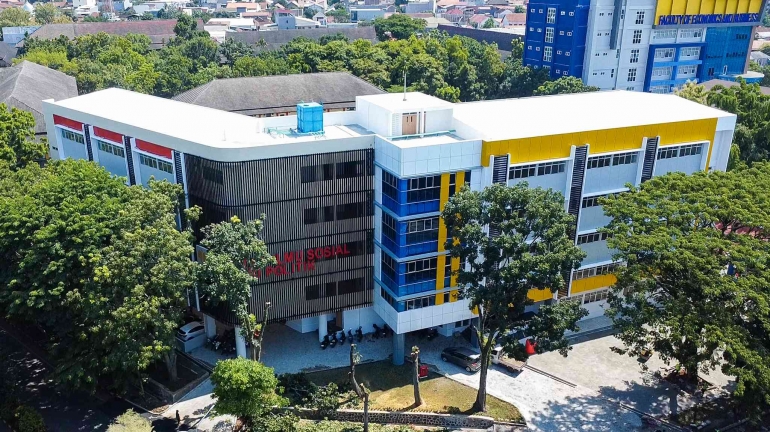
Several major targets set for 2026 require active support from all working groups, including improving the faculty’s international ranking, encouraging lecturers to publish in Scopus-indexed journals, and preparing for AQAS accreditation. “All working groups must move together so these targets can be achieved,” Prof. Arif said during the briefing at the 5th floor of Building C8, FISIP UNNES, Sekaran, Semarang, on Tuesday (February 3, 2026).
For the SDGs and Conservation Working Group, Prof. Arif emphasized strengthening greening programs across the FISIP environment. The group is also encouraged to improve FISIP UNNES’s standing in the UI GreenMetric ranking and to expand news coverage and programs aligned with the achievement of the Sustainable Development Goals (SDGs).
Meanwhile, the Student Achievement and Impact-Based Internship Working Group has prepared a number of initiatives. Its chair, Kuncoro Bayu Prasetyo, said that each member of the group is responsible for assisting two study programs. One of the flagship programs is the Impact-Based Internship briefing for sixth-semester students. “The registration process begins on February 9. We propose an official internship deployment by the faculty, inviting partner institutions to ensure a shared understanding,” he explained.
In the area of research and publications, the relevant working group is encouraging lecturers to be more selective in choosing journals. A journal team will identify suitable outlets, including second- and third-quartile journals as well as top-tier journals. The target is for 18 FISIP lecturers to publish in top-tier journals. To support this effort, funding for Article Processing Charges (APC) for Q1 journals has been allocated at up to IDR 50 million.
The Impact-Based Internship program is also emphasized as mandatory for all sixth-semester students. The faculty has opened special class groups to ensure all students can participate, considering the financial constraints faced by some students. Student internship achievements will later be assessed up to the provincial level.
In other initiatives, FISIP UNNES is strengthening income-generating administration in both academic and non-academic sectors through data collection and structured program development. The Research, Community Service, and Publication Working Group will conduct socialization of research and service schemes, proposal selection, monitoring and evaluation, and mentoring of outputs to ensure effectiveness.
Meanwhile, the Quality Assurance Working Group focuses on assisting study programs with accreditation processes, curriculum review and development, as well as monitoring teaching activities and validating lecturer performance. These combined efforts are expected to strengthen FISIP UNNES’s position in national and international competition throughout 2026.