Preserving Cultural Heritage: FISIP UNNES Lecturers Conduct Batik Training

Universitas Negeri Semarang > Faculty of Social Sciences and Political Science > Konservasi > Preserving Cultural Heritage: FISIP UNNES Lecturers Conduct Batik Training

The Sustainable Development Goals (SDGs) Goal 11 emphasizes building inclusive, safe, resilient, and sustainable cities and communities. One of its key targets is the preservation of cultural and natural heritage, including the protection and safeguarding of world heritage assets, both cultural and natural.

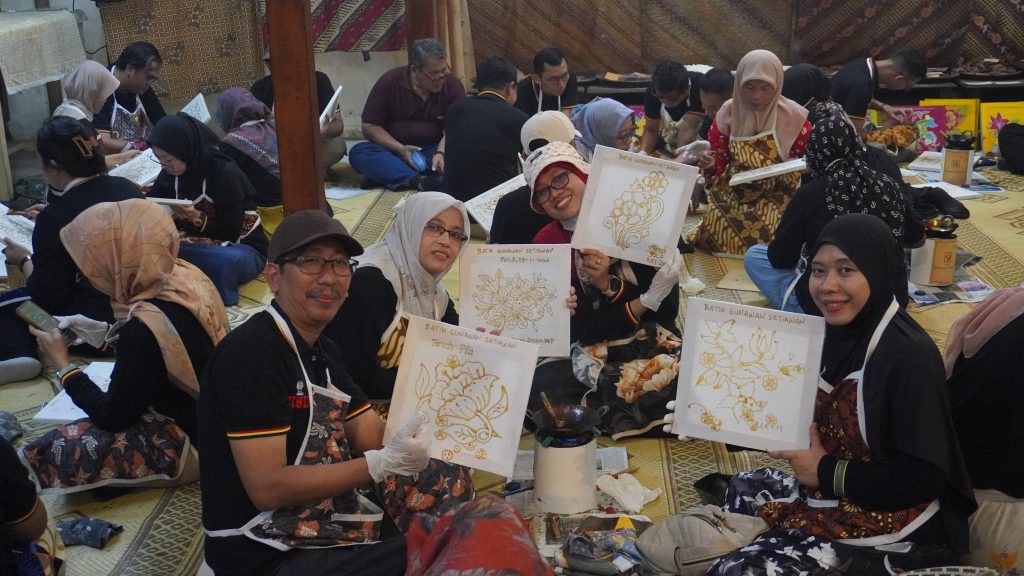
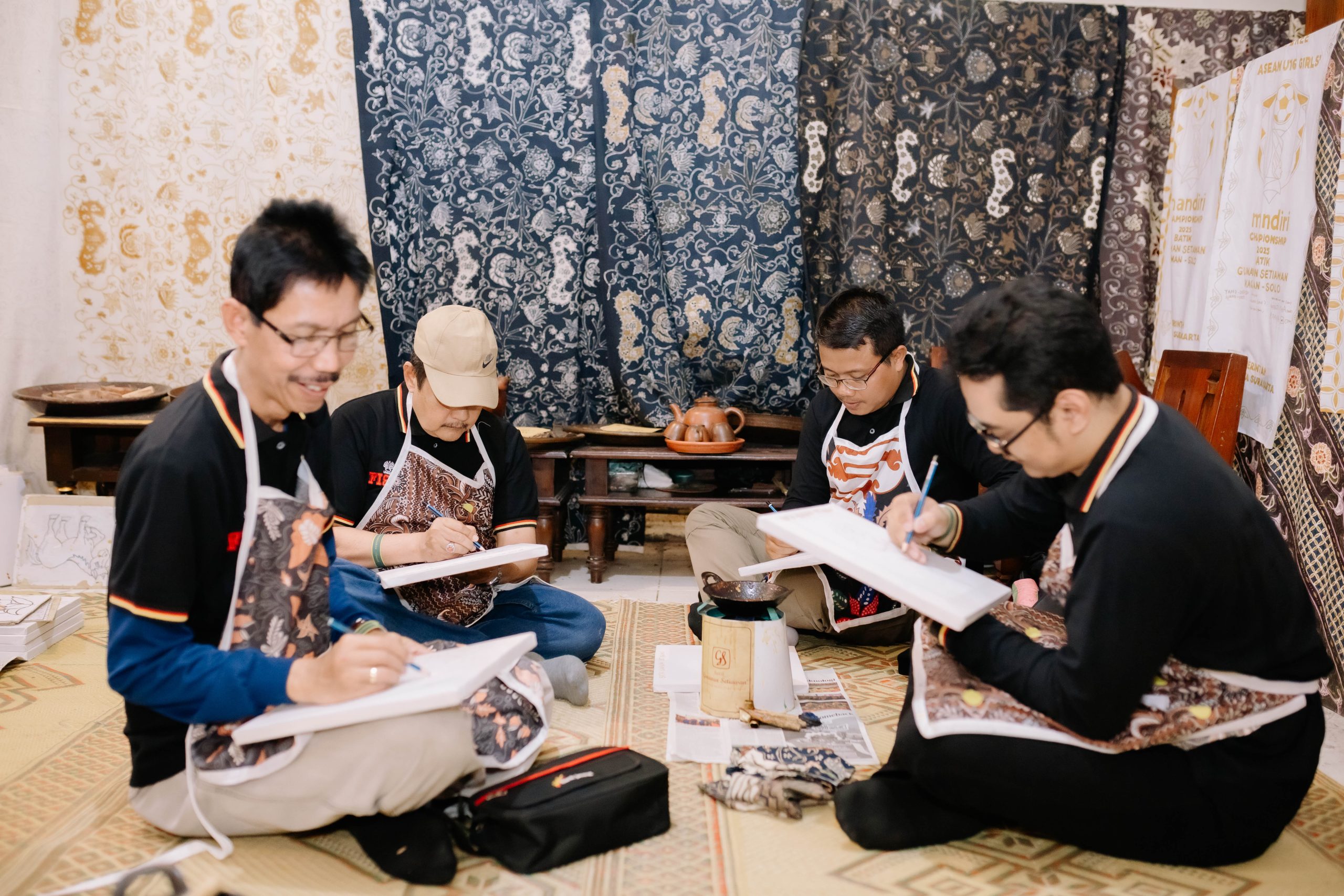
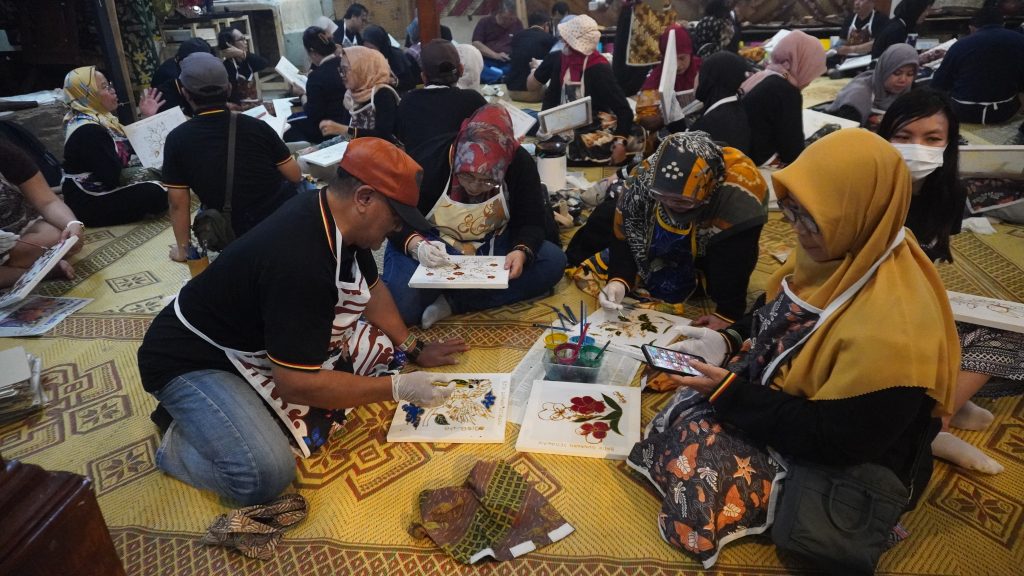
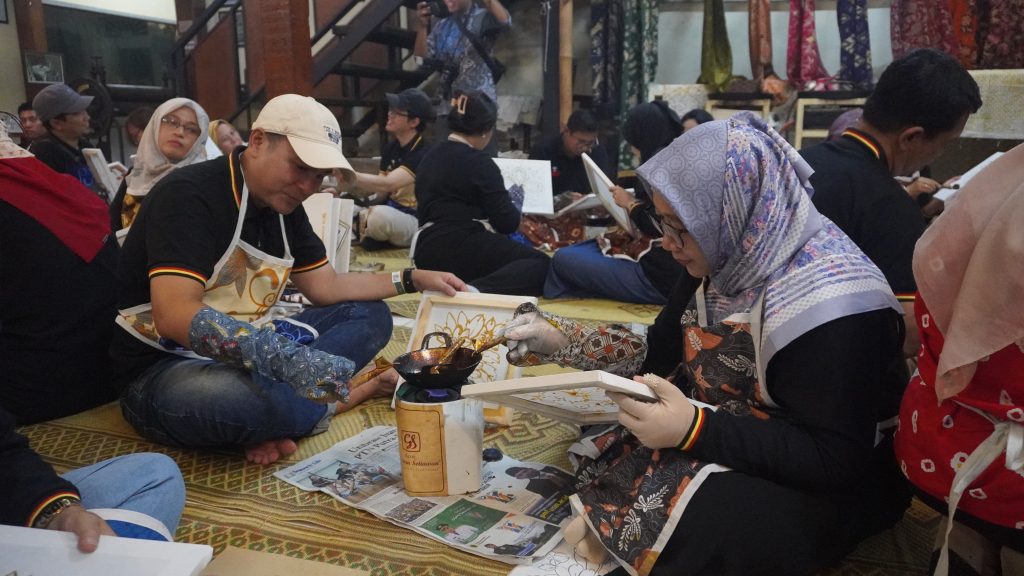
As part of efforts to preserve cultural heritage, 99 lecturers from the Faculty of Social and Political Sciences, Universitas Negeri Semarang (FISIP UNNES) participated in a batik-making training program held at Kauman Batik Village, Surakarta, on Saturday, 30 January 2026.

Gunawan Setyawan, owner of Gunawan Batik, explained that the batik training is an educational program focused on developing technical batik-making skills—such as waxing (canting), dyeing, and wax removal (lorod)—while also introducing the philosophical values of batik culture. The program aims to support cultural preservation and strengthen the local MSME economy.

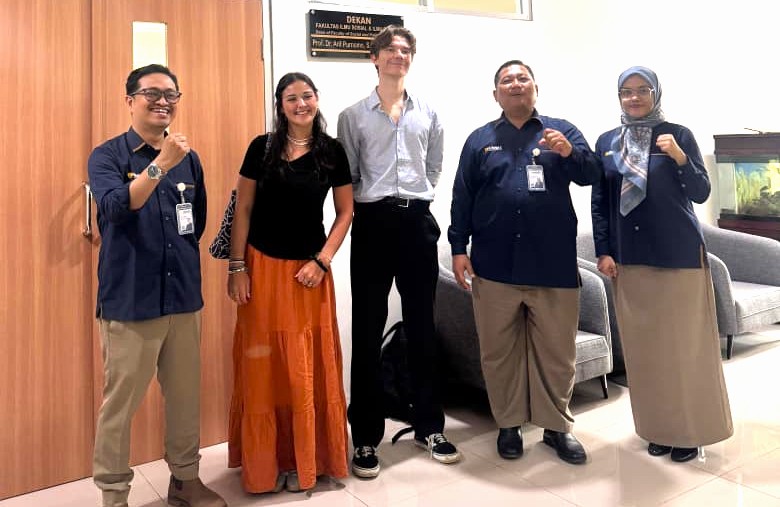
The Dean of FISIP UNNES, Arif Purnomo, stated that in addition to preserving cultural heritage, the batik training also serves as a relaxation and therapeutic medium for FISIP lecturers, who are routinely engaged in intensive academic activities on campus.

One of the participating lecturers, Rudi Salam, shared that the training began with instructional sessions covering the history of batik, an introduction to batik motifs (coastal and royal styles), canting techniques, the use of batik wax, coloring processes, and pelorodan, the process of removing wax from the fabric.

Meanwhile, Nining Wahyuningsih, Chair of the Training Committee, highlighted additional benefits of the program. Beyond fostering entrepreneurial skills among lecturers and contributing to the revitalization of traditional arts, the batik training also functions as a means of stress reduction. “Engaging in batik-making can stimulate positive emotions and increase happiness hormones,” she explained.

Through this activity, FISIP UNNES reaffirms its commitment to supporting the achievement of SDGs Goal 11, particularly in safeguarding cultural heritage while promoting community empowerment and sustainable well-being.
Related Posts

Leave a Reply

* Kode Akses Komentar:

* Tuliskan kode akses komentar diatas:

GDPR

  • Privacy Policy

Privacy Policy

At unnes.ac.id, the privacy of our visitors is of extreme importance to us. This privacy policy document outlines the types of personal information that is received and collected by unnes.ac.id and how it is used.

Log Files

Like many other Web sites, unnes.ac.id makes use of log files. The information inside the log files includes internet protocol (IP) addresses, type of browser, Internet Service Provider (ISP), date/time stamp, referring/exit pages, and number of clicks to analyze trends, administer the site, track user’s movement around the site, and gather demographic information. IP addresses and other such information are not linked to any information that is personally identifiable.

Cookies

unnes.ac.id uses cookies to store information about visitors’ preferences, to record user-specific information on which pages the site visitor accesses or visits, and to personalize or customize our web page content based upon visitors’ browser type or other information that the visitor sends via their browser.

Third-party ad servers or ad networks use technology in their respective advertisements and links that appear on unnes.ac.id and which are sent directly to your browser. They automatically receive your IP address when this occurs. Other technologies (such as cookies, JavaScript, or Web Beacons) may also be used by our site’s third-party ad networks to measure the effectiveness of their advertising campaigns and/or to personalize the advertising content that you see on the site.

unnes.ac.id has no access to or control over these cookies that are used by third-party advertisers.

You should consult the respective privacy policies of these third-party ad servers for more detailed information on their practices as well as for instructions about how to opt-out of certain practices. unnes.ac.id’s privacy policy does not apply to, and we cannot control the activities of, such other advertisers or web sites.

If you wish to disable cookies, you may do so through your individual browser options. More detailed information about cookie management with specific web browsers can be found at the browsers’ respective websites.

Consent

By using our website, you hereby consent to our privacy policy and agree to its terms.

Update

This Privacy Policy was last updated on: 2023-02-14. Should we update, amend or make any changes to our privacy policy, those changes will be posted here.

Contact Us

If you have any questions, comments, or concerns about our Privacy Policy or our practices with regards to your personal information, please feel free to contact us through the contact form on our website or by emailing us at humas[at]mail.unnes.ac.id.

This Privacy Policy is intended as a general guide to our practices in collecting and using information. If there is any inconsistency between this Privacy Policy and the terms of the Service Agreement or any other terms that may apply to specific services you use, then those specific service terms shall apply.

Terms of Use

By using our website, you agree to abide by this Privacy Policy. If you do not agree with this Privacy Policy, please do not use our website. We reserve the right to update this Privacy Policy from time to time without prior notice. Please review our Privacy Policy periodically to check for changes. Your continued use of our website following the posting of changes to this Privacy Policy means that you accept the changes.

Thank you for reading our Privacy Policy. We are committed to protecting the privacy of our website visitors and will continue to update our Privacy Policy to ensure optimal protection.