

Gender equality is not solely a women’s issue, but a fundamental component of inclusive and sustainable development. Within higher education institutions, awareness of the importance of involving women and vulnerable groups in development processes has continued to gain momentum.
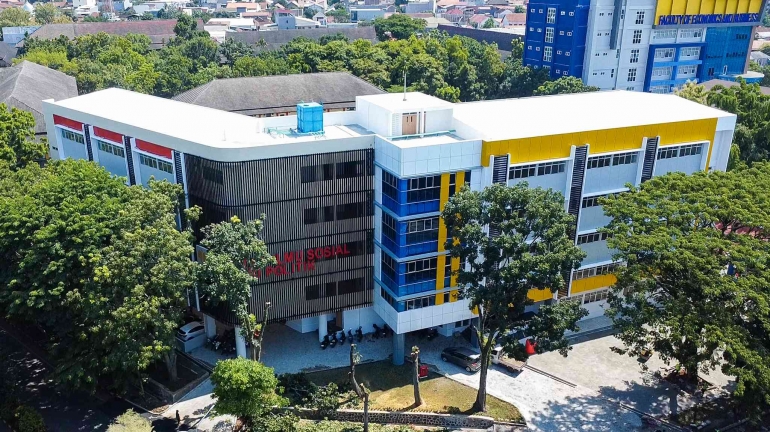
This commitment is reflected in the Faculty of Social and Political Sciences (FISIP), Universitas Negeri Semarang (UNNES), which is currently preparing to establish a Center for Gender, Child, and Social Inclusion Studies. The center is expected to become a hub for research, advocacy, and education aimed at advancing gender equality both on campus and in the wider community.
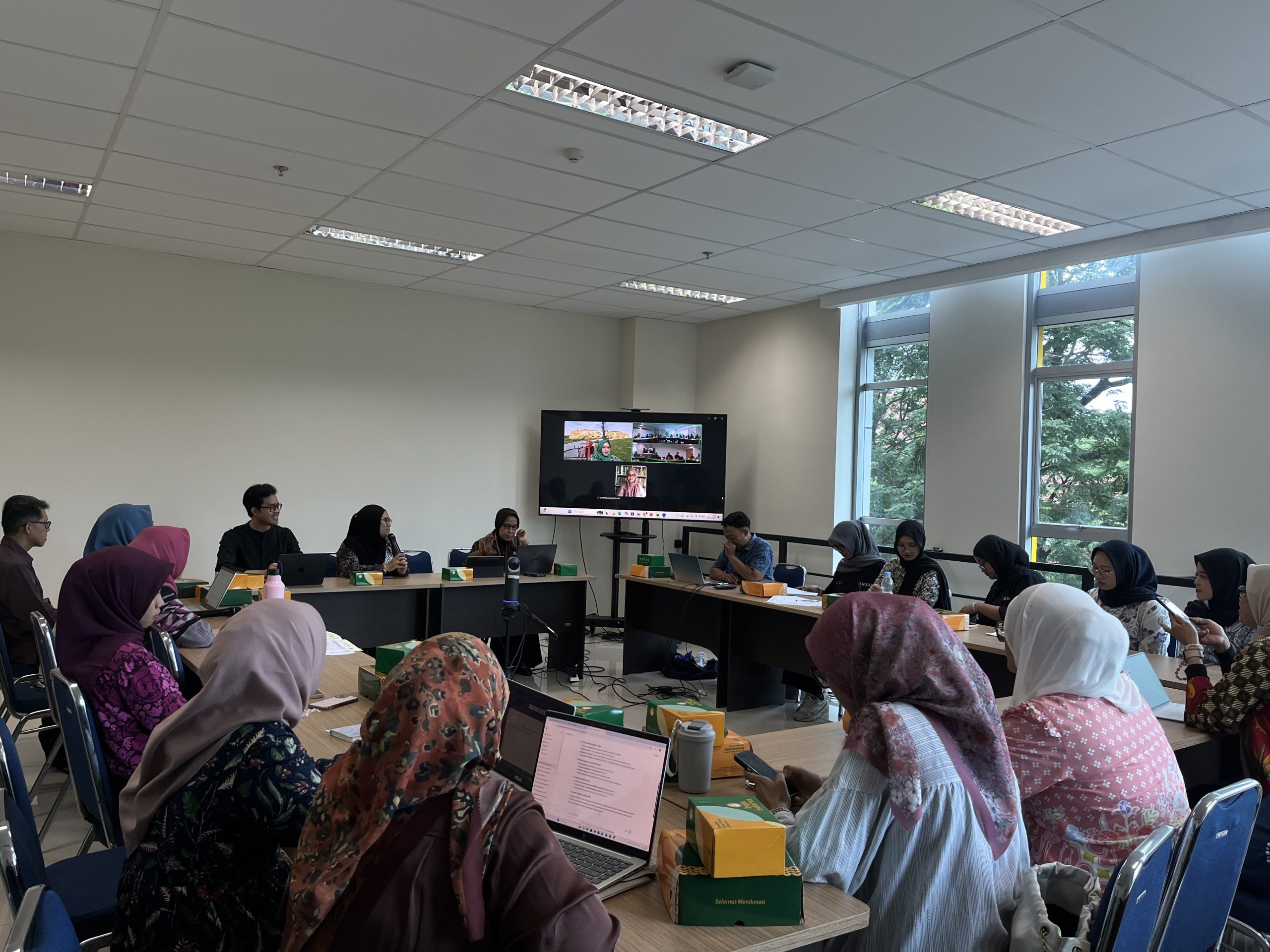
FISIP UNNES Vice Dean for Student Affairs, Dr. Sos. Puji Lestari, M.Si., stated that the initiative aligns with Sustainable Development Goal (SDG) 5, which promotes gender equality and the empowerment of all women and girls. Nearly 48 percent of FISIP lecturers are women, and the faculty has been preparing various supporting facilities such as lactation rooms and family-friendly spaces. “Gender equality should not only be discussed, but must be translated into concrete policies and actions, both in academic settings and in the workplace,” Puji said during a Forum Group Discussion themed “Gender Mainstreaming, Child Rights, and Social Inclusion”, held at FISIP UNNES this week.
Integrating Gender Perspectives
In her presentation, Head of the Central Java Office for Women’s Empowerment, Child Protection, Population Control, and Family Planning (DP3AP2KB), Dra. Ema Racmawati, emphasized the need to integrate gender perspectives across all stages of development. According to her, gender mainstreaming strategies must be implemented from planning and budgeting to execution, monitoring, evaluation, and reporting.“Gender equality becomes clearer when connected to practical contexts, such as infrastructure and public services. This helps ensure gender perspectives are part of the policy framework, not an afterthought,” she explained.
Echoing this view, UNNES Professor of Sociology, Prof. Dr. Tri Marhaeni Pudji Astuti, M.Hum., highlighted that gender discussions should not be limited to issues concerning women.“Gender is not only about women—it is for both men and women. Both should have equal opportunities in all areas of life,” she said.
A New Space for Gender Studies
FISIP historian Ardela welcomed the planned establishment of the gender studies center, describing it as an encouraging development for researchers and academics. Activities such as the FGD, she said, provide space for lecturers and students from various disciplines to share perspectives and strengthen collaboration. “As a researcher in women’s history, I see this initiative as a breath of fresh air. Gender and women’s studies will receive more attention, especially through interdisciplinary work involving fields like history and sociology,” she said.
Similarly, PIPS lecturer Siti Ekowati Rusdini noted that the center aligns with UNNES’s vision as an impact-driven university. “FISIP is a strategic space to instill values of equality and justice. If managed well, this center can play a significant role in promoting these values in society,” she said.
Strengthening Institutional Collaboration
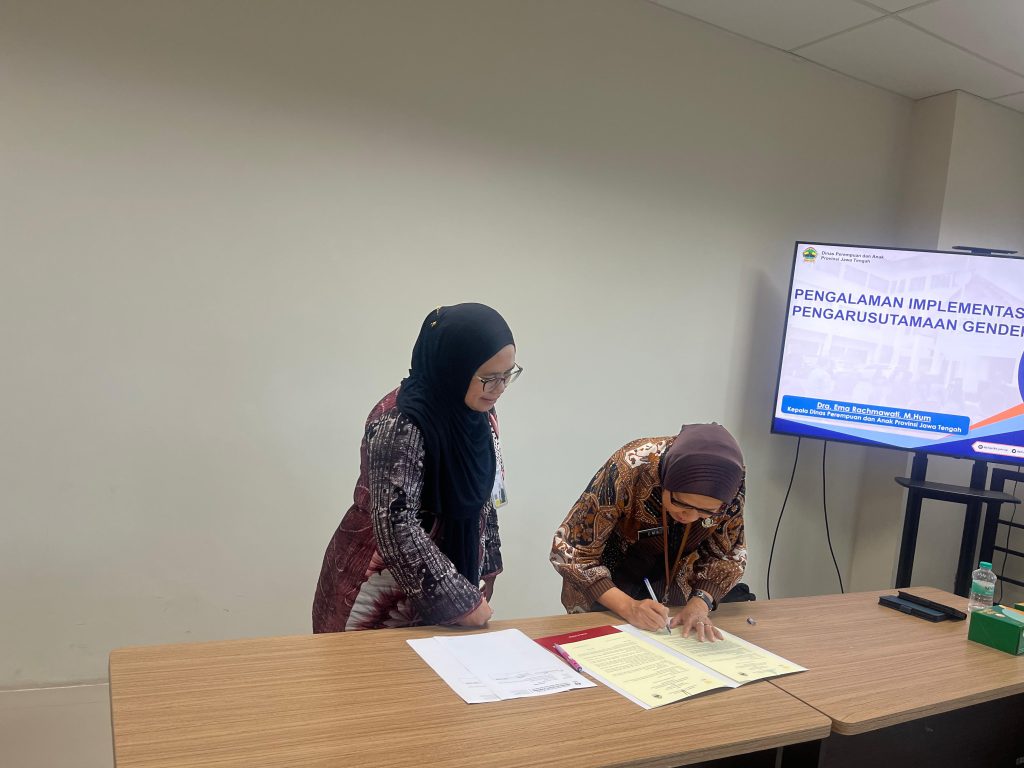
The event concluded with the signing of a cooperation agreement between FISIP UNNES and the Central Java DP3AP2KB, marking a formal commitment to strengthening collaboration in research, education, and policy development related to gender equality, child protection, and social inclusion.
Through research advancement, interdisciplinary collaboration, and policy support, FISIP UNNES aims to ensure that gender equality moves beyond discourse and becomes a practical foundation for sustainable and inclusive development.