UNNES and BPIP Synergize to Realize Contextual and Impactful Pancasila Education

Universitas Negeri Semarang > Faculty of Social Sciences and Political Science > News > UNNES and BPIP Synergize to Realize Contextual and Impactful Pancasila Education

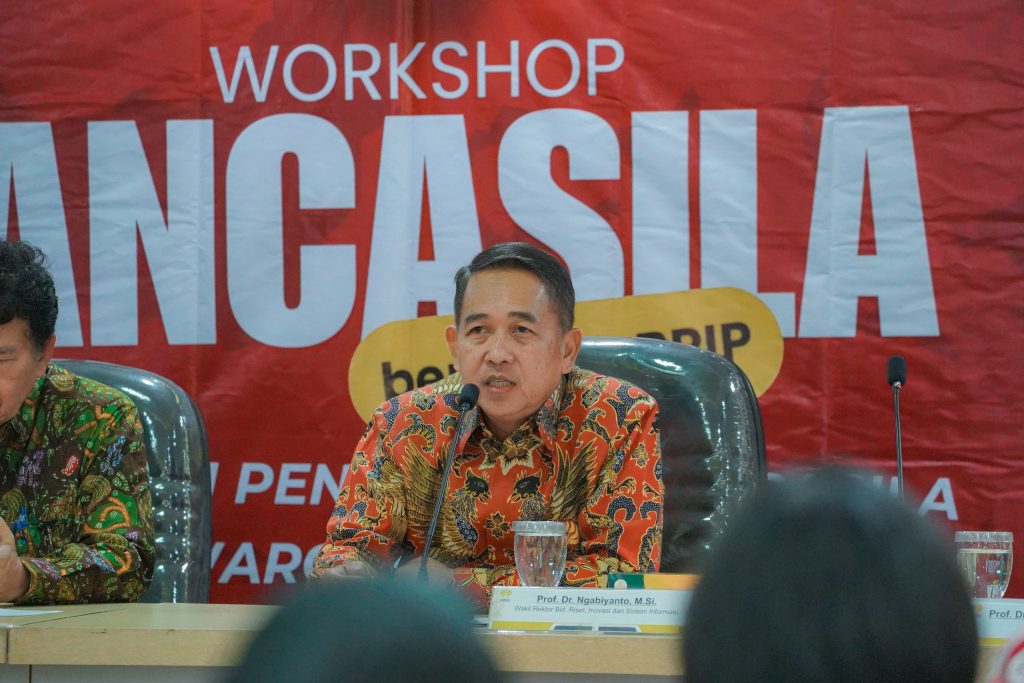
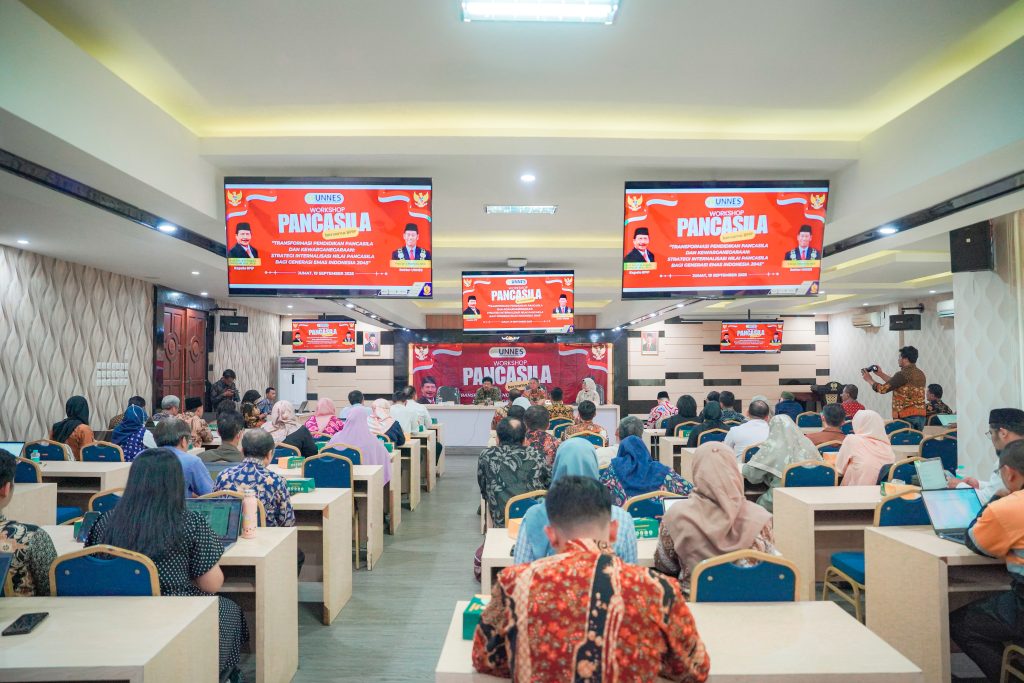
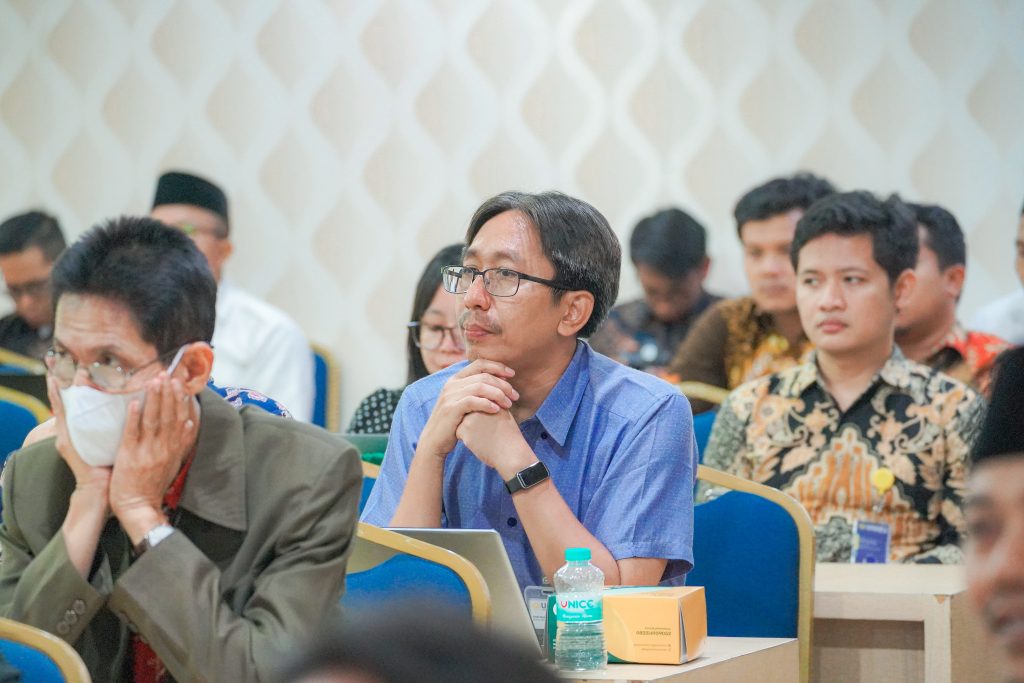
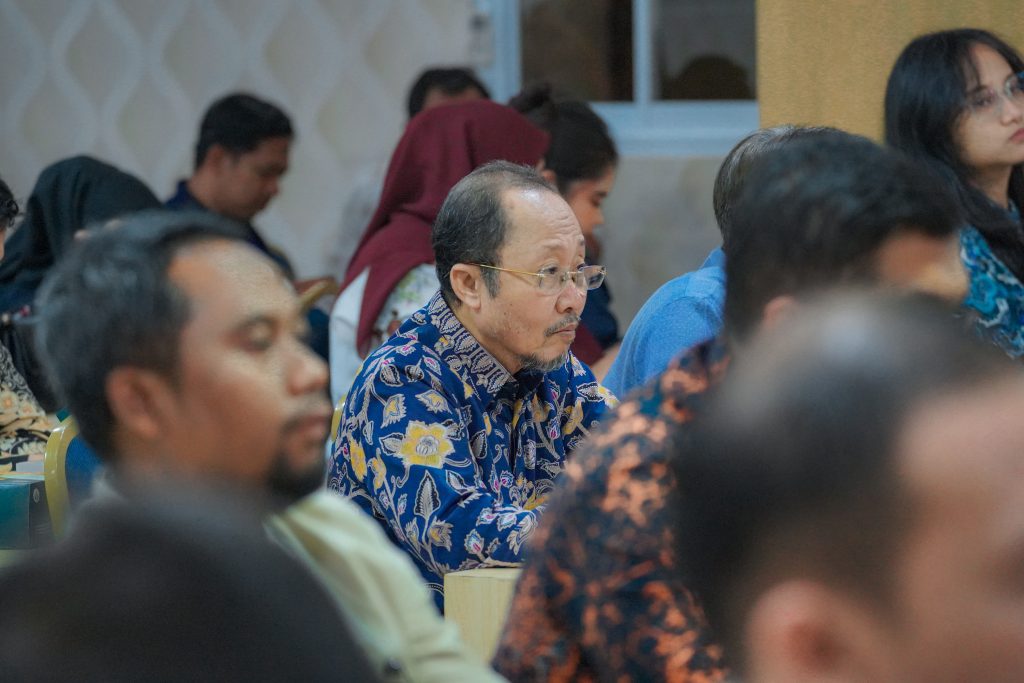
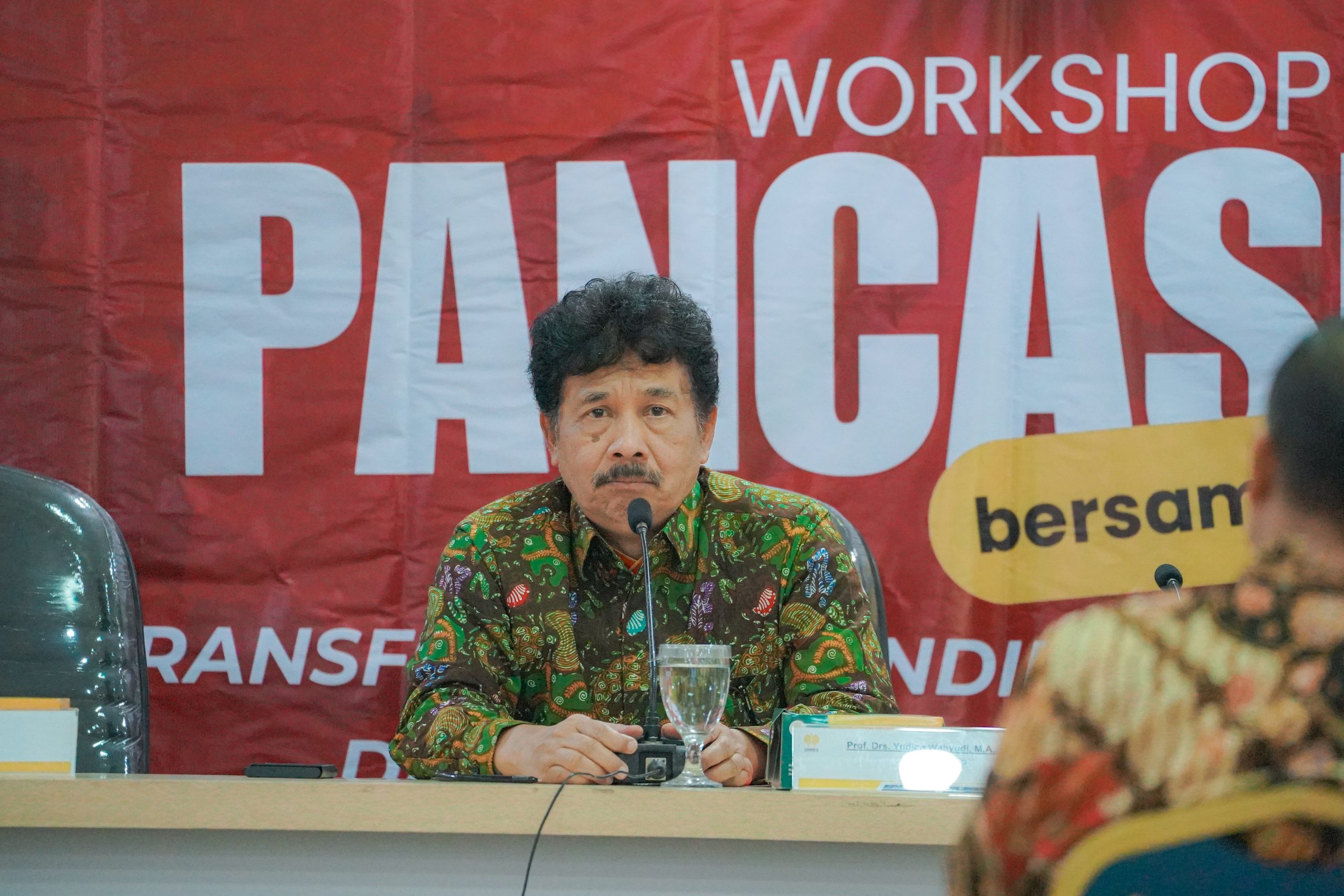
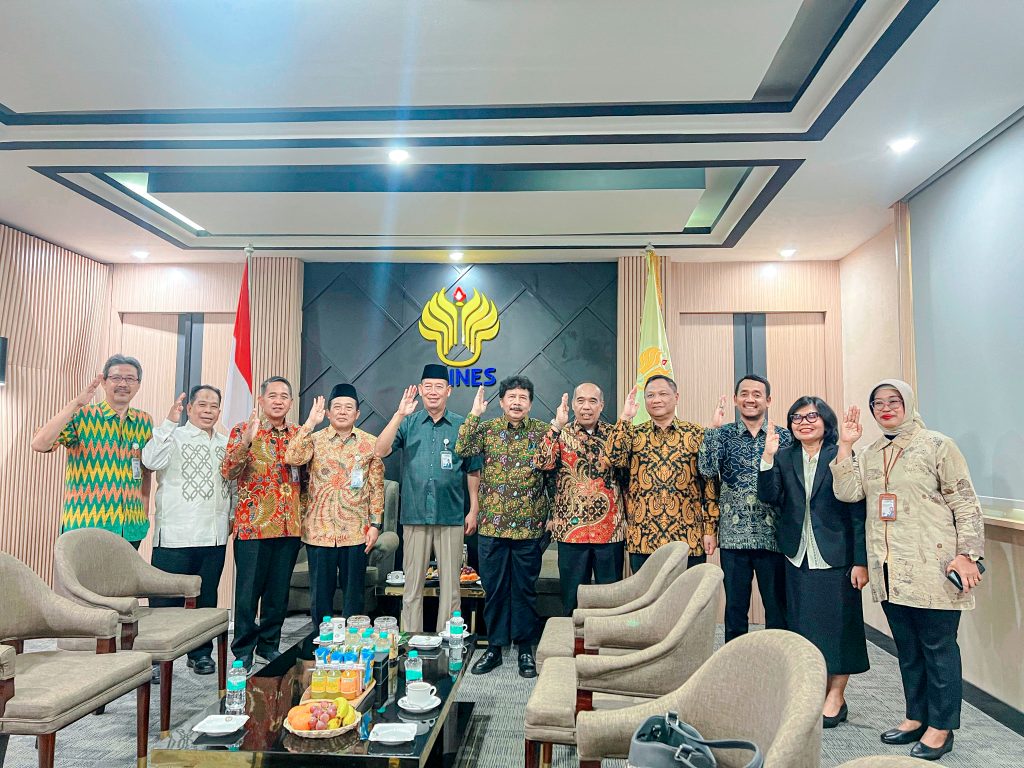
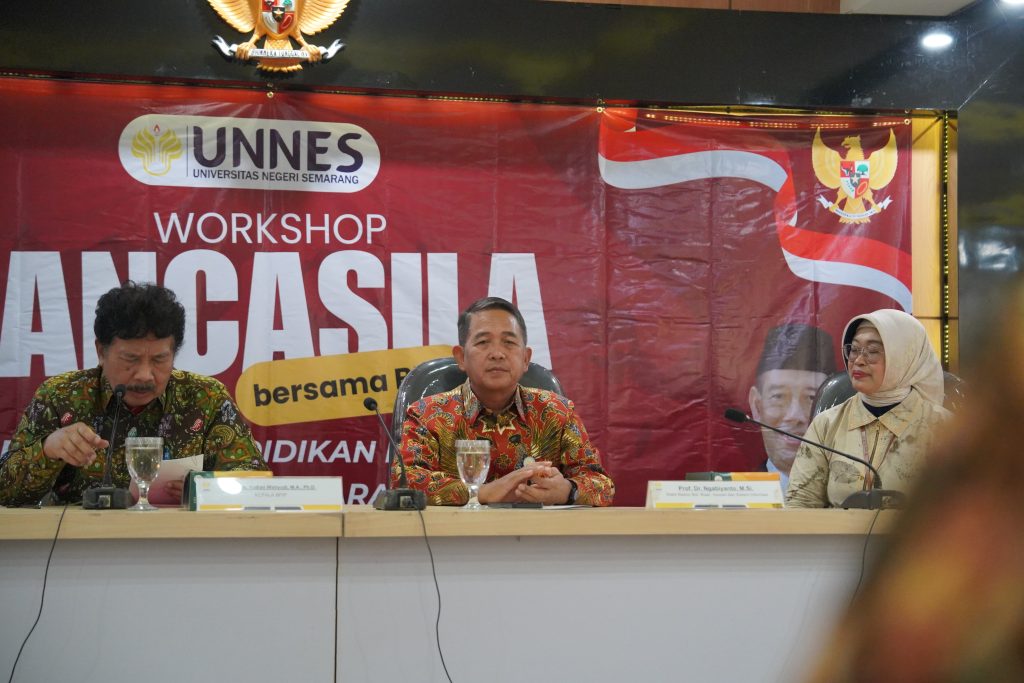
Semarang, September 19, 2025 – Universitas Negeri Semarang (UNNES) organized a Workshop on Pancasila Ideology Development with the theme “Transforming Pancasila and Civic Education: Strategies for Internalizing Pancasila Values for Indonesia’s Golden Generation 2045.” The event was attended by lecturers of the General Courses (MKU) on Pancasila and Civic Education from the Faculty of Social and Political Sciences (FISIP) and the Faculty of Law, UNNES. The keynote speaker was Prof. Dr. K.H. Yudian Wahyudi, M.A., Ph.D., Head of the Pancasila Ideology Development Agency (BPIP), accompanied by Dr. Surahno, S.H., M.Hum., Deputy for Research and Materials at BPIP. The Rector of UNNES, Prof. Dr. S. Martono, M.Si., represented by Vice Rector III, Prof. Dr. Ngabiyanto, M.Si., also delivered a message on the importance of strengthening Pancasila values in the global era.

In the workshop, the speakers emphasized that Pancasila education is not merely academic material, but also a means of building the nation’s character. Prof. Yudian Wahyudi stressed the importance of nurturing young generations with patriotic, religious, and tolerant values, as well as a strong sense of national identity. Dr. Surahno added that the implementation of Pancasila in the classroom must be contextualized with contemporary challenges, including issues of intolerance, radicalism, and the misuse of digital technology. This effort aligns with the vision of Indonesia Emas 2045, aiming to create a competitive nation that upholds human values.

The workshop also highlighted the importance of project-based and case-method learning approaches as strategies to internalize Pancasila values. Lecturers were encouraged to design learning processes relevant to social realities, such as addressing issues of environmental degradation, poverty, and growing intolerance in society. This way, students would not only understand Pancasila theoretically but also be able to apply it in real-life actions that positively impact social and national life.

Materials presented by BPIP underscored that the development of Pancasila ideology is an integral part of national development. The program aims to enhance the nation’s character intelligence through knowledge, attitudes, beliefs, and actions in societal, national, and state life. Furthermore, the learning outcomes of the Pancasila course are directed toward enabling students to produce creative works rooted in Pancasila values to address contemporary issues, ranging from environmental damage and indigenous community conflicts to gender inequality.

Moreover, this activity is closely related to the achievement of the Sustainable Development Goals (SDGs). Through strengthening Pancasila education, UNNES supports SDG 4: Quality Education by providing learning that fosters character and social skills in students. The internalization of the values of mutual cooperation and tolerance is aligned with SDG 16: Peace, Justice, and Strong Institutions. Meanwhile, the collaboration between UNNES and BPIP reflects SDG 17: Partnerships for the Goals, showcasing synergy between higher education institutions and state bodies in building the foundation for Indonesia’s golden generation of 2045.
Related Posts

Leave a Reply

* Kode Akses Komentar:

* Tuliskan kode akses komentar diatas:

GDPR

  • Privacy Policy

Privacy Policy

At unnes.ac.id, the privacy of our visitors is of extreme importance to us. This privacy policy document outlines the types of personal information that is received and collected by unnes.ac.id and how it is used.

Log Files

Like many other Web sites, unnes.ac.id makes use of log files. The information inside the log files includes internet protocol (IP) addresses, type of browser, Internet Service Provider (ISP), date/time stamp, referring/exit pages, and number of clicks to analyze trends, administer the site, track user’s movement around the site, and gather demographic information. IP addresses and other such information are not linked to any information that is personally identifiable.

Cookies

unnes.ac.id uses cookies to store information about visitors’ preferences, to record user-specific information on which pages the site visitor accesses or visits, and to personalize or customize our web page content based upon visitors’ browser type or other information that the visitor sends via their browser.

Third-party ad servers or ad networks use technology in their respective advertisements and links that appear on unnes.ac.id and which are sent directly to your browser. They automatically receive your IP address when this occurs. Other technologies (such as cookies, JavaScript, or Web Beacons) may also be used by our site’s third-party ad networks to measure the effectiveness of their advertising campaigns and/or to personalize the advertising content that you see on the site.

unnes.ac.id has no access to or control over these cookies that are used by third-party advertisers.

You should consult the respective privacy policies of these third-party ad servers for more detailed information on their practices as well as for instructions about how to opt-out of certain practices. unnes.ac.id’s privacy policy does not apply to, and we cannot control the activities of, such other advertisers or web sites.

If you wish to disable cookies, you may do so through your individual browser options. More detailed information about cookie management with specific web browsers can be found at the browsers’ respective websites.

Consent

By using our website, you hereby consent to our privacy policy and agree to its terms.

Update

This Privacy Policy was last updated on: 2023-02-14. Should we update, amend or make any changes to our privacy policy, those changes will be posted here.

Contact Us

If you have any questions, comments, or concerns about our Privacy Policy or our practices with regards to your personal information, please feel free to contact us through the contact form on our website or by emailing us at humas[at]mail.unnes.ac.id.

This Privacy Policy is intended as a general guide to our practices in collecting and using information. If there is any inconsistency between this Privacy Policy and the terms of the Service Agreement or any other terms that may apply to specific services you use, then those specific service terms shall apply.

Terms of Use

By using our website, you agree to abide by this Privacy Policy. If you do not agree with this Privacy Policy, please do not use our website. We reserve the right to update this Privacy Policy from time to time without prior notice. Please review our Privacy Policy periodically to check for changes. Your continued use of our website following the posting of changes to this Privacy Policy means that you accept the changes.

Thank you for reading our Privacy Policy. We are committed to protecting the privacy of our website visitors and will continue to update our Privacy Policy to ensure optimal protection.