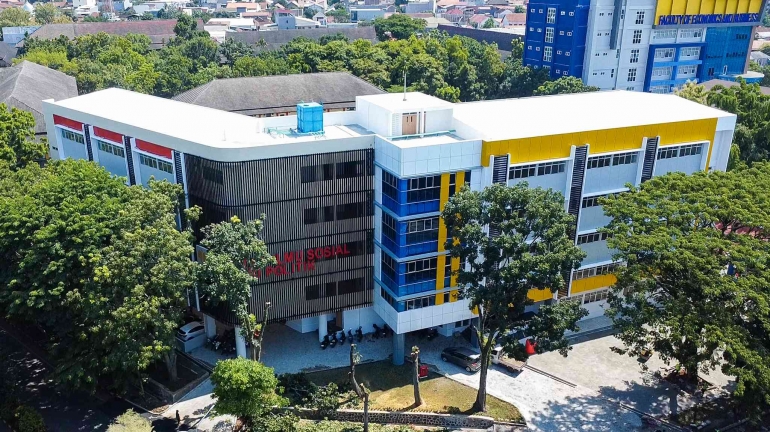
Change Begins with a Story: Communication Science Study Program UNNES Invites Students to Voice Climate Justice through Film Screening

Universitas Negeri Semarang > Faculty of Social Sciences and Political Science > News > Change Begins with a Story: Communication Science Study Program UNNES Invites Students to Voice Climate Justice through Film Screening

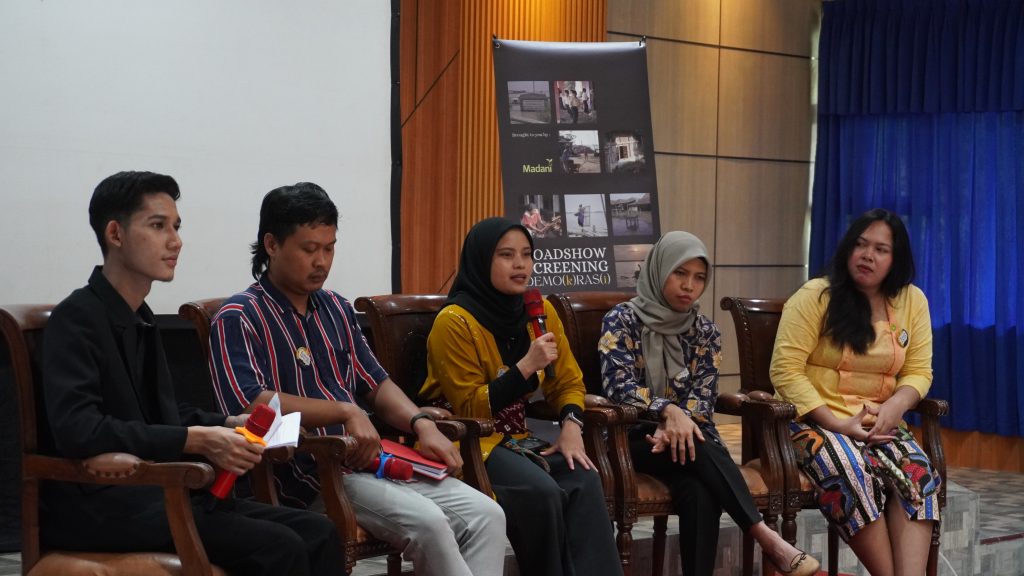
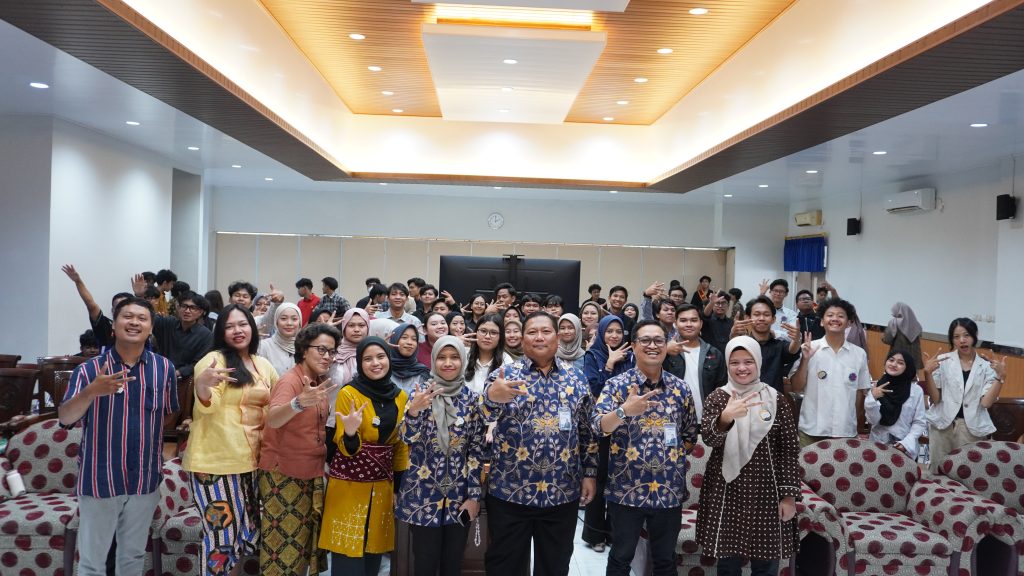
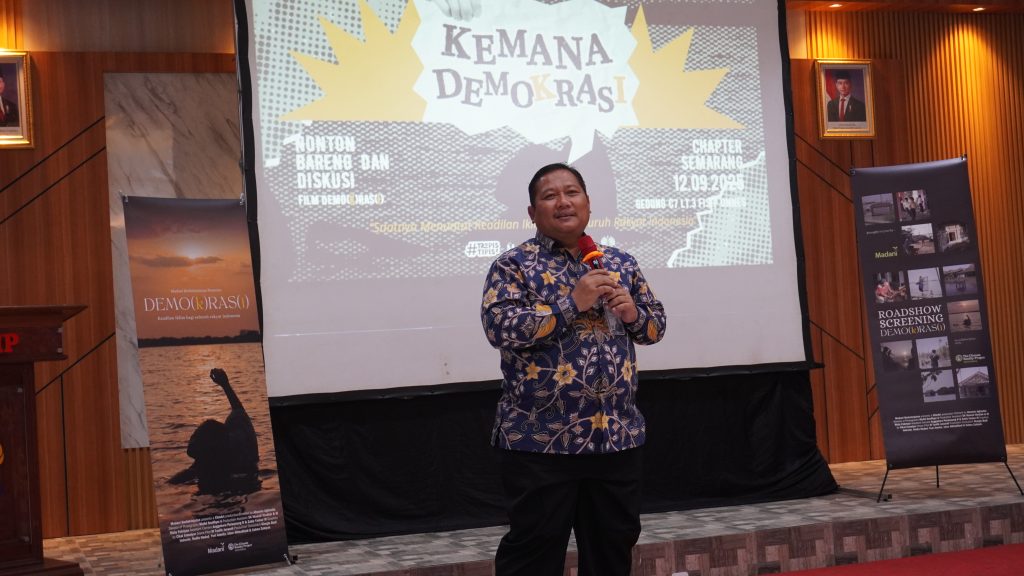
Semarang – The Communication Science Study Program of Universitas Negeri Semarang (UNNES), in collaboration with the Madani Berkelanjutan Foundation, held a National Seminar and Film Screening entitled DEMO(K)RAS(I) on Friday (September 12) at the C7 Auditorium. This event aimed to encourage students not only to understand the essence of climate justice issues but also to transform them into narratives that can be advocated through independent film works.

The film Demo(k)ras(i) highlights the realities of the climate crisis, which impacts not only the physical environment but also the social sphere, particularly vulnerable groups. The film also critically questions the extent to which public aspirations are accommodated in national climate policies. The philosophical styling of the title, with the letters “K” and “I” placed in parentheses, symbolizes demonstrations or activism, while also portraying the dynamics of climate democracy that are currently being tested and require strengthening.

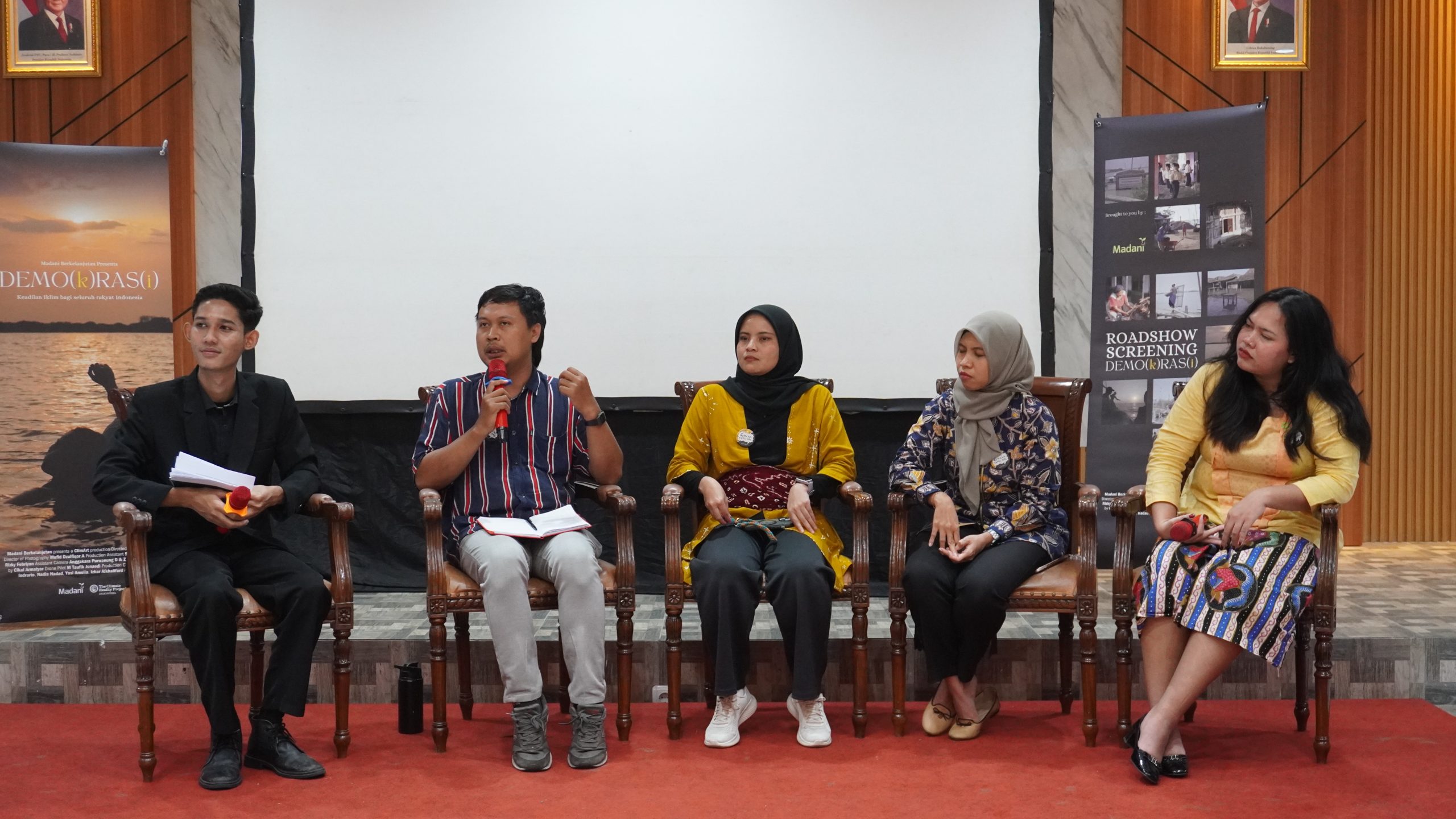
Speakers at the event included Demo(k)ras(i) director Ansania Aghnetta, Madani Berkelanjutan Foundation representative Yosi Amelia, UNNES Communication Science lecturer Himmatul Ulya, S.IP., M.I.Kom., as well as WALHI Central Java activist Nur Cholils. They emphasized that the struggle for climate justice must be carried out through cross-sector collaboration.
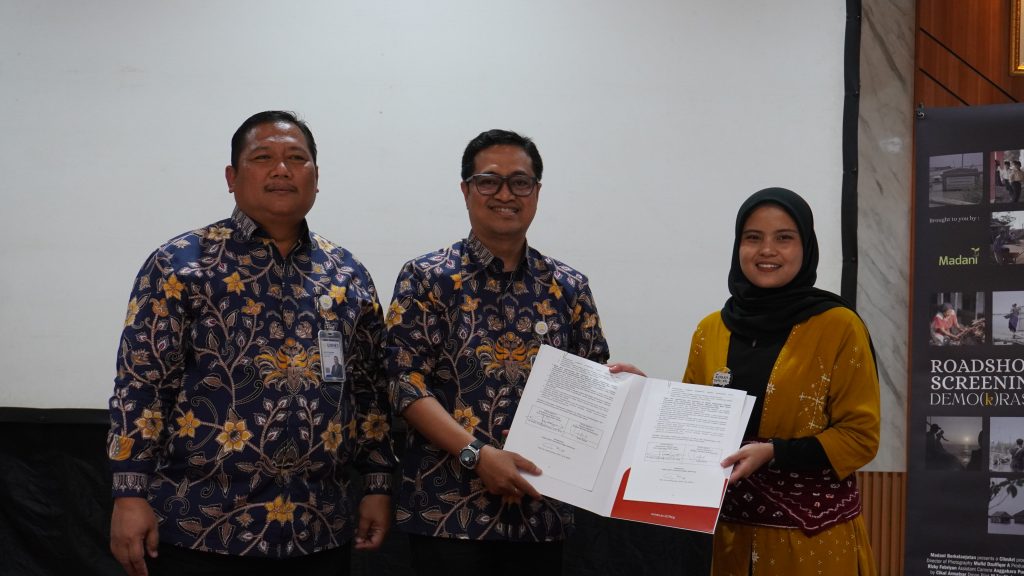
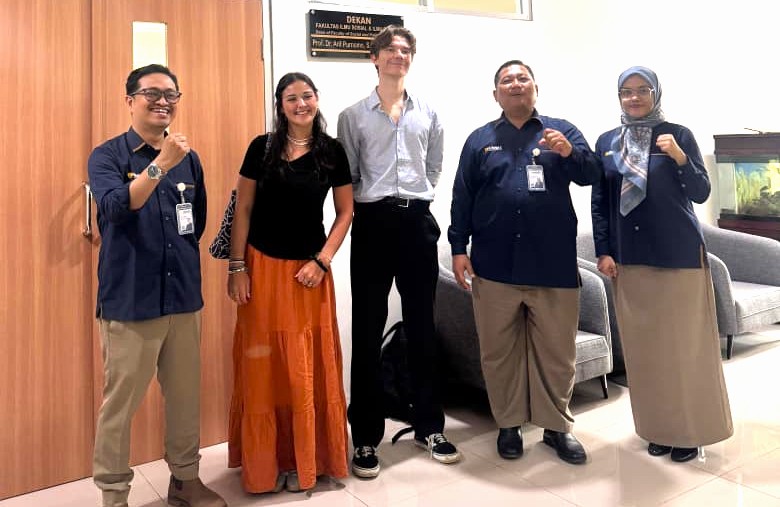
The Dean of the Faculty of Social and Political Sciences UNNES stressed the urgency of sustaining this collaboration. “We hope that the partnership between the Communication Science Study Program and the Madani Foundation will continue in the future and make a positive contribution to the quality of education in Indonesia,” he stated.

Meanwhile, Yosi Amelia added that higher education institutions hold a strategic role in community empowerment. “As a non-governmental organization, we cannot operate independently. Collaboration with universities can promote research and policy advocacy. Thus, community capacity can be strengthened collectively,” she explained.
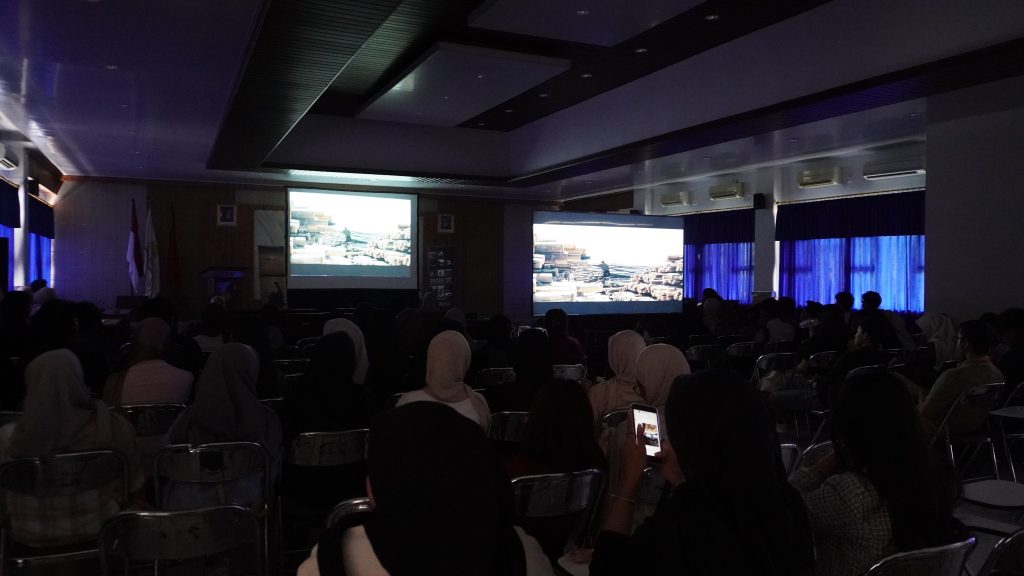
In addition to serving as a medium of advocacy, film screenings are also considered effective in conveying messages. For director Ansania Aghnetta, film is a powerful tool to advocate climate issues. “Watching a film engages more than one sense, so the message can feel stronger. If it’s only heard, it is usually easily forgotten. But through film, the audience can both hear and see, making the message more memorable and impactful. This is what makes film such a strong medium, even functioning as an effective propaganda tool,” she said.

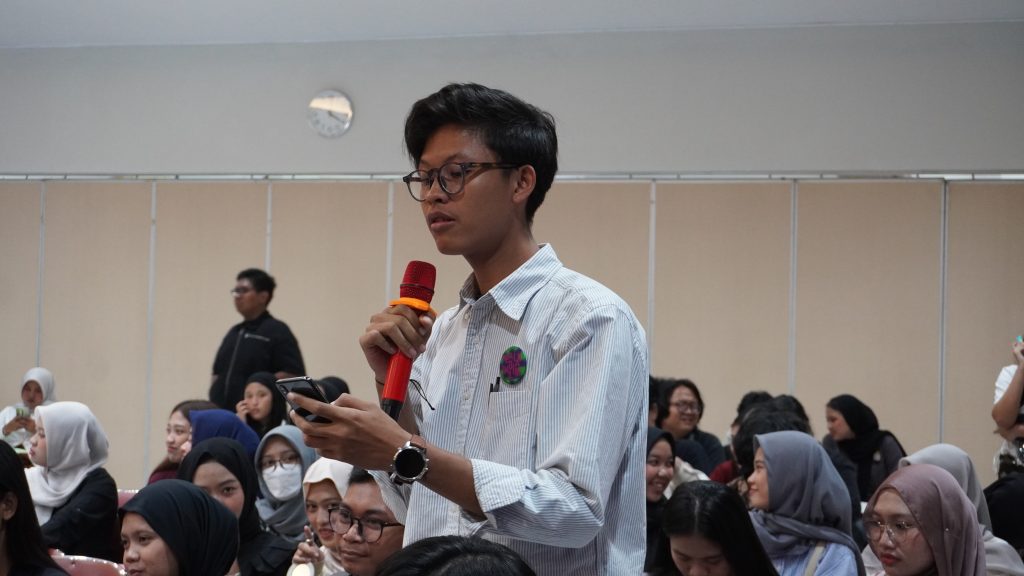
This event was not merely a film screening, but also served as a discussion platform that brought together students, academics, activists, and filmmakers. From this event, it is hoped that a collective awareness will be fostered that the climate crisis requires critical voices from the younger generation as well as concrete actions to achieve climate justice in Indonesia.

Related Posts

Leave a Reply

* Kode Akses Komentar:

* Tuliskan kode akses komentar diatas:

GDPR

  • Privacy Policy

Privacy Policy

At unnes.ac.id, the privacy of our visitors is of extreme importance to us. This privacy policy document outlines the types of personal information that is received and collected by unnes.ac.id and how it is used.

Log Files

Like many other Web sites, unnes.ac.id makes use of log files. The information inside the log files includes internet protocol (IP) addresses, type of browser, Internet Service Provider (ISP), date/time stamp, referring/exit pages, and number of clicks to analyze trends, administer the site, track user’s movement around the site, and gather demographic information. IP addresses and other such information are not linked to any information that is personally identifiable.

Cookies

unnes.ac.id uses cookies to store information about visitors’ preferences, to record user-specific information on which pages the site visitor accesses or visits, and to personalize or customize our web page content based upon visitors’ browser type or other information that the visitor sends via their browser.

Third-party ad servers or ad networks use technology in their respective advertisements and links that appear on unnes.ac.id and which are sent directly to your browser. They automatically receive your IP address when this occurs. Other technologies (such as cookies, JavaScript, or Web Beacons) may also be used by our site’s third-party ad networks to measure the effectiveness of their advertising campaigns and/or to personalize the advertising content that you see on the site.

unnes.ac.id has no access to or control over these cookies that are used by third-party advertisers.

You should consult the respective privacy policies of these third-party ad servers for more detailed information on their practices as well as for instructions about how to opt-out of certain practices. unnes.ac.id’s privacy policy does not apply to, and we cannot control the activities of, such other advertisers or web sites.

If you wish to disable cookies, you may do so through your individual browser options. More detailed information about cookie management with specific web browsers can be found at the browsers’ respective websites.

Consent

By using our website, you hereby consent to our privacy policy and agree to its terms.

Update

This Privacy Policy was last updated on: 2023-02-14. Should we update, amend or make any changes to our privacy policy, those changes will be posted here.

Contact Us

If you have any questions, comments, or concerns about our Privacy Policy or our practices with regards to your personal information, please feel free to contact us through the contact form on our website or by emailing us at humas[at]mail.unnes.ac.id.

This Privacy Policy is intended as a general guide to our practices in collecting and using information. If there is any inconsistency between this Privacy Policy and the terms of the Service Agreement or any other terms that may apply to specific services you use, then those specific service terms shall apply.

Terms of Use

By using our website, you agree to abide by this Privacy Policy. If you do not agree with this Privacy Policy, please do not use our website. We reserve the right to update this Privacy Policy from time to time without prior notice. Please review our Privacy Policy periodically to check for changes. Your continued use of our website following the posting of changes to this Privacy Policy means that you accept the changes.

Thank you for reading our Privacy Policy. We are committed to protecting the privacy of our website visitors and will continue to update our Privacy Policy to ensure optimal protection.