Perkuat Pencapaian SDGs, Prodi Geografi FISIP UNNES Gelar Seminar Internasional tentang Dinamika Bentang Lahan dan Manajemen Banjir Perkotaan

Universitas Negeri Semarang > Faculty of Social Sciences and Political Science > Konservasi > Perkuat Pencapaian SDGs, Prodi Geografi FISIP UNNES Gelar Seminar Internasional tentang Dinamika Bentang Lahan dan Manajemen Banjir Perkotaan

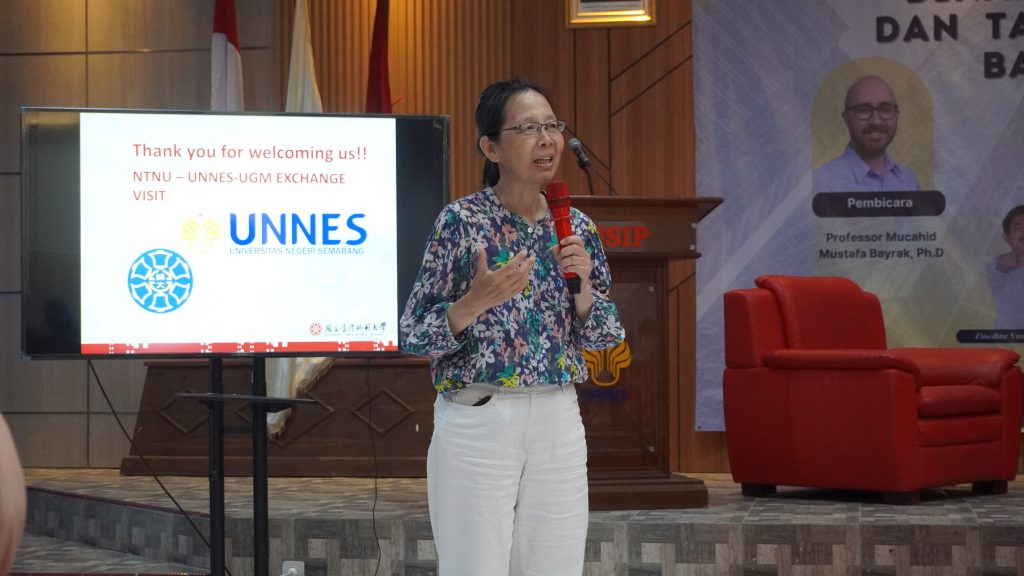
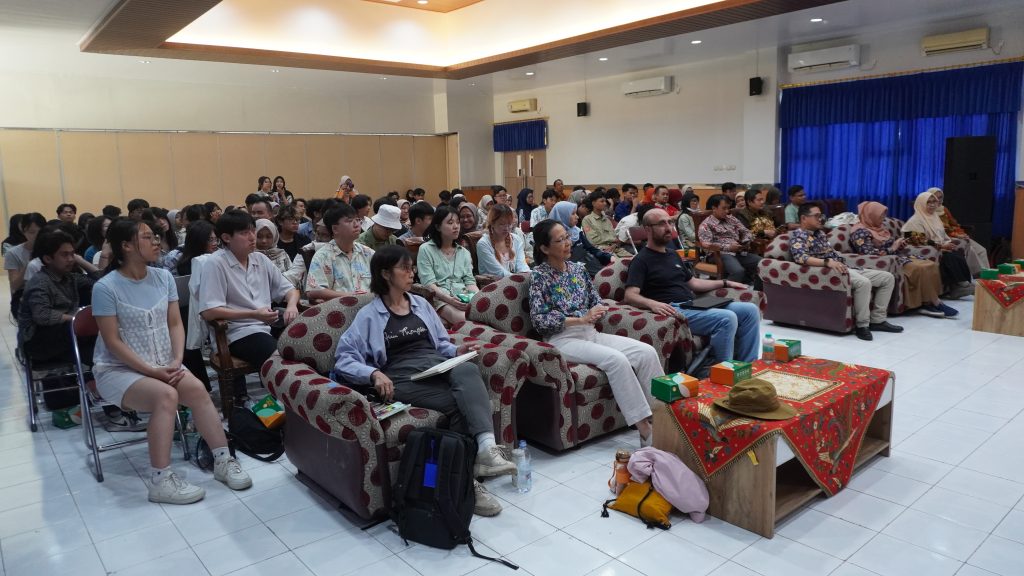
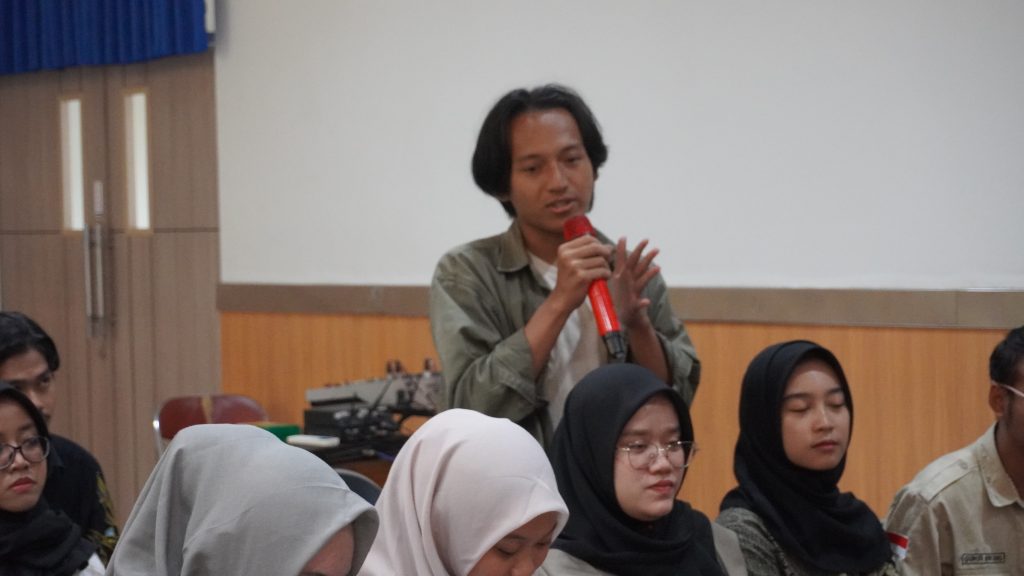
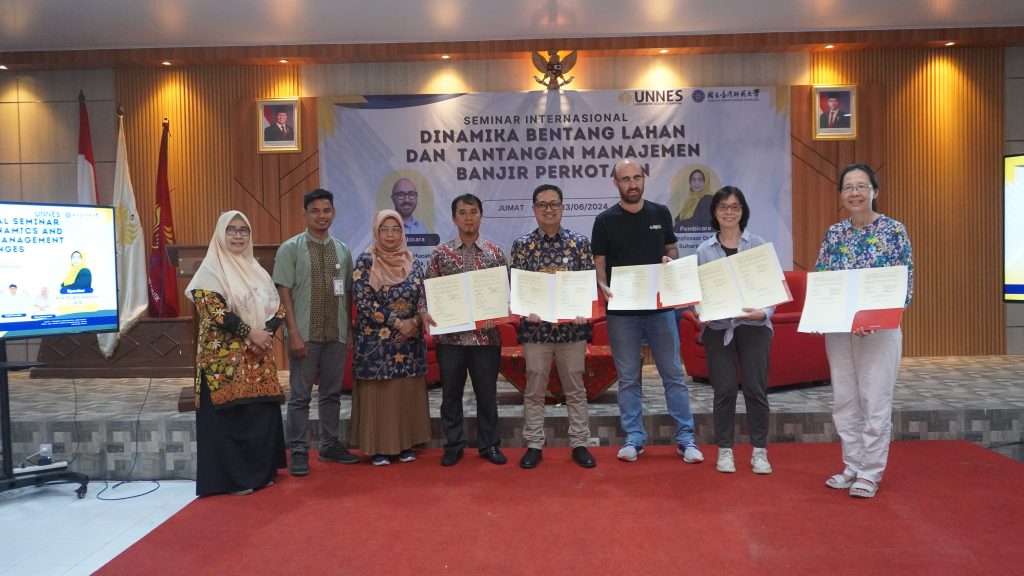
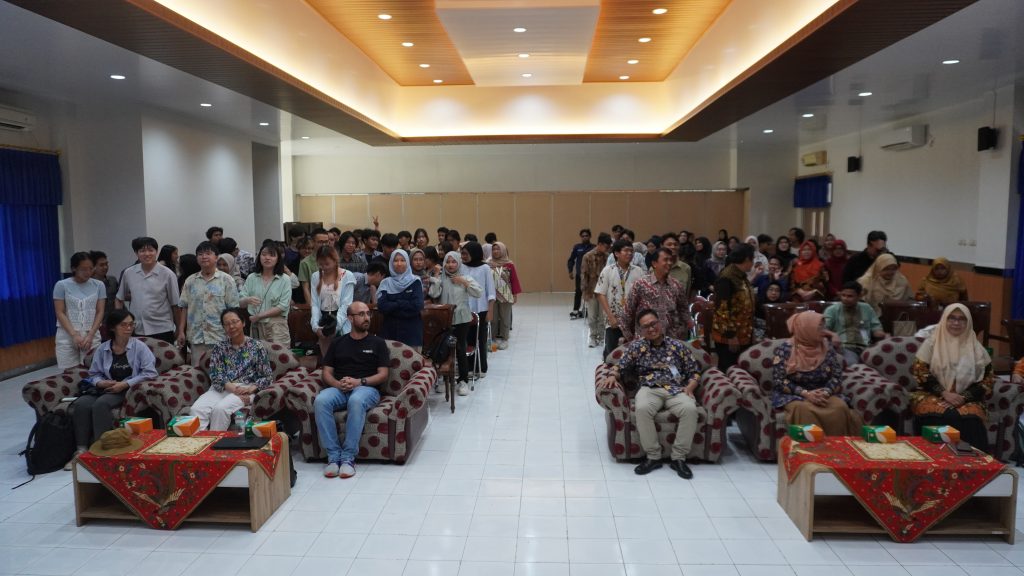
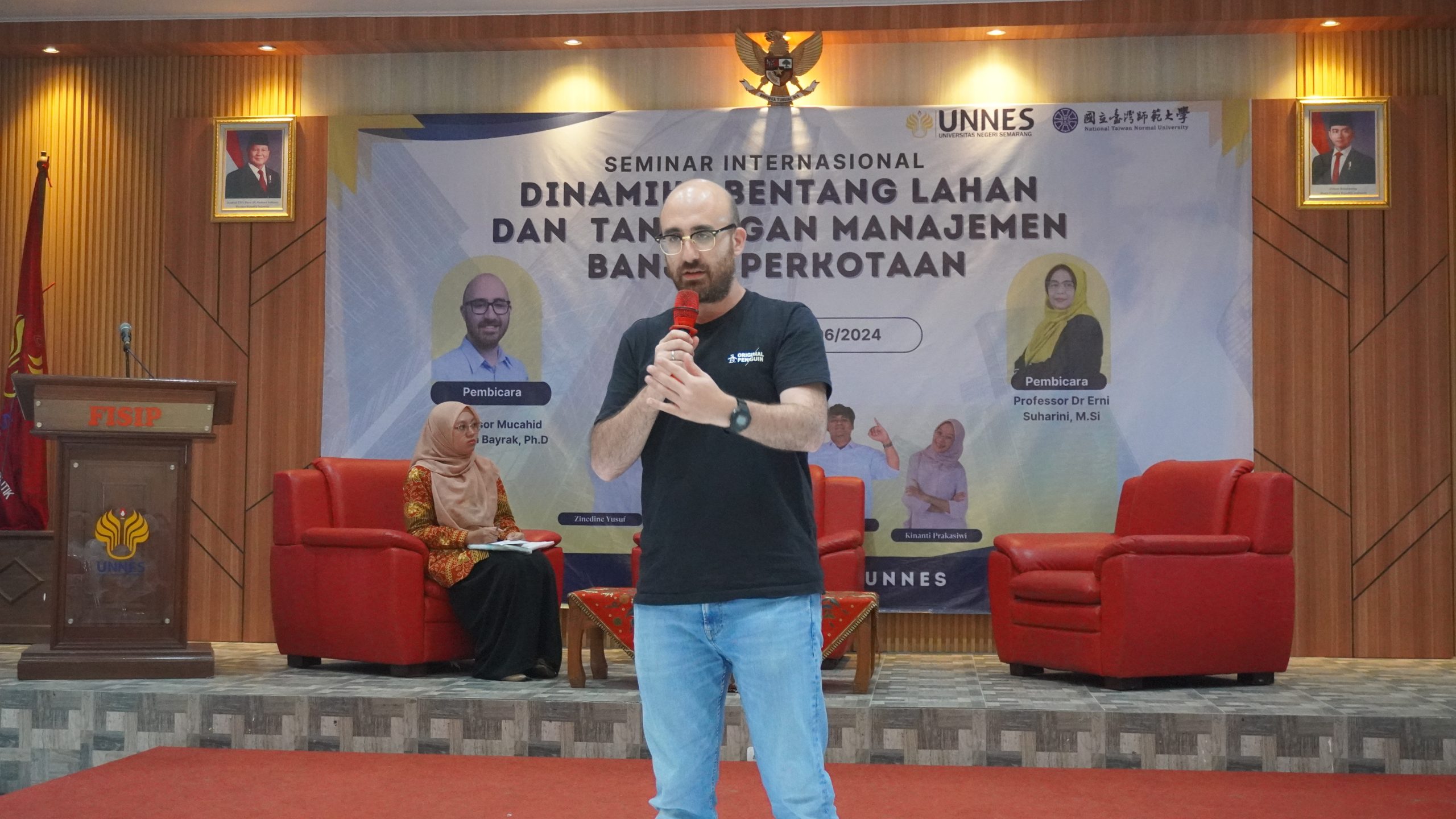
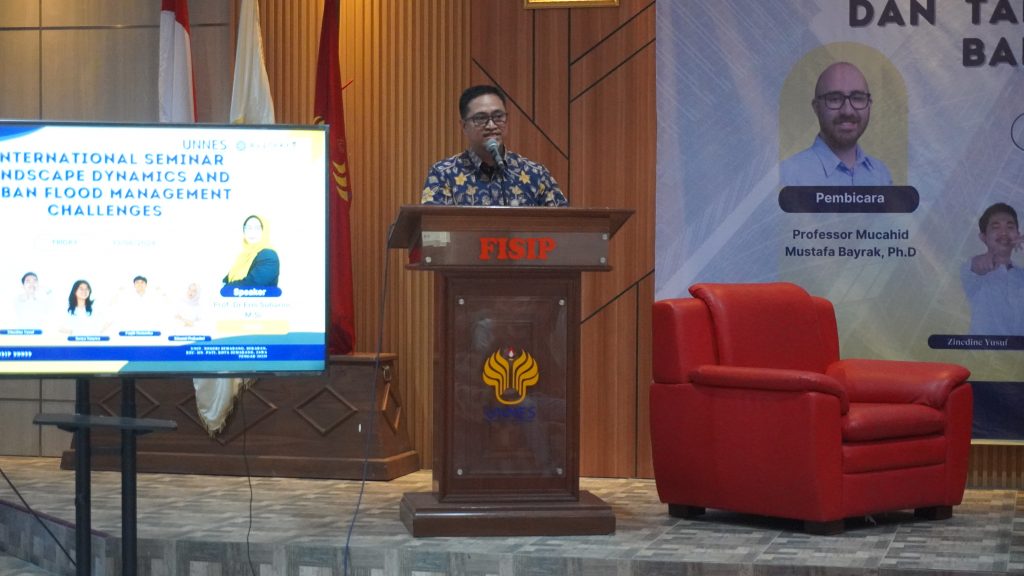
Semarang, 13 Juni 2025 — Program Studi Geografi Fakultas Ilmu Sosial Universitas Negeri Semarang (FISIP UNNES) bekerja sama dengan National Taiwan Normal University sukses menyelenggarakan Seminar Internasional bertajuk “Dinamika Bentang Lahan dan Tantangan Manajemen Banjir Perkotaan” pada Jumat, 13 Juni 2025, pukul 13.00 WIB, bertempat di Aula Gedung C7 Lantai 3 FISIP UNNES. Seminar ini menjadi wujud nyata dari kolaborasi akademik internasional dalam menjawab isu-isu lingkungan perkotaan yang kian kompleks, khususnya terkait tata kelola banjir di kawasan urban.

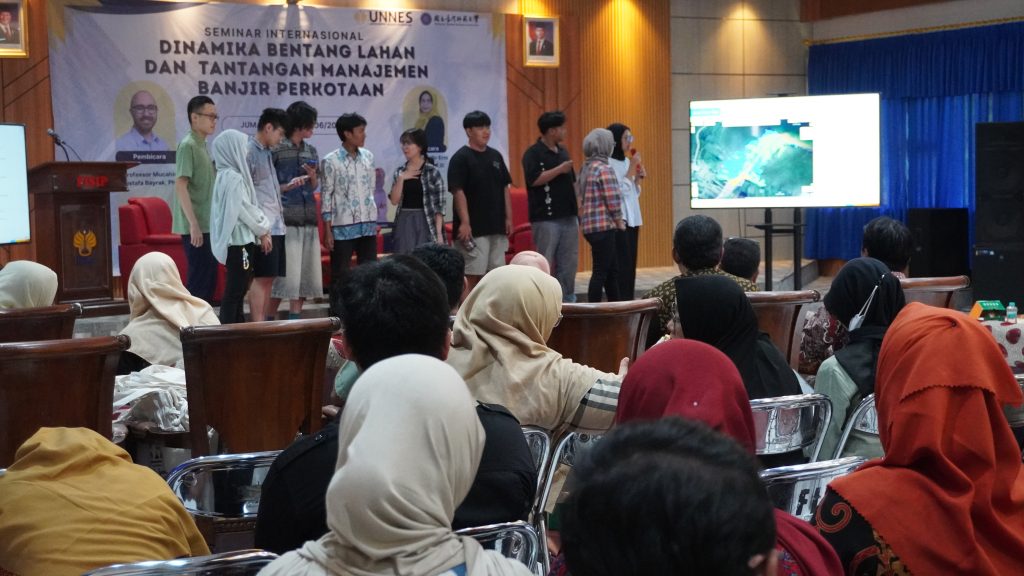
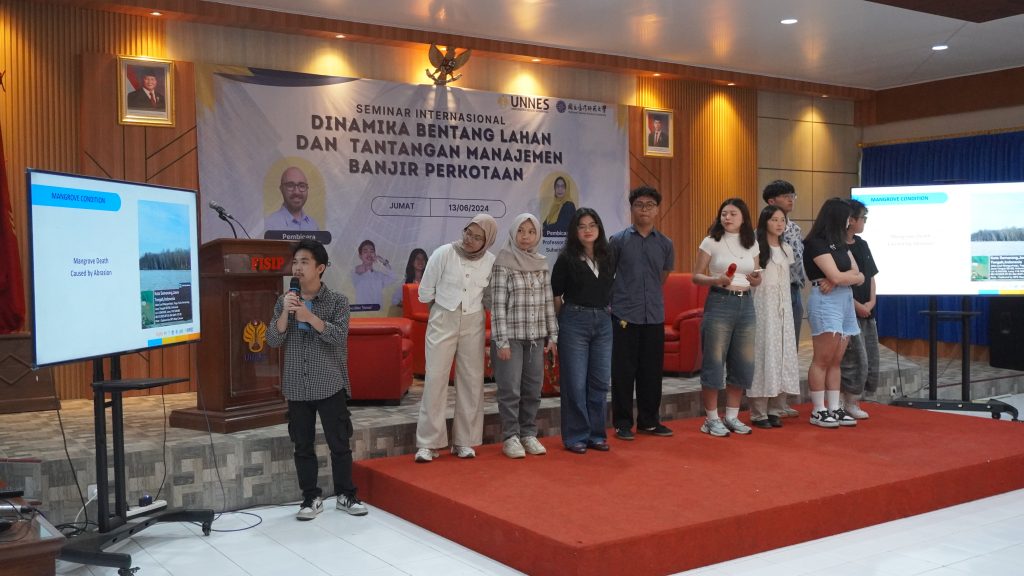
Seminar ini dibuka secara resmi oleh Dr.scient.med. Fadly Husain, M.Si., selaku Wakil Dekan I Bidang Akademik dan Kemahasiswaan FISIP UNNES. Acara menghadirkan dua narasumber ahli, yakni Prof. Mucahid Mustafa Bayrak, Ph.D. dari National Taiwan Normal University dan Prof. Dr. Erni Suharini, M.Si., yang keduanya memberikan pemaparan mendalam terkait perubahan bentang lahan, krisis iklim, dan strategi mitigasi bencana banjir di wilayah perkotaan. Selain sesi utama, seminar juga menampilkan presentasi mahasiswa yang menyampaikan hasil riset lapangan sehari sebelumnya di Desa Tambakrejo, Semarang, sebagai bentuk pembelajaran berbasis pengalaman langsung di lapangan. Kegiatan ini diharapkan mampu memperkuat pemahaman lintas perspektif serta mendorong solusi kolaboratif dalam menghadapi tantangan geografi perkotaan di era perubahan iklim global.

Prof. Mucahid Mustafa Bayrak, Ph.D. dalam paparannya membahas tantangan keberlanjutan global dengan menyoroti bagaimana Taiwan dapat menjadi contoh bagi dunia dalam menerjemahkan riset keberlanjutan menjadi aksi nyata. Dimulai dari pengertian dasar sustainable development yang menekankan pemenuhan kebutuhan saat ini tanpa mengorbankan masa depan, presentasi ini mengkritisi pendekatan pembangunan yang hanya berfokus pada pertumbuhan ekonomi semata. Tantangan utama yang diangkat adalah trade-off antara aspek sosial, lingkungan, dan ekonomi yang seringkali tidak seimbang. Selain itu, dibahas pula perlunya perubahan struktural mendalam pada sistem kapitalisme modern yang dianggap menjadi akar dari krisis ekologis dan sosial global.

Taiwan menjadi studi kasus penting karena keberhasilannya mengakui hak-hak masyarakat adat, komitmen terhadap energi terbarukan, serta dukungan terhadap gerakan akar rumput. Taiwan dianggap unik di Asia Timur karena menyediakan ruang demokratis dan kebebasan akademik yang luas untuk mengkaji praktik pembangunan berkelanjutan berbasis lokal. Pendekatan masyarakat adat terhadap lingkungan, yang bersifat holistik dan memadukan nilai-nilai spiritual, budaya, dan sosial, diangkat sebagai alternatif terhadap model pembangunan Barat yang kini tengah mengalami krisis. Presentasi ini mengajak kita untuk tidak hanya “mengelola” lingkungan, tetapi juga mengubah cara pandang dan sistem sosial secara mendasar demi masa depan yang lebih adil dan berkelanjutan.

Kegiatan ini memiliki relevansi kuat terhadap pencapaian Tujuan Pembangunan Berkelanjutan (SDGs), khususnya SDG 11 (Kota dan Permukiman yang Berkelanjutan) dan SDG 13 (Penanganan Perubahan Iklim). Dengan membahas isu-isu seperti manajemen banjir, transformasi bentang lahan, dan peran komunitas dalam adaptasi iklim, seminar ini turut mendorong dialog lintas negara dan disiplin ilmu untuk merumuskan solusi berkelanjutan bagi kota-kota masa depan. Kolaborasi akademik seperti ini mencerminkan komitmen FISIP UNNES dalam menghadirkan kontribusi nyata terhadap tantangan global melalui pendidikan, riset, dan kemitraan internasional.

seminarinternasional #geografi #ntnu #fisip #fisipunnes #unnes #unnessemarang
Related Posts

Leave a Reply

* Kode Akses Komentar:

* Tuliskan kode akses komentar diatas:

GDPR

  • Privacy Policy

Privacy Policy

At unnes.ac.id, the privacy of our visitors is of extreme importance to us. This privacy policy document outlines the types of personal information that is received and collected by unnes.ac.id and how it is used.

Log Files

Like many other Web sites, unnes.ac.id makes use of log files. The information inside the log files includes internet protocol (IP) addresses, type of browser, Internet Service Provider (ISP), date/time stamp, referring/exit pages, and number of clicks to analyze trends, administer the site, track user’s movement around the site, and gather demographic information. IP addresses and other such information are not linked to any information that is personally identifiable.

Cookies

unnes.ac.id uses cookies to store information about visitors’ preferences, to record user-specific information on which pages the site visitor accesses or visits, and to personalize or customize our web page content based upon visitors’ browser type or other information that the visitor sends via their browser.

Third-party ad servers or ad networks use technology in their respective advertisements and links that appear on unnes.ac.id and which are sent directly to your browser. They automatically receive your IP address when this occurs. Other technologies (such as cookies, JavaScript, or Web Beacons) may also be used by our site’s third-party ad networks to measure the effectiveness of their advertising campaigns and/or to personalize the advertising content that you see on the site.

unnes.ac.id has no access to or control over these cookies that are used by third-party advertisers.

You should consult the respective privacy policies of these third-party ad servers for more detailed information on their practices as well as for instructions about how to opt-out of certain practices. unnes.ac.id’s privacy policy does not apply to, and we cannot control the activities of, such other advertisers or web sites.

If you wish to disable cookies, you may do so through your individual browser options. More detailed information about cookie management with specific web browsers can be found at the browsers’ respective websites.

Consent

By using our website, you hereby consent to our privacy policy and agree to its terms.

Update

This Privacy Policy was last updated on: 2023-02-14. Should we update, amend or make any changes to our privacy policy, those changes will be posted here.

Contact Us

If you have any questions, comments, or concerns about our Privacy Policy or our practices with regards to your personal information, please feel free to contact us through the contact form on our website or by emailing us at humas[at]mail.unnes.ac.id.

This Privacy Policy is intended as a general guide to our practices in collecting and using information. If there is any inconsistency between this Privacy Policy and the terms of the Service Agreement or any other terms that may apply to specific services you use, then those specific service terms shall apply.

Terms of Use

By using our website, you agree to abide by this Privacy Policy. If you do not agree with this Privacy Policy, please do not use our website. We reserve the right to update this Privacy Policy from time to time without prior notice. Please review our Privacy Policy periodically to check for changes. Your continued use of our website following the posting of changes to this Privacy Policy means that you accept the changes.

Thank you for reading our Privacy Policy. We are committed to protecting the privacy of our website visitors and will continue to update our Privacy Policy to ensure optimal protection.