Universitas Negeri Semarang (UNNES) continues to demonstrate its commitment to democratic campus governance by formally recognizing student representative organizations and supporting their role in expressing student aspirations, developing independent initiatives, and participating in university affairs. Through its Student Executive Boards (Badan Eksekutif Mahasiswa/BEM), Student Representative Councils (Dewan Perwakilan Mahasiswa/DPM), student associations, and Student Activity Units (Unit Kegiatan Mahasiswa/UKM), UNNES provides institutional recognition for student-led organizations while maintaining opportunities for students to develop and implement their own programs.
In 2025, this commitment was reflected in updated Rector’s Decrees that recognized student organizational leadership, documented student-initiated activities, and established formal channels for student representation. These developments provide new evidence of the university’s support for student organizations beyond the administrative recognition described in previous years.
Formal Recognition of Student Organizations and Their Leadership
UNNES formally recognizes its student organizations through official institutional decisions that establish the administrative status of student organizational structures and leadership. This recognition provides a formal framework within which student organizations can undertake representative, developmental, and extracurricular activities.
On January 20, 2025, UNNES issued Rector’s Decree No. B/56/UN37/HK.02/2025, concerning coordinators, advisors, and management of student institutions, the Student Activity Unit Forum, and Student Activity Units for the 2025 period.
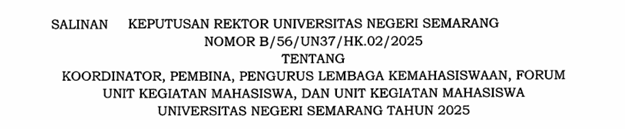
The governance framework was subsequently updated through Rector’s Decree No. T/364/UN37/HK.02/2025, concerning the management of student institutions, the Student Activity Unit Forum, and Student Activity Units in 2025. A related decision, Rector’s Decree No. T/365/UN37/HK.02/2025, further amended the earlier organizational appointments.
Together, these decisions provide documentary evidence that student organizations continued to receive formal institutional recognition during the 2025 reporting period. They also establish an administrative framework for the recognition of organizational leadership and activities.
Importantly, formal university recognition does not mean that student organizations are part of the university’s administrative leadership. Organizations such as BEM and DPM function as student representative bodies, while their initiatives, programmes, and channels for expressing student aspirations provide practical opportunities for student participation.
Exercising Student Organizational Autonomy through the 2025 FMIPA Dialogue Forum
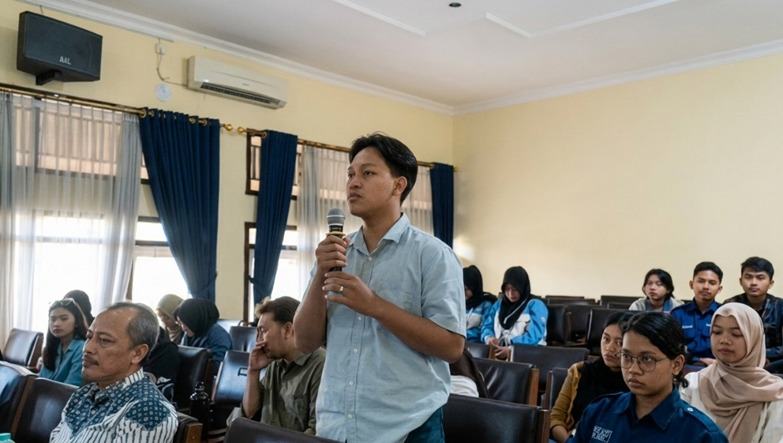
A concrete example of student-led representation took place on June 13, 2025, when the Student Executive Board (BEM) of the Faculty of Mathematics and Natural Sciences (FMIPA) initiated and organized the FMIPA Dialogue Forum (Sarasehan FMIPA 2025).
Held under the theme “Uniting Aspirations, Building Innovation, Realizing a Progressive FMIPA,” the forum brought together student representatives, faculty leaders, and administrative staff to discuss issues affecting student experiences and institutional development.
The event was initiated and technically organized by BEM FMIPA, with institutional facilitation from the faculty. This arrangement illustrates how a formally recognized student organization can initiate a programme addressing student priorities while engaging constructively with university leadership.
During the forum, students expressed their concerns and recommendations regarding academic services, learning facilities, administrative procedures, laboratory development, and student activities. Faculty leaders responded to the issues raised through an open dialogue.
Student representatives also signed and formally submitted the forum’s results, documenting the aspirations and recommendations presented to faculty leadership. This provides an example of students exercising their representative role through an initiative organized by their own student executive body.
Student-Directed Programmes and Organizational Initiatives in 2025
The role of UNNES student organizations extends beyond representation in dialogue forums. Throughout 2025, student executive bodies also implemented programmes designed to support leadership development, professional competencies, and collaboration.
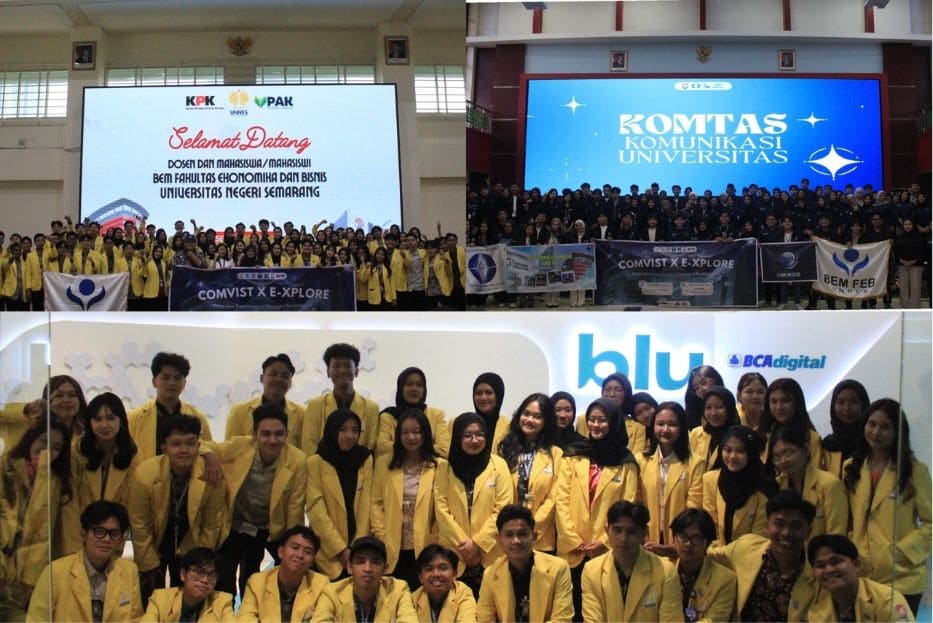
One example was the Company Visit and Comparative Study programme organized by BEM of the Faculty of Economics and Business (FEB UNNES) in September 2025. The initiative was designed by the student organization’s Department of External Affairs and involved visits to the Corruption Eradication Commission (KPK), PT Bank Digital BCA, and Telkom University.
The programme enabled students to engage with public institutions, industry representatives, and fellow student organizations. Its planning and implementation by BEM FEB demonstrate the capacity of student organizations to develop initiatives addressing their members’ educational and professional development needs.
These activities provide practical evidence that student organizations are not limited to holding formally recognized positions. They also initiate programmes, engage with external stakeholders, and represent student interests through activities developed within their organizational structures.
Maintaining Student Representative Leadership through Formal Organizational Updates
The continued recognition of student representative bodies was also demonstrated through a leadership update during 2025.
On September 18, 2025, UNNES issued Rector’s Decree No. B/927/UN37/HK.02/2025, concerning the interim dismissal and appointment of the Chairperson of the University Student Representative Council (Dewan Perwakilan Mahasiswa Keluarga Mahasiswa/DPM KM).

The decision formally documented a change in the leadership of an established student representative organization during the 2025 period. This provides evidence of the continued institutional recognition of student representation and the administrative continuity of student organizational leadership.
Although the decree documents the leadership change, the associated election or internal selection procedure would require separate supporting documentation to establish how the successor was selected.
Strengthening Institutional Support for Student Participation
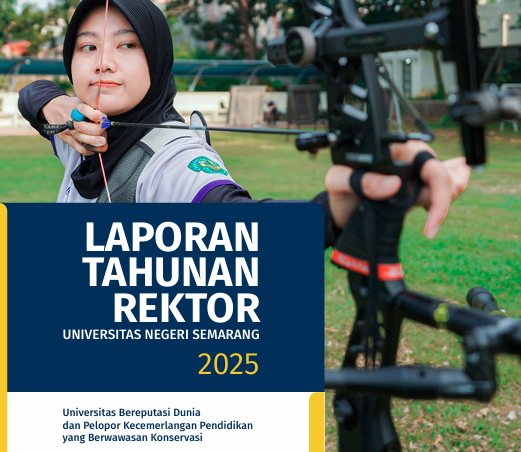
The recognition and activities of student organizations are consistent with UNNES’s broader institutional commitment to student development. The UNNES Rector’s Annual Report 2025 documents the university’s student development and organizational capacity-building initiatives, including the Student Organization Capacity Building Programme (Program Penguatan Kapasitas Organisasi Kemahasiswaan/PPK Ormawa).
Through its organizational framework, UNNES supports student participation in leadership development, community engagement, and institutional dialogue while recognizing the distinct functions of student representative bodies.
The 2025 Rector’s Decrees and documented BEM activities demonstrate two complementary aspects of this approach: formal institutional recognition of student organizations and their ability to initiate activities and communicate student interests through their own organizational channels.
By maintaining these structures and supporting student-led initiatives, UNNES continues to strengthen the conditions for student representation, participatory campus governance, and organizational development.