

Semarang, Indonesia – Universitas Negeri Semarang (UNNES) continues to demonstrate its commitment to addressing student food insecurity and hunger through university-wide food assistance programs. UNNES is implementing a program to support food security for its students by distributing 89,500 meal portions throughout 2025 with three major initiatives, namely the Blessed Friday Program, Ramadan Iftar Meal Distribution, and Eid al-Adha Qurban Meat Distribution, to improve students’ access to food and promote an inclusive and supportive campus environment.
JUMAT BERKAH UNNES Program: Providing Regular Free Meals for Students
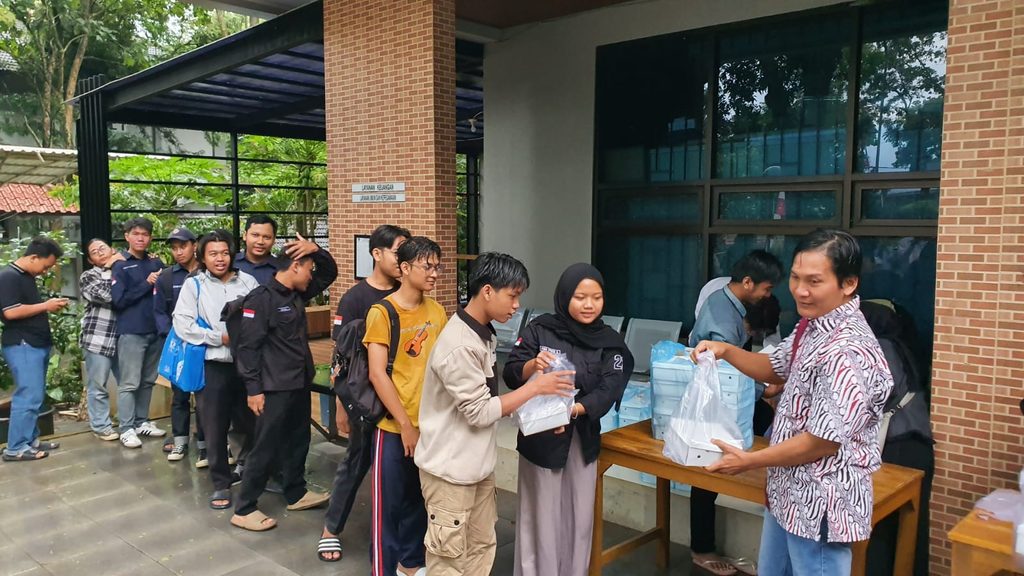
The Blessed Friday Program serves as a regular food assistance initiative coordinated by 10 faculty-level units across UNNES. Through this program, the university distributed approximately 84,000 free meal portions in 2025, with an average of 175 portions provided weekly. Meals are made available every Friday starting at 7:30 AM in the lobbies of faculty deans’ offices, ensuring that students can conveniently access food assistance within their academic environment. This recurring initiative represents a practical institutional effort to reduce students’ daily food expenses and support their well-being
Ramadan Iftar Program: Supporting Students During the Fasting Month
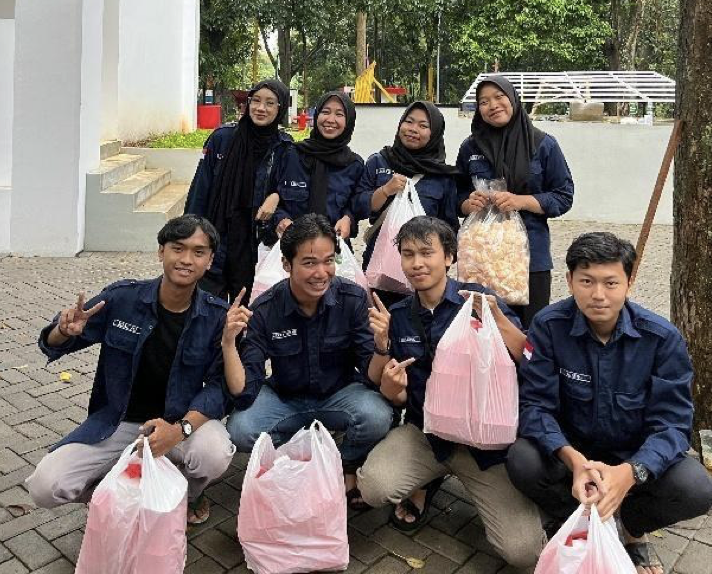
During the holy month of Ramadan, UNNES further strengthened its food assistance efforts through the Ramadan Iftar Meal Distribution Program, organized by the UNNES Mosque Committee. The program provided 4,500 free iftar meal portions, averaging 150 portions daily over 30 days. Students could access these meals through coordination with the mosque committee, ensuring continued food support during the fasting period.
Eid al-Adha Qurban Distribution: Expanding Student Food Assistance
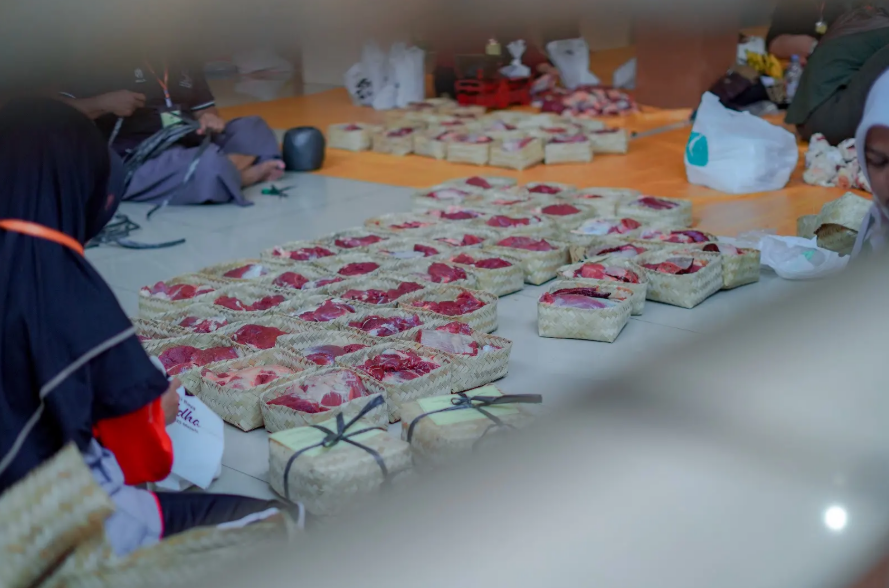
UNNES also organized the Eid al-Adha Qurban Meat Distribution Program in 2025, allocating 1,000 packages of sacrificial meat specifically to students, representing 50% of the total packages distributed. Managed by the UNNES Eid al-Adha Committee, this initiative provided additional food assistance while promoting social solidarity and a culture of sharing within the university community.
Zero Hunger Through Campus Food Assistance
Together, these three initiatives delivered 88,500 prepared meal portions and 1,000 meat packages during 2025. Their implementation reflects UNNES’s institutional commitment to providing accessible food assistance through regular weekly activities, religious celebrations, and community-based initiatives.
By integrating food assistance into its campus welfare activities, UNNES contributes to Sustainable Development Goal 2 (Zero Hunger), particularly efforts to improve food accessibility and support the nutritional well-being of students. These programs reinforce the university’s commitment to an inclusive educational environment in which students’ basic needs are recognized as an important foundation for academic participation and success.
