Outreach programmes in 2025 equipped residents, teachers, schoolchildren and community groups with practical knowledge and skills to address local challenges.
SEMARANG, Indonesia — Universitas Negeri Semarang (UNNES) extended education beyond campus in 2025 through community programmes covering disaster preparedness, biodiversity conservation, ecotourism and household waste management.
Implemented by university teams in Semarang and villages around Mount Ungaran, the programmes combined educational sessions with practical training, simulations, mentoring and technology introduction. Participants included local residents, teachers, school students, women and community groups.
The activities connected university expertise with learning needs in schools, households and villages, enabling participants to practise skills relevant to their daily lives.
Disaster Education for Schools and Residents in Tambakrejo
In Tambakrejo, Gayamsari, Semarang, a team from UNNES’s Faculty of Mathematics and Natural Sciences, led by Prof. Nana Kariada Tri Martuti, implemented a community-empowerment programme addressing local vulnerability to flooding and fire.
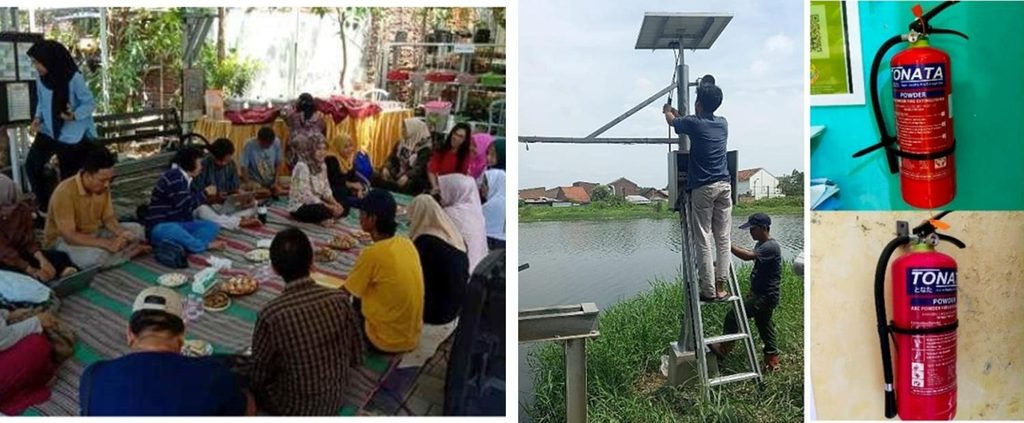
The programme combined participatory disaster-risk mapping with the establishment of a Disaster-Safe Education Unit (Satuan Pendidikan Aman Bencana/SPAB) at SD Negeri Tambakrejo 3. Teachers, students and residents participated in disaster education and preparedness activities to strengthen their understanding of emergency responses.
Activities included the formation of a School Disaster Response Team, a fire-emergency simulation, and the identification of evacuation routes and assembly points. First-aid and fire-safety facilities supported the practical application of the training.
The programme also introduced a Flood Early Warning System using ultrasonic sensors and solar energy, connecting disaster education with technology intended to support local preparedness.
Through training and simulation, participants learned how to respond to emergencies and coordinate action within the school and surrounding community. The programme linked public education with efforts to protect residents and maintain educational activities in a disaster-prone area.
Conservation Learning in Villages around Mount Ungaran
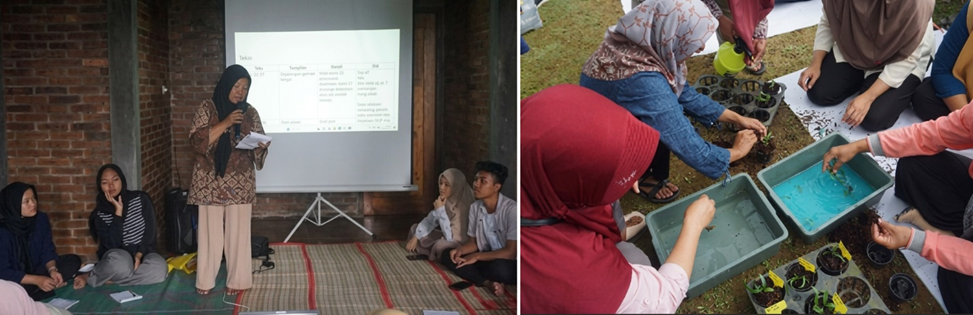
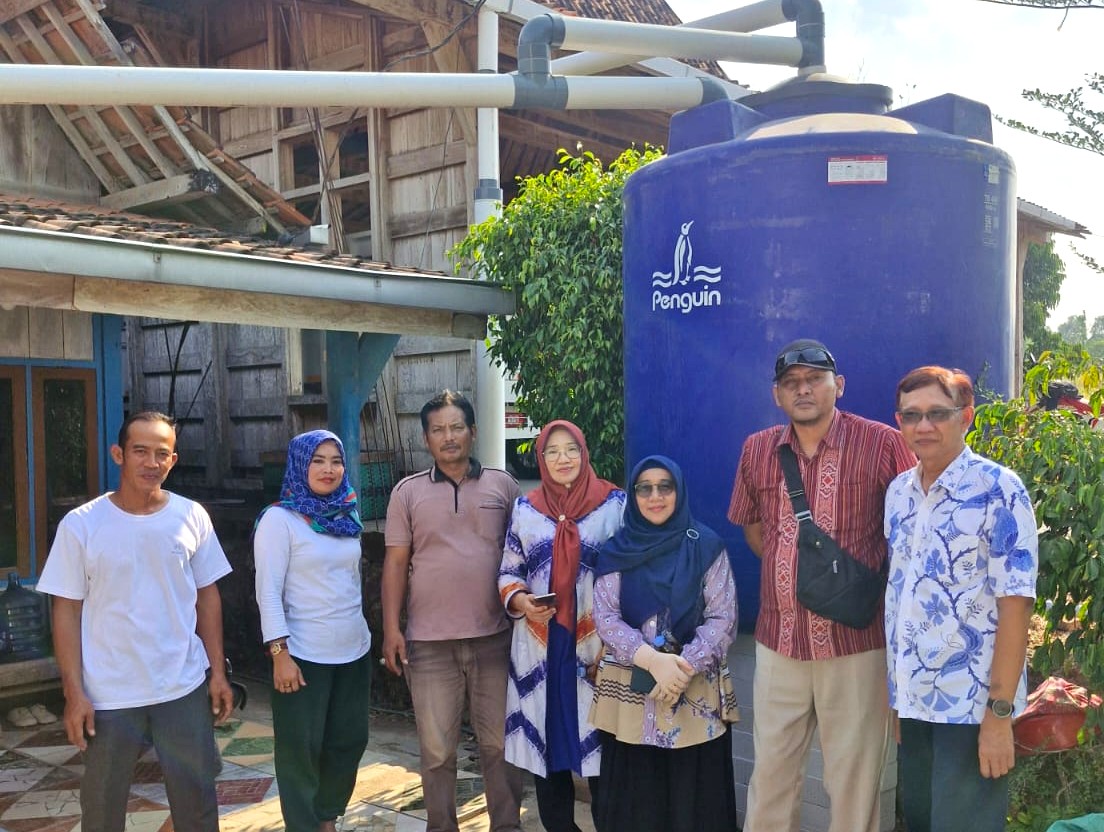
In villages on the slopes of Mount Ungaran, Kendal Regency, FMIPA UNNES worked with village governments, the Central Java Natural Resources Conservation Agency (BKSDA), community groups and student organisations to deliver conservation education and support community-based ecotourism.
A public learning session in Peron Village on 23 September 2025 introduced residents to locally rare flora and fauna, the causes of population decline and practices that help protect wildlife.
The programme also addressed watershed conservation, tree planting and community capacity building through conservation and disaster-mitigation training. These activities connected biodiversity knowledge with practical responsibilities in managing the surrounding environment.
Residents participated as learners and local partners, bringing community experience into discussions about conservation and village development.
Orchid Conservation and Ecotourism Skills in Ngesrepbalong
In Ngesrepbalong Village, the “Rumat Anggrek” programme, funded by LPPM UNNES in 2025, developed an educational orchid cultivation and conservation unit based on tissue culture.
Community members received training and mentoring in tissue culture, forest-orchid conservation, ecotourism, guiding, marketing and tourism-package economics.
The programme brought together conservation knowledge and livelihood skills. Participants learned about orchid cultivation and protection while exploring how educational tourism could support local economic activity.
By combining technical training with mentoring, UNNES supported learning that communities could apply to conservation work and the development of village tourism services.
Women in Pakintelan Learn to Reuse Cooking Oil
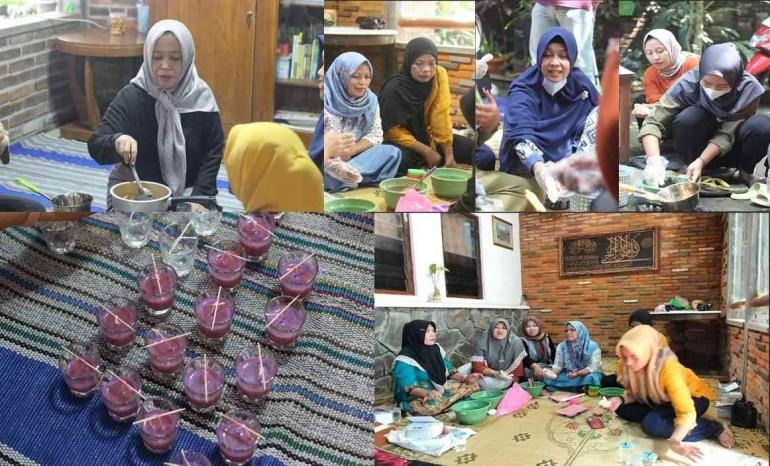
UNNES also delivered household environmental education through the “Minyak Jelantah Jadi Berkah” programme in RW 05 Pakintelan, Gunungpati, Semarang, on 25 May 2025.
Approximately 30 local women joined training on preparing used cooking oil and converting it into useful products, including dishwashing soap, aromatherapy candles and briquettes.
Participants practised production methods under UNNES guidance and were encouraged to continue applying the skills independently. The activity combined information about household waste with practical demonstrations and product-making experience.
The training aimed to encourage more responsible handling of used cooking oil, reduce the risk of pollution from improper disposal and introduce potential opportunities for household income.
Bringing University Knowledge into Community Life
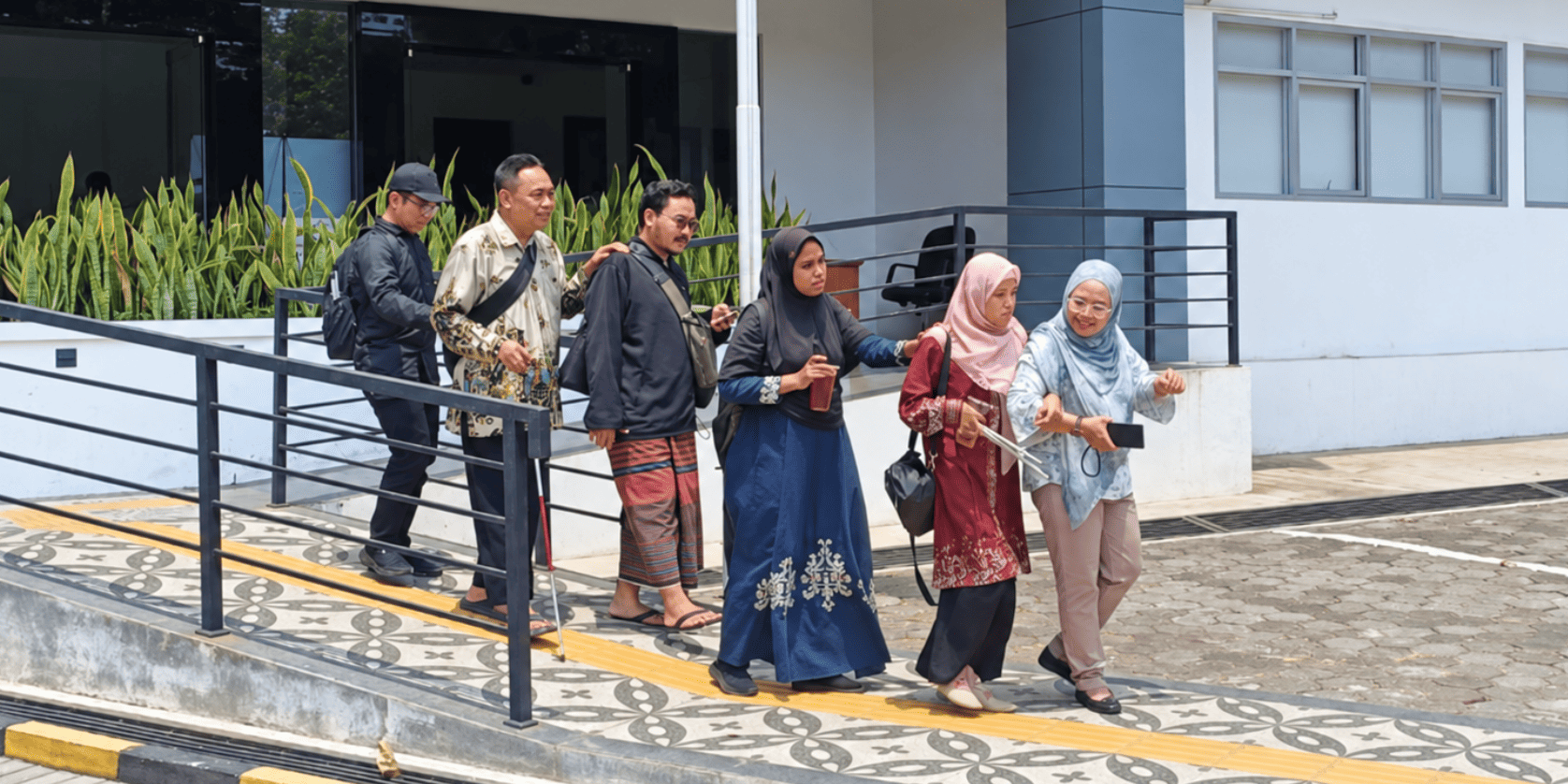
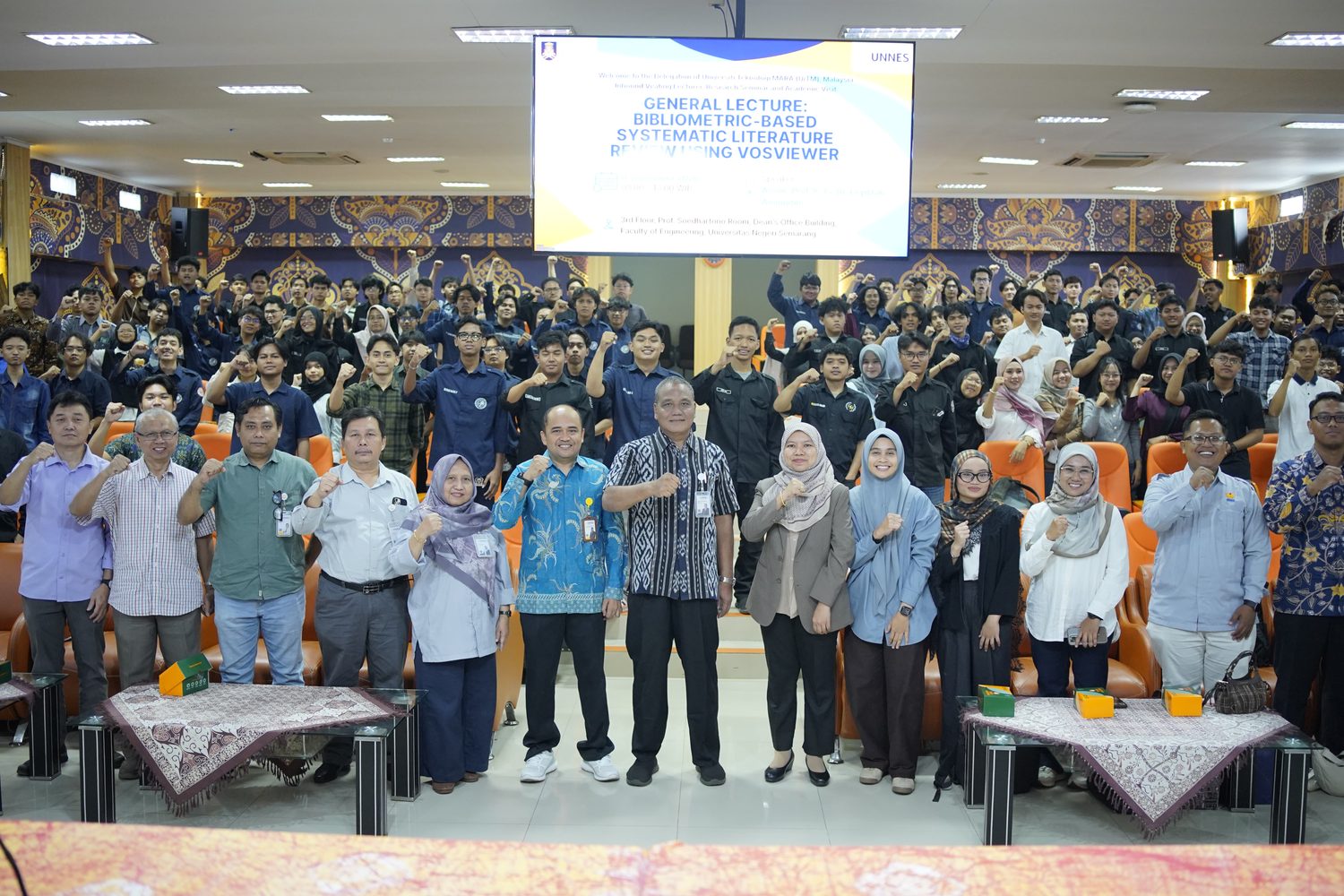
These programmes demonstrate UNNES’s provision of dedicated educational outreach for people outside the university. Each addressed identifiable community needs through explanation, practical exercises, simulation, mentoring or technology introduction.
Cooperation with schools, village governments, conservation agencies and community groups helped connect learning with local conditions. Participants gained opportunities to apply knowledge to emergency preparedness, environmental protection, household practices and village livelihoods.
Through these activities, UNNES brought education into the places where communities live, learn and work, supporting practical responses to challenges beyond campus.