Universitas Negeri Semarang (UNNES) contributes to evidence-based policymaking by providing academic expertise, scientific evidence, and professional recommendations to government institutions at local, regional, and national levels. Through the involvement of its lecturers and researchers in government advisory and consulting activities, UNNES helps translate academic knowledge into practical policy recommendations that address regional development challenges.
In 2025, this contribution was demonstrated through the involvement of Environmental Science lecturers from the Faculty of Mathematics and Natural Sciences (FMIPA) in two local government policy initiatives: the preparation of a Regional Regulation on Waste Management for Karanganyar Regency and the development of a Regional Climate Change Adaptation Action Plan for Surakarta City. These initiatives illustrate how UNNES provides specialized expertise to support government planning, environmental governance, and sustainable regional development.
Providing Expert Recommendations for Karanganyar Regency’s Waste Management Policy
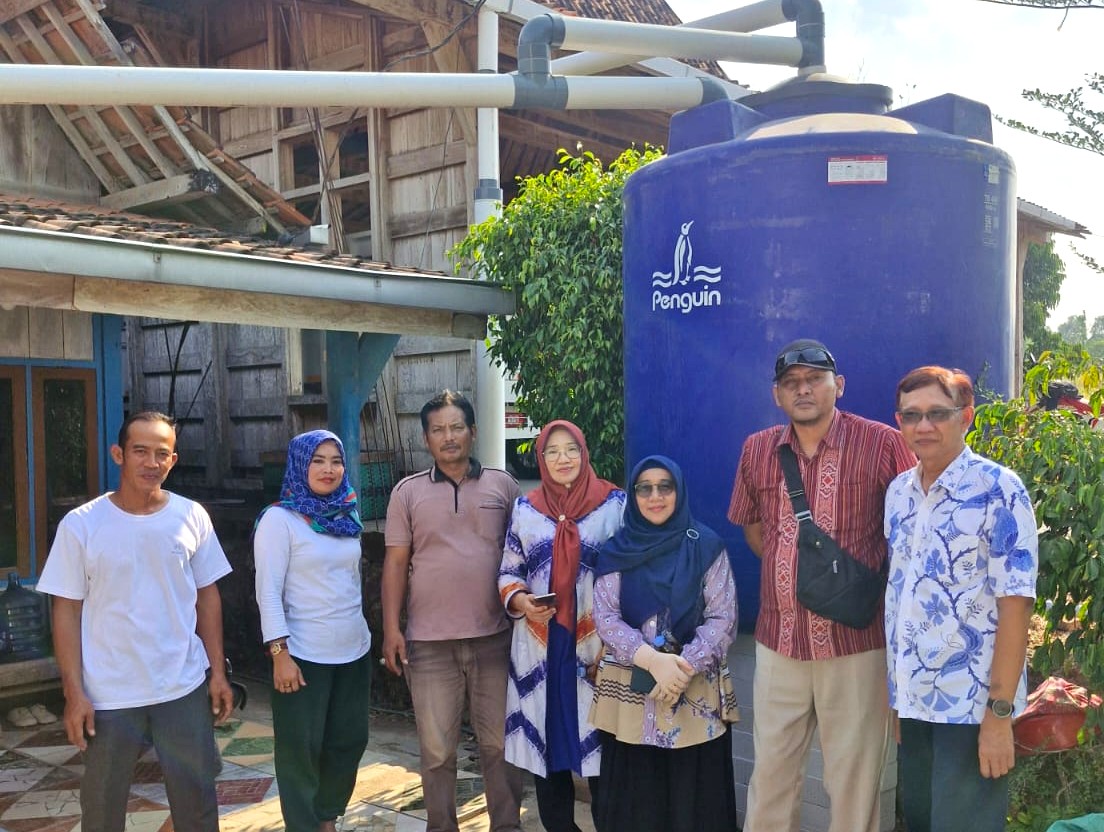
UNNES contributed academic and technical expertise to the preparation of the 2025 Regional Regulation on Waste Management in Karanganyar Regency through the involvement of Abdul Jabbar, M.Ling., a lecturer in the Environmental Science Study Programme at FMIPA UNNES. He served as a member of the consulting team supporting the Karanganyar Regency Environmental Agency (Dinas Lingkungan Hidup/DLH).
His expertise in environmental science informed recommendations for strengthening regional waste governance, particularly regarding waste reduction, waste handling, and stakeholder participation. These inputs supported the development of a more integrated and sustainable regulatory framework for managing waste at the regency level.
The proposed regulation provides a policy basis for the local government to improve waste management practices, strengthen institutional responsibilities, and encourage greater public participation in reducing waste generation and improving waste handling.
Through this engagement, UNNES provided specialized academic input to a local government agency responsible for environmental management, demonstrating the direct application of university expertise in regional policy formulation.
Supporting Surakarta City’s Regional Climate Change Adaptation Action Plan
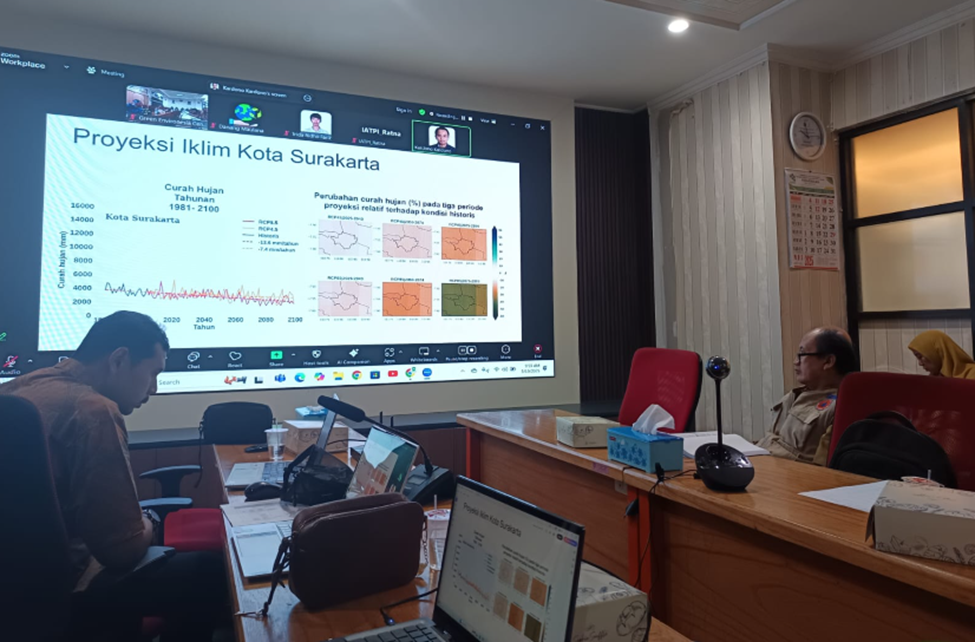
Another example of UNNES’s contribution to government policymaking in 2025 was the involvement of Trida Ridho Fariz, M.Sc., an Environmental Science lecturer at FMIPA UNNES, in the consulting team supporting the Surakarta City Regional Development Planning Agency (Badan Perencanaan Pembangunan Daerah/BAPPEDA) in preparing the Regional Climate Change Adaptation Action Plan.
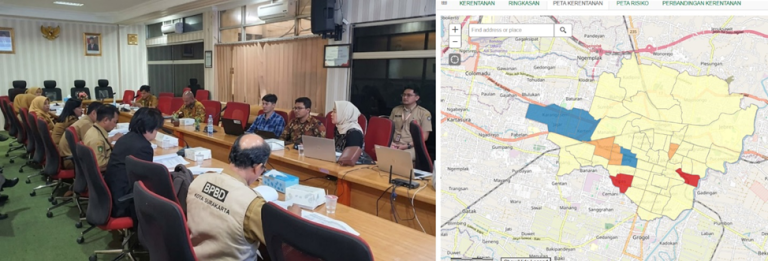
His academic expertise supported the identification and assessment of climate-related risks, regional vulnerabilities, and local adaptation needs. These considerations were important in translating Indonesia’s national climate adaptation commitments, including the National Adaptation Plan (NAP) and Paris Agreement objectives, into more specific actions suited to Surakarta City’s conditions.
The resulting planning document provides a framework for the local government to identify adaptation priorities, develop appropriate interventions, and strengthen the resilience of communities and urban areas against climate change impacts.
Through this engagement, UNNES contributed scientific and technical recommendations to a regional government planning agency, ensuring that local climate adaptation planning could draw upon relevant environmental research and academic expertise.
Advancing Evidence-Based Policymaking through Academic Expertise
Through the involvement of its academics in regional policy formulation, UNNES demonstrates how university expertise can directly support local government decision-making.
The 2025 contributions to Karanganyar Regency’s waste management regulation and Surakarta City’s climate adaptation action plan illustrate the university’s role in providing scientific evidence, technical recommendations, and professional expertise to government institutions. These collaborations connect academic research with regional development priorities and support the formulation of more informed, responsive, and sustainable public policies.
UNNES’s broader contribution to policymaking is also reflected in its earlier involvement in national legal reform. Prof. R. Benny Riyanto, a UNNES legal expert, participated in public discussions on the Draft Criminal Code (RUU KUHP) in collaboration with the Ministry of Communication and Informatics, providing academic perspectives on national criminal law reform. Together, these engagements demonstrate UNNES’s continuing contribution to evidence-based policymaking at both regional and national levels, supporting SDG 16, particularly through institutional collaboration, policy expertise, and accountable public decision-making.