Campus clinical services, peer education, menstrual-health support, and specialist learning activities connect students with reproductive-health information and care.
SEMARANG, Indonesia — Universitas Negeri Semarang (UNNES) provides students with access to reproductive-health consultations, examinations, information, and education through its Health Service Center (PUSLAKES). During 2025, these clinical services were complemented by student-led campaigns and educational programmes addressing menstrual health, reproductive-health awareness, sexual-violence prevention, and women’s health.
Campus Reproductive-Health Services through PUSLAKES
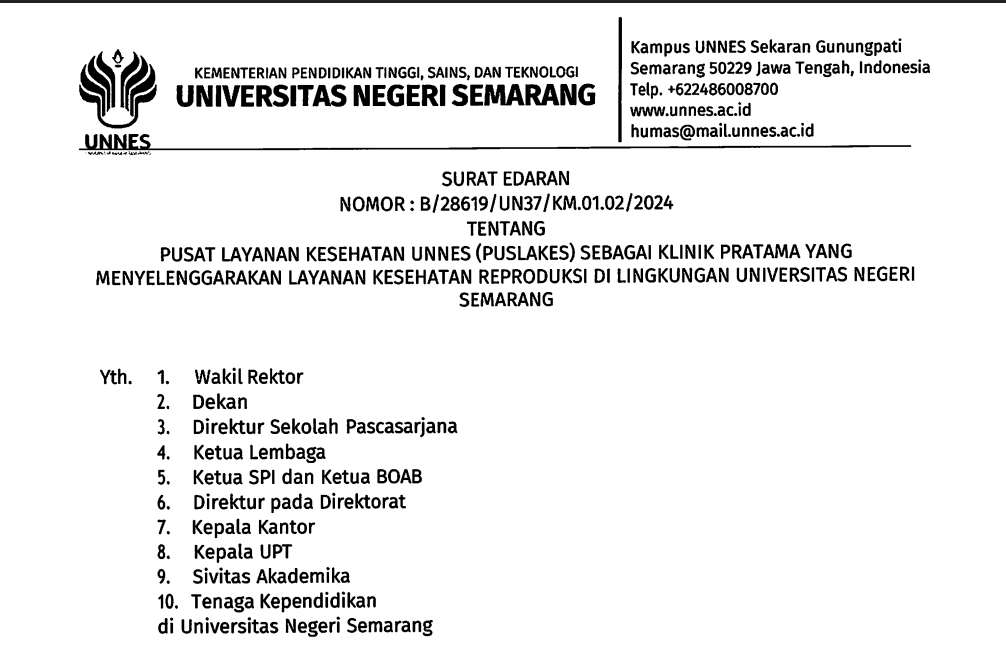
The institutional basis is Circular Letter No. B/28619/UN37/KM.01.02/2024, which identifies PUSLAKES as a primary clinic providing reproductive-health services within UNNES. The circular establishes a formal university commitment to making reproductive-health care available on campus.
PUSLAKES offers health promotion, prevention, consultations, examinations, and reproductive-health education. Students can seek professional guidance and discuss their health concerns within a clinical setting. Services are fee-based, described by UNNES as affordable, and accept insurance including BPJS Kesehatan, subject to applicable coverage and service requirements.
Peer Education and Reproductive-Health Training
The UNNES Sex Care Community (UseCC) complements clinical services through peer education, discussions, awareness campaigns, and digital communication. Its activities create opportunities for students to learn about reproductive health and engage with relevant issues within their campus organisations.
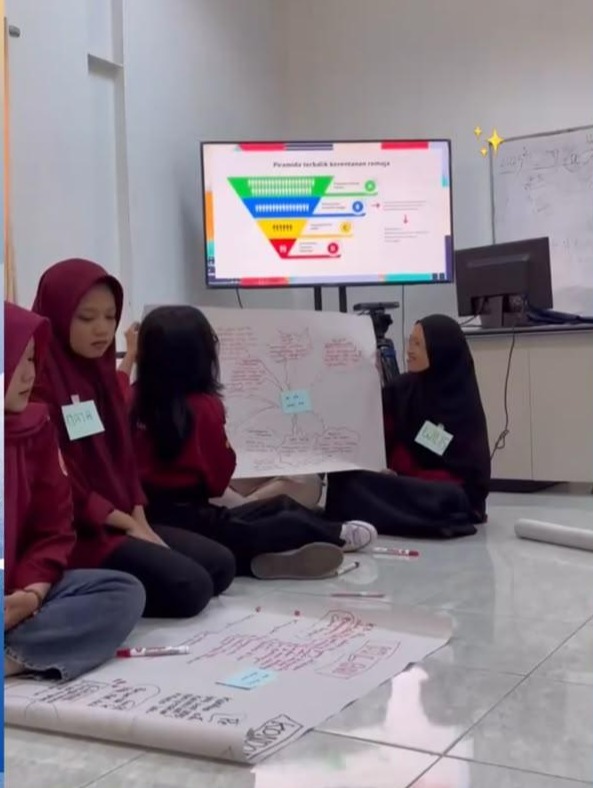
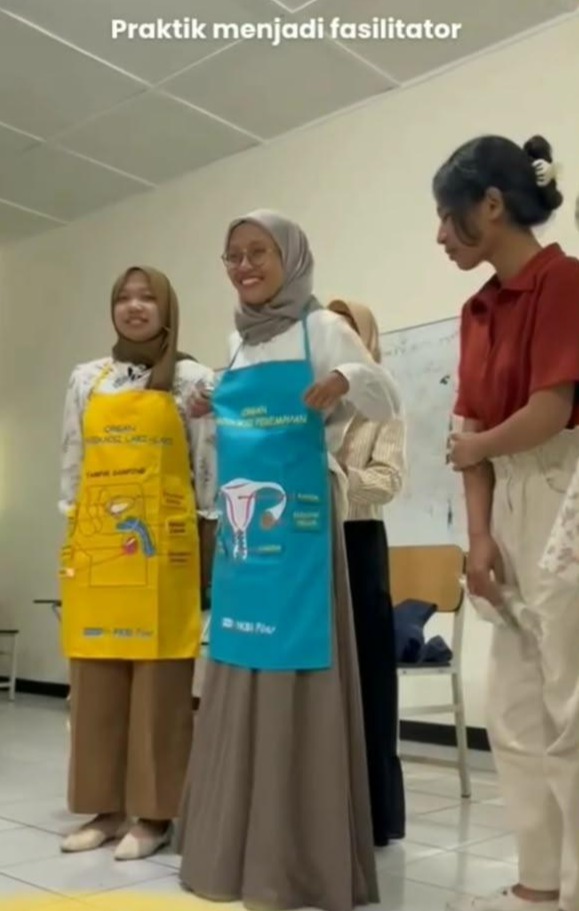
On 10 May 2025, UseCC held reproductive-health training under the theme “Merangkai Pilar Kesehatan Reproduksi, Bersama USECC Kita Beraksi” (“Building the Foundations of Reproductive Health: Taking Action Together with UseCC”).
Featuring a speaker from Pilar PKBI Central Java, the programme explored reproductive-health issues and supported students’ access to information through engagement with an organisation working in this field.
Menstrual-Health Support across Faculties
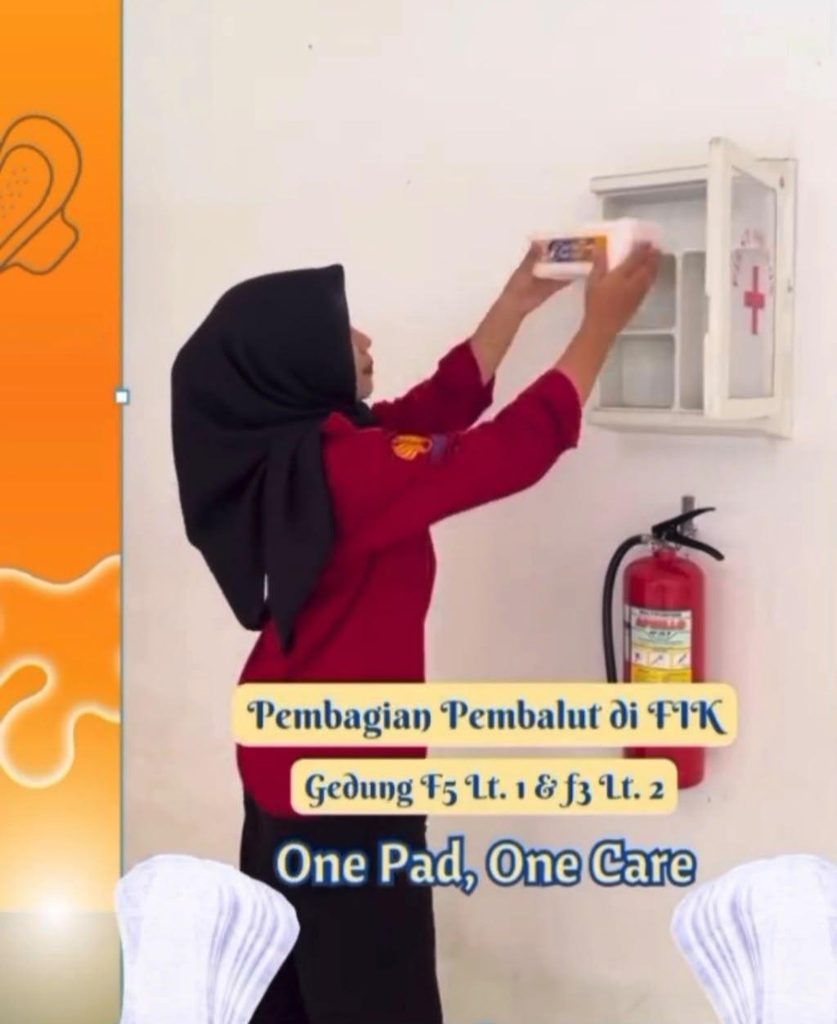
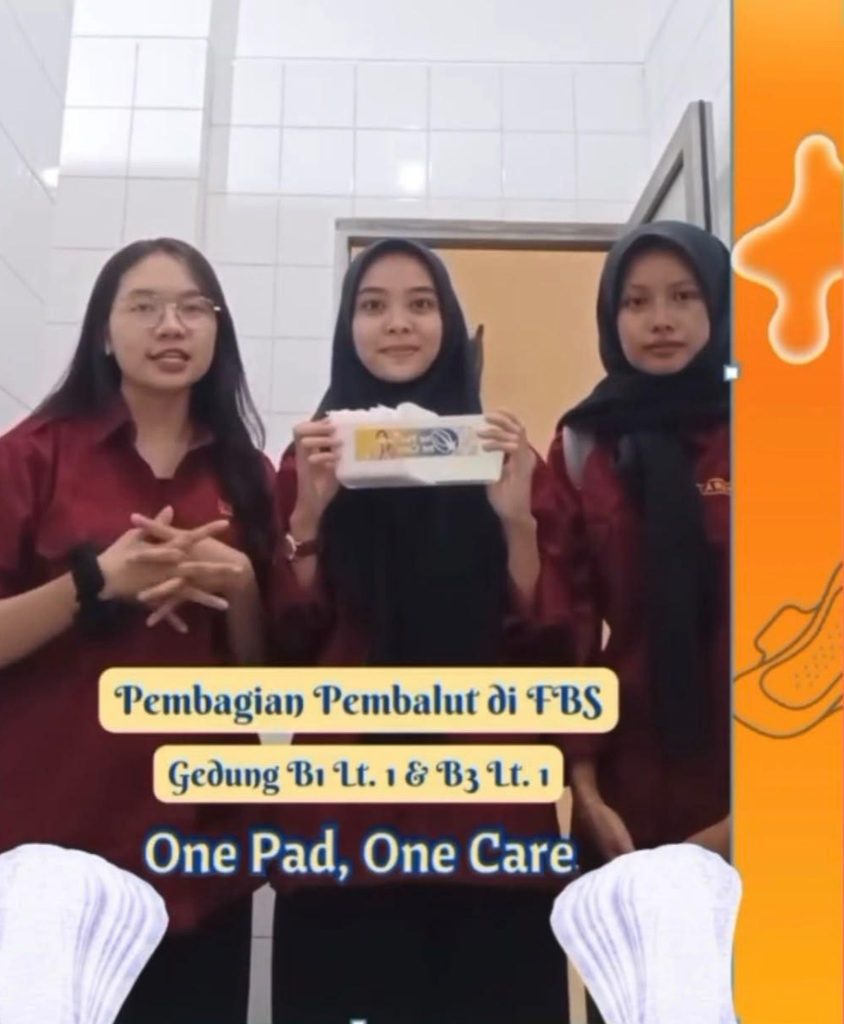
Through the One Pad One CaRE campaign on 15–17 May 2025, UseCC distributed essential care items, including sanitary pads, across faculties. The campaign combined awareness activities with practical support for women’s hygiene and well-being.
By bringing menstrual-health support into faculty settings, the programme connected student participation with everyday health needs. It complemented reproductive-health education through the provision of useful care supplies.
Strengthening Student Participation in Sexual-Violence Prevention
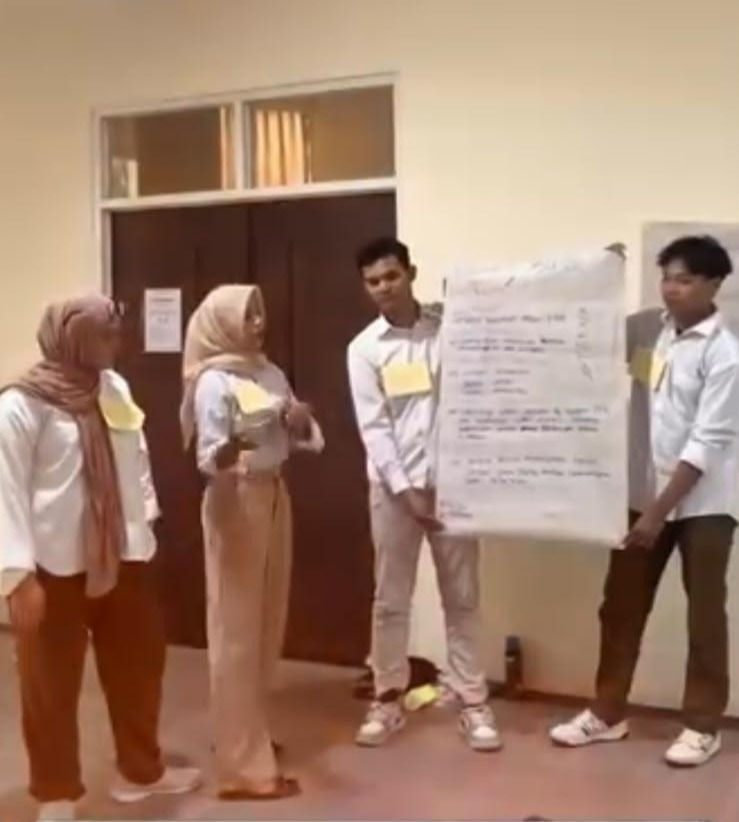
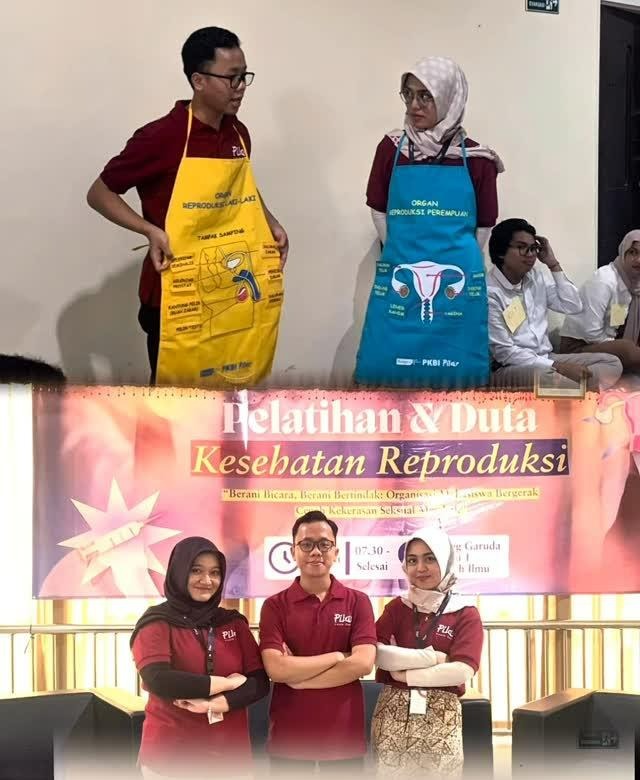
On 14 June 2025, UseCC organised the 2025 Reproductive Health Training and Ambassador programme under the theme “Berani Bicara, Berani Bertindak: Organisasi Mahasiswa Bergerak Cegah Kekerasan Seksual Merebak” (“Dare to Speak, Dare to Act: Student Organisations Mobilise to Prevent Sexual Violence”).
The programme featured Farah Putri, Ayu Istiada, and representatives from Pilar PKBI. It aimed to strengthen the capacity of UNNES student organisations to participate in sexual-violence prevention.
The activity connected reproductive-health education with awareness of personal safety and the role of student organisations in promoting a supportive campus environment.
Online Education on PCOS, Nutrition, and Lifestyle
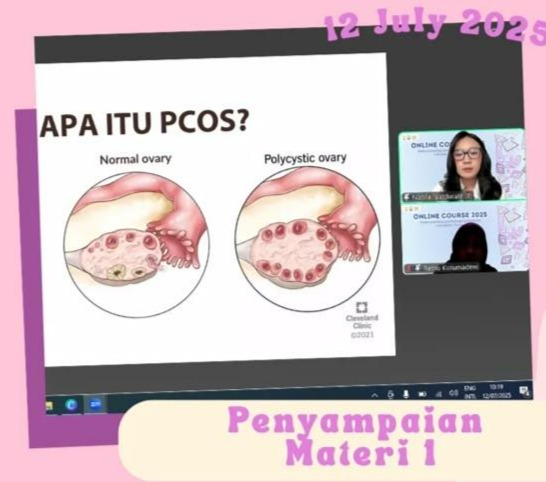
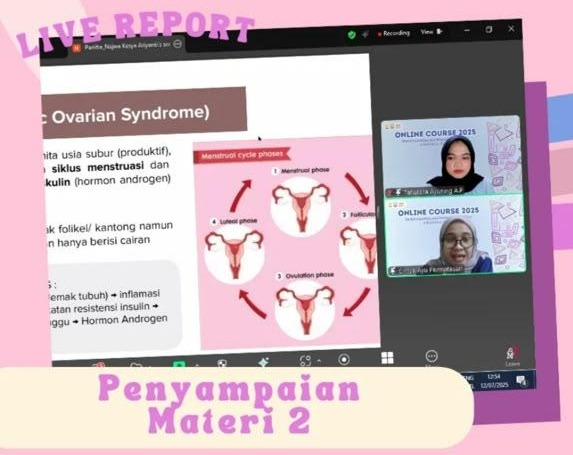
UNNES expanded its educational activities through the online course “Understanding and Managing PCOS for a Healthier Future,” held on 12 July 2025 via Zoom.
Speakers Nabila Prasisti, S.Gz., RD, and Cintya Ayu P., S.Gz., RD, addressed nutrition and lifestyle topics related to polycystic ovary syndrome (PCOS). The sessions covered “The Role of Healthy Lifestyle and Nutrition in Managing PCOS” and “Hormone-Friendly Kitchen Hacks: PCOS Cooking for Busy Gen Z.”
The course provided an online opportunity to learn about reproductive health through topics relevant to young adults’ daily lives. Its educational role complemented individual consultation and assessment available through clinical services.
Women’s Health Awareness and Early Detection
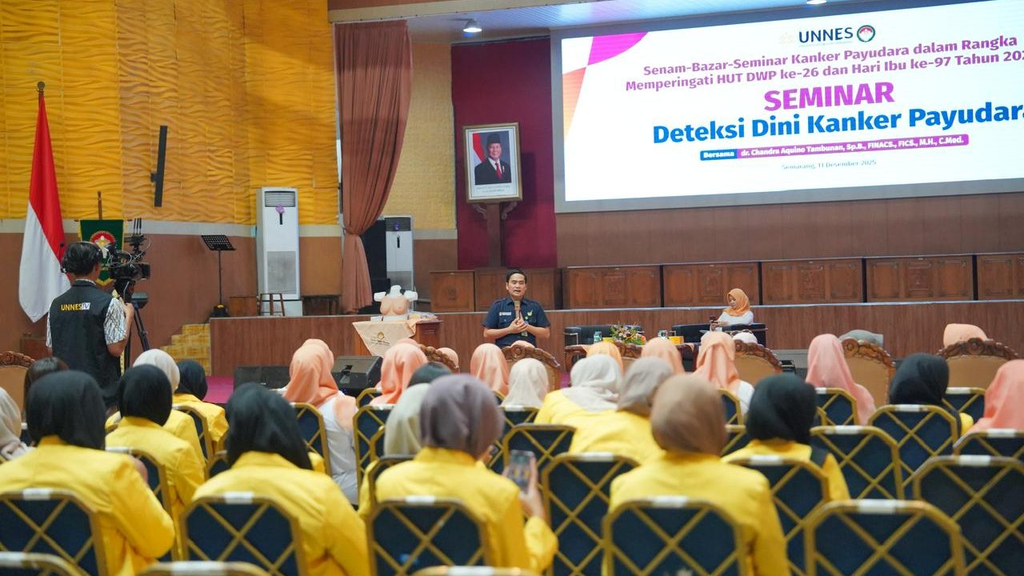
The Faculty of Languages and Arts (FBS) contributed to broader women’s-health education through a seminar held at the UNNES Auditorium on 19 December 2025.
Entitled “Perempuan Sehat, Keluarga Kuat: Deteksi Dini Kanker Payudara sebagai Langkah Perlindungan Diri” (“Healthy Women, Strong Families: Early Detection of Breast Cancer as Self-Protection”), the seminar addressed breast-health awareness and early detection.
Participants received information about breast self-examination (SADARI) and clinical breast examination (SADANIS). The documented activity focused on education about these approaches, extending the university’s provision of women’s-health information.
Connecting Clinical Care with Student Education
UNNES supports student access through complementary forms of provision. PUSLAKES offers professional reproductive-health services, while UseCC and faculty programmes provide information, peer education, menstrual-health support, and awareness activities.
This combination gives students opportunities to learn about reproductive health, discuss relevant concerns, and seek appropriate clinical guidance. It connects the university’s institutional commitment with services and educational activities available within the campus community.