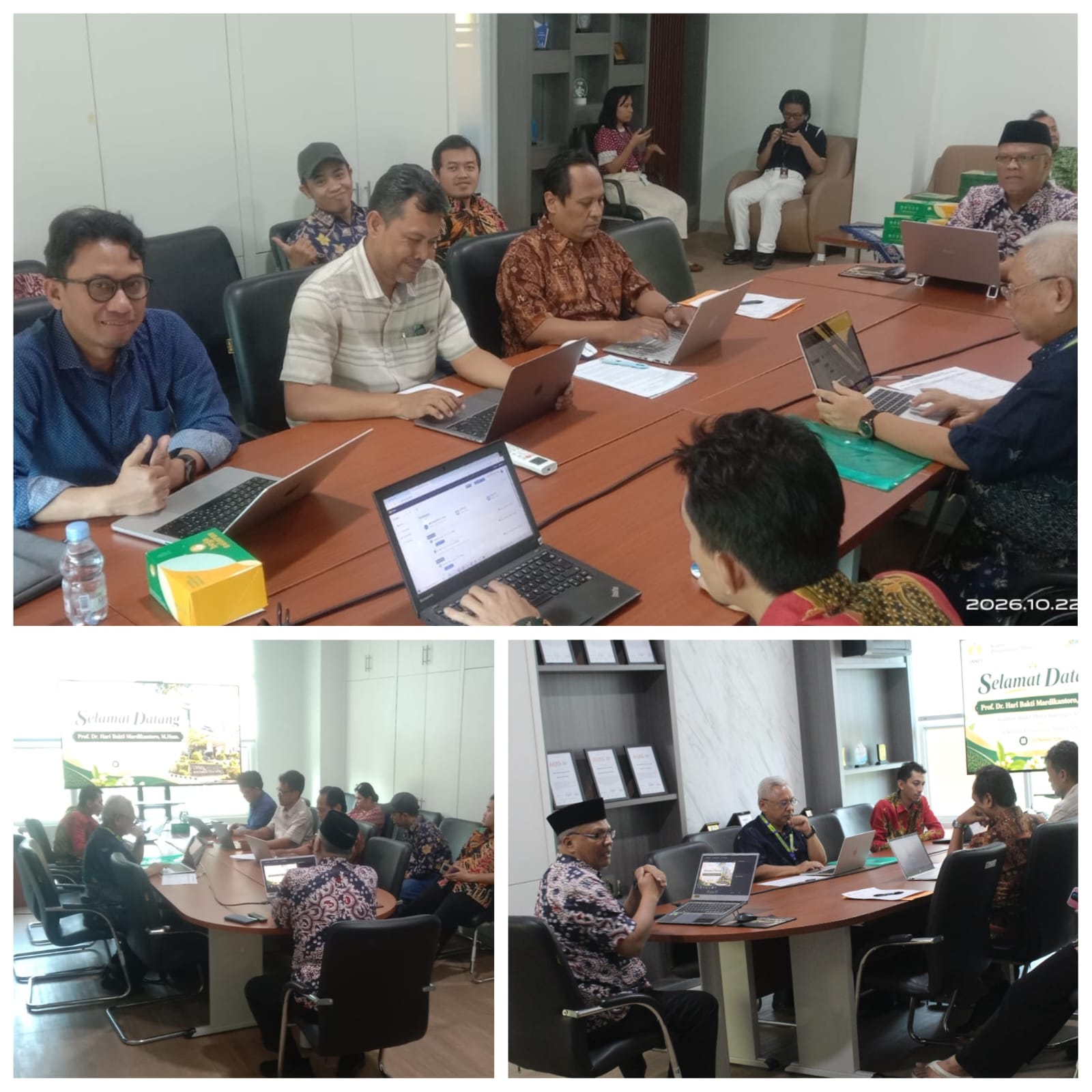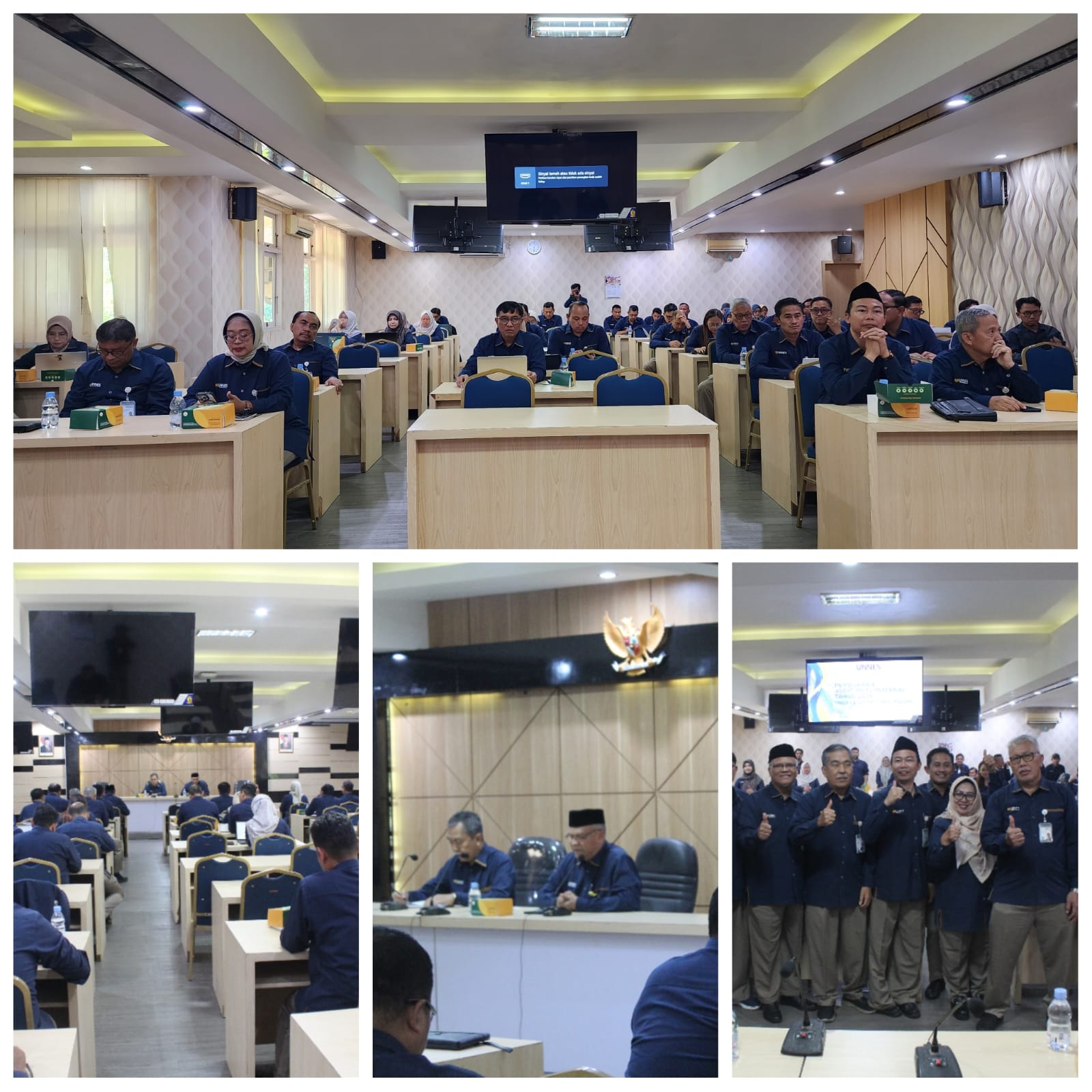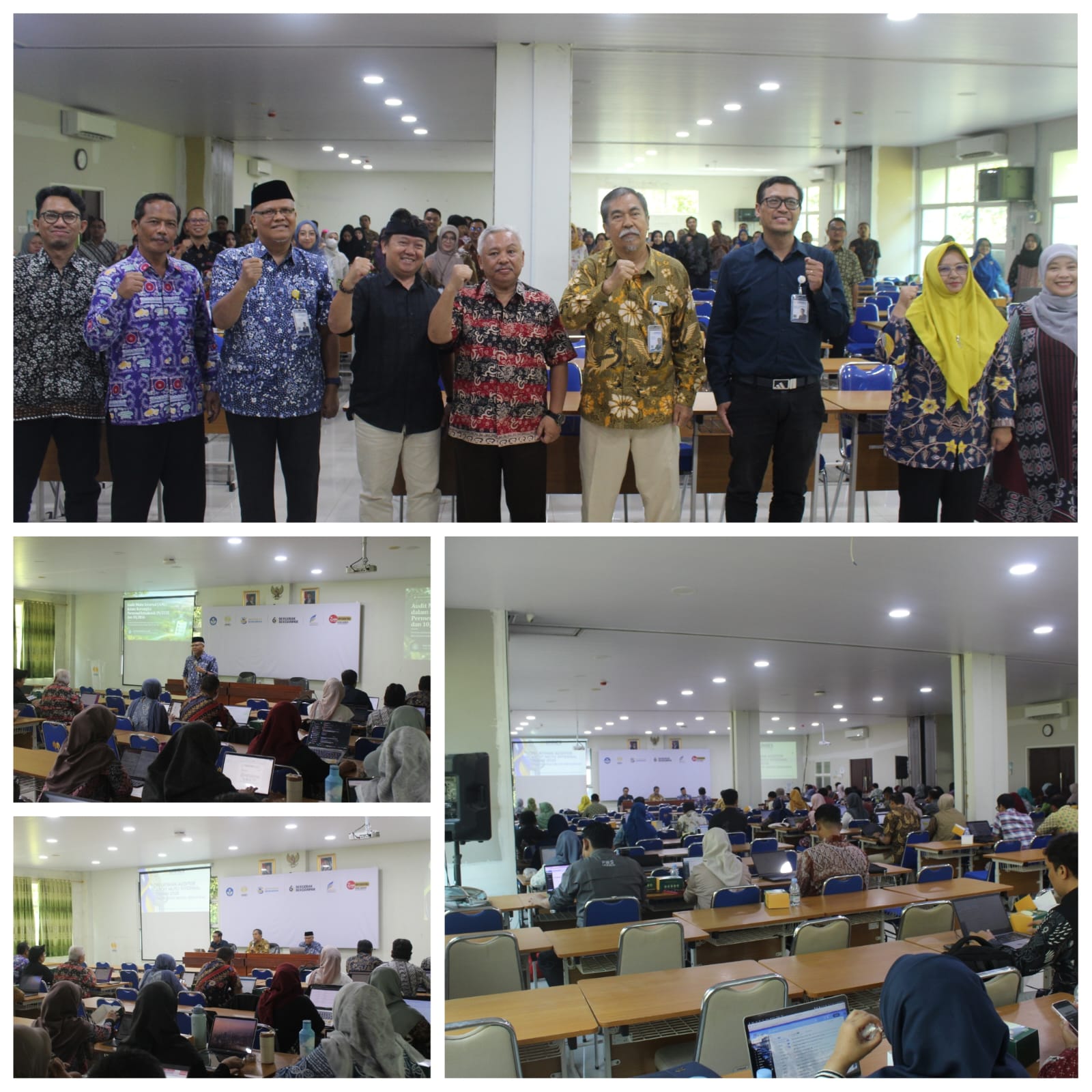




Semarang, 29 July 2026 – Universitas Negeri Semarang (UNNES), through its Quality Assurance Office (QAO), officially launched the 2026 Internal Quality Audit (IQA). The activity marks the beginning of a comprehensive quality assurance process aimed at ensuring the effective implementation of the Internal Quality Assurance System (IQAS) while fostering continuous improvement in the quality of the university’s academic and non-academic performance.
The opening ceremony was attended by participants representing various leadership and quality assurance units across the university, including Vice Deans for Academic Affairs, the Vice Director for Academic Affairs of the Graduate School, Coordinators of the Quality Assurance Units (GPM) at the faculty/school and institutional levels, as well as Heads of Study Programs at the Diploma (D3), Undergraduate (S1), Master’s (S2), and Doctoral (S3) levels. Their participation reflects the university’s collective commitment to strengthening a sustainable culture of quality throughout all academic units.
In his opening remarks, the university leadership emphasized that the Internal Quality Audit is not merely an evaluation of compliance with quality standards, but also serves as a strategic instrument for reflection and continuous improvement. Through an objective and evidence-based audit process, each study program and supporting unit is expected to identify best practices, recognize areas requiring improvement, and formulate appropriate follow-up actions to enhance institutional performance.
The Head of the Quality Assurance Office explained that the 2026 IQA will uphold the principles of objectivity, transparency, and continuous development. Auditors and auditees are encouraged to engage in constructive communication throughout the audit process so that the results provide not only findings but also strategic recommendations for improving academic quality and institutional governance.
Through the implementation of the 2026 Internal Quality Audit, UNNES continues to strengthen its quality assurance practices as a foundation for enhancing excellence in education, research, community engagement, and institutional governance. The audit results are expected to serve as valuable input for continuous quality improvement initiatives, supporting the university’s efforts to meet both national and international quality standards while advancing its vision of becoming a globally reputable university.