

Related to SDGs
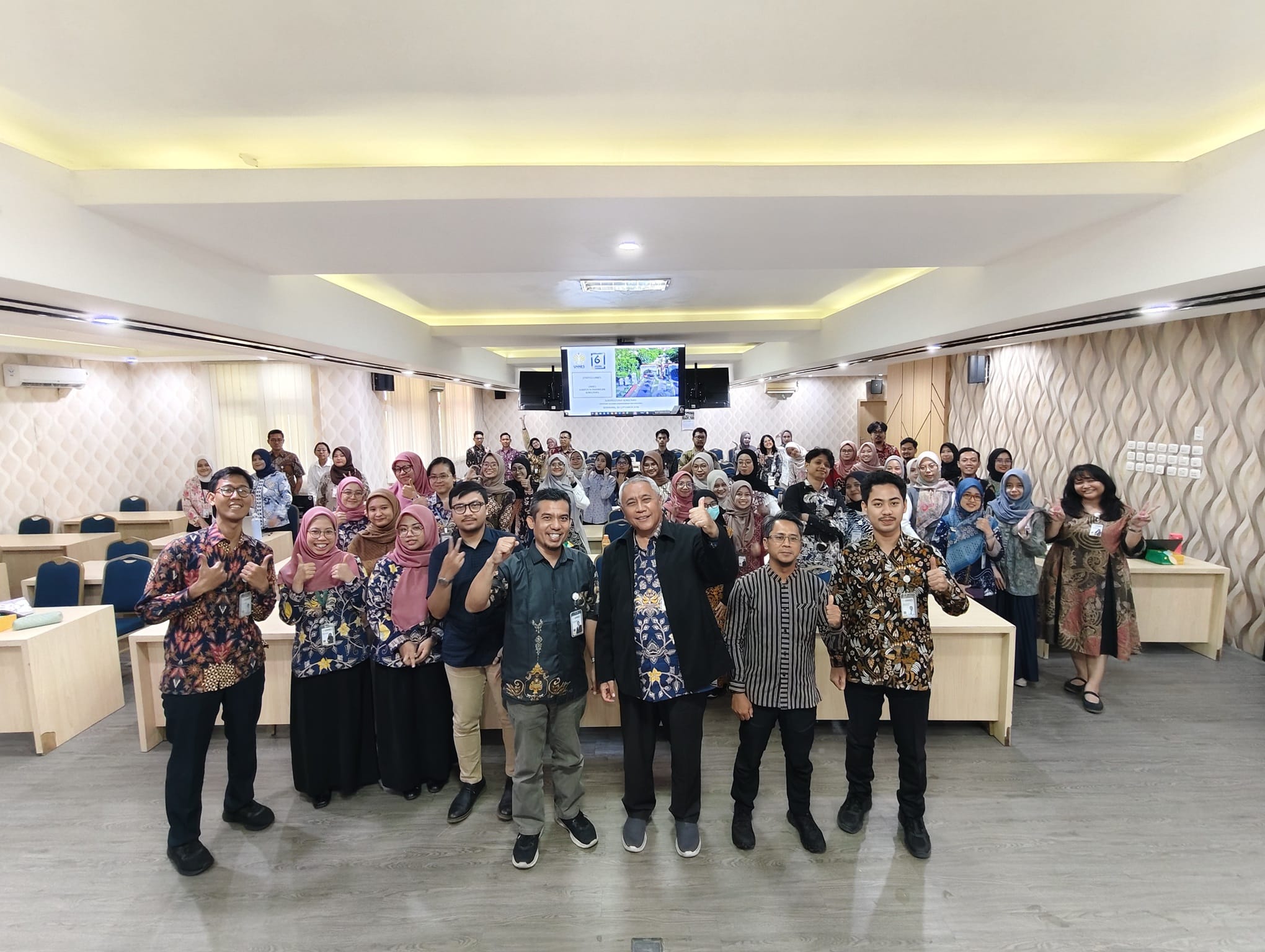
Universitas Negeri Semarang (UNNES) held a workshop titled Monitoring Flora, Fauna, and Tree Risk Mapping on Friday, May 22, 2026. The event was organized by Dr. Muhammad Abdullah, S.Si., M.Sc., a Biology lecturer at FMIPA and Academic Staff of the Subdirectorate of Conservation UNNES, aiming to enhance conservation capacity based on scientific data.
The workshop involved 32 participants consisting of 25 students, 5 staff members of the Subdirectorate of Conservation, and 2 main speakers. Participants actively engaged in a learning process combining theoretical sessions with hands-on field practice to better understand biodiversity monitoring systems.
The program featured Yayasan Akar Banir as the main resource partner, delivering materials on flora identification techniques, fauna inventory, and tree risk mapping methods. Participants were divided into five groups to conduct monitoring simulations across different campus zones.
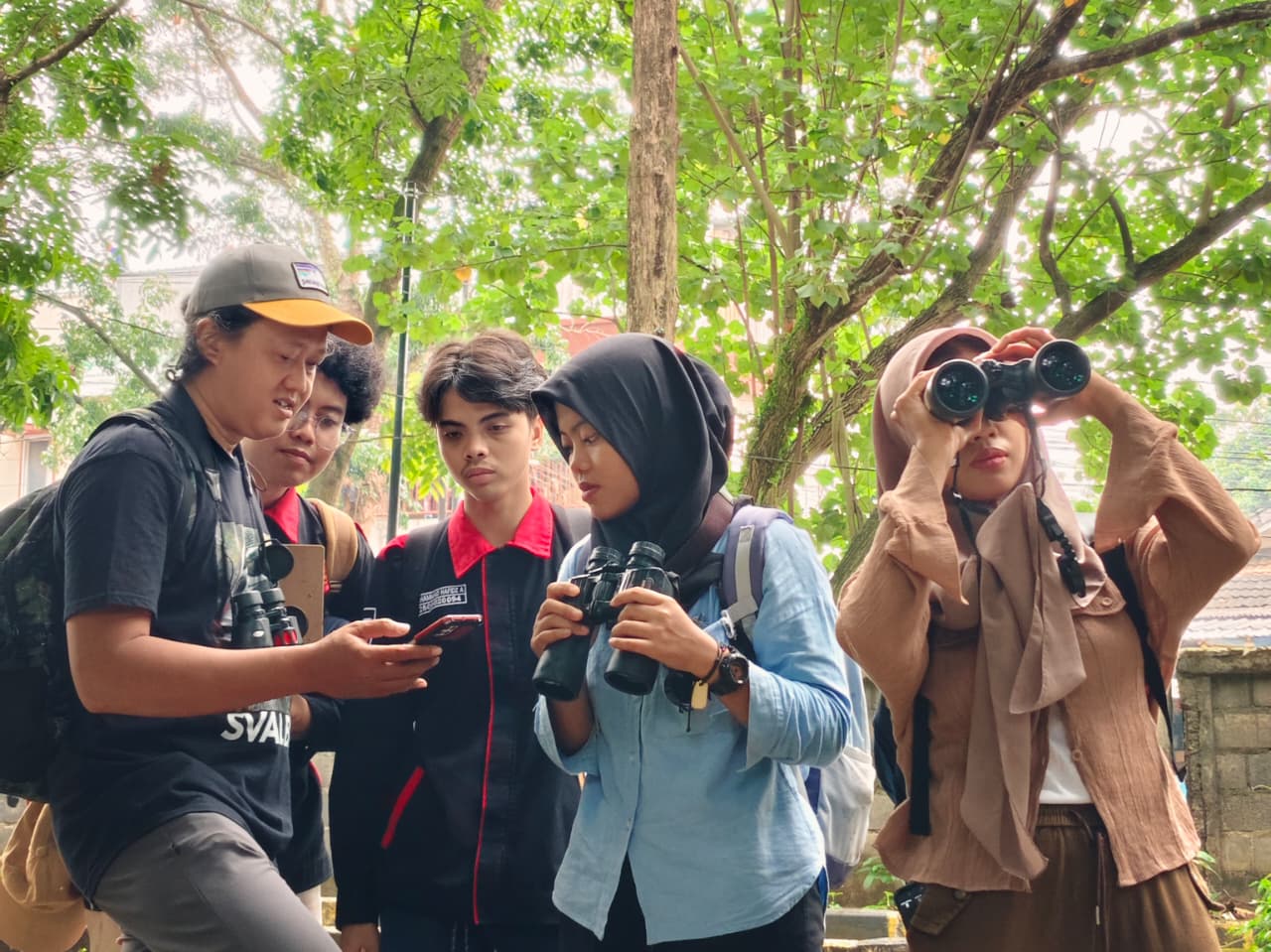
During field practice, participants conducted direct observations of biodiversity, including plant identification and recording fauna such as birds and butterflies. They also assessed potentially hazardous trees based on structural, health, and environmental indicators.
Dr. Muhammad Abdullah, S.Si., M.Sc. emphasized the importance of the program in strengthening campus environmental monitoring systems. “This workshop is designed to equip participants with practical skills in conducting biodiversity monitoring and tree risk mapping systematically and scientifically,” he stated.
He further highlighted the role of students in conservation efforts. “Students are expected not only to understand the concepts but also to actively contribute to developing a safe and sustainable campus environment,” he added.
This activity supports the Sustainable Development Goals (SDGs), particularly SDG 4 (Quality Education), SDG 11 (Sustainable Cities and Communities), and SDG 15 (Life on Land).