

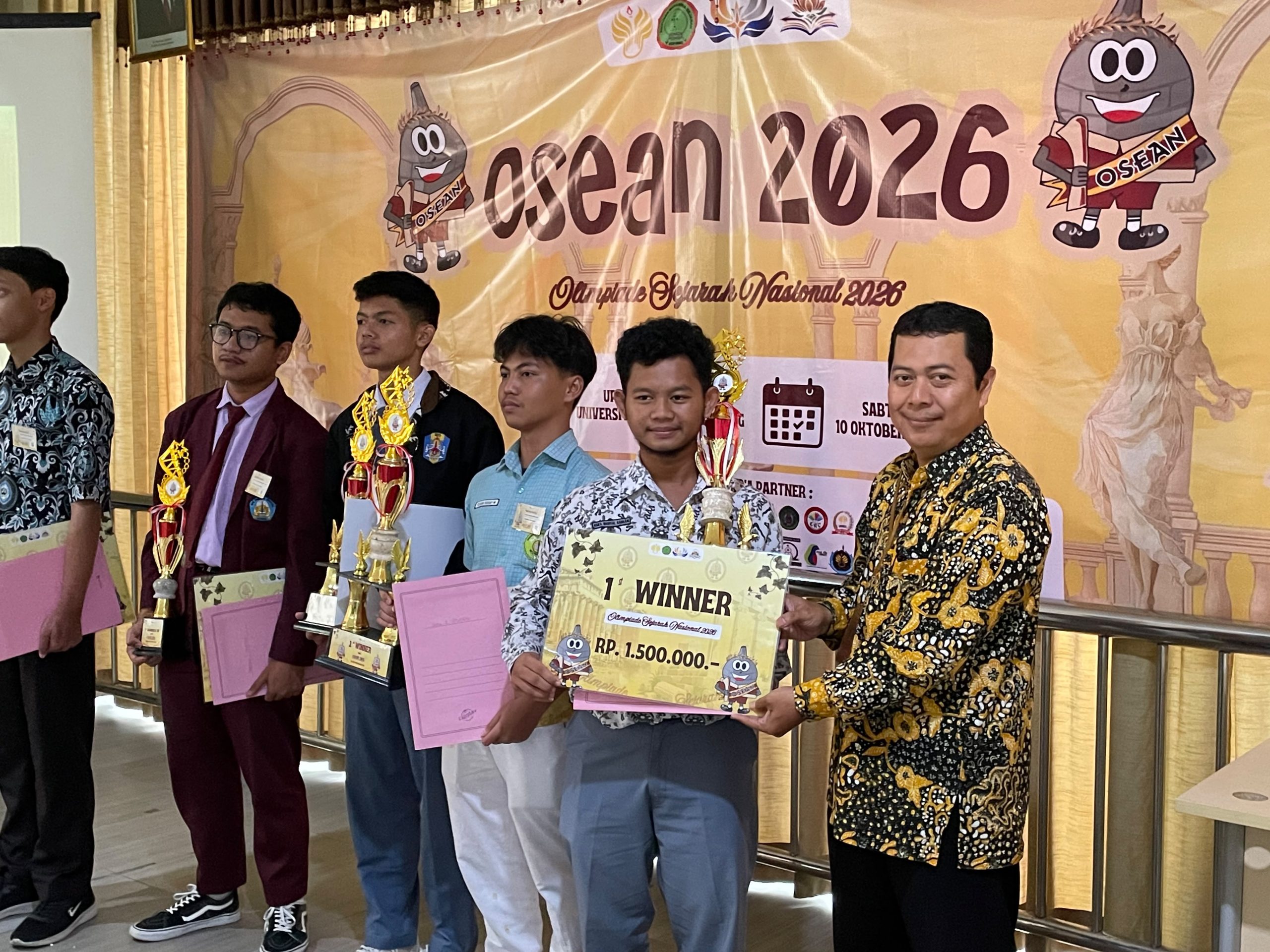
Raka Naufal Rabbani, a twelfth-grade student from SMAN 4 Bekasi, West Java, won first place in the 2026 National History Olympiad (OSEAN), organized by the History Student Association of the Faculty of Social and Political Sciences (FISIP), Universitas Negeri Semarang (UNNES). The competition tested not only students’ historical knowledge but also their ability to connect past events with contemporary issues facing Indonesia.
OSEAN 2026 marked the opening of a series of National Heroes Month activities organized by the UNNES History Student Association. This year’s competition attracted 133 students from senior high schools and equivalent institutions across Indonesia.
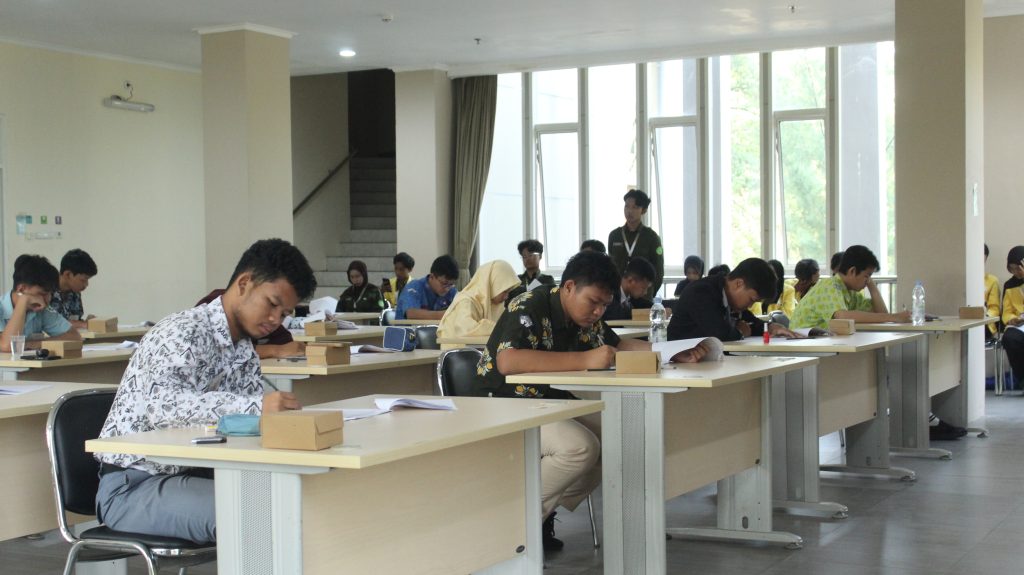
Following an initial online selection, 20 participants qualified for the next round, held at the Rumah Ilmu Library, UNNES, Sekaran, Gunungpati, Semarang, on Saturday (October 10, 2026).
During this stage, participants completed a written examination and competed in a quick-response question session. Three contestants advanced to the final round: Raka Naufal Rabbani from SMAN 4 Bekasi, West Java; Rohim Hayat Muhayyadin from MAN Wonogiri, Central Java; and Fadel Muhammad El Haqi from SMAN 1 Bumiayu, Central Java.
Unlike the previous rounds, the final required contestants to present arguments and critically analyze historical issues raised by a panel of three judges. The panel consisted of academics from UNNES’s History and History Education Study Programs: Rizka Cahyaning Arifin Putri, Andy Suryadi, and Mukhamad Shokheh, Ph.D.
The questions covered various topics, including the colonial Cultivation System (cultuurstelsel), food security, the history of corruption in Indonesia, and the relevance of the Youth Pledge to challenges facing younger generations today.
In the discussion on the Cultivation System, for example, finalists were asked to examine the impact of colonial economic policies on farmers and relate their historical analysis to contemporary agricultural and food security issues.
Raka emphasized the importance of systematic food production and distribution. He argued that regions unsuitable for rice cultivation should develop alternative food crops suited to their geographical conditions to strengthen local food self-sufficiency.
Meanwhile, Fadel discussed the consequences of the colonial Cultivation System, explaining that the compulsory cultivation of export commodities, including coffee, sugarcane, and indigo, generated economic benefits for the colonial government while placing considerable burdens on local farmers.
Rohim examined the historical continuity of corruption from the colonial period to contemporary Indonesia. He compared past abuses of power, which often benefited aristocratic families and their relatives, with present-day corruption involving political networks, positions of authority, and group interests.
Following the judges’ assessment, Raka Naufal Rabbani was declared the winner of OSEAN 2026.
An Interest in History Inspired by Documentaries
For Raka, his achievement reflected an interest in history that began during junior high school.
His enthusiasm initially grew from watching historical documentaries, particularly those focusing on World War II. He also frequently explored historical content through social media, which encouraged him to deepen his knowledge and participate in academic competitions.
Raka acknowledged that his journey to the championship was challenging. Several questions in the preliminary rounds required advanced analytical skills, while some historical topics were unfamiliar to him.
Nevertheless, he considered the competition an opportunity to broaden his historical understanding and evaluate his academic abilities.
He hopes that competitions such as OSEAN will continue to provide opportunities for students interested in history. Such activities, he believes, can encourage young people to develop stronger reading habits, explore historical subjects, and engage in discussions about the past.
Connecting History with Contemporary Challenges
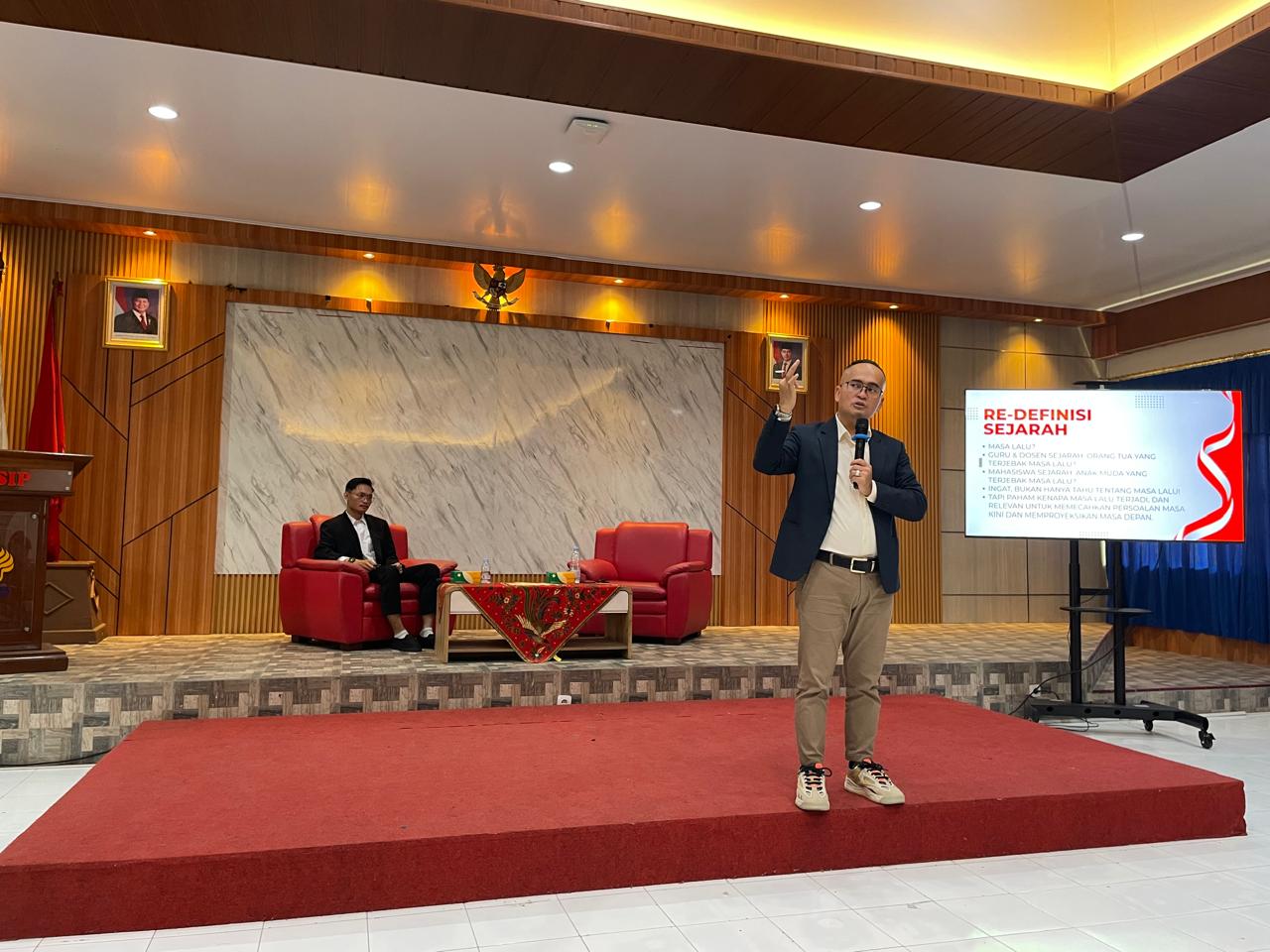
Mukhamad Shokheh, Ph.D., Coordinator of the History Study Program at UNNES, explained that OSEAN 2026 was designed to address important issues related to education, youth, and the challenges facing Indonesia today and in the future.
Accordingly, the final-round questions went beyond testing contestants’ knowledge of historical facts and chronology. Participants were also expected to apply historical perspectives to contemporary problems.
The Cultivation System and food security, the Ethical Policy and its relevance to education, as well as youth movements and national consciousness, were among the central issues discussed during the final.
According to Shokheh, all three finalists demonstrated their ability to develop arguments, critically examine complex issues, and propose solutions based on their historical understanding.
“Through this competition, young people are encouraged to develop critical thinking and problem-solving skills to address contemporary challenges from a historical perspective,” he said.
He expressed hope that OSEAN would continue to serve as a platform for academic development while strengthening young people’s awareness of the importance of history in understanding the nation’s development.
The competition also demonstrated that studying history should extend beyond memorizing past events. Historical knowledge can provide an essential foundation for understanding present-day challenges and shaping Indonesia’s future.
OSEAN 2026 supports the Sustainable Development Goals (SDGs), particularly SDG 4 (Quality Education), by strengthening historical literacy and critical thinking skills. It also contributes to SDG 16 (Peace, Justice and Strong Institutions) by promoting national awareness and a deeper understanding of social and political issues.