

FISIP UNNES dan Universitas Indonesia Kaji Netralitas Kepala Desa untuk Penguatan Tata Kelola Pilkada

Universitas Negeri Semarang > Faculty of Social Sciences and Political Science > Berita > FISIP UNNES dan Universitas Indonesia Kaji Netralitas Kepala Desa untuk Penguatan Tata Kelola Pilkada

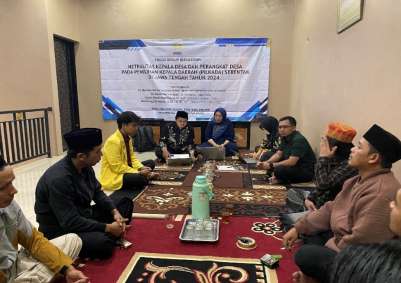
akultas Ilmu Sosial dan Ilmu Politik (FISIP) Universitas Negeri Semarang bersama FISIP Universitas Indonesia memperkuat kontribusi akademik terhadap tata kelola demokrasi melalui kegiatan “Netralitas Kepala Desa dan Perangkat Desa pada Pemilihan Kepala Daerah (Pilkada) Serentak di Jawa Tengah Tahun 2024.” Kajian ini menempatkan integritas aparatur desa sebagai bagian penting dalam menjaga tata kelola pemerintahan dan penyelenggaraan pemilihan yang akuntabel.

Kolaborasi yang berlangsung pada 2025 tersebut melibatkan empat dosen, yakni Martien Herna Susanti, Iwan Hardi Saputro, dan Bambang Hermanto dari FISIP UNNES serta Nurul Nurhandjati dari FISIP Universitas Indonesia. Tim juga melibatkan tiga mahasiswa dalam pengumpulan dan pengolahan data.

Tim menjangkau Kabupaten Purworejo, Banyumas, Pemalang, dan Sukoharjo untuk menggali pengalaman kepala desa, perangkat desa, serta masyarakat dalam menjaga netralitas selama Pilkada Jawa Tengah 2024. Diskusi kelompok dan wawancara memberi ruang bagi masyarakat untuk menjelaskan bagaimana aturan netralitas diterapkan di tengah relasi sosial dan politik yang berbeda di setiap daerah.

Netralitas kepala desa memiliki landasan hukum yang jelas. Regulasi melarang kepala desa terlibat dalam kampanye pemilihan umum maupun pemilihan kepala daerah, sementara aturan kampanye juga membatasi keterlibatan kepala dan perangkat desa sebagai pelaksana atau tim kampanye. JDIH BPK Bawaslu Jawa Tengah juga menempatkan netralitas aparatur sebagai salah satu aspek penting dalam pencegahan pelanggaran dan penguatan integritas pemilihan. Bawaslu Jateng

Dalam pertemuan dengan masyarakat, tim FISIP UNNES dan Universitas Indonesia memetakan beragam situasi yang dihadapi aparatur desa. Di sejumlah wilayah, pengawasan aktif, pembinaan pemerintah daerah, dan budaya birokrasi membantu aparatur menjaga jarak dari aktivitas politik praktis. Di wilayah lain, kedekatan sosial dengan tokoh masyarakat maupun aktor politik dapat menimbulkan tekanan yang membuat batas antara hubungan sosial dan keterlibatan politik menjadi lebih kompleks.

Kajian tersebut kemudian diarahkan pada penguatan kebijakan tata kelola pemerintahan desa dan sistem pengawasan netralitas aparatur. Kontribusi dosen tidak berhenti pada pemetaan persoalan, tetapi juga mencakup penyusunan rekomendasi yang dapat digunakan untuk memperkuat pembinaan dan pengawasan di tingkat daerah maupun nasional.

Rekomendasi yang dirumuskan mencakup sosialisasi regulasi secara berkelanjutan melalui kerja sama Kemendagri, Bawaslu, dan DPMD; pelatihan integritas dan profesionalisme bagi aparatur desa; penguatan pengawasan partisipatif bersama masyarakat dan tokoh lokal; serta penerapan sanksi yang konsisten dan transparan terhadap pelanggaran netralitas.

Pendekatan tersebut menempatkan masyarakat sebagai bagian dari pengawasan. Selain peran penyelenggara pemilu, keterlibatan masyarakat, tokoh agama, Badan Permusyawaratan Desa, pemerintah daerah, dan aparatur desa dipandang penting untuk membangun sistem pengawasan yang dapat bekerja hingga tingkat lokal.
Related Posts

Leave a Reply

* Kode Akses Komentar:

* Tuliskan kode akses komentar diatas:

GDPR

  • Privacy Policy

Privacy Policy

At unnes.ac.id, the privacy of our visitors is of extreme importance to us. This privacy policy document outlines the types of personal information that is received and collected by unnes.ac.id and how it is used.

Log Files

Like many other Web sites, unnes.ac.id makes use of log files. The information inside the log files includes internet protocol (IP) addresses, type of browser, Internet Service Provider (ISP), date/time stamp, referring/exit pages, and number of clicks to analyze trends, administer the site, track user’s movement around the site, and gather demographic information. IP addresses and other such information are not linked to any information that is personally identifiable.

Cookies

unnes.ac.id uses cookies to store information about visitors’ preferences, to record user-specific information on which pages the site visitor accesses or visits, and to personalize or customize our web page content based upon visitors’ browser type or other information that the visitor sends via their browser.

Third-party ad servers or ad networks use technology in their respective advertisements and links that appear on unnes.ac.id and which are sent directly to your browser. They automatically receive your IP address when this occurs. Other technologies (such as cookies, JavaScript, or Web Beacons) may also be used by our site’s third-party ad networks to measure the effectiveness of their advertising campaigns and/or to personalize the advertising content that you see on the site.

unnes.ac.id has no access to or control over these cookies that are used by third-party advertisers.

You should consult the respective privacy policies of these third-party ad servers for more detailed information on their practices as well as for instructions about how to opt-out of certain practices. unnes.ac.id’s privacy policy does not apply to, and we cannot control the activities of, such other advertisers or web sites.

If you wish to disable cookies, you may do so through your individual browser options. More detailed information about cookie management with specific web browsers can be found at the browsers’ respective websites.

Consent

By using our website, you hereby consent to our privacy policy and agree to its terms.

Update

This Privacy Policy was last updated on: 2023-02-14. Should we update, amend or make any changes to our privacy policy, those changes will be posted here.

Contact Us

If you have any questions, comments, or concerns about our Privacy Policy or our practices with regards to your personal information, please feel free to contact us through the contact form on our website or by emailing us at humas[at]mail.unnes.ac.id.

This Privacy Policy is intended as a general guide to our practices in collecting and using information. If there is any inconsistency between this Privacy Policy and the terms of the Service Agreement or any other terms that may apply to specific services you use, then those specific service terms shall apply.

Terms of Use

By using our website, you agree to abide by this Privacy Policy. If you do not agree with this Privacy Policy, please do not use our website. We reserve the right to update this Privacy Policy from time to time without prior notice. Please review our Privacy Policy periodically to check for changes. Your continued use of our website following the posting of changes to this Privacy Policy means that you accept the changes.

Thank you for reading our Privacy Policy. We are committed to protecting the privacy of our website visitors and will continue to update our Privacy Policy to ensure optimal protection.