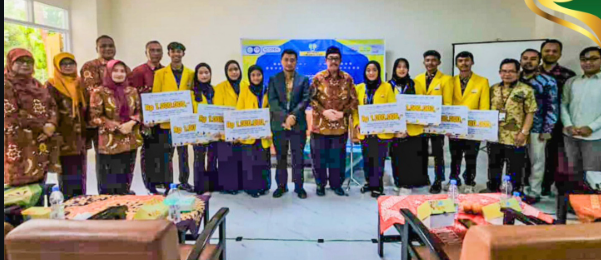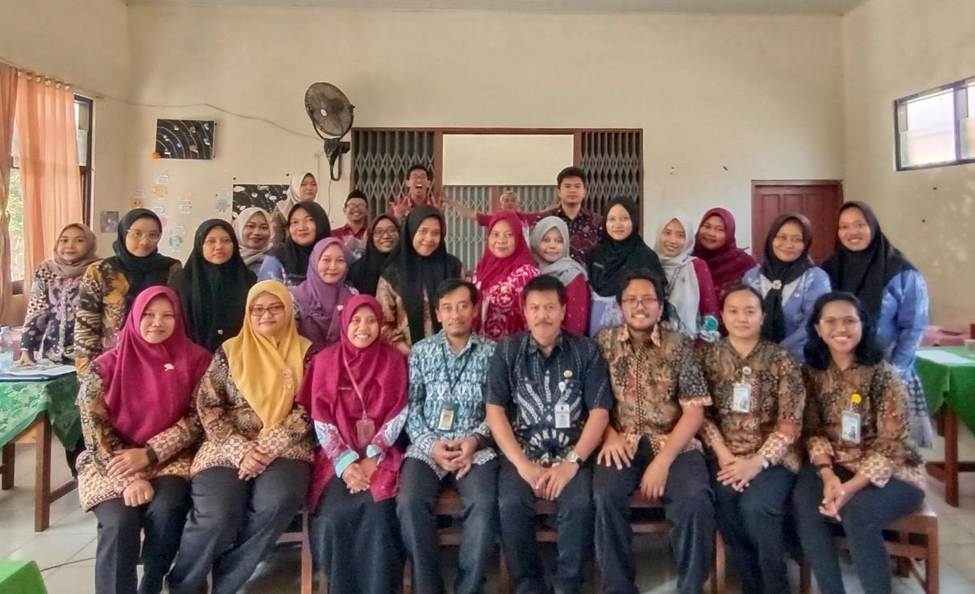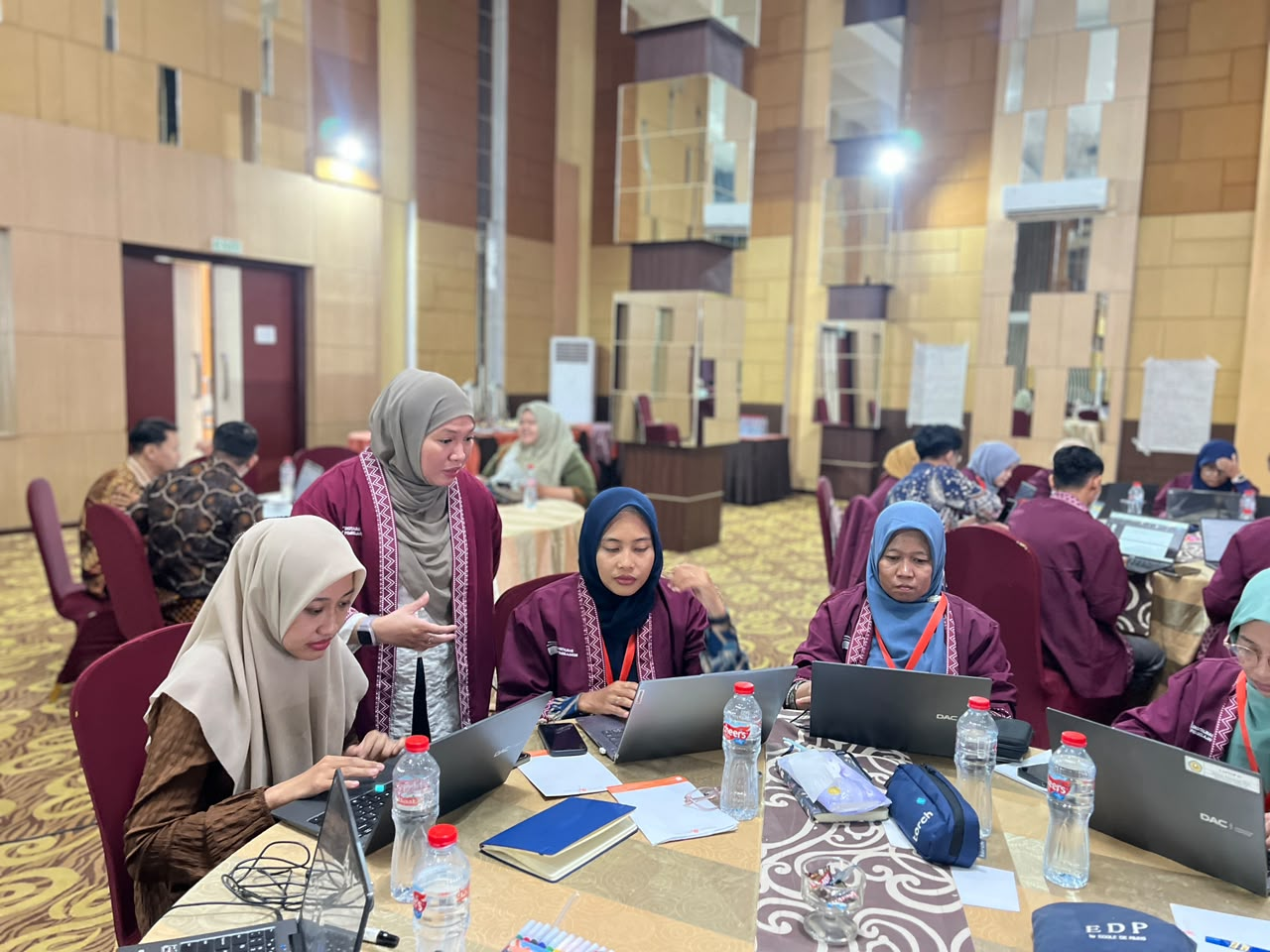


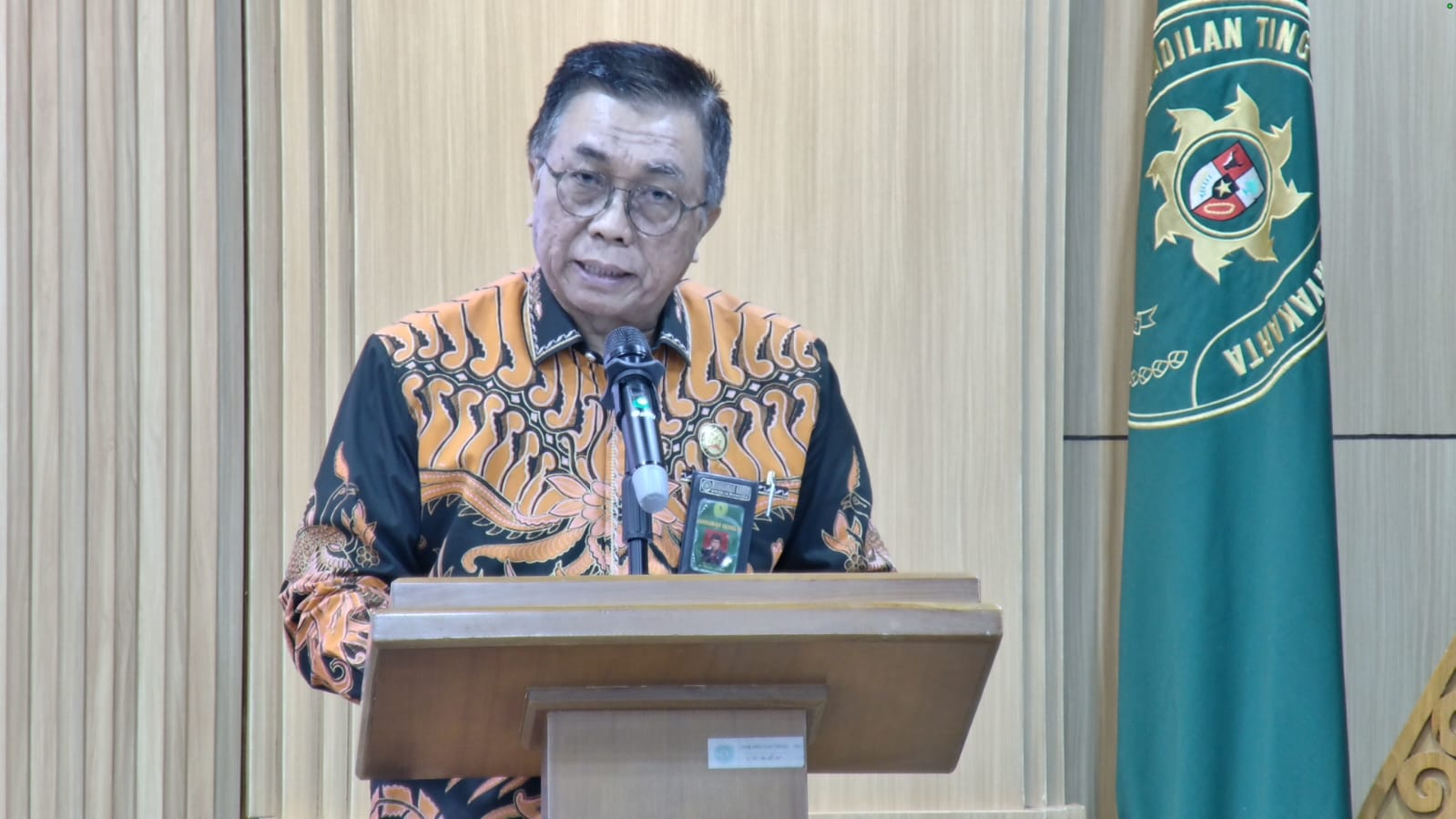
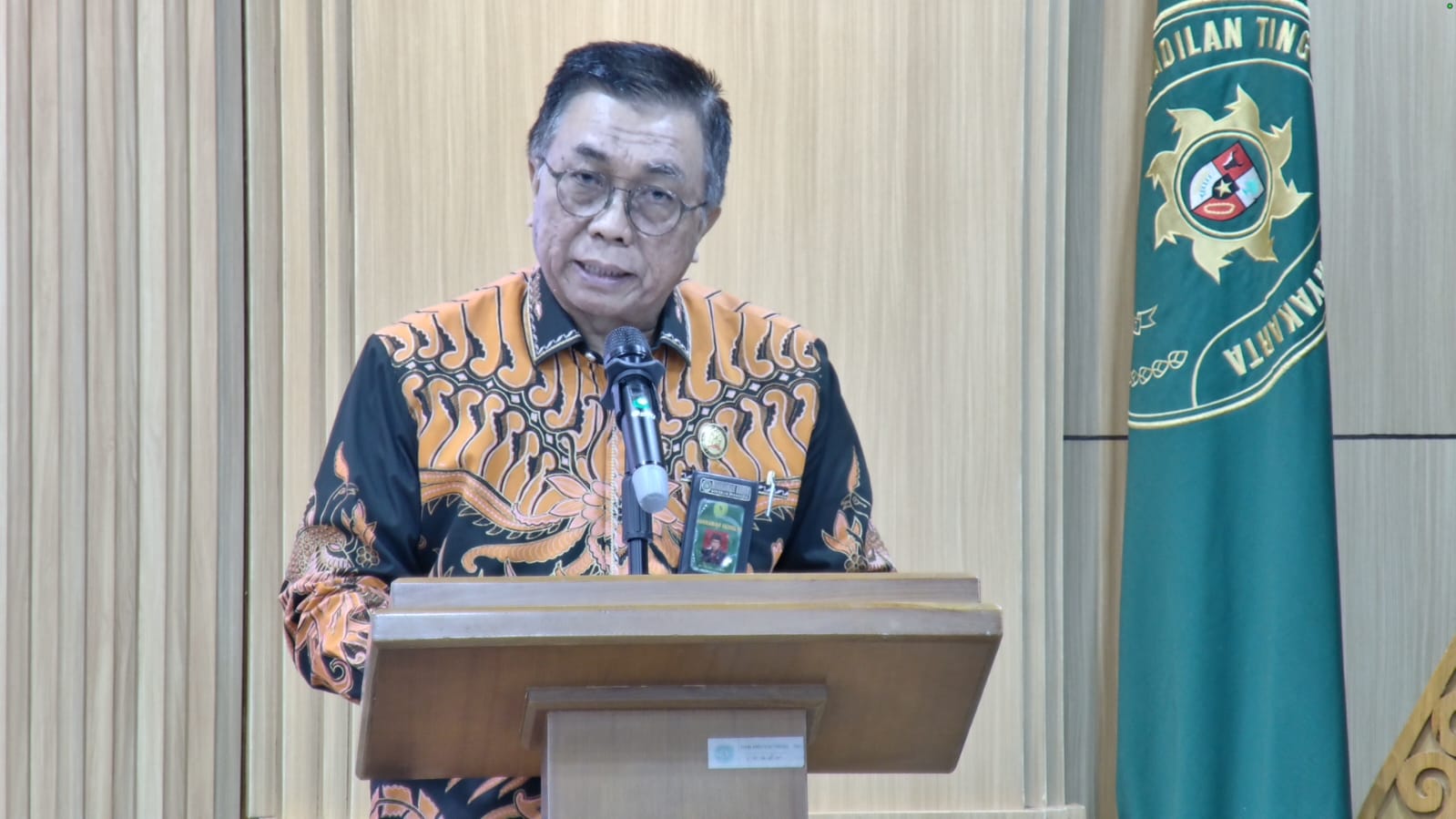
YOGYAKARTA (06/10/2026) — The Directorate General of Religious Courts of the Supreme Court of the Republic of Indonesia continues to strengthen its institutional commitment to providing justice that is not only procedural, but also oriented towards substantive and civilized justice. This is reflected in the Visiting Lecture activity with the theme “Beyond Reconciliation: Psychology-Informed Mediation for Relationship and Psychological Flourishing” which carries the subtheme Strengthening the Psychological Perspective for Judge Mediators in Divorce Case Mediation in the Religious Court Environment . This activity was attended by all High Court Judges, Judge Mediators, Non-Judge Mediators, Clerks, and Secretaries of the first level in the jurisdiction of the Yogyakarta High Religious Court.
This academic and professional activity is a form of strategic collaboration between the Faculty of Education and Psychology (FIPP) of Semarang State University (UNNES), Bank Syariah Indonesia (BSI) and the Directorate General of Religious Courts of the Supreme Court of the Republic of Indonesia, which is designed to equip mediators with emotional sensitivity and a proportional psychological approach in the courtroom. In his keynote speech , the Acting Director General of the Religious Courts of the Supreme Court of the Republic of Indonesia (Drs. H. Muchlis, SH, MH,) emphasized that the presence of this forum is a real manifestation of ongoing transformation in the religious court environment.
“We are determined to shift the paradigm of religious justice from merely implementing procedural justice to one that delivers substantive and civilized justice,” he stressed in his presentation.
He explained several crucial points that are the direction of modern judicial policy and philosophy today:
- 50 Percent Mediation Performance Target: Within the 2026 Priority Program Framework of the Directorate General of Religious Affairs, a national mediation success target of 50 percent has been set. This figure is not merely a statistic on paper, but rather a benchmark for preserving family integrity and protecting the rights of women and children.
- Philosophical Basis and Maqashid Sharia : Normatively and theoretically, according to Islamic law, divorce is hated by Allah SWT. Efforts to reconcile ( islah ) through a hakam or mediator are a form of protection for offspring, soul, and mind ( maqashid sharia ).
- Psychology-Informed Mediation Approach : Divorce cases are fraught with emotional content (anger, disappointment, and even loss of trust). While the mediator is not a clinical psychologist, an understanding of supporting psychology is crucial for understanding the people behind the case files, understanding underlying needs, and managing the dialogue in a humane manner.
- Beyond Reconciliation Paradigm : Reconciliation or reconciliation is the primary goal. However, if objective reconciliation is not achieved due to severe relationship damage, mediation should not be considered a complete failure. Mediation is aimed at constructive partial agreements, such as childcare arrangements, maintenance, equitable division of joint assets, and reduced levels of hostility for the sake of the child’s mental health.
- Five Basic Principles of Mediation: In practice, mediators must uphold the principles of autonomy of the parties, voluntariness (without intimidation), safety (especially from domestic violence issues), justice without power imbalance, and professionalism in the judicial corridor.
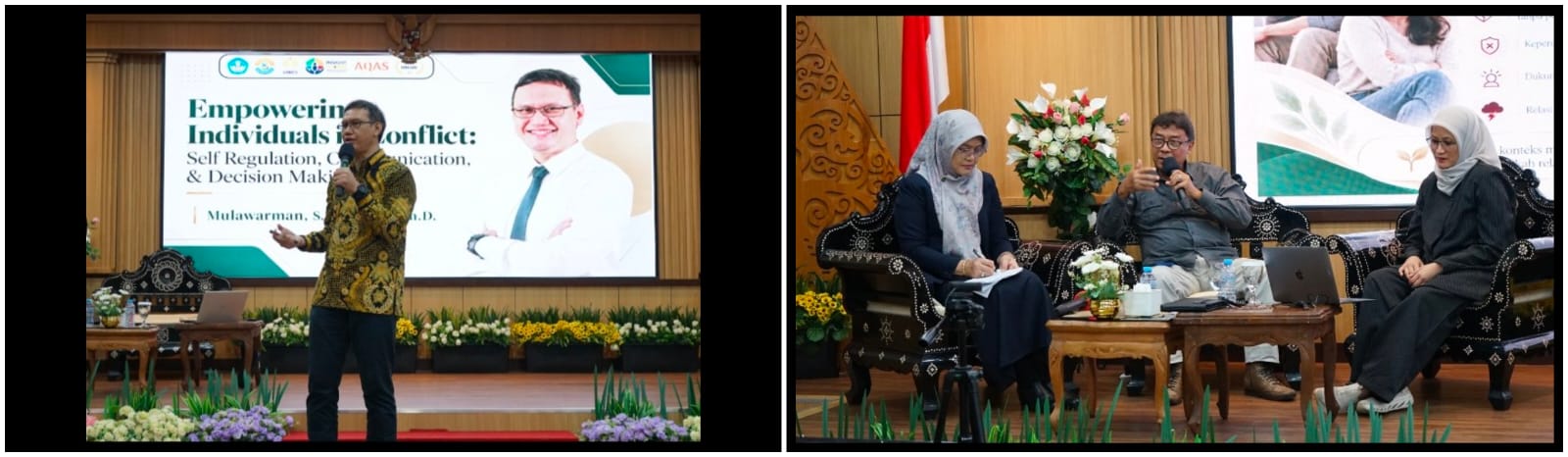
This event presents three expert speakers from FIPP UNNES who dissect the issue of mediation in a step-by-step, in-depth, and applicable manner:
- Prof. Dr. Edy Purwanto, M.Si. ( From Relationship to Flourishing: Understanding Well-Being in Marital and Family Relationships )
- Material Points: Dissecting the concepts of human flourishing , psychological flourishing , and relationship flourishing in marital life. Marital conflict is not simply a difference of interests, but a shift from positive relationships to relational distress (chronic conflict, loss of trust, and impaired communication). This understanding helps judicial and non-judicial mediators recognize the dynamics of family transition and the psychological well-being of the disputing parties.
- Mulawarman, M.Pd., Ph.D. ( Empowering Individuals in Conflict: Self-Regulation, Communication, and Decision-Making )
- Material Points: Emphasizes individual capacity to manage conflict through self-regulation, controlling impulsive responses, and assertive communication ( active listening ). The resource person emphasized the importance of cognitive flexibility for the parties to distinguish between facts and assumptions, to take perspectives (seeing from other points of view), and to make responsible decisions ( agency ) amidst high emotional pressure.
- Hikmatun Balighoh Nur Fitriyati, S.Psi., M.Psi., Psychologist ( Beyond Reconciliation: Psychology-Informed Mediation in Divorce Cases )
- Material Points: Focuses on practical applications in the mediation room, starting from recognizing high emotional escalation ( emotional flooding , defensiveness, and rigidity of position) to dissecting the difference between a rigid position and the true interests of the parties. Also discussed are mediation communication strategies such as emotional validation without taking sides ( emotional validation ), de-escalation , reframing , the use of future-focused questioning , reality testing , as well as sensitivity to power imbalance and safety factors (such as preventing coercive control ), while maintaining the professional boundaries of a judge.
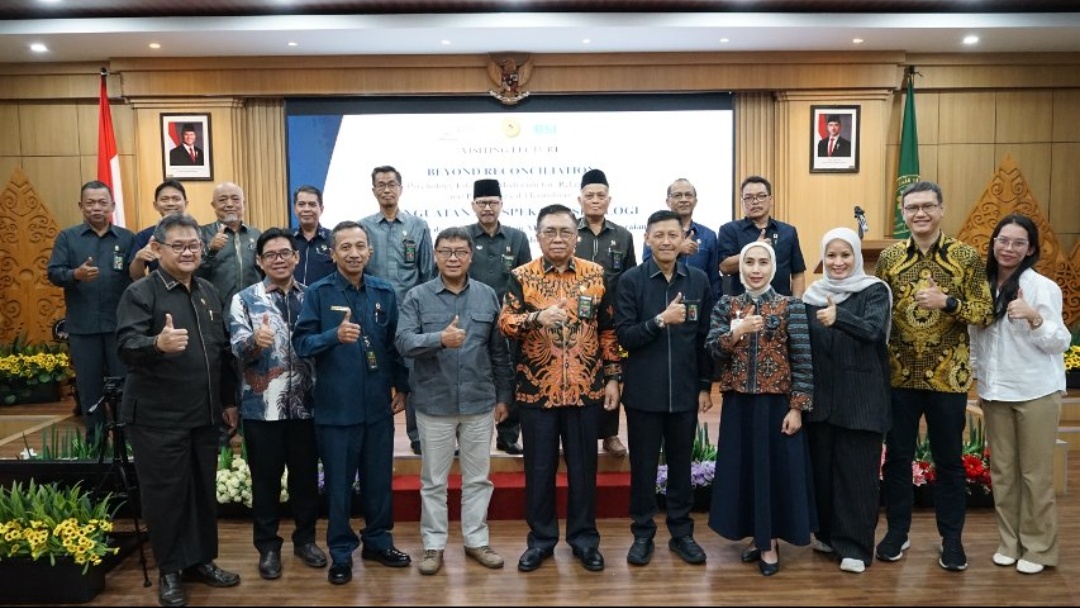
Through the synergy between the Directorate General of Religious Courts of the Supreme Court of the Republic of Indonesia and the academic world, this Visiting Lecture has successfully introduced a new perspective for both judicial and non-judicial mediators in the Religious Courts. Mediation is no longer viewed as a mere administrative formality, but rather as an art of forging justice that touches the deepest dimensions of humanity, safeguarding the future of children, and producing wise solutions amidst the storm of marital discord. (RW)
Source: Direktorat Jenderal Badan Peradilan Agama MA RI