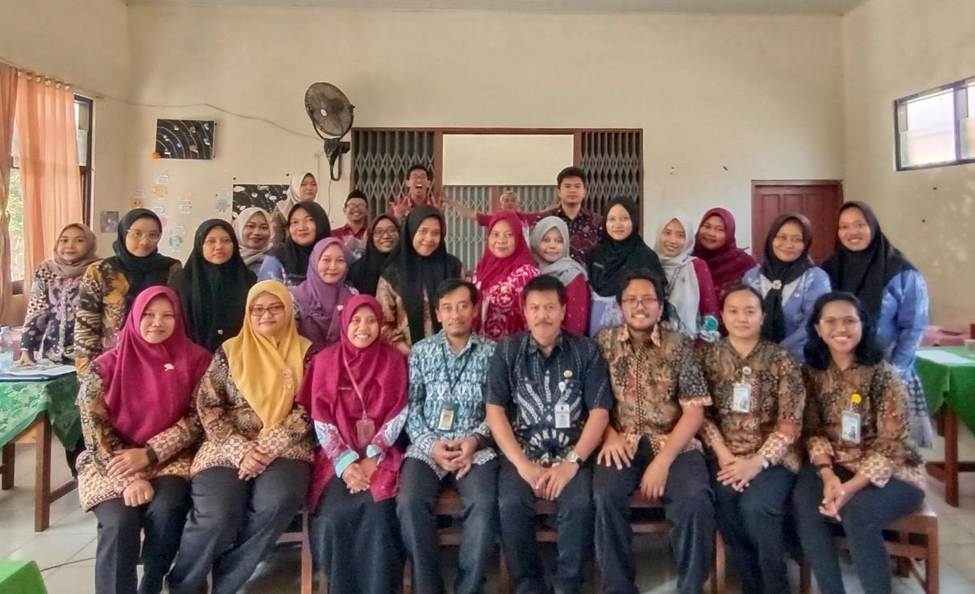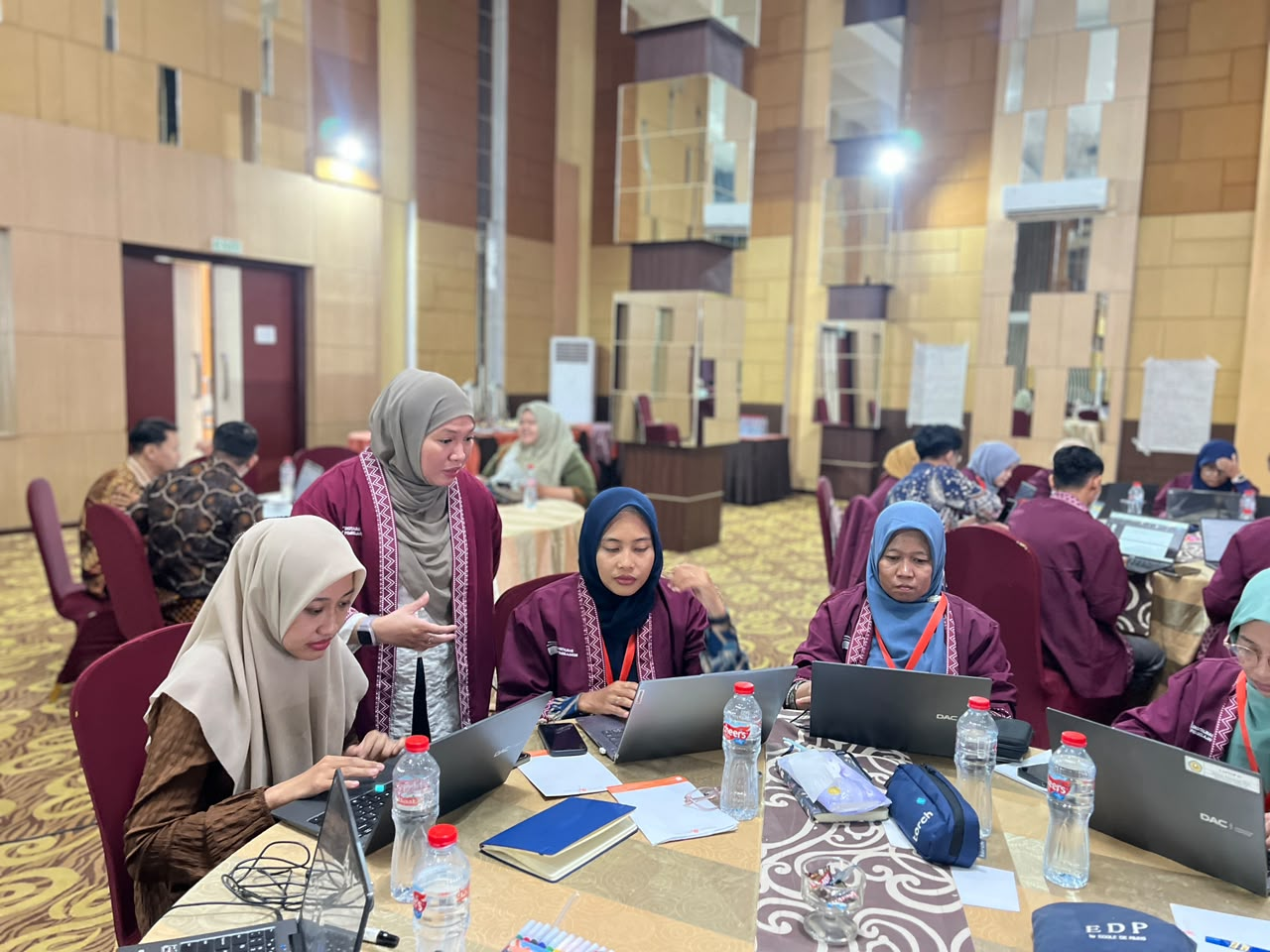


YOGYAKARTA (06/10/2026) — Direktorat Jenderal Badan Peradilan Agama Mahkamah Agung Republik Indonesia terus memperkuat komitmen institusionalnya dalam menghadirkan peradilan yang tidak hanya prosedural, melainkan berorientasi pada keadilan substantif dan berkeadaban. Hal ini tercermin dalam kegiatan Visiting Lecture bertema “Beyond Reconciliation: Psychology-Informed Mediation for Relationship and Psychological Flourishing” yang mengusung subtema Penguatan Perspektif Psikologi bagi Hakim Mediator dalam Mediasi Perkara Perceraian di Lingkungan Peradilan Agama. Kegiatan ini dihadiri oleh seluruh Hakim Tinggi, Mediator Hakim, Mediator Non Hakim, Panitera, dan Sekretaris tingkat pertama di wilayah Hukum Pengadilan Tinggi Agama Yogyakarta.
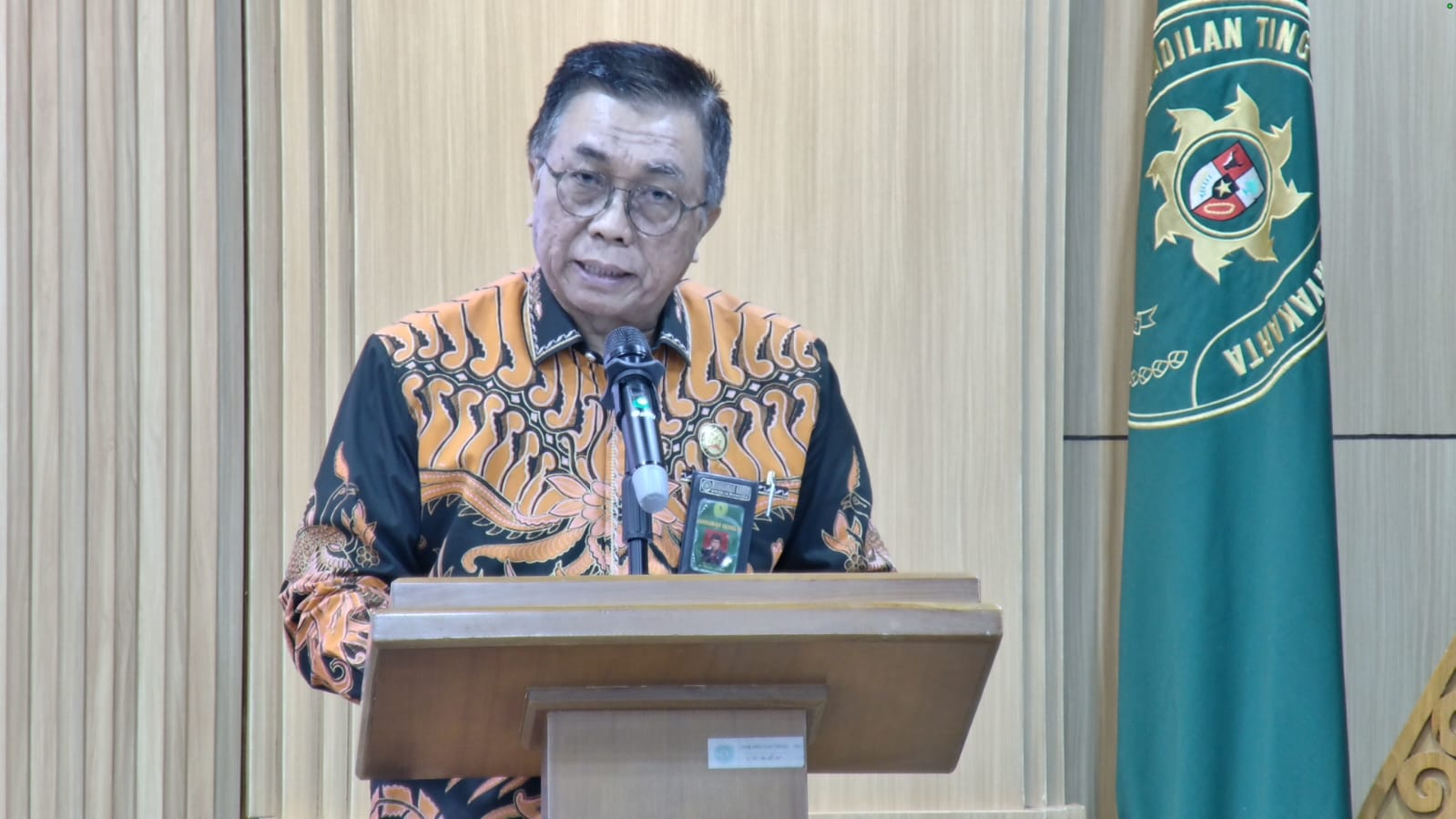
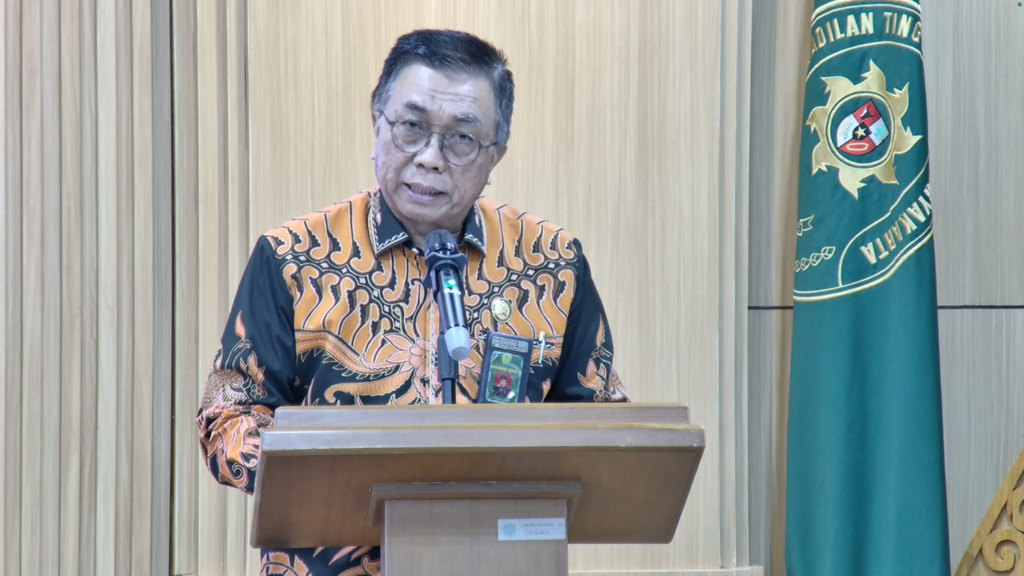
Kegiatan akademik dan profesional ini merupakan bentuk kolaborasi strategis antara Fakultas Ilmu Pendidikan dan Psikologi (FIPP) Universitas Negeri Semarang (UNNES), Bank Syariah Indonesia (BSI) dengan Ditjen Badilag MA RI, yang dirancang untuk membekali para mediator dengan kepekaan emosional dan pendekatan psikologis yang proporsional di ruang sidang. Dalam pidato kunci (keynote speech)-nya, Pelaksana Tugas (Plt.) Direktur Jenderal Badan Peradilan Agama MA RI (Drs. H. Muchlis, S.H., M.H.,) menegaskan bahwa kehadiran forum ini merupakan manifestasi nyata transformasi berkelanjutan di lingkungan peradilan agama.
“Kita bertekad menggeser paradigma peradilan agama dari yang sekadar menjalankan keadilan prosedural (procedural justice) menuju peradilan yang menghadirkan keadilan substantif dan berkeadaban (substantive and civilized justice),” tegasnya dalam paparan.
Beliau memaparkan beberapa poin krusial yang menjadi arah kebijakan dan filosofi peradilan modern saat ini:
- Target Kinerja Mediasi 50 Persen: Dalam Kerangka Program Prioritas Ditjen Badilag Tahun 2026, keberhasilan mediasi ditetapkan secara nasional dengan target 50 persen. Angka ini bukan sekadar statistik di atas kertas, melainkan tolok ukur penyelamatan keutuhan keluarga dan perlindungan hak-hak perempuan dan anak.
- Landasan Filosofi dan Maqashid Syariah: Secara normatif dan teoretis hukum Islam, perceraian adalah hal yang dibenci Allah SWT. Upaya islah (perdamaian) melalui hakam atau penengah merupakan wujud perlindungan terhadap keturunan, jiwa, dan akal (maqashid syariah).
- Pendekatan Psychology-Informed Mediation: Perkara perceraian sarat dengan muatan emosional (kemarahan, kekecewaan, hingga hilangnya kepercayaan). Hakim mediator bukanlah seorang psikolog klinis, namun pemahaman psikologi pendukung sangat krusial untuk membaca manusia di balik berkas perkara, memahami kebutuhan mendasar, serta mengelola dialog secara humanis.
- Paradigma Beyond Reconciliation: Rekonsiliasi atau rukun kembali adalah hasil utama yang diutamakan. Namun, jika rekonsiliasi objektif tidak tercapai karena kerusakan relasi yang parah, mediasi tidak boleh dianggap gagal total. Mediasi diarahkan pada kesepakatan parsial yang konstruktif, seperti pengaturan pola pengasuhan anak, pemenuhan nafkah, pembagian harta bersama secara adil, dan penurunan tingkat permusuhan demi kesehatan mental anak.
- Lima Prinsip Dasar Mediasi: Dalam praktiknya, mediator wajib memegang teguh prinsip otonomi para pihak, kesukarelaan (tanpa intimidasi), keselamatan (terutama dari isu KDRT), keadilan tanpa ketimpangan kuasa, serta profesionalisme dalam koridor yudisial.
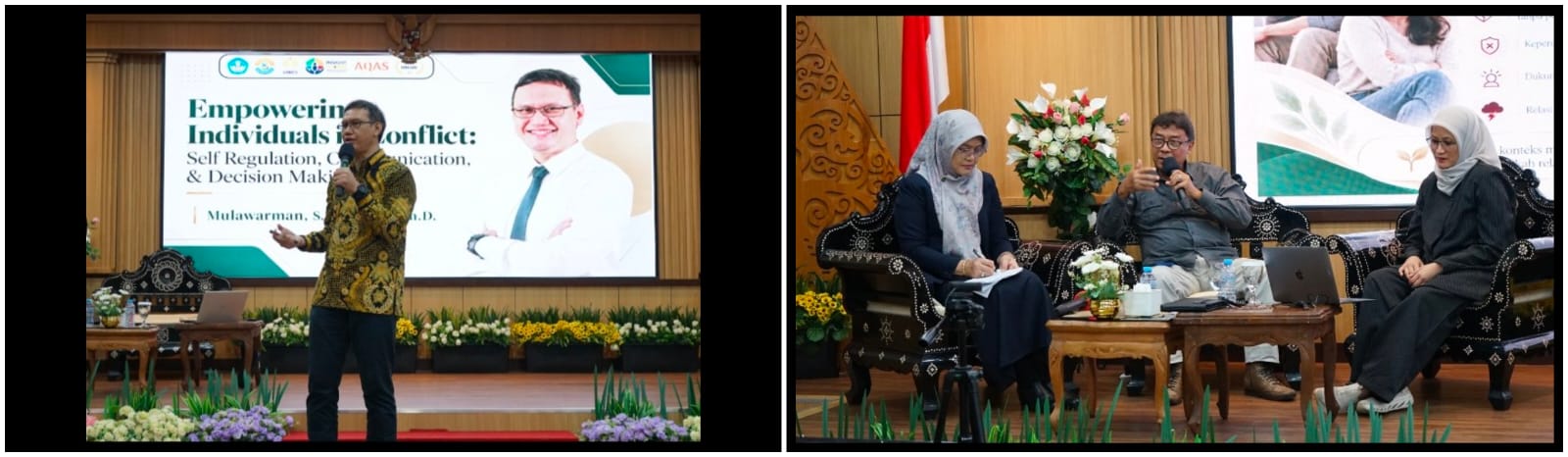
Acara ini menghadirkan tiga narasumber pakar dari FIPP UNNES yang membedah persoalan mediasi secara bertahap, mendalam, dan aplikatif:
- Prof. Dr. Edy Purwanto, M.Si. (From Relationship to Flourishing: Understanding Well-Being in Marital and Family Relationships)
- Poin Materi: Membedah konsep human flourishing, psychological flourishing, dan relationship flourishing dalam kehidupan perkawinan. Konflik perkawinan tidak sekadar perbedaan kepentingan, tetapi pergeseran dari relasi positif menuju relational distress (konflik kronis, hilangnya kepercayaan, dan rusaknya komunikasi). Pemahaman ini membantu mediator hakim dan non hakim mengenali dinamika transisi keluarga serta kesejahteraan psikologis para pihak yang bersengketa.
- Mulawarman, M.Pd., Ph.D. (Empowering Individuals in Conflict: Self-Regulation, Communication, and Decision-Making)
- Poin Materi: Menitikberatkan pada kapasitas individu dalam mengelola konflik melalui regulasi diri, pengendalian respons impulsif, serta komunikasi asertif (active listening). Narasumber menekankan pentingnya fleksibilitas kognitif bagi para pihak untuk membedakan antara fakta dan asumsi, melakukan perspective taking (melihat dari sudut pandang lain), serta mengambil keputusan yang bertanggung jawab (agency) di tengah tekanan emosional yang tinggi.
- Hikmatun Balighoh Nur Fitriyati, S.Psi., M.Psi., Psikolog (Beyond Reconciliation: Psychology-Informed Mediation in Divorce Cases)
- Poin Materi: Memfokuskan pada penerapan praktis di ruang mediasi, mulai dari mengenali eskalasi emosi yang tinggi (emotional flooding, defensif, dan rigiditas posisi) hingga membedah perbedaan antara posisi kaku dan kepentingan sejati para pihak. Dibahas pula strategi komunikasi mediasi seperti validasi emosi tanpa keberpihakan (emotional validation), de-escalation, reframing, penggunaan future-focused questioning, pengujian realitas (reality testing), serta kepekaan terhadap ketimpangan kekuasaan (power imbalance) dan faktor keselamatan (seperti pencegahan coercive control), dengan tetap menjaga batasan profesional seorang hakim.
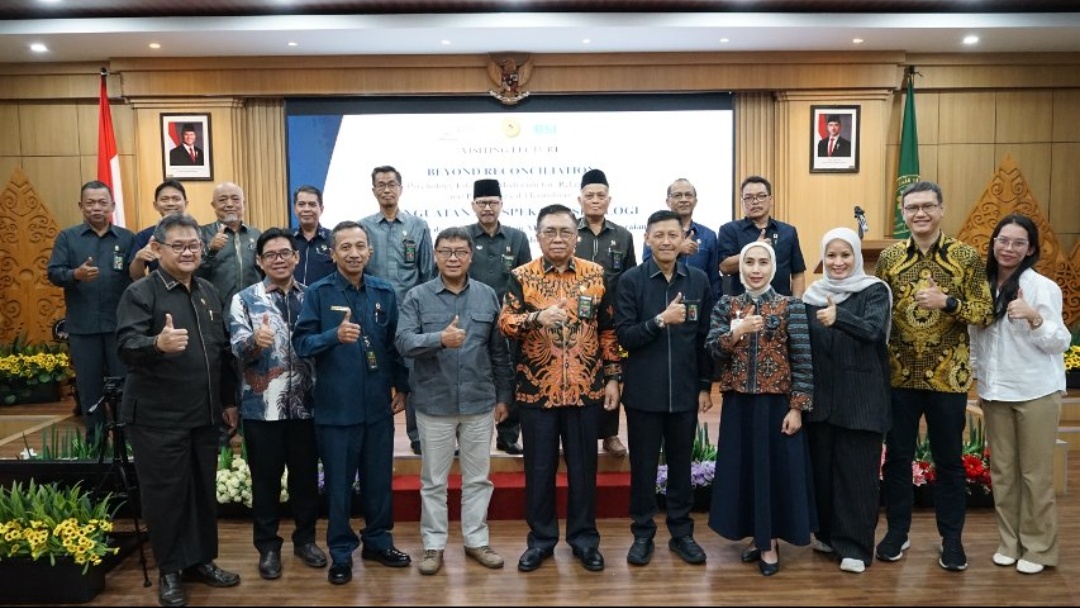
Melalui sinergi antara Direktorat Jenderal Badan Peradilan Agama Mahkamah Agung Republik Indonesia dan dunia akademik ini, Visiting Lecture berhasil memberikan warna baru bagi para Mediator Hakim dan non Hakim di lingkungan Peradilan Agama. Mediasi tidak lagi dipandang sebagai formalitas administratif semata, melainkan sebuah seni merajut keadilan yang menyentuh dimensi kemanusiaan terdalam, menyelamatkan masa depan anak-anak dan melahirkan solusi bijak di tengah badai perpecahan rumah tangga.(RW)
Source: Direktorat Jenderal Badan Peradilan Agama MA RI