FIPP UNNES and the Ministry of Education and Culture Synergy Strengthens Digital Learning in Elementary Schools

Universitas Negeri Semarang/Faculty of Education and Psychology/Berita/PGSD/FIPP UNNES and the Ministry of Education and Culture Synergy Strengthens Digital Learning in Elementary Schools

Klaten, October 1, 2026 — The Faculty of Education and Psychology (FIPP) of Semarang State University (UNNES) supports the Ministry of Primary and Secondary Education (Kemendikdasmen) program in strengthening the digital transformation of education through Regional Technical Guidance for Learning Digitalization Phase 6 which was held on September 28–October 1, 2026 in Klaten Regency.
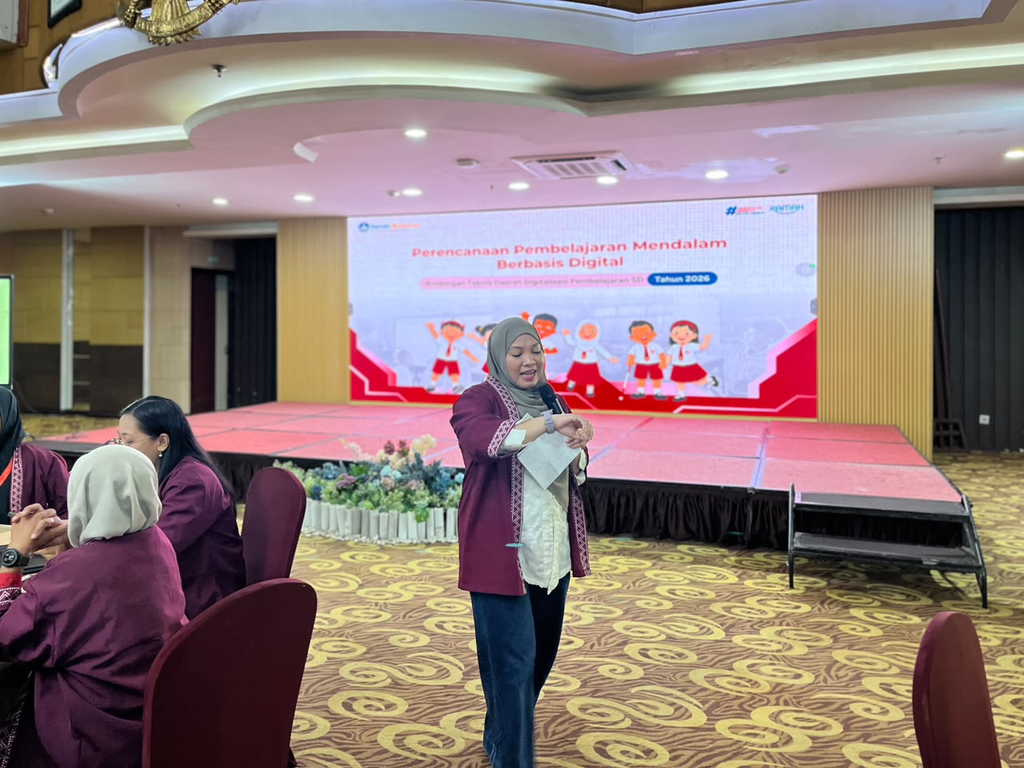
In the activity organized by the Directorate of Elementary Schools, Directorate General of Early Childhood Education, Elementary Education, and Secondary Education of the Ministry of Education and Culture, a lecturer from the Elementary School Teacher Education Study Program (PGSD) FIPP UNNES, Dr. Wulan Aulia Azizah, S.Pd., M.Pd., was involved as a resource person.

This activity aims to strengthen educational institutions’ understanding and capacity to optimize the use of digital learning assistance. Participants are encouraged not only to use digital devices but also to integrate technology appropriately to support effective and high-quality learning.

One focus of the mentoring is Digital-Based In-Depth Learning Planning. In this session, participants are encouraged to design learning by integrating technology based on student needs and learning objectives. Digitalization is positioned not simply as the use of devices, but as part of a pedagogical strategy to create more meaningful learning experiences.
“Digitalization of learning doesn’t stop at the availability of technological devices in schools. What’s more important is how teachers can utilize technology to create conscious, meaningful, and enjoyable learning, while also providing opportunities for students to understand, apply, and reflect on their learning,” said Wulan.

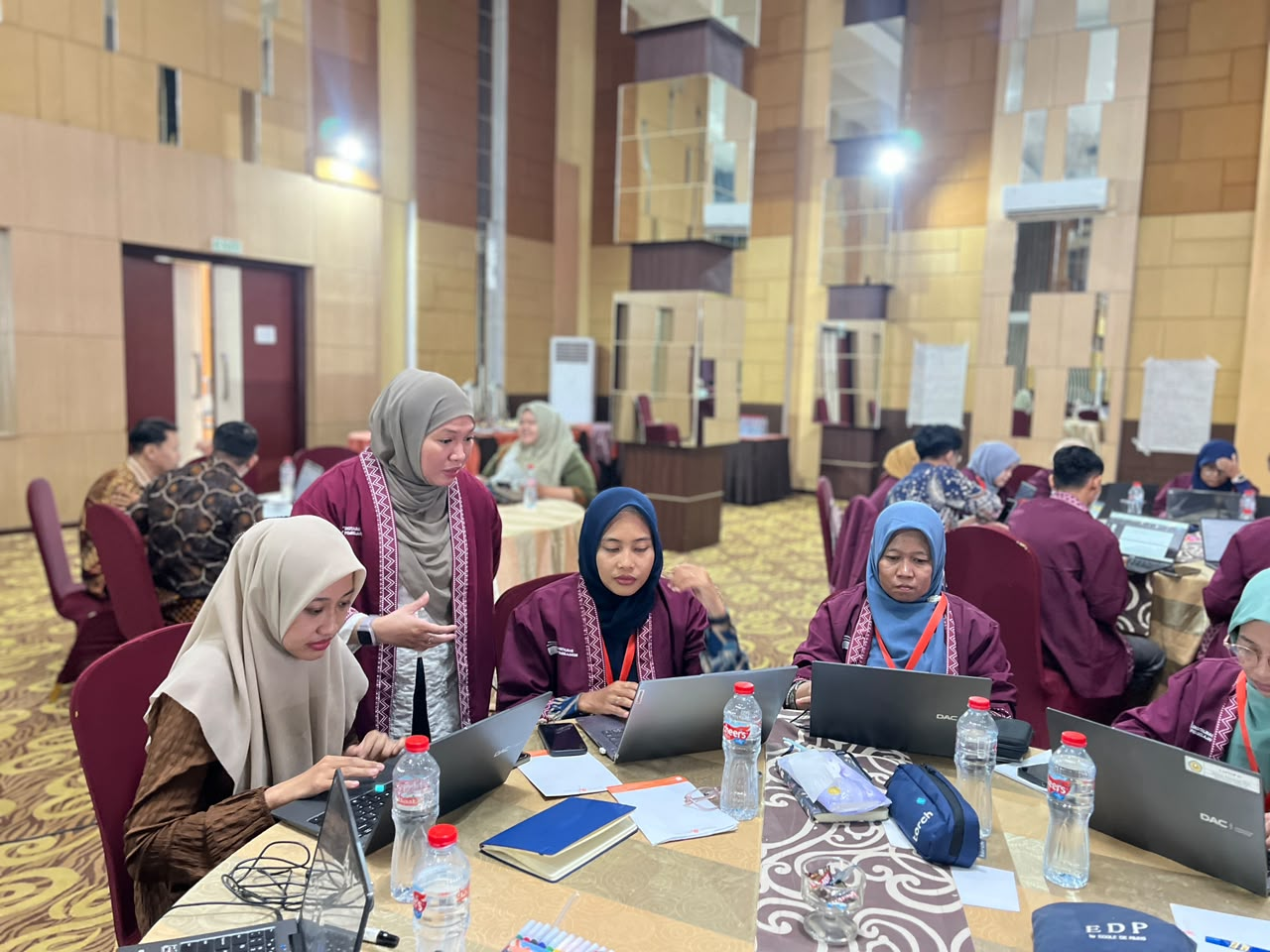
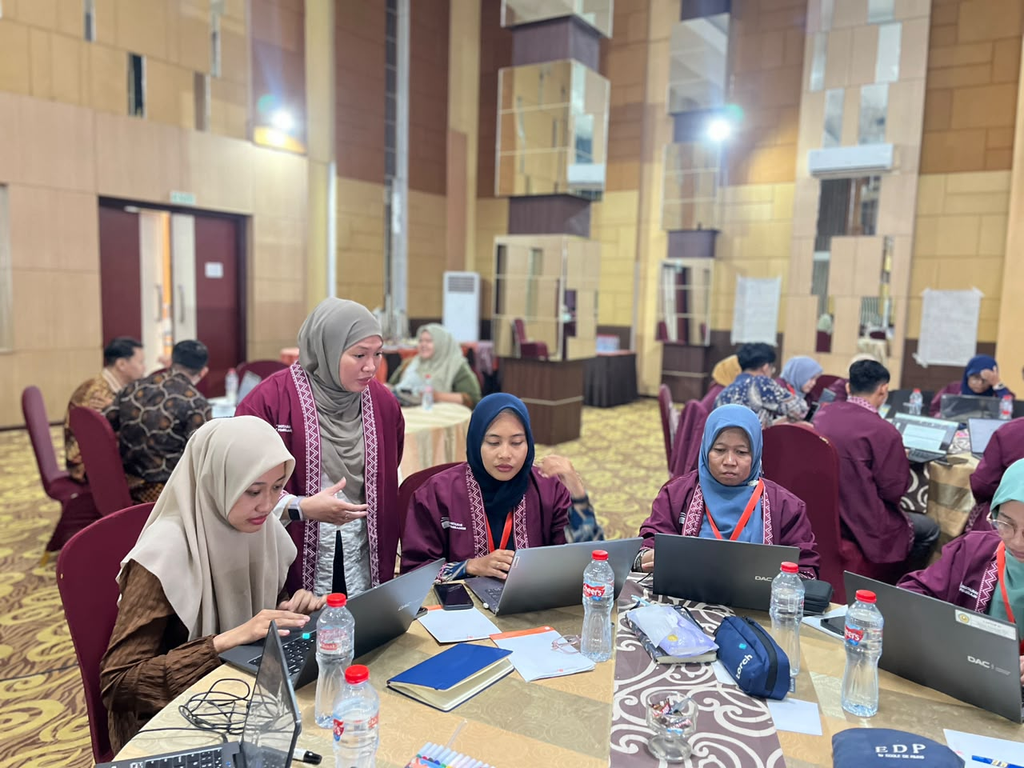
During the activity, participants engaged in discussions, technology exploration, lesson planning, and practical application of digital-based immersive learning. This mentoring is expected to help teachers develop more adaptive, innovative, and relevant learning practices in line with the evolving digital education ecosystem.

This activity also supports the achievement of the Sustainable Development Goals (SDGs), specifically SDG 4: Quality Education and SDG 9: Industry, Innovation, and Infrastructure. Contributions to SDG 4 are realized through increasing educator capacity to deliver quality learning, while SDG 9 is strengthened through optimizing digital technology and infrastructure as part of learning innovation.
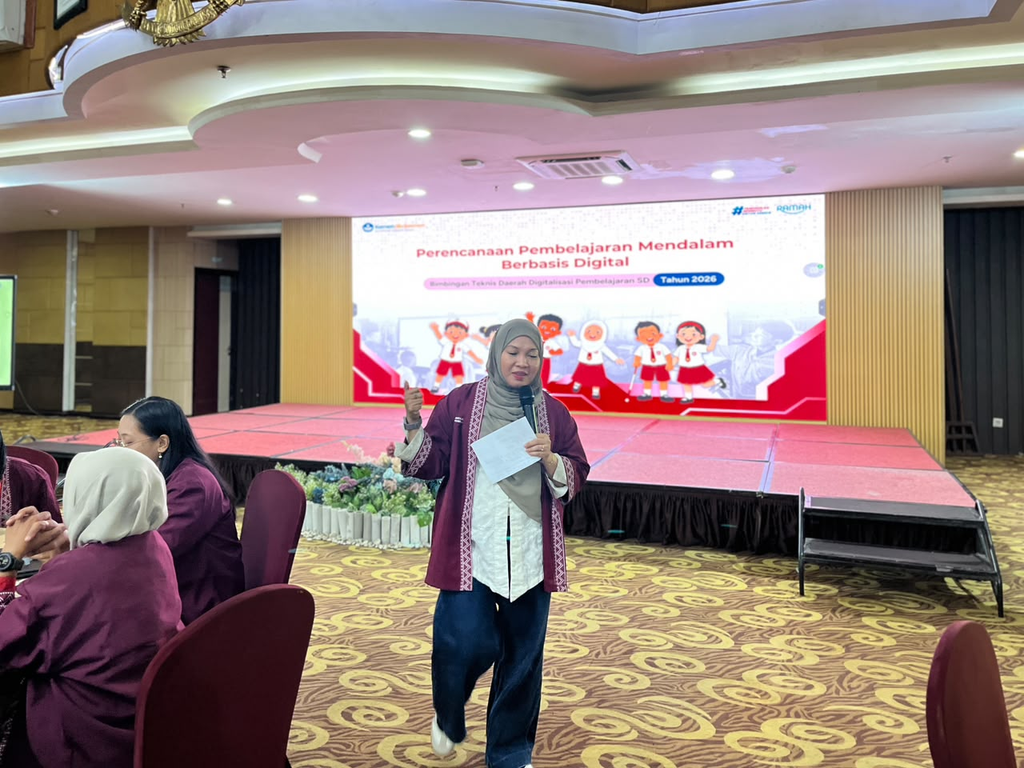
The synergy between the Ministry of Primary and Secondary Education and the Faculty of Education and Training (FIPP) at UNNES demonstrates the importance of collaboration between the government and higher education institutions in driving educational transformation. Providing digital infrastructure must go hand in hand with strengthening teacher competencies so that the available technology truly impacts the quality of the learning process and experiences of students.

Through the involvement of lecturers in the national program, FIPP UNNES continues to strengthen its contribution in supporting the improvement of the quality of basic education, the development of educator competencies, and the transformation of innovative and sustainable technology-based learning.
Related Posts

Leave a Reply

* Kode Akses Komentar:

* Tuliskan kode akses komentar diatas:

GDPR

  • Privacy Policy

Privacy Policy

At unnes.ac.id, the privacy of our visitors is of extreme importance to us. This privacy policy document outlines the types of personal information that is received and collected by unnes.ac.id and how it is used.

Log Files

Like many other Web sites, unnes.ac.id makes use of log files. The information inside the log files includes internet protocol (IP) addresses, type of browser, Internet Service Provider (ISP), date/time stamp, referring/exit pages, and number of clicks to analyze trends, administer the site, track user’s movement around the site, and gather demographic information. IP addresses and other such information are not linked to any information that is personally identifiable.

Cookies

unnes.ac.id uses cookies to store information about visitors’ preferences, to record user-specific information on which pages the site visitor accesses or visits, and to personalize or customize our web page content based upon visitors’ browser type or other information that the visitor sends via their browser.

Third-party ad servers or ad networks use technology in their respective advertisements and links that appear on unnes.ac.id and which are sent directly to your browser. They automatically receive your IP address when this occurs. Other technologies (such as cookies, JavaScript, or Web Beacons) may also be used by our site’s third-party ad networks to measure the effectiveness of their advertising campaigns and/or to personalize the advertising content that you see on the site.

unnes.ac.id has no access to or control over these cookies that are used by third-party advertisers.

You should consult the respective privacy policies of these third-party ad servers for more detailed information on their practices as well as for instructions about how to opt-out of certain practices. unnes.ac.id’s privacy policy does not apply to, and we cannot control the activities of, such other advertisers or web sites.

If you wish to disable cookies, you may do so through your individual browser options. More detailed information about cookie management with specific web browsers can be found at the browsers’ respective websites.

Consent

By using our website, you hereby consent to our privacy policy and agree to its terms.

Update

This Privacy Policy was last updated on: 2023-02-14. Should we update, amend or make any changes to our privacy policy, those changes will be posted here.

Contact Us

If you have any questions, comments, or concerns about our Privacy Policy or our practices with regards to your personal information, please feel free to contact us through the contact form on our website or by emailing us at humas[at]mail.unnes.ac.id.

This Privacy Policy is intended as a general guide to our practices in collecting and using information. If there is any inconsistency between this Privacy Policy and the terms of the Service Agreement or any other terms that may apply to specific services you use, then those specific service terms shall apply.

Terms of Use

By using our website, you agree to abide by this Privacy Policy. If you do not agree with this Privacy Policy, please do not use our website. We reserve the right to update this Privacy Policy from time to time without prior notice. Please review our Privacy Policy periodically to check for changes. Your continued use of our website following the posting of changes to this Privacy Policy means that you accept the changes.

Thank you for reading our Privacy Policy. We are committed to protecting the privacy of our website visitors and will continue to update our Privacy Policy to ensure optimal protection.