
'/%3E%3C/svg%3E)

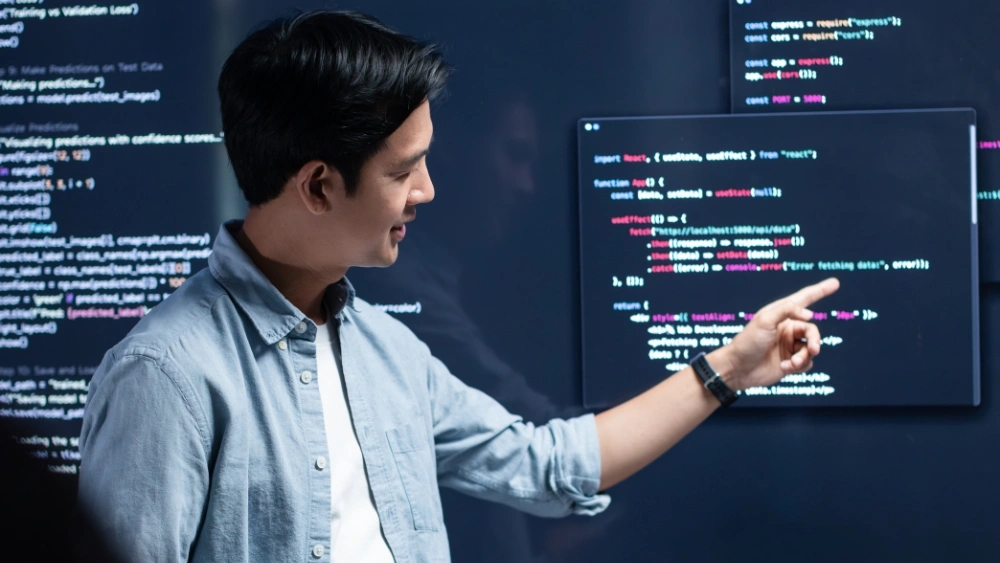
Banyak calon mahasiswa yang masih kesulitan membedakan antara Teknik Informatika, Ilmu Komputer, dan Teknik Komputer.
Secara sederhana, jika Informatika lebih fokus pada pembuatan software (perangkat lunak), maka Teknik Komputer (Computer Engineering) adalah ilmu yang mengawinkan software dengan hardware (perangkat keras). Mahasiswa di jurusan ini diajarkan bagaimana merancang otak dari sebuah mesin, mengintegrasikan sensor, hingga memastikan jaringan komunikasi berjalan aman.
Mata Kuliah Teknik Komputer
Biar kamu mendapat gambaran yang lebih konkret, mari kita bedah garis besar mata kuliah Teknik Komputer yang akan membentukmu menjadi seorang insinyur teknologi masa depan:
1. Rumpun Sains dan Matematika Terapan (Pondasi Insinyur)
Sebagai mahasiswa teknik murni, kamu harus punya fondasi logika dan hitungan yang kuat di semester-semester awal.
- Fokus Pembelajaran: Kamu akan bertemu dengan Kalkulus, Fisika, Aljabar Linier, Matematika Diskrit, Probabilitas dan Statistik, hingga Matematika Teknik dan Metode Numerik. Ilmu ini sangat penting untuk pemodelan sistem dan algoritma.
2. Rumpun Perangkat Keras (Hardware) & Elektronika
Ini adalah ciri khas utama yang membedakan Teknik Komputer dengan jurusan IT lainnya. Kamu akan banyak bermain dengan komponen fisik, sirkuit, dan microcontroller.
- Fokus Pembelajaran: Elektronika, Sistem Digital, Rangkaian Listrik, Sensor, Tranduser dan Data Akuisisi, Organisasi dan Arsitektur Komputer, hingga perancangan Embedded Systems (Sistem Tertanam).
3. Rumpun Programming dan Rekayasa Perangkat Lunak
Tentu saja, sebuah perangkat keras tidak akan bisa bekerja tanpa “nyawa” berupa program. Kamu tetap akan dilatih menjadi programmer yang andal.
- Fokus Pembelajaran: Pemrograman Dasar, Pemrograman Lanjut (Struktur Data), Pemrograman Berorientasi Objek (OOP), Teknologi Web, Basis Data, Komputasi Bergerak (Mobile Computing), hingga penguasaan Sistem Operasi.
4. Rumpun Jaringan, Sinyal, dan Sistem Kendali
Bagaimana sebuah robot bisa bergerak otomatis atau bagaimana komputer-komputer di seluruh dunia bisa saling bertukar data? Semuanya dipelajari di rumpun ini.
- Fokus Pembelajaran: Sinyal & Sistem, Digital Signal Processing, Sistem Kendali, Jaringan Komputer, serta Keamanan Informasi (Cybersecurity) untuk menangkal peretasan data.
5. Rumpun Teknologi Canggih Masa Depan (Mata Kuliah Pilihan)
Di semester atas (semester 5 dan 6), kamu akan menjumpai mata kuliah yang sangat relevan dengan tren Revolusi Industri 4.0.
- Fokus Pembelajaran: Internet of Things (IoT), Kecerdasan Buatan (AI). Selain itu, kamu bisa mengambil spesialisasi seperti Cloud Computing, Machine Learning, Deep Learning, Data Mining, Image Processing and Computer Vision, hingga Teknologi FPGA.
6. Rumpun Proyek Industri dan Softskill
Selain keahlian teknis (hard skill), lulusan Teknik Komputer juga disiapkan agar siap terjun ke dunia profesional.
- Fokus Pembelajaran: Etika dan Profesionalisme, Pengembangan Softskill, Kewirausahaan, System and Project Engineering, Praktik Kerja Lapangan (PKL), hingga penyusunan Perancangan Sistem berskala industri.
Jadilah Insinyur Komputer Masa Depan Bersama UNNES!
Sobat UNNES, menilik kurikulumnya yang sangat komprehensif, lulusan Teknik Komputer memiliki fleksibilitas karier yang luar biasa. Kamu bisa meniti karier sebagai IoT Engineer, Network Security Administrator, Embedded System Engineer, hingga Software Developer.
Jika kamu tertarik untuk menjadi ahli di bidang perangkat keras dan lunak sekaligus, S1 Teknik Komputer di UNNES adalah ekosistem yang sangat ideal. Kurikulum prodi ini didesain adaptif dengan kebutuhan industri dan didukung oleh fasilitas laboratorium keteknikan yang sangat mumpuni.
Mengingat hari ini kita sudah berada di awal Mei 2026, persaingan untuk memperebutkan kursi di perguruan tinggi akan segera memasuki fase krusial! Rangkaian pendaftaran Seleksi Mandiri (SM) UNNES 2026 akan mulai beroperasi penuh pada bulan Mei.
Segera persiapkan dirimu, karena jalur SM Prestasi resmi dibuka sejak 4 Mei 2026. Bagi yang akan bertarung di jalur tes, pendaftaran SM Tulis juga akan menyusul di tanggal 25 Mei 2026.
Terus pantau pembaruan syarat dan tata cara pendaftarannya. Yuk, susun strategimu dan raih masa depan bersama Teknik Komputer UNNES!