University-wide curriculum guidance, cross-faculty activities and a digital tree-monitoring system connect sustainability learning with practical student responsibilities.
SEMARANG, Indonesia — Universitas Negeri Semarang (UNNES) strengthened its approach to sustainability education in 2025 by connecting university-wide curriculum development, compulsory Conservation Education and practical activities supported by digital monitoring.
The approach gives students across academic disciplines a shared foundation in sustainability while allowing study programmes to connect environmental and social challenges with their respective fields. Classroom learning is reinforced through student discussions, projects and conservation activities.
University-Wide Curriculum Direction
UNNES formalised its curriculum direction through Rector Regulation No. 76 of 2025 on Guidelines for Developing an Outcome-Based, Sustainable and Impactful Curriculum.
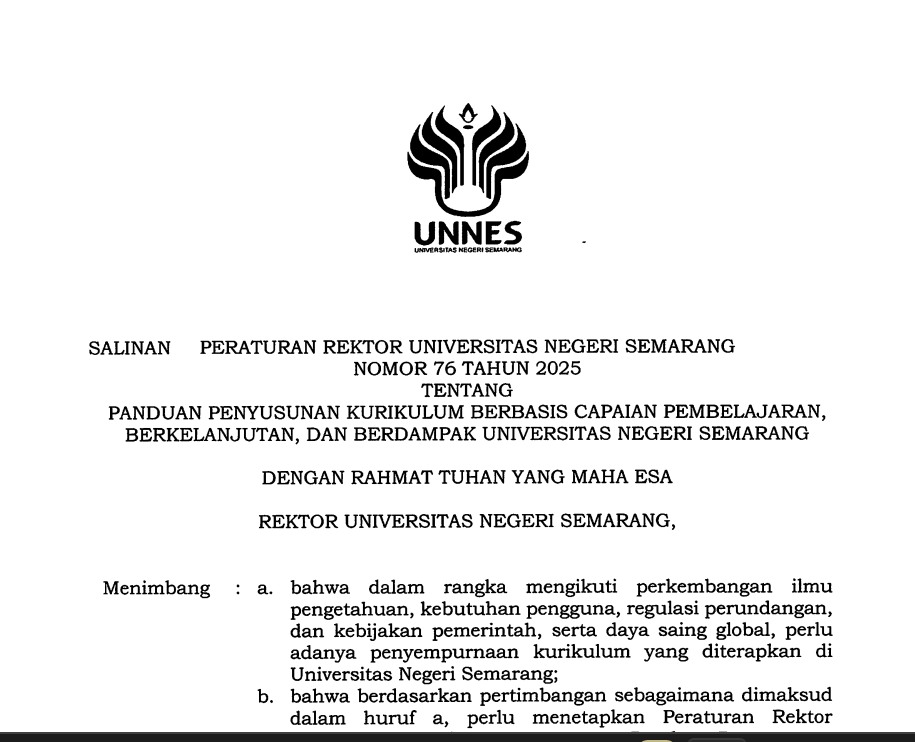
The regulation establishes a common framework for curriculum development across the university. Within this framework, sustainability is associated with long-term educational relevance, sustainable development and UNNES’s identity as a conservation-oriented institution.
Study programmes can apply this direction to their learning outcomes, teaching activities, research and student projects. This provides a basis for connecting sustainability with the knowledge, skills and professional responsibilities relevant to different disciplines.
Connecting Curriculum Development with Professional Needs
The Environmental Science Study Program at the Faculty of Mathematics and Natural Sciences provided one example of this approach through a focus group discussion on 24 June 2025.
The forum involved government agencies, environmental consultants, academics, nongovernmental organisations, industry practitioners and alumni. Participants reviewed graduate competency needs and discussed environmental challenges relevant to curriculum development.
Topics included low-carbon and climate-resilient development, circular economy approaches, the triple planetary crisis, community empowerment, natural-resource conservation and environmental policy.
The discussion brought external perspectives into the curriculum development process, helping the programme connect academic learning with challenges graduates may encounter in government, industry and community settings.

Compulsory Conservation Education Provides a Shared Foundation
UNNES also provides a common foundation through Conservation Education (Pendidikan Konservasi), which its official course plan describes as compulsory for all students.
The course uses a general-education approach, with an emphasis on case-based learning and team-based projects. Students examine conservation values and their application to environmental and social responsibility.
Its scope includes arts and cultural conservation, anti-corruption education, disaster education and sustainable-campus concepts. Topics such as green infrastructure, green energy, climate change, water management, waste management and green transportation connect the course with issues students can observe in everyday life.
By providing this compulsory course across study programmes, UNNES gives students a shared introduction to conservation while encouraging them to consider its relevance to their own disciplines and future professions.
Students from Every Faculty Discuss Conservation in Practice
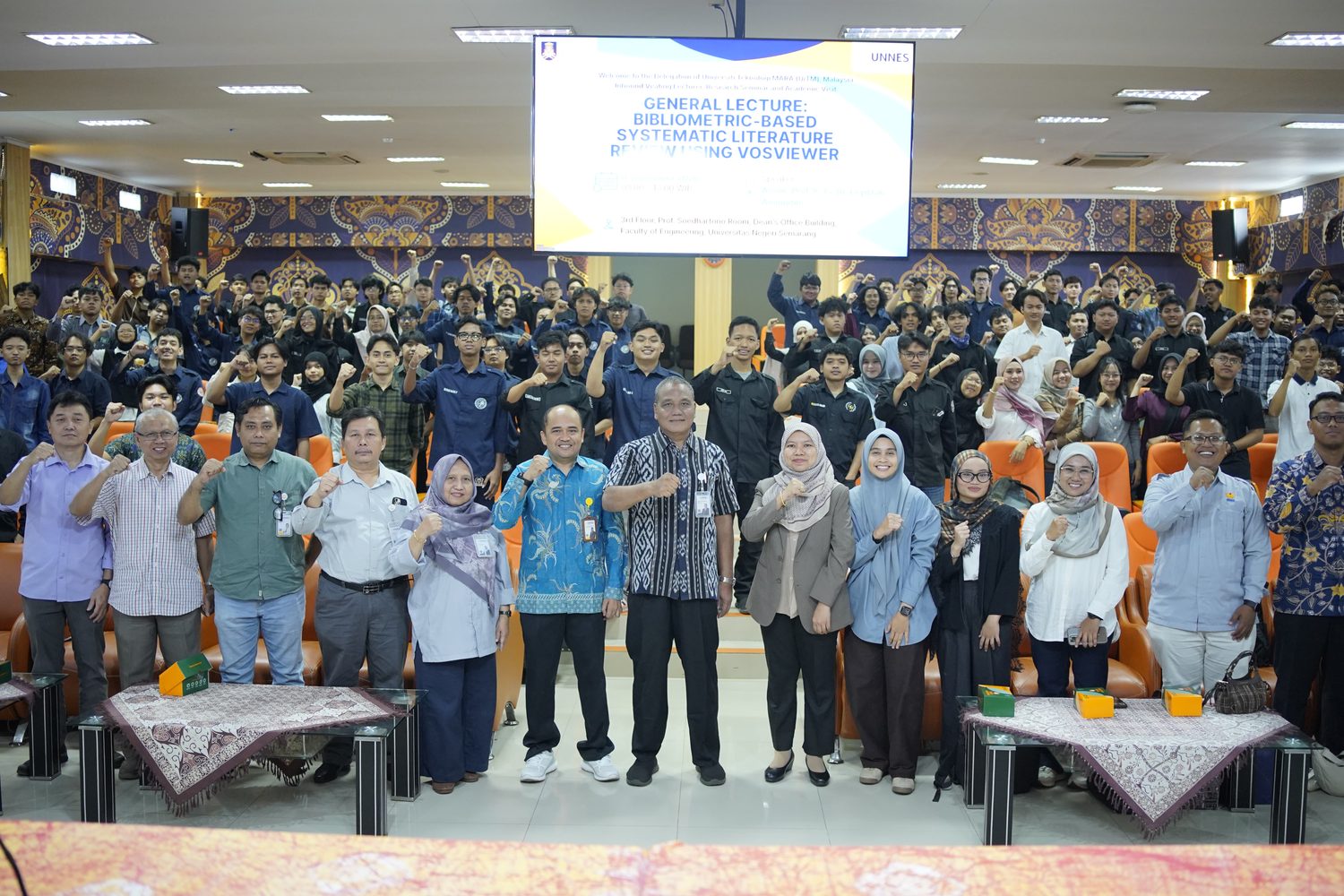
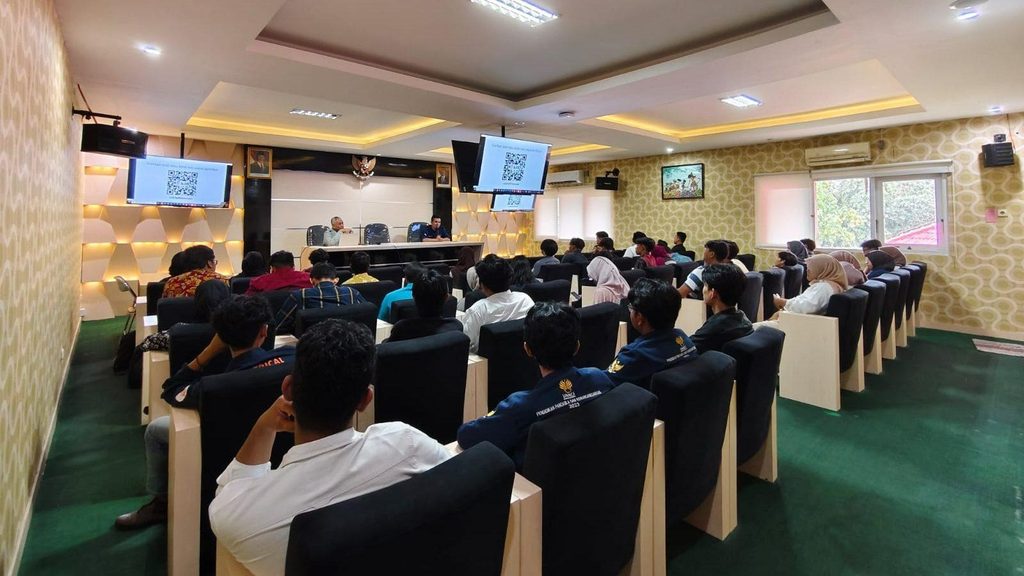
Sustainability learning also extends into cross-faculty activities. On 18 March 2025, the UNNES Conservation Sub-Directorate convened a focus group discussion on aligning conservation values and character, involving student representatives from every faculty.
Participants discussed how conservation could be implemented in academic and non-academic activities. The discussion covered greening, waste management, energy efficiency and environmental innovation.
The forum created an opportunity for students from different academic backgrounds to exchange perspectives and develop a shared understanding of conservation responsibilities within university life.
SiOMON Connects Tree Planting with Follow-Up Care
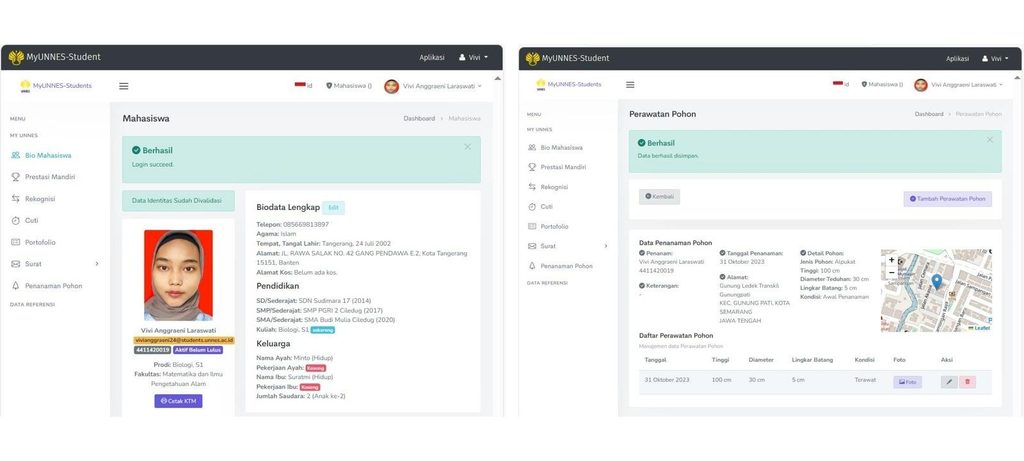
Practical conservation activities are supported by SiOMON (Sistem Informasi Penanaman dan Perawatan Pohon), UNNES’s official information system for tree planting and maintenance.
The 2025 SiOMON guide, issued by the Natural Resources and Environment Section of the UNNES Conservation Sub-Directorate, explains how students document their activities through the MyUNNES-Student platform.
Students can record planting information, geotagged locations, photographs and tree conditions, as well as submit periodic maintenance updates. These records provide a way to document both planting and subsequent care.
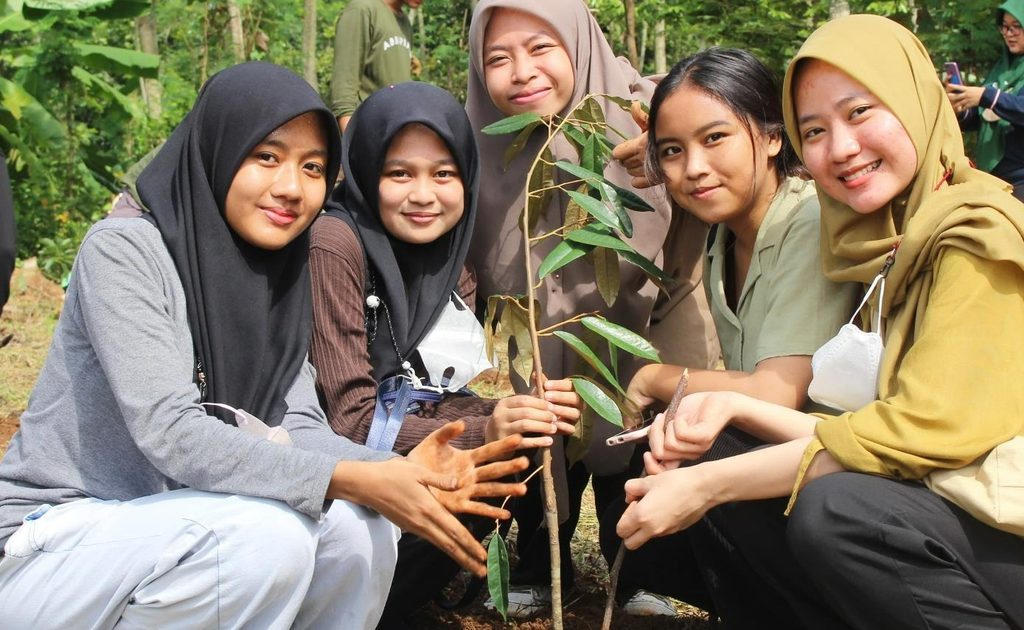
The system connects environmental responsibility with an activity students can carry out and monitor over time. Recording a tree’s location and condition encourages attention to its continued maintenance after planting.
UNNES has long linked student tree planting with academic progression. The 2025 guide documents the continuing digital mechanism for recording and monitoring this responsibility.
Connecting Policy, Learning and Student Action
The curriculum framework, compulsory course, stakeholder discussions and SiOMON serve complementary roles in UNNES’s sustainability education.
University policy provides a common direction. Conservation Education introduces shared values and concepts, while study programmes connect sustainability with disciplinary knowledge and professional needs. Cross-faculty activities broaden student participation, and practical conservation work provides opportunities to apply learning.
Through this approach, UNNES brings sustainability into both academic study and everyday university life, giving students opportunities to understand conservation responsibilities and put them into practice.