Lecturer-led community service and student programmes support hygiene education, nutrition, reproductive health, healthy ageing, mental well-being, and emergency preparedness.
Semarang, Indonesia — Universitas Negeri Semarang (UNNES) delivered community outreach programmes throughout 2025 to promote health and well-being among schoolchildren, adolescents, families, older adults, workers, and other community groups. The activities combined health education, screening, practical training, and mentoring through partnerships with schools, community health centres, community organisations, and public agencies.
Lecturers contributed through university community-service programmes, while students participated through UNNES GIAT. In 2025, GIAT 12 deployed 4,353 students to 355 villages, followed by GIAT 13, involving 2,903 students across 274 villages in Central Java. These figures describe the wider community-service programme, within which students delivered health-related activities alongside other village projects.
Building Hygiene and Health Awareness from an Early Age
School-based outreach introduced children to practical ways of maintaining personal hygiene, recognising health concerns, and using medicines responsibly.
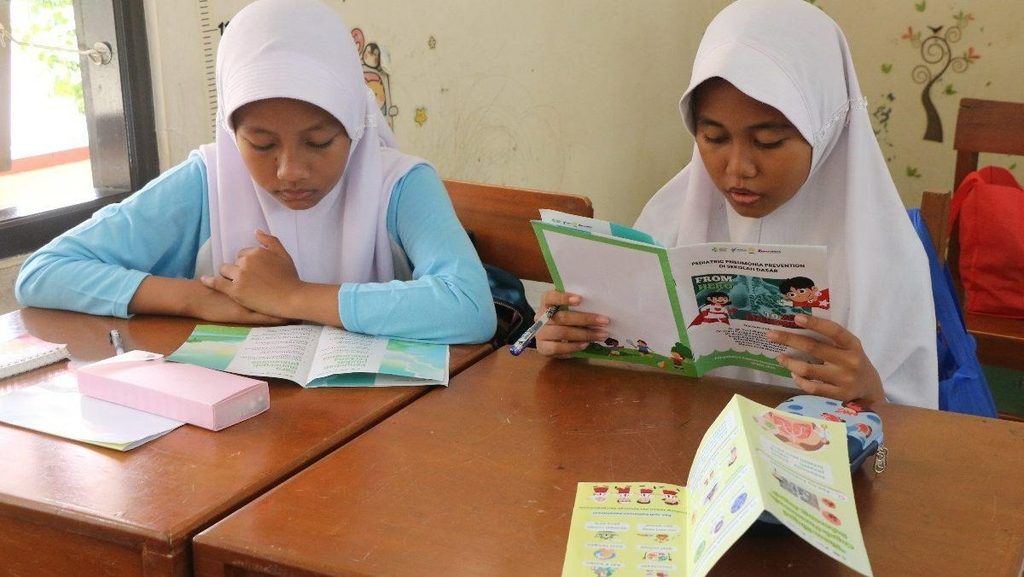
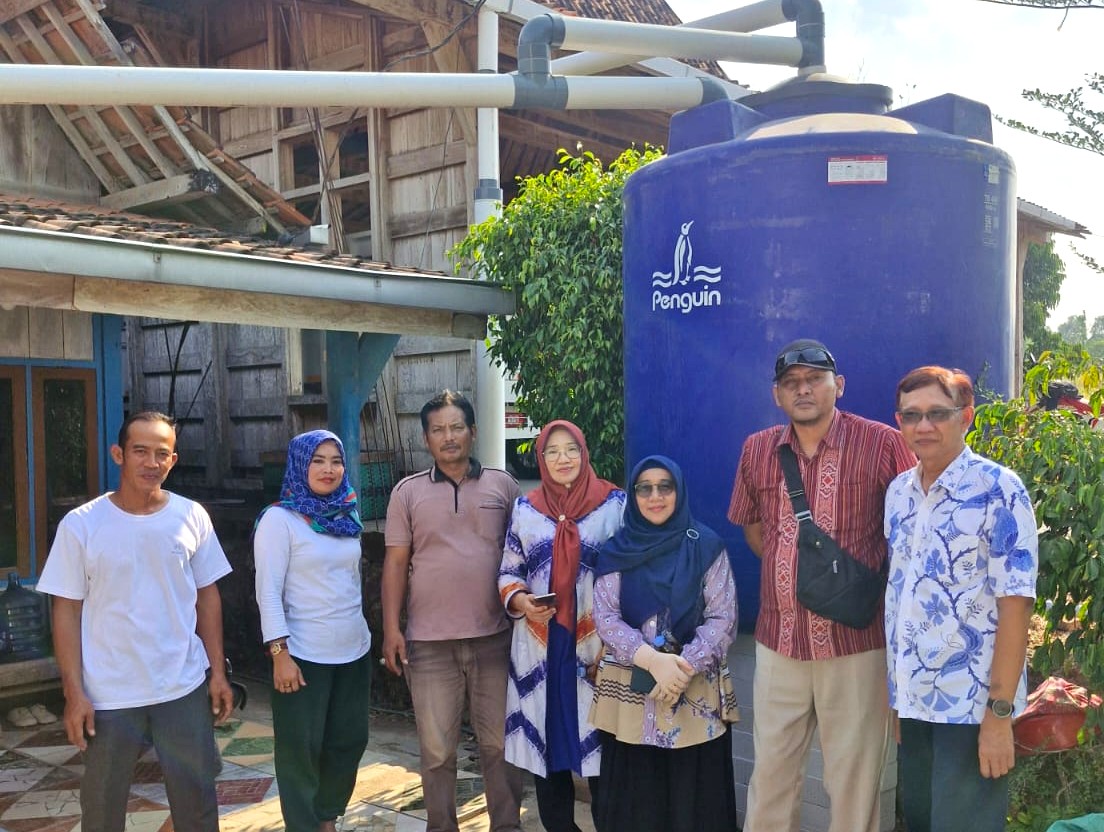
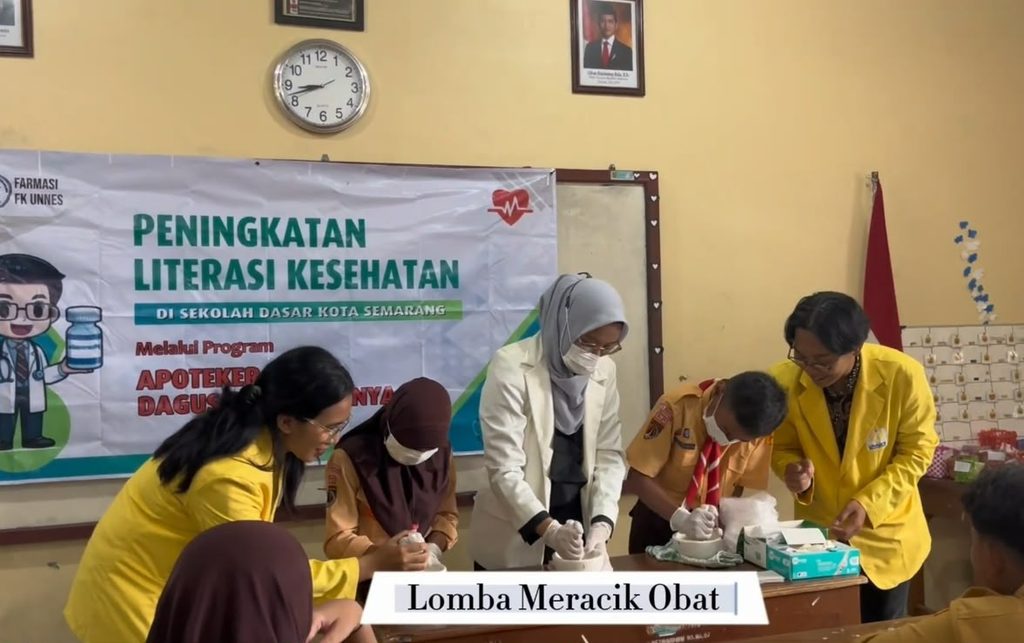
At SD Sekaran 02, UNNES supported a “Little Doctors” programme that introduced pupils to early recognition of illness and pneumonia prevention. Activities also included education on simple clean-water filtration. A complementary “Little Pharmacists” programme introduced basic medicine literacy and safe medicine use.
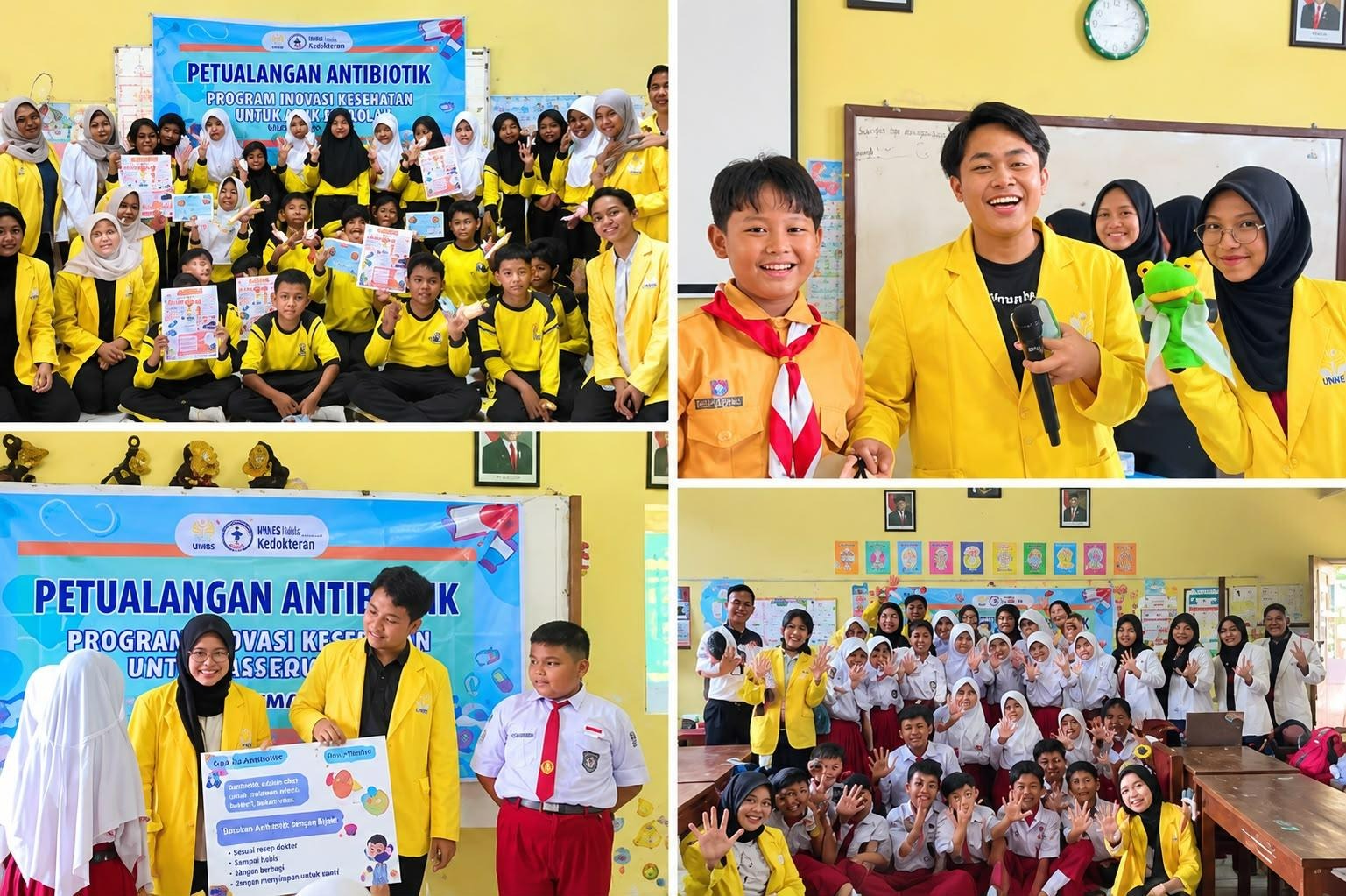
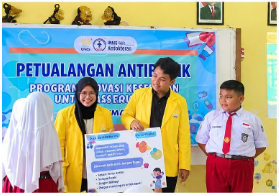
Through Clean and Healthy Living Behaviour (PHBS) activities in Semarang elementary schools, lecturers and students encouraged children to practise personal hygiene in their daily routines. Education on responsible antibiotic use also addressed awareness of antimicrobial resistance.
Community screening extended this work to adolescents. On 12 and 18 July 2025, UNNES students collaborated with Posyandu community health volunteers to conduct colour-vision screening for young people aged 10–18 in Kalijambe Village, Bringin District, Semarang Regency. The activity supported early identification of colour-vision difficulties and awareness of their possible relevance to learning and future career choices.
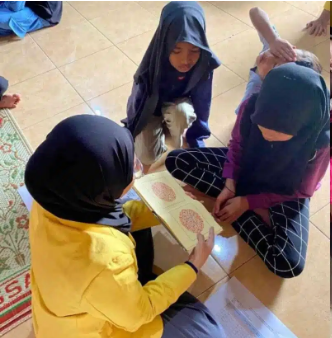
Dengue-prevention outreach included activities with PKK members in Sukorejo and junior secondary school students. Participants learned to prepare citronella- and pandan-based lotions or sprays as part of mosquito-prevention education. These activities provided practical learning opportunities; they did not establish the products’ effectiveness in preventing dengue
.
Promoting Nutrition and Family Food Security
UNNES’s nutrition outreach addressed balanced diets, child malnutrition, stunting prevention, physical activity, and access to diverse local foods.
Activities included balanced-nutrition and physical-activity education in Jepara, education on malnutrition among elementary schoolchildren in Semarang, and participation in Integrated Primary Care activities in Kutorojo, incorporating nutrition counselling and nutritional-status monitoring
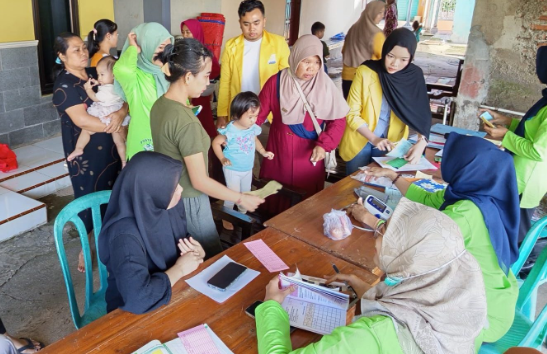
These programmes connected health information with community services, including Posyandu activities, to support the recognition and prevention of nutrition-related problems.
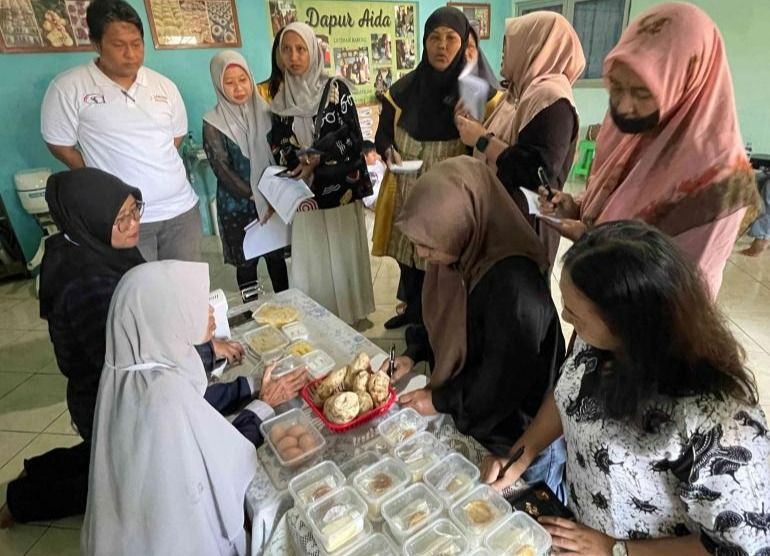
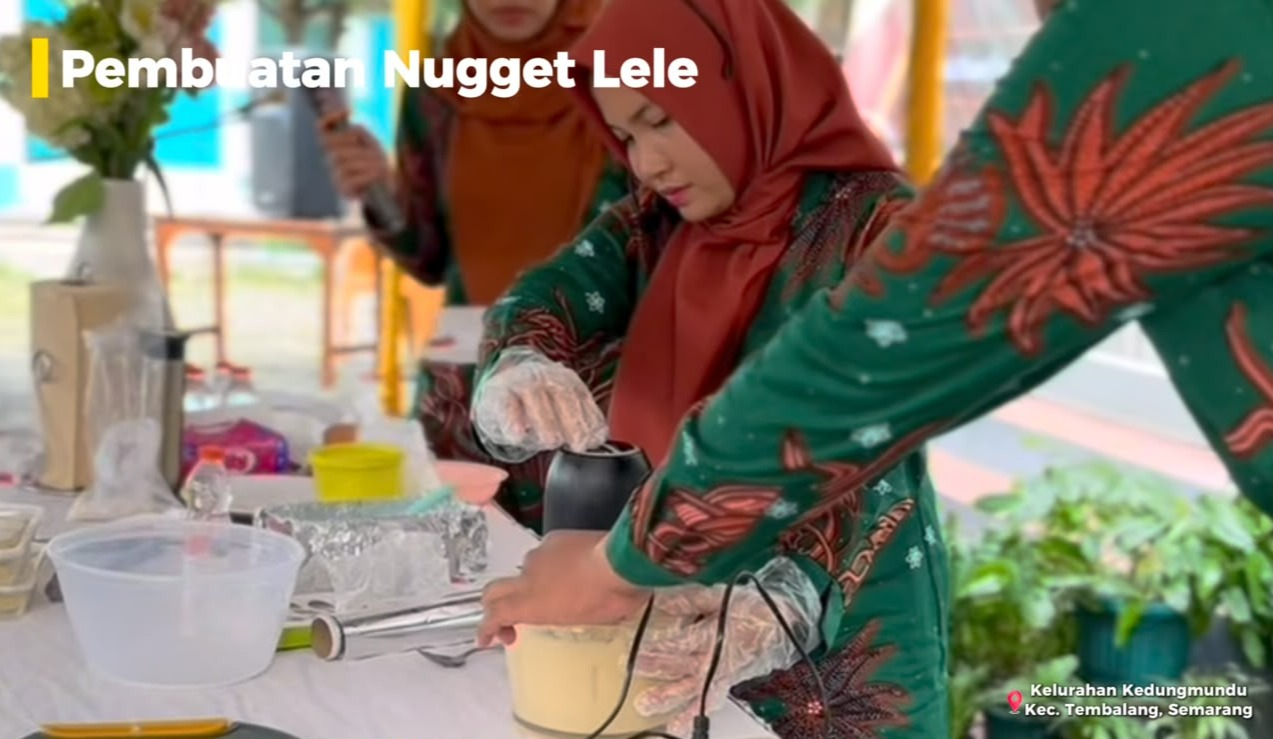
Practical food training introduced residents to a wider range of catfish-based dishes, while collaboration with small businesses explored sweet-potato-based snack development within healthier-food education. The activities focused on food preparation and dietary options without establishing that a particular product prevents diabetes.
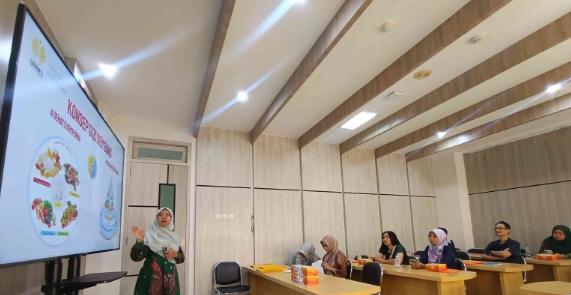
UNNES also encouraged canteen operators to provide information on sugar, salt, and fat content, helping consumers make more informed choices. For young children, nutrition learning was combined with games and physical activity. At Pabrik Tahu Eco, assistance with a 10-day menu cycle supported the planning of meals around workers’ nutritional needs.
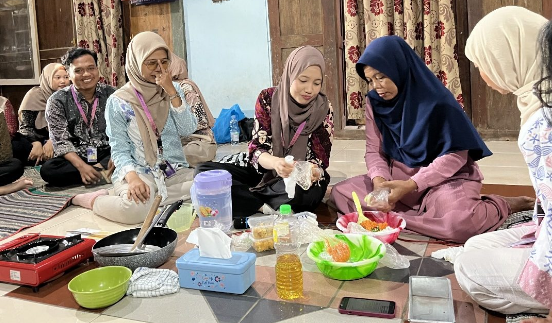
Family food security was addressed through AYOM PANGAN, a programme working with the Mugi Lestari Women Farmers Group in Grobogan. Participants discussed women’s roles in managing household food resources and the use of locally available ingredients, including maize, soybeans, and cassava.
Reproductive Health Education and Child Protection
UNNES provided age-appropriate reproductive-health education and family-focused outreach through schools and community settings.
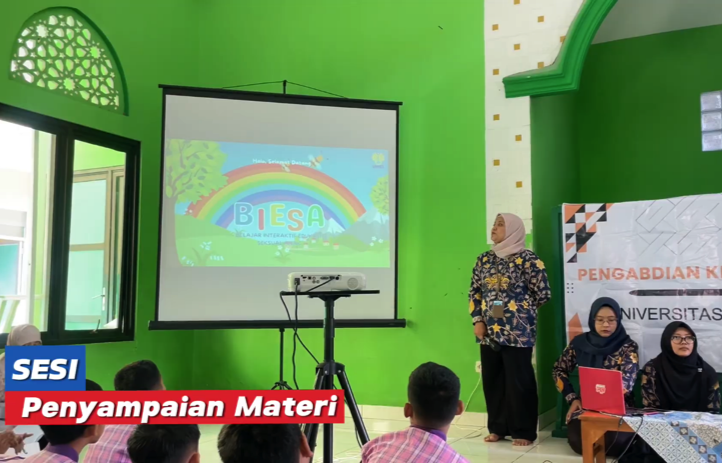
The BIESA educational medium helped elementary school pupils learn about reproductive health and personal protection from potential violence. Outreach for junior secondary students addressed the risks of child marriage, while prospective married couples received information on preconception nutrition and preparation for a healthy pregnancy.
Specialised education also reached sports coaches and physical-education teachers, addressing Female Athlete Triad Syndrome and the importance of recognising related health concerns among female athletes.
Beyond its local outreach, UNNES extended safety-awareness and reproductive-health education to Indonesian migrant workers in Hong Kong, bringing health information to an overseas Indonesian community.
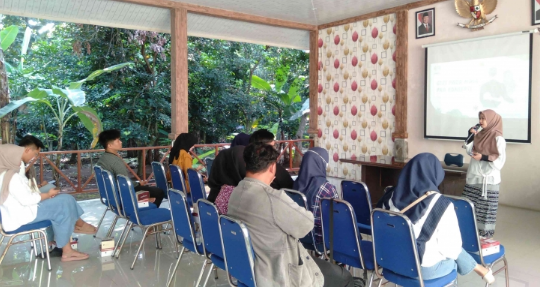
Supporting Healthy Ageing and Community Health Monitoring
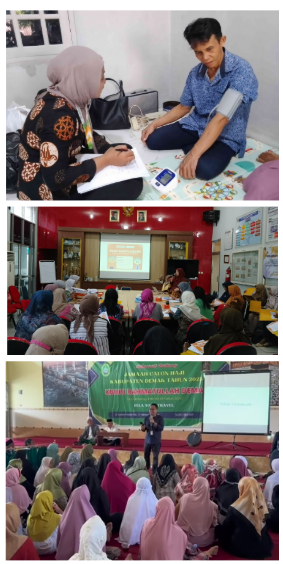
Outreach for adults and older residents combined health checks, education, and tools intended to support ongoing care.
In Mluweh Village, UNNES conducted blood-pressure checks and PHBS education. The university also provided health assistance for prospective pilgrims associated with KBIHU Rahmatullah in Demak.
At Kedungmundu Community Health Centre, the Buku Bantu and MONALISA initiatives supported more structured monitoring of older adults. These activities connected university contributions with primary-care services and attention to healthy ageing.
UNNES also developed a Smart Medicine Box intended to support medication adherence among people receiving tuberculosis treatment. Its purpose was to assist treatment routines; the information provided does not establish a measured improvement in adherence or treatment outcomes.
Strengthening Mental Well-Being and Preventing Bullying
Mental-health outreach addressed the social and emotional conditions that influence community well-being.
Activities for elementary school pupils introduced mental-health literacy and bullying prevention. Other programmes supported the psychological well-being of female students in Islamic boarding schools, creating opportunities for learning about mental health within their educational environment.
UNNES also worked with MGBK SMA, the association of senior secondary school guidance and counselling teachers, on a Multi-Tiered System of Support. This collaboration connected university expertise with school-based approaches to recognising and responding to students’ support needs.
Together, the programmes extended health education beyond physical conditions to include relationships, emotional well-being, and supportive learning environments.
Workplace Safety, Emergency Response, and Disaster Preparedness
UNNES delivered outreach tailored to workers and communities facing occupational or disaster-related risks.
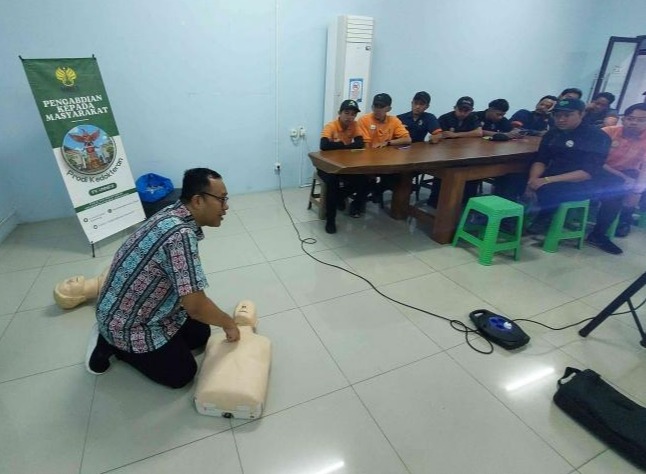
Kitchen workers in the Tawangsari nutritious-meal programme (MBG) received occupational health and safety education. At Saloka Theme Park, staff were trained in responding to medical emergencies involving visitors, connecting practical emergency skills with a public recreation setting.
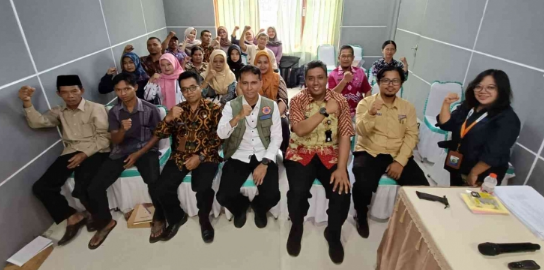
Collaboration with BPBD Pekalongan supported health preparedness in flood-prone communities. UNNES also contributed recommendations to a disaster-nutrition coordination meeting convened by the Central Java Health Office.
The work highlighted the importance of maintaining access to nutrition and reproductive-health services during emergencies, connecting disaster preparedness with the needs of affected populations.
Improving Health-Insurance Literacy and Supporting Food Businesses
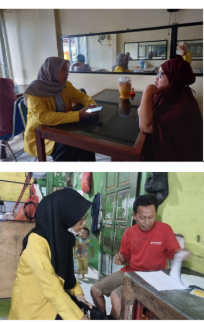
UNNES introduced senior secondary school students to National Health Insurance (Jaminan Kesehatan Nasional, or JKN), explaining its role in access to healthcare. The outreach encouraged young people to understand health coverage before they assume greater responsibility for managing their own care.
The university also assisted micro and small enterprises in Semarang with understanding halal-product requirements and accessing halal certification. This formed part of broader community assistance for food businesses, with halal compliance addressed as a distinct aspect of product assurance.
Connecting University Expertise with Community Needs
UNNES’s outreach brought together lecturer expertise, student participation, and local partnerships to deliver health education and practical support beyond campus. Schools, Posyandu volunteers, community health centres, women’s groups, workplaces, and public agencies provided settings for activities suited to different community needs.
The programmes demonstrate direct university involvement in promoting hygiene, nutrition, physical activity, reproductive health, healthy ageing, mental well-being, and emergency preparedness. Their documented contribution lies in education, screening, training, mentoring, and service support, while longer-term health improvements require follow-up assessment.