

Collaboration with healthcare providers, humanitarian organisations, pharmaceutical institutions, and universities supported health education, preventive services, and research throughout 2025.
Semarang, Indonesia — Universitas Negeri Semarang (UNNES) worked with local, national, and international partners throughout 2025 to support health and well-being through clinical education, community outreach, blood donation, and collaborative research.
The partnerships connected university expertise with healthcare delivery and public-health priorities. Activities ranged from supervised nutrition and pharmacy placements to education on herbal medicine safety, adolescent nutrition research, and academic collaboration on student well-being.
Working with PMI to Support Blood Availability
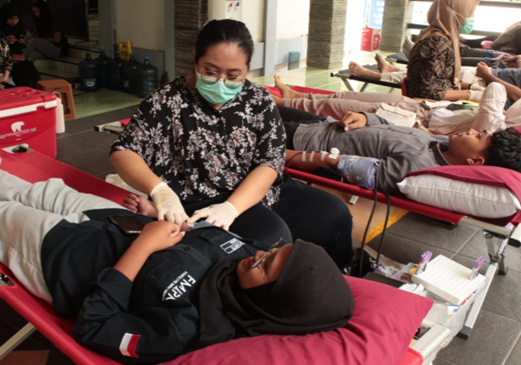
UNNES collaborated with the Indonesian Red Cross (Palang Merah Indonesia, or PMI) to organise 15 blood donation activities between 26 February and 23 December 2025.
Activities took place at the university’s Sekaran campus and extended to Ngemplak Village, Kudus Regency, bringing together members of the university and the wider community. Organisers included PDDI UNNES, student organisations, social-service groups, and student community-service teams.
The partnership supported blood collection for patients in need while encouraging voluntary participation in humanitarian services. The recurring activities demonstrate collaboration between UNNES and a health-related humanitarian institution across the reporting year.
Community Health Outreach with Local Partners
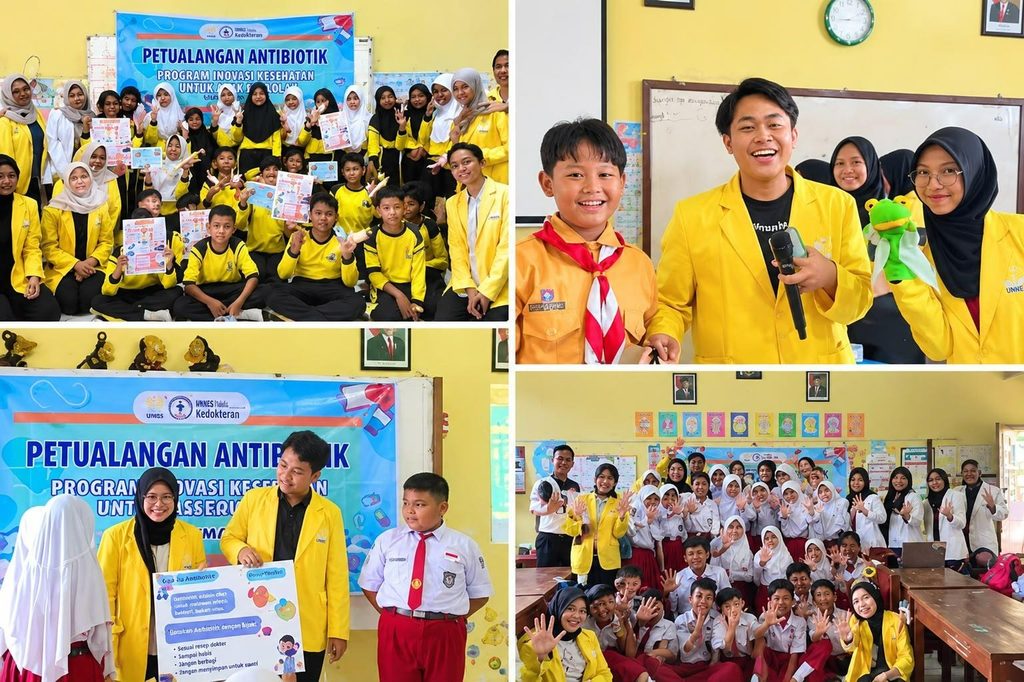
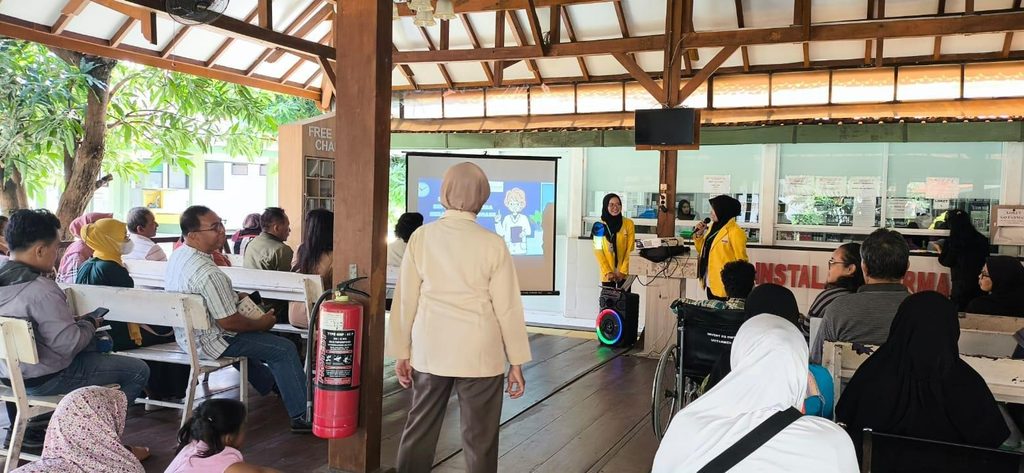
The Faculty of Medicine reported 29 community-service activities in 2025, involving partners such as community health centres, schools, local governments, community organisations, Islamic boarding schools, businesses, and local groups.
The activities addressed health education, nutrition-related problems, clean and healthy living practices, adolescent mental health, and non-communicable disease screening for selected community groups.
Working with local organisations helped connect university-led activities with the populations they were intended to serve. Community health centres and other partners provided settings for preventive education and screening, while UNNES contributed academic expertise and outreach personnel.
The programmes aimed to improve access to health information, encourage preventive behaviour, and strengthen residents’ ability to manage their health. The reported number describes activities delivered, rather than a measured change in population health.
Clinical Nutrition Training across 23 Hospitals
UNNES’s Nutrition Study Programme placed 145 students in 23 hospitals across Central Java, the Special Region of Yogyakarta, and Jakarta for field practice during July–August 2025.
Participating hospitals included RSI Sultan Agung Semarang, RSUD Sunan Kalijaga Demak, RSUD dr. H. Soewondo Kendal, Panti Rapih Hospital Yogyakarta, Bethesda Hospital Yogyakarta, and RSD K.R.M.T. Wongsonegoro Semarang.
Under clinical supervision, students practised the Assessment, Diagnosis, Intervention, Monitoring, and Evaluation (ADIME) stages of nutrition care. They also learned about hospital food-service management and the preparation of diets tailored to patients’ needs.
These placements connected university education with clinical practice. Hospital instructors provided professional supervision, while students developed competencies relevant to patient-centred nutrition services and their future roles as nutrition professionals.
Pharmacy Placements Connect Education with Healthcare Services
The Pharmacy Study Programme deployed 105 students between June and October 2025 to develop clinical, managerial, and pharmaceutical competencies through workplace learning.
Local placement settings included the Semarang City Health Office, community health centres such as Bangetayu, Srondol, and Gunungpati, hospitals including RSD K.R.M.T. Wongsonegoro and RSI Sultan Agung, and networks of pharmacies and pharmaceutical wholesalers.
Students gained experience in pharmaceutical supply management, medicine information, service-quality standards, and patient-safety principles. The placements enabled them to understand how pharmaceutical services operate across different levels of healthcare provision.
The programme also extended to national institutions and industry partners. These included BBPOM Semarang, the Air Force Pharmaceutical Institute (LAFI-AU) in Bandung, Bhayangkara Level I Hospital Kramat Jati in Jakarta, and Dr. Ario Wirawan Pulmonary Hospital in Salatiga.
Placements with PT Phapros, PT Erela, PT Etercon Pharma, PT Enseval Putera Megatrading, and PT Millennium Pharmacon International Tbk introduced students to pharmaceutical manufacturing and distribution. These partnerships broadened learning about medicine quality, production processes, supply chains, and responsible pharmaceutical management.
National Collaboration on Herbal Medicine Safety

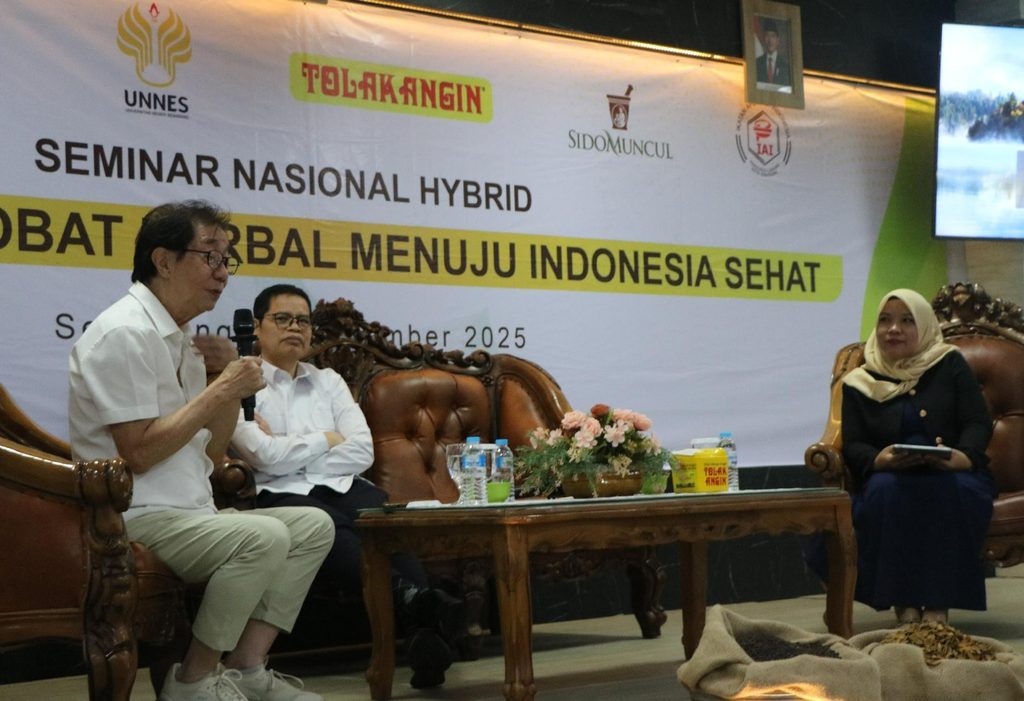
UNNES collaborated with PT Industri Jamu dan Farmasi Sido Muncul Tbk to organise the hybrid national seminar “The Use of Herbal Medicines towards a Healthy Indonesia” on 2 September 2025.
The event attracted 1,100 healthcare professionals and brought together academics, industry practitioners, and representatives of BPOM and the Ministry of Health.
Discussions covered phytopharmaceutical research, clinical testing, the safety, quality, and efficacy of traditional medicines, and good manufacturing practices. The seminar provided a forum for examining herbal medicines through scientific evidence and regulatory perspectives.
The collaboration aimed to strengthen professional understanding of safe and evidence-based herbal medicine use while connecting higher education, health authorities, and industry.
Research with Universitas Hasanuddin on Adolescent Nutrition
UNNES also collaborated with Universitas Hasanuddin (UNHAS) on research examining the relationship between ultra-processed food consumption, physical activity, and overweight among adolescents on Java and other Indonesian islands.
The study addressed dietary and behavioural factors relevant to adolescent health. Its geographical scope provided an opportunity to examine these relationships across different settings.
The research was intended to inform understanding of nutrition-related risks and provide evidence relevant to future prevention efforts. Its contribution centres on generating knowledge; the information provided does not establish that the findings had already produced changes in health outcomes.
International Research with Taipei Medical University
At the international level, UNNES reported joint research with Taipei Medical University, Taiwan, through the study “Adolescent Health Behaviors: An Examination of Dietary Intake, Physical Activity, and Nutrition Status.”
The collaboration focused on dietary intake, physical activity, and adolescent nutritional status. It connected UNNES researchers with an overseas medical university around shared public-health questions.
By examining factors associated with adolescent health, the partnership sought to strengthen the scientific basis for nutrition education and preventive approaches. It also expanded opportunities for international exchange in public-health research.
Academic Collaboration with Monash University on Student Well-Being
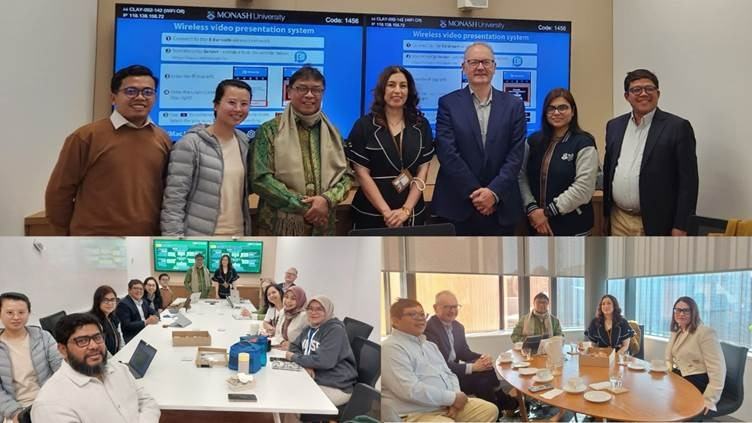
UNNES’s collaboration with Monash University, Australia, addressed sense of belonging and student well-being through research discussions, academic exchange, and consideration of evidence-based policy recommendations.
The work explored the psychological and social dimensions of university life, including students’ connections to their academic community and the role of supportive learning environments.
This collaboration broadened the university’s health-related partnerships beyond clinical services to include research on the conditions that support student welfare. Its documented activities concerned academic exchange and research development, rather than the delivery of clinical mental-health services.
Connecting Partnerships with Health and Well-Being Priorities
The activities reported for 2025 demonstrate UNNES’s institutional engagement with healthcare providers, health authorities, humanitarian organisations, pharmaceutical partners, and universities.
Local collaborations supported blood donation, community outreach, and supervised clinical learning. National partnerships expanded professional education and adolescent nutrition research. International collaboration added expertise in adolescent health and the psychological and social aspects of student well-being.
Across these partnerships, UNNES contributed through education, research, preventive activities, and community service. Their immediate outputs include training placements, outreach activities, blood donation events, professional education, and collaborative research—all directed towards supporting better health and well-being.