

Training in Ngesrepbalong connects orchid conservation, educational site management, and local guiding skills, while village tourism planning supports community participation in destination development.
Semarang, Indonesia — Universitas Negeri Semarang (UNNES) provides community education and outreach that connects the management of local natural resources with sustainable tourism development. In 2025, its Rumat Anggrek programme in Ngesrepbalong Village, Limbangan District, Kendal Regency, brought together forest orchid conservation, practical training, and mentoring for community-based ecotourism.
Through its Faculty of Mathematics and Natural Sciences (FMIPA), UNNES supported residents in developing the knowledge and skills needed to manage a conservation-based educational destination. The programme linked the care of native plants and cultivation facilities with visitor education, local guiding, and tourism-package development.
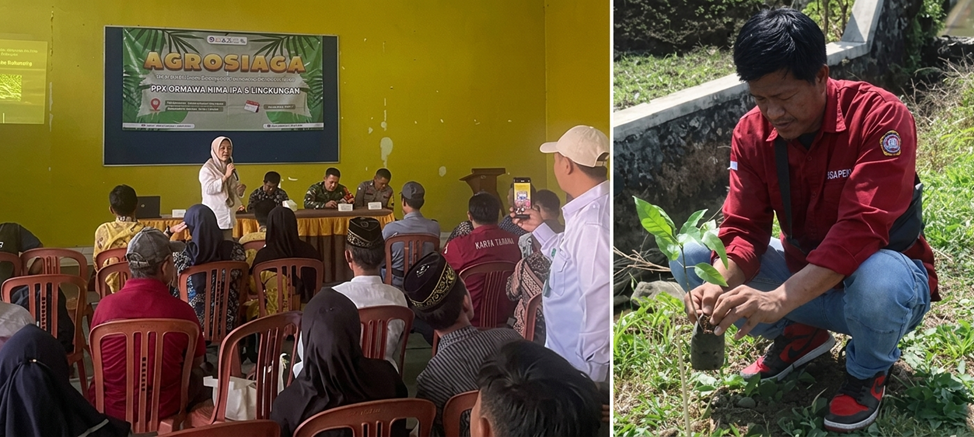
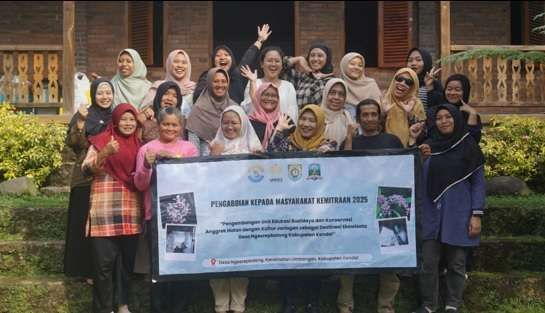
Led by Prof. Dr. Enni Suwarsi Rahayu, Rumat Anggrek received support through the 2025 UNNES Institute for Research and Community Service (LPPM) budget. Training began on 25 June 2025 at the tissue culture laboratory in Gempol Hamlet, Ngesrepbalong Village, involving 16 local conservation practitioners.
The village government was represented by Munasikin, a conservation coordinator and founder of the community organisation Omah Sawah. UNNES academics, staff, and Biology students contributed teaching, technical assistance, and programme support.
Participants received instruction in orchid tissue culture, tourism-package costing, and visitor guiding. Teaching combined tutorials, demonstrations, and discussion, with assignments to develop tourism packages and a community survey to gather views on proposed visitor experiences.
Managing Conservation Facilities as Educational Tourism Spaces
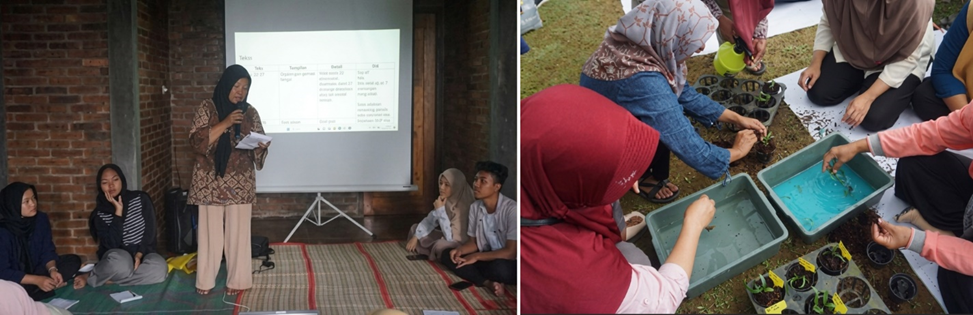
Rumat Anggrek centres on a forest orchid cultivation and conservation unit, incorporating a tissue culture laboratory and Omah Anggrek, a protected growing facility for orchid care. These facilities provide a setting where community members can connect plant conservation with educational tourism.
Training introduced residents to the diversity of Mount Ungaran’s forest orchids and the skills needed for propagation and species conservation. Mentoring also covered ecotourism management, marketing, and the financial planning of tourism packages.
The programme’s relevance to sustainable land management lies in connecting the use of village cultivation and conservation spaces with their ecological purpose. Residents learn to develop visitor activities around plant care and conservation education, making biodiversity stewardship part of the destination’s operation.
Preparing Residents to Guide Visitors and Maintain Facilities
UNNES provided educational equipment and growing-facility supplies, accompanied by instruction on their use and maintenance. Guide training included demonstrations of how to present the destination’s educational content, while costing tutorials addressed the expenses involved in developing tourism packages.
This combination prepared participants for practical responsibilities in operating an educational destination: maintaining learning facilities, explaining conservation activities, and organising visitor experiences. Community consultation also gave residents a role in shaping the tourism products being developed.
Village Tourism Planning in Surengede
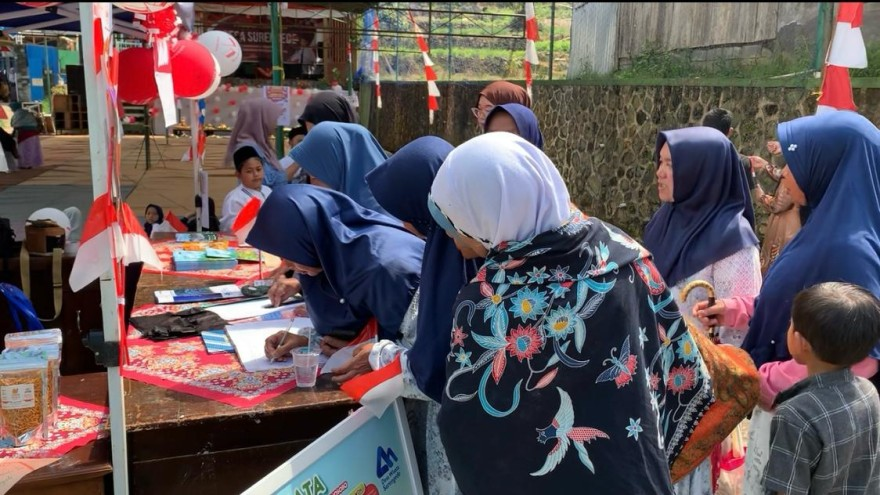
UNNES also contributed to tourism planning in Surengede Village, Kejajar District, Wonosobo Regency. The village government’s account of a community event on 16 August 2025 identified a Village Tourism Master Plan among the outputs presented by the UNNES community service team.
The document was described as a guide for developing tourism around the village’s cultural and agricultural resources. It provides a planning output through which local potential can be considered together, supporting discussion about the direction of village tourism development. The documented achievement is the preparation and presentation of the plan; implementation of individual development proposals remains a separate stage.
Earlier Participatory Mapping Provides Resource Information
Earlier UNNES community outreach in Ngesrepbalong provides additional context for understanding local land resources. A study published in January 2024 documented farmer education, participatory mapping, and field surveys that identified 75 coffee plots.
The resulting database recorded characteristics such as land area, ownership, coffee varieties, cultivation systems, and productivity. Its documented purpose was to support the development of a geographical indication for Mount Ungaran coffee.
Such information offers a potential reference for understanding agricultural assets within a tourism village. However, the study does not establish that the database was subsequently used to determine tourism routes or destination zoning in 2025.
Through Rumat Anggrek, UNNES delivers practical community education that brings conservation into the development and management of an ecotourism destination. Training in orchid care, facility maintenance, guiding, and tourism planning gives residents opportunities to manage local natural assets as learning resources while developing community-based visitor experiences.