Universitas Negeri Semarang (UNNES) continues to advance its commitment to sustainable energy management through an institutional energy efficiency plan designed to reduce overall energy consumption, improve building performance, and expand renewable energy utilization across campus facilities.
The initiative forms part of the university’s long-term commitment to achieving carbon neutrality by 2045, as established under Rector’s Decree No. B/3669/UN37/HK.02/2024. It is further supported by Rector’s Circular Letter No. B/28595/UN37/PA.00.00/2024 concerning Green Buildings, which provides institutional guidance on energy efficiency, building operations, equipment maintenance, and renewable energy integration. Through these policies, UNNES has established a framework for managing campus energy consumption while gradually transitioning toward more sustainable energy sources.
Renewable Energy Contributes 6.605% of Annual Electricity Consumption
According to the university’s UI GreenMetric Questionnaire 2025, UNNES recorded total electricity consumption of 7,115,129 kWh in 2025. During the same reporting period, the university reported approximately 469,960.2 kWh of renewable energy production, equivalent to 6.605% of its annual electricity consumption. These figures demonstrate the university’s efforts to diversify its energy supply and reduce dependence on conventional grid electricity.
UNNES has developed five renewable energy sources, comprising solar photovoltaic systems, biogas, biomass, biodiesel or bio-oil, and wind energy. Solar power remains the dominant contributor, accounting for almost all renewable energy production reported by the university. The renewable energy initiatives also support teaching, research, and technological innovation, particularly in the development of alternative energy technologies.
Solar Energy as the Main Component of Campus Energy Transformation
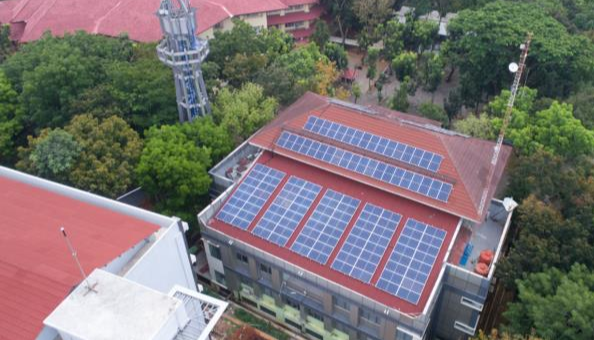
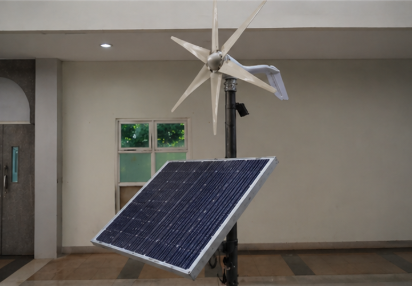
Solar photovoltaic systems represent the largest renewable energy initiative implemented at UNNES. The university’s renewable energy inventory records 1,240 photovoltaic panels, with a combined installed capacity of 402,325 watt-peak (402.325 kWp).
The installations comprise:
- 1,131 photovoltaic panels rated at 350 Wp.
- 14 photovoltaic panels rated at 250 Wp.
- 8 photovoltaic panels rated at 100 Wp.
- 47 photovoltaic panels rated at 25 Wp for street and garden lighting.
- 40 photovoltaic panels rated at 25 Wp for the reservoir building.
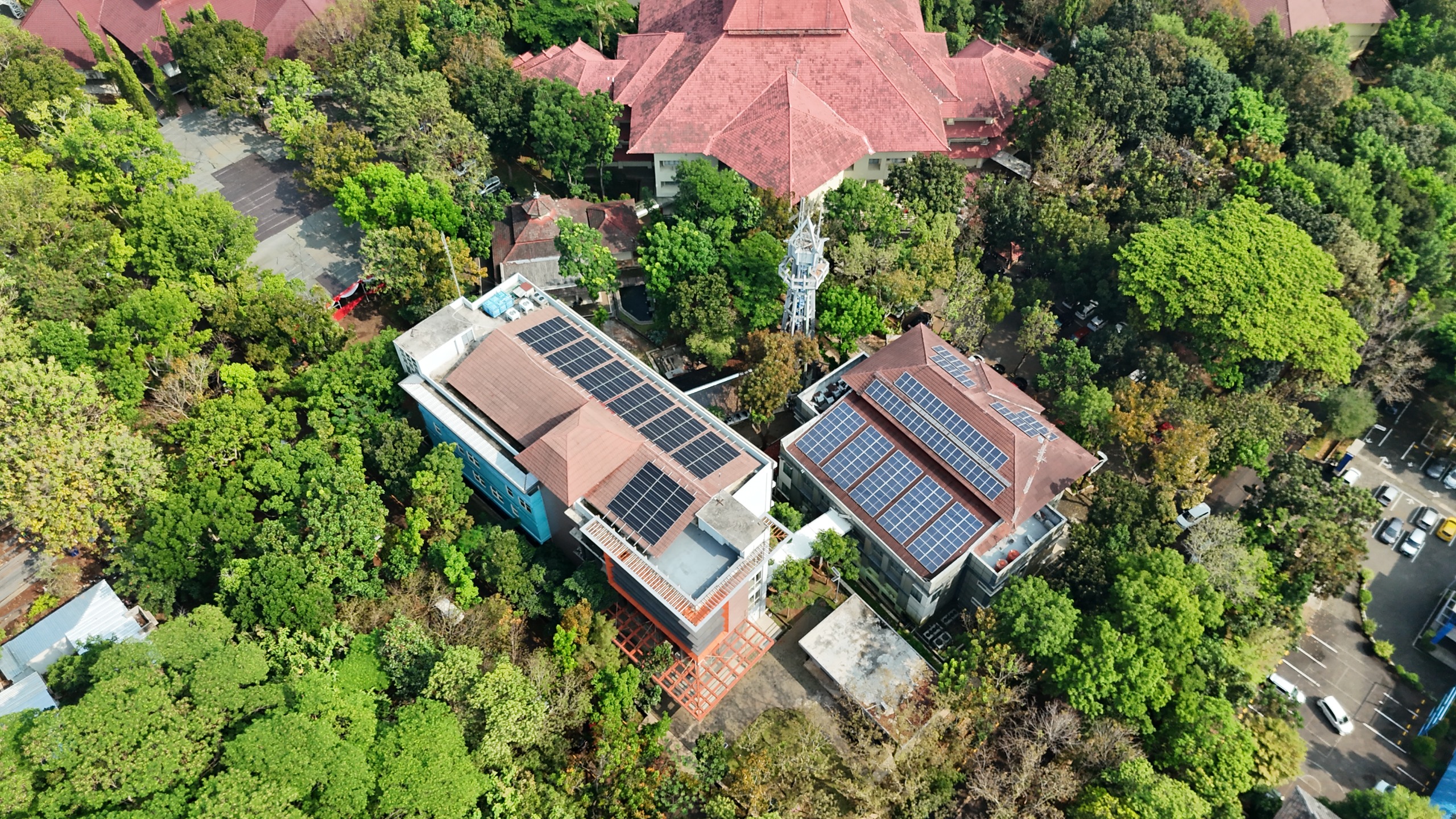
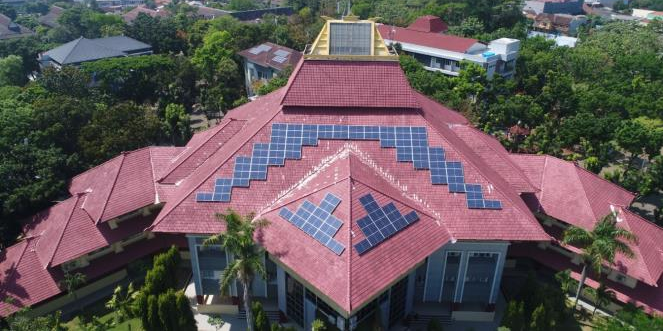
Based on the university’s calculation assumptions of four peak sunlight hours per day and 20% system losses, these installations are estimated to generate approximately 469,916 kWh of electricity annually. Solar photovoltaic systems have been integrated into the rooftops of major campus facilities, including the Rectorate, Information Technology Centre, University Library, Entrepreneurship Building, LP2M, LP3, faculty dean buildings, and other supporting facilities.
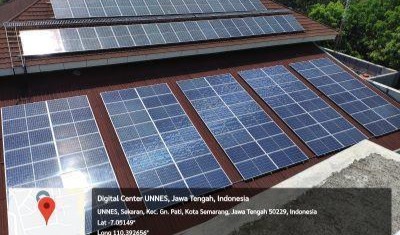
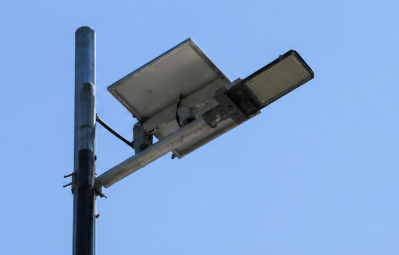
The university also utilizes solar energy for outdoor lighting, garden lamps, and electric mobility infrastructure. The installations are supported by inverters and energy monitoring technologies that facilitate the management of renewable electricity generation. By integrating solar photovoltaic systems into existing campus infrastructure, UNNES aims to reduce reliance on grid-supplied electricity and strengthen the use of clean energy in university operations.
Diversifying Renewable Energy Through Biogas, Biomass, Bio-Oil, and Wind Technologies
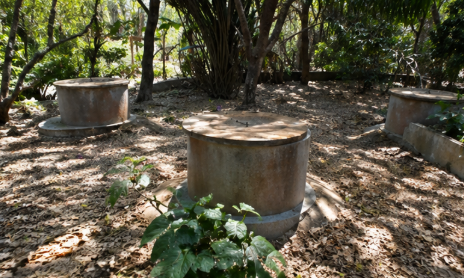
In addition to solar energy, UNNES continues to develop alternative energy technologies through research and practical implementation. Biogas energy is utilized at the Kalisegoro Female Student Dormitory, where an installed biogas system generates approximately 43 kWh annually. The initiative combines renewable energy utilization with waste management practices.
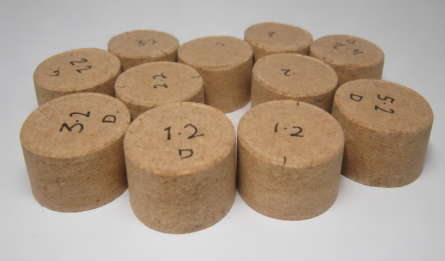
Biomass energy is developed through research on briquettes produced from sengon wood waste. The initiative, conducted through the Faculty of Engineering, demonstrates the potential of biomass residues as alternative energy resources.
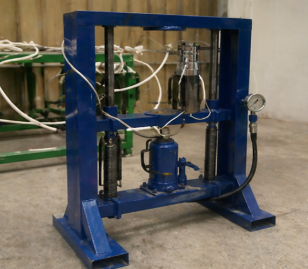
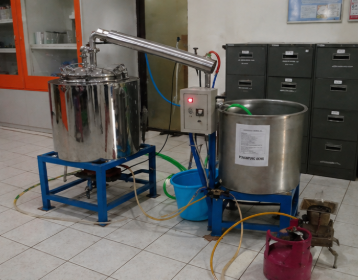
Biodiesel and bio-oil technologies are also being investigated through engineering research involving pyrolysis of biomass materials, including coconut shells and sugarcane residues. These activities contribute to the development of renewable fuel technologies and the utilization of agricultural waste.

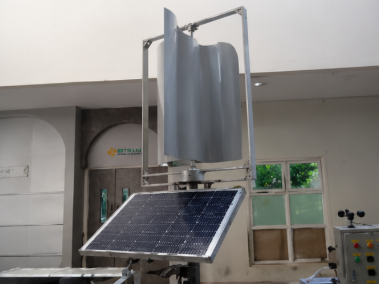
Meanwhile, wind energy development is supported by a prototype wind power generator in the Green Energy Laboratory of the Electrical Engineering Department. The system functions as an educational and research facility for renewable energy technology. Although their current energy contributions remain relatively small, these initiatives demonstrate UNNES’s commitment to renewable energy diversification and research-based technological development.
Improving Energy Efficiency Through Sustainable Building Management
Renewable energy development is complemented by the university’s institutional energy efficiency plan. Under Rector’s Circular Letter No. B/28595/UN37/PA.00.00/2024, UNNES promotes efficient building operations through energy management planning, monitoring, regular equipment maintenance, and the gradual replacement of conventional technologies with energy-efficient alternatives. The policy also encourages appropriate selection of air conditioning systems, efficient lighting, and operational scheduling to minimize unnecessary energy consumption. These measures are designed to reduce electricity demand while maintaining comfortable and functional learning, research, and administrative environments. The integration of renewable energy generation with building energy efficiency measures represents a coordinated approach to improving the sustainability of campus operations.
| No | Renewable Energy | Production (kWh) |
| 1 | Solar panel | 469,916 |
| 2 | Biogass | 43 |
| 3 | Biomass | 0.4 |
| 4 | Biodiesel | 0.5 |
| 5 | Wind | 0.3 |
| Total | 469,960.2 |
Ratio = 469,916 7,115,129 ×100%=6.605 %