


Semarang — Fakultas Matematika dan Ilmu Pengetahuan Alam (FMIPA) Universitas Negeri Semarang (UNNES) memperkuat komitmennya terhadap efisiensi energi dan pengurangan emisi karbon melalui kajian penggunaan energi, Energy Use Intensity (EUI), jejak karbon, serta potensi penyerapan karbon oleh vegetasi kampus. Kajian tersebut dituangkan dalam penelitian “Assessing Energy Efficiency Potential and CO₂ Emission Reduction Through Energy Use Intensity and Vegetation-Based Carbon Balance in University Campuses” oleh Maulana Malik Wicaksono, Sri Ngabekti, dan Amnan Haris dari FMIPA UNNES yang terbit di jurnal nasional SINTA 2 pada januari 2026.
Penelitian menunjukkan bahwa bangunan laboratorium merupakan pengguna energi listrik tertinggi dengan konsumsi rata-rata mencapai 6.916,94 kWh per bulan. Analisis juga menunjukkan bahwa penerapan skenario penghematan energi berpotensi menurunkan konsumsi listrik FMIPA sebesar 32,64%, sekaligus menurunkan dampak emisi dari penggunaan energi.
Temuan tersebut menjadi dasar pengelolaan energi FMIPA berbasis data. Melalui pengukuran konsumsi listrik dan Energy Use Intensity (EUI), fakultas dapat mengidentifikasi bangunan dengan penggunaan energi relatif tinggi dan menentukan area yang membutuhkan intervensi efisiensi. Dalam penelitian, bangunan laboratorium menjadi salah satu prioritas karena penggunaan peralatan berintensitas energi tinggi dan operasional yang lebih panjang.
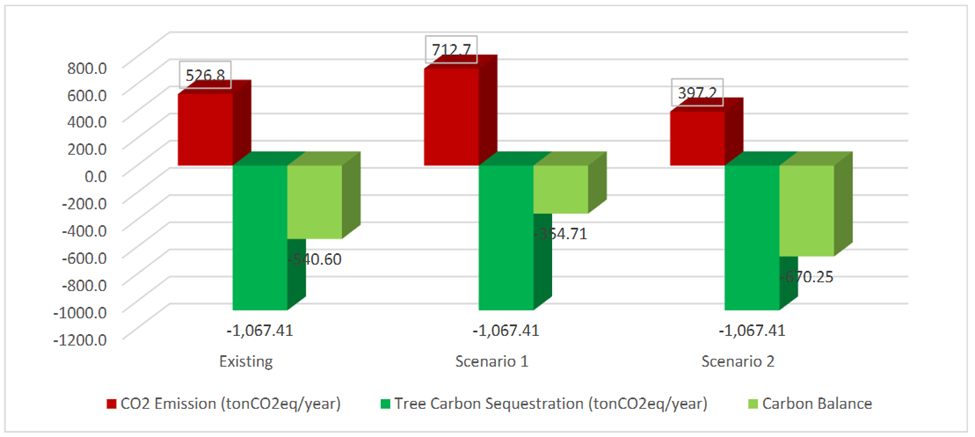
Dari sisi karbon, konsumsi listrik FMIPA menghasilkan jejak karbon sekitar 526,81 ton CO₂eq per tahun pada kondisi eksisting. Dengan penerapan skenario penggunaan energi secara efisien, emisi tersebut berpotensi turun menjadi sekitar 397,16 ton CO₂eq per tahun, atau berkurang sekitar 32,64%. Hasil ini menunjukkan bahwa efisiensi energi merupakan salah satu strategi langsung untuk mengurangi emisi karbon fakultas.
FMIPA UNNES juga memiliki panel surya sebagai bagian dari pemanfaatan energi bersih. Total luas solar panel cell yang dimiliki FMIPA mencapai 101 m². Dengan asumsi daya 150 W/m², durasi penyinaran efektif 3 jam per hari, 365 hari per tahun, dan faktor kinerja 70%, potensi energi yang dihasilkan diperkirakan mencapai 11.612.475 Wh/tahun atau sekitar 11.612 kWh/tahun.
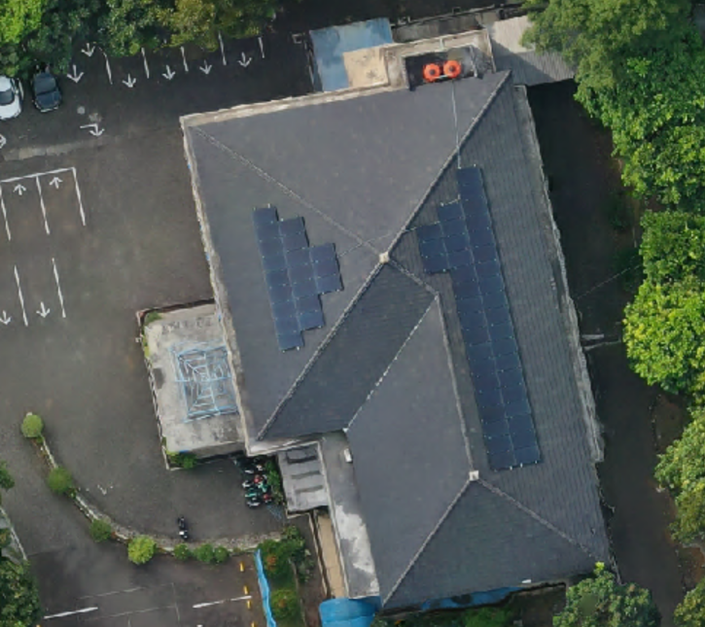
Pemanfaatan energi surya tersebut menjadi bagian penting dalam diversifikasi sumber energi sekaligus mendukung upaya mengurangi ketergantungan terhadap listrik dari jaringan. Dalam penelitian, konsumsi listrik dikategorikan sebagai sumber emisi tidak langsung atau Scope 2.
Upaya pengurangan emisi juga diperkuat melalui pemeliharaan ruang terbuka hijau dan pohon di lingkungan FMIPA. Penelitian mengidentifikasi 318 pohon dari 54 jenis dengan potensi penyerapan karbon sebesar 1.067,41 ton CO₂eq per tahun. Kapasitas tersebut bahkan mampu menyerap seluruh emisi listrik yang dihitung dalam kondisi eksisting maupun berbagai skenario penggunaan energi.
Kondisi tersebut menghasilkan carbon balance negatif, yang menunjukkan bahwa kapasitas penyerapan karbon vegetasi masih lebih besar dibandingkan emisi dari konsumsi listrik yang dihitung dalam penelitian. Namun, peningkatan konsumsi energi dan perubahan fasilitas dapat memengaruhi keseimbangan karbon sehingga efisiensi energi dan pemeliharaan vegetasi perlu dilakukan secara berkelanjutan.
Langkah FMIPA UNNES tersebut memiliki relevansi kuat dengan SDG 7 (Affordable and Clean Energy) melalui pengukuran dan pengelolaan konsumsi energi, peningkatan efisiensi energi, serta pemanfaatan energi terbarukan melalui panel surya. Penelitian ini juga memberikan dasar berbasis bukti bagi penerapan manajemen energi terintegrasi di lingkungan fakultas. Dalam konteks audit energi, penelitian telah melakukan analisis konsumsi listrik dan EUI untuk mengidentifikasi bangunan dengan penggunaan energi tinggi serta mensimulasikan skenario penghematan. Dengan demikian, hasil kajian dapat digunakan sebagai dasar evaluasi dan penyusunan prioritas efisiensi energi. Dari aspek pengelolaan karbon, FMIPA telah memiliki basis penghitungan carbon footprint, analisis potensi pengurangan emisi, serta penghitungan kemampuan vegetasi dalam menyerap CO₂. Pendekatan ini memungkinkan evaluasi hubungan antara konsumsi energi, emisi, dan kapasitas penyerapan karbon secara lebih terukur. Secara keseluruhan, FMIPA UNNES telah memiliki fondasi penting dalam mendukung SDG 7, melalui pengukuran konsumsi energi, identifikasi peluang efisiensi, pemodelan penghematan, penghitungan emisi karbon, pemanfaatan energi surya, serta pemeliharaan vegetasi sebagai penyerap karbon. Pendekatan ini sekaligus mendukung upaya menuju Carbon Neutrality dan Net Zero Emissions 2060 melalui integrasi efisiensi energi dan strategi berbasis vegetasi.