
BRIN dan UNNES Kolaborasi Teliti Potensi Air Tanah di Kelurahan Cepoko Semarang

Universitas Negeri Semarang/Faculty of Mathematics and Natural Sciences/Berita/BRIN dan UNNES Kolaborasi Teliti Potensi Air Tanah di Kelurahan Cepoko Semarang
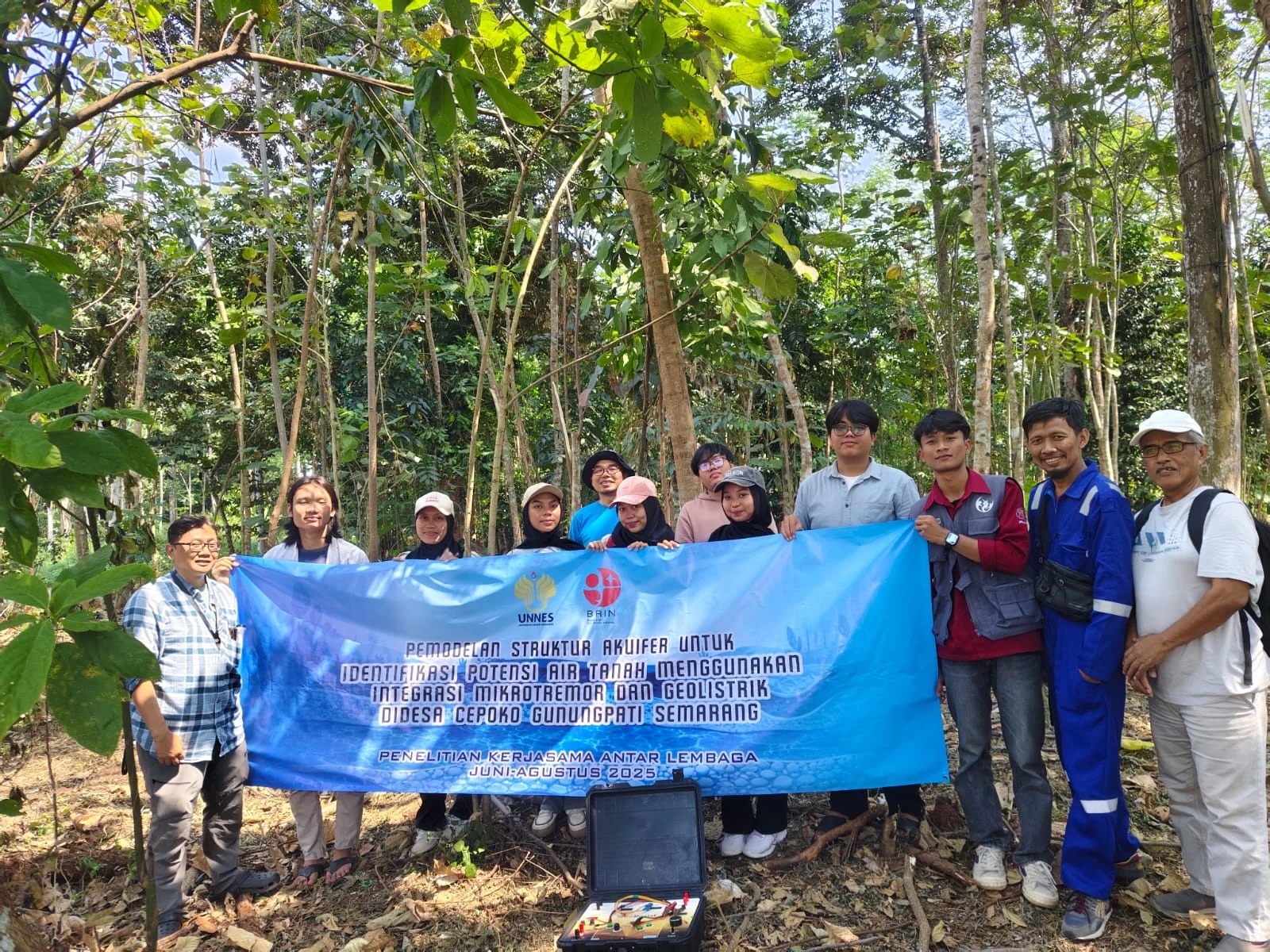
Tim BRIN dan UNNES melakukan penelitian potensi air tanah di Kelurahan Cepoko Semarang.

Penelitian mengintegrasikan pengujian kualitas air, metode geolistrik, dan mikrotremor untuk memetakan struktur akuifer serta mendukung pengelolaan air tanah.

SEMARANG — Badan Riset dan Inovasi Nasional (BRIN) bersama Universitas Negeri Semarang (UNNES) melaksanakan penelitian kolaboratif untuk mengidentifikasi potensi air tanah di Kelurahan Cepoko, Kecamatan Gunungpati, Kota Semarang, pada Minggu hingga Senin, 19–20 Juli 2026.

Penelitian tersebut berfokus pada pemodelan struktur akuifer melalui integrasi metode mikrotremor dan geolistrik. Tim juga melakukan pengujian kualitas air untuk memperoleh gambaran yang lebih menyeluruh mengenai kondisi dan potensi sumber air tanah di wilayah penelitian.

Sebanyak tujuh titik sumur milik warga dipilih sebagai lokasi pengambilan sampel. Sampel air kemudian dianalisis di laboratorium dan hasilnya akan dipadukan dengan data geofisika yang diperoleh selama pengukuran lapangan.

Peneliti Pusat Riset Limnologi dan Sumber Daya Air BRIN, Dino Gunawan Pryambodo, M.T., menjelaskan bahwa penggabungan data kualitas air dan geolistrik diperlukan untuk memahami kondisi akuifer secara lebih komprehensif.

“Dari tujuh sampel air sumur yang diambil, nantinya akan diteliti di laboratorium. Hasilnya kemudian digabungkan dengan data geolistrik yang diperoleh melalui pengukuran secara bersamaan,” ujar Dino Gunawan Pryambodo.

Kelurahan Cepoko dipilih karena wilayah tersebut menghadapi penurunan debit air ketika musim kemarau. Kondisi ini menjadikan Cepoko sebagai lokasi yang relevan untuk mengkaji keberadaan, kedalaman, dan potensi akuifer yang dapat mendukung kebutuhan air masyarakat.

Peneliti Pusat Riset Ekologi BRIN, Joko Prihantono, Ph.D., menyampaikan bahwa penelitian tersebut diharapkan dapat menghasilkan informasi ilmiah mengenai kondisi air tanah di kawasan tersebut.

Kegiatan lapangan dipimpin oleh Koordinator Program Studi Magister Fisika FMIPA UNNES, Prof. Dr. Supriyadi. Pengukuran dilakukan menggunakan Water Quality Checker untuk memeriksa sejumlah parameter kualitas air serta peralatan geolistrik untuk memperkirakan kondisi lapisan bawah permukaan.
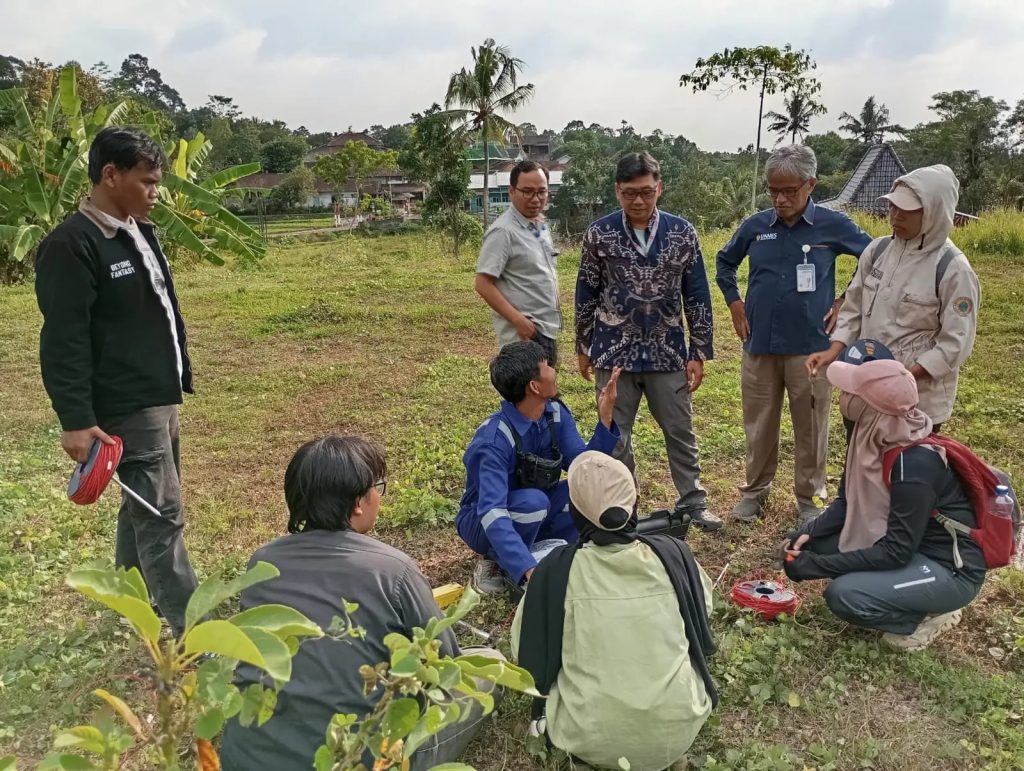
Tim peneliti BRIN dan UNNES berdiskusi saat melakukan pengukuran lapangan untuk memetakan struktur akuifer dan potensi air tanah di Kelurahan Cepoko.

Melalui kombinasi metode tersebut, tim berupaya memperoleh gambaran mengenai struktur akuifer, kondisi air sumur, serta potensi sumber air tanah yang dapat dimanfaatkan secara berkelanjutan.

Hasil penelitian akan disampaikan kepada Pemerintah Kelurahan Cepoko sebagai bahan informasi dan rekomendasi dalam penyusunan kebijakan pengelolaan sumber daya air, terutama untuk menghadapi berkurangnya debit air pada musim kemarau.

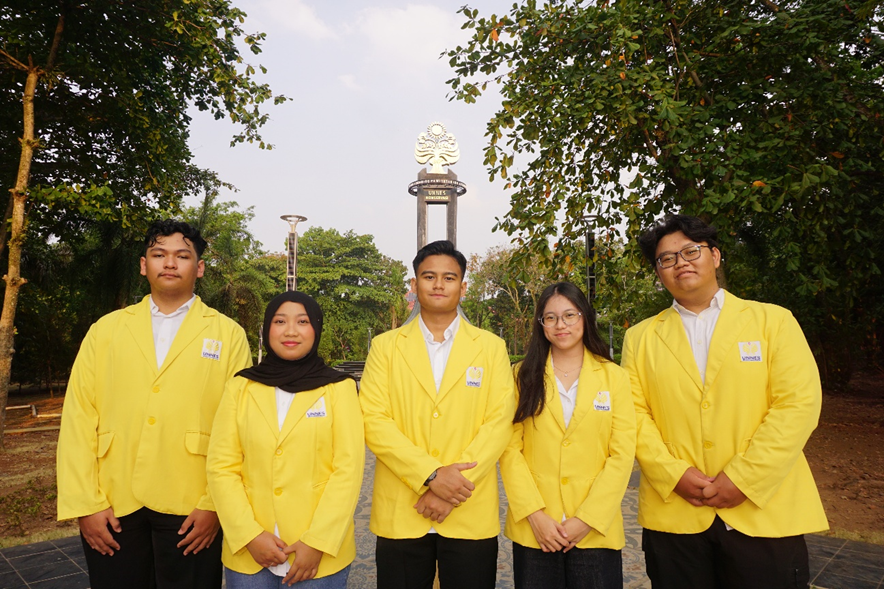
Selain Prof. Dr. Supriyadi, tim peneliti UNNES yang terlibat dalam kegiatan ini meliputi Dr. Khumaedi dan Dr. Agus Yulianto. Penelitian juga melibatkan empat mahasiswa FMIPA UNNES, yaitu Artikasari, Aristiwati, Annisa, dan Yuda.

Pelibatan mahasiswa memberikan pengalaman langsung dalam pengambilan data, penggunaan instrumen, pengamatan kondisi lapangan, dan pelaksanaan penelitian kolaboratif antar-lembaga.

Kolaborasi BRIN dan UNNES tersebut mendukung pencapaian Sustainable Development Goals (SDGs), khususnya SDG 4: Pendidikan Berkualitas, SDG 6: Air Bersih dan Sanitasi Layak, SDG 9: Industri, Inovasi, dan Infrastruktur, serta SDG 17: Kemitraan untuk Mencapai Tujuan.

Kontribusi terhadap SDG 6 diwujudkan melalui penelitian yang mendukung pemetaan dan pengelolaan sumber air tanah. Penggunaan metode ilmiah dan teknologi geofisika mendukung SDG 9, sedangkan pelibatan mahasiswa memperkuat pembelajaran berbasis penelitian yang sejalan dengan SDG 4.

Kemitraan antara BRIN dan UNNES juga mencerminkan pelaksanaan SDG 17 melalui kolaborasi penelitian yang menghubungkan lembaga riset nasional, perguruan tinggi, mahasiswa, pemerintah setempat, dan masyarakat.

Melalui penelitian ini, BRIN dan UNNES diharapkan dapat menghasilkan rekomendasi berbasis data untuk mendukung pengelolaan air tanah yang lebih tepat, berkelanjutan, dan sesuai dengan kebutuhan masyarakat Kelurahan Cepoko.
Related Posts

Leave a Reply

* Kode Akses Komentar:

* Tuliskan kode akses komentar diatas:

GDPR

  • Privacy Policy

Privacy Policy

At unnes.ac.id, the privacy of our visitors is of extreme importance to us. This privacy policy document outlines the types of personal information that is received and collected by unnes.ac.id and how it is used.

Log Files

Like many other Web sites, unnes.ac.id makes use of log files. The information inside the log files includes internet protocol (IP) addresses, type of browser, Internet Service Provider (ISP), date/time stamp, referring/exit pages, and number of clicks to analyze trends, administer the site, track user’s movement around the site, and gather demographic information. IP addresses and other such information are not linked to any information that is personally identifiable.

Cookies

unnes.ac.id uses cookies to store information about visitors’ preferences, to record user-specific information on which pages the site visitor accesses or visits, and to personalize or customize our web page content based upon visitors’ browser type or other information that the visitor sends via their browser.

Third-party ad servers or ad networks use technology in their respective advertisements and links that appear on unnes.ac.id and which are sent directly to your browser. They automatically receive your IP address when this occurs. Other technologies (such as cookies, JavaScript, or Web Beacons) may also be used by our site’s third-party ad networks to measure the effectiveness of their advertising campaigns and/or to personalize the advertising content that you see on the site.

unnes.ac.id has no access to or control over these cookies that are used by third-party advertisers.

You should consult the respective privacy policies of these third-party ad servers for more detailed information on their practices as well as for instructions about how to opt-out of certain practices. unnes.ac.id’s privacy policy does not apply to, and we cannot control the activities of, such other advertisers or web sites.

If you wish to disable cookies, you may do so through your individual browser options. More detailed information about cookie management with specific web browsers can be found at the browsers’ respective websites.

Consent

By using our website, you hereby consent to our privacy policy and agree to its terms.

Update

This Privacy Policy was last updated on: 2023-02-14. Should we update, amend or make any changes to our privacy policy, those changes will be posted here.

Contact Us

If you have any questions, comments, or concerns about our Privacy Policy or our practices with regards to your personal information, please feel free to contact us through the contact form on our website or by emailing us at humas[at]mail.unnes.ac.id.

This Privacy Policy is intended as a general guide to our practices in collecting and using information. If there is any inconsistency between this Privacy Policy and the terms of the Service Agreement or any other terms that may apply to specific services you use, then those specific service terms shall apply.

Terms of Use

By using our website, you agree to abide by this Privacy Policy. If you do not agree with this Privacy Policy, please do not use our website. We reserve the right to update this Privacy Policy from time to time without prior notice. Please review our Privacy Policy periodically to check for changes. Your continued use of our website following the posting of changes to this Privacy Policy means that you accept the changes.

Thank you for reading our Privacy Policy. We are committed to protecting the privacy of our website visitors and will continue to update our Privacy Policy to ensure optimal protection.