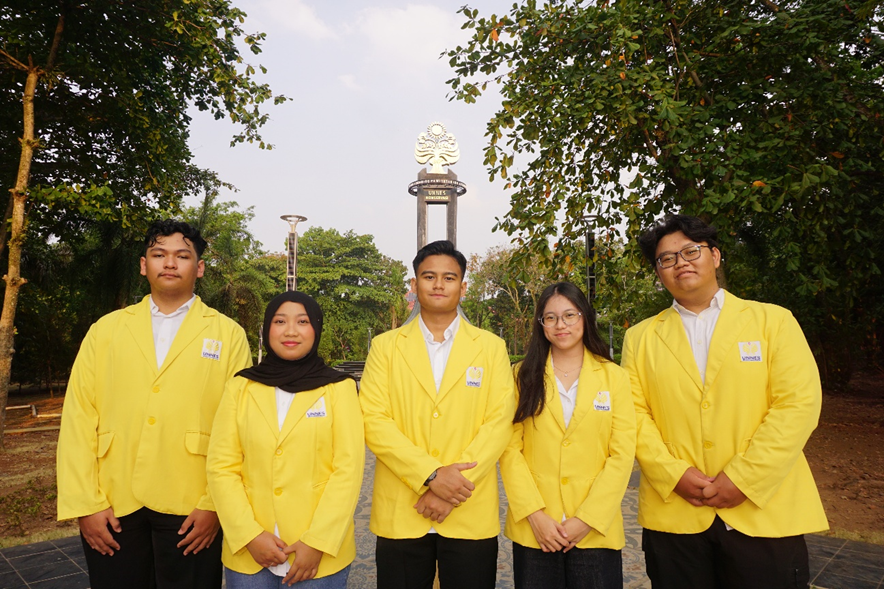



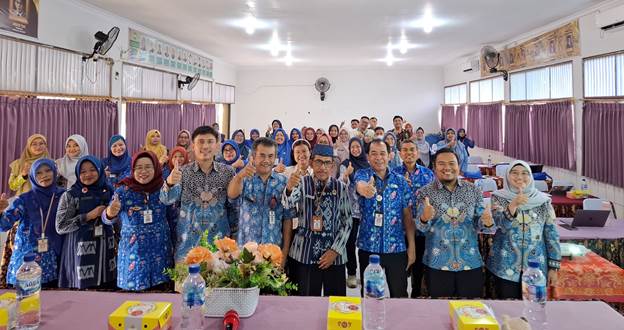
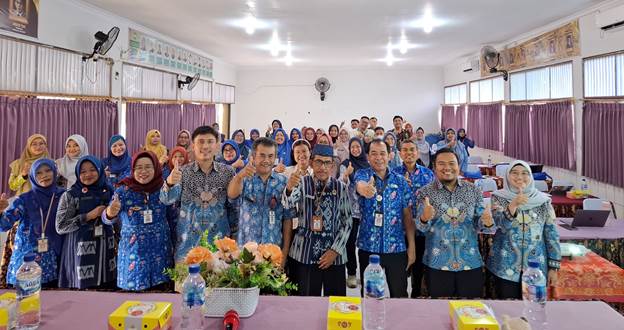
Sinergi tim pengabdian FMIPA UNNES yang terdiri dari Arif Widiyatmoko, S.Pd., M.Pd., Ph.D. prodi Pendidikan IPA, Septiko Aji, M.Pd. prodi Pendidikan IPA, dan Rifa’atunnisa, S.Hut., M.Si., Ph.D. prodi Ilmu Lingkungan berupaya meningkatkan kompetensi riset guru IPA. Kegiatan ini berkolaborasi dengan Musyawarah Guru Mata Pelajaran (MGMP) IPA Kota Semarang yang diselenggarakan pada Selasa, 19 Mei 2026 bertempat di SMP Negeri 27 Semarang. Kegiatan diikuti oleh 40 peserta yang merupakan guru IPA jenjang SMP di Kota Semarang.
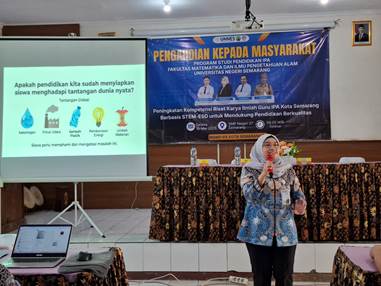
Acara diawali dengan penyampaian materi inspiratif oleh ibu Rifa’atunnisa mengenai “Education for Sustainable Development (ESD) dan Problem Lingkungan dalam Kehidupan Sehari-Hari”. Dalam pemaparannya, dijelaskan bahwa pembelajaran IPA tidak hanya berfokus pada penguasaan konsep dan teori semata, tetapi juga memiliki peran penting dalam membangun kesadaran siswa terhadap berbagai permasalahan lingkungan yang terjadi di sekitar mereka. Melalui pendekatan ESD, siswa didorong untuk memahami keterkaitan antara sains, lingkungan, sosial, dan kehidupan sehari-hari sehingga pembelajaran menjadi lebih kontekstual dan bermakna. Selain itu, guru diharapkan mampu menstimulasi siswa untuk berpikir kritis, kreatif, dan inovatif dalam mencari solusi terhadap berbagai persoalan lingkungan, seperti pengelolaan sampah, pencemaran, perubahan iklim, hingga pemanfaatan energi berkelanjutan. Dengan demikian, pembelajaran IPA dapat menjadi sarana membentuk generasi yang peduli lingkungan dan mampu mengambil keputusan yang bertanggung jawab demi keberlanjutan masa depan.
Pada sesi berikutnya, bapak Septiko Aji menyampaikan materi mengenai “Kompetisi Riset Ilmiah dengan Tema Isu Lingkungan”. Beliau menyebutkan bahwa terdapat berbagai event kompetisi riset ilmiah yang dapat diikuti oleh siswa SMP sebagai wadah untuk mengembangkan kreativitas, kemampuan berpikir ilmiah, serta keterampilan problem solving berbasis isu nyata di lingkungan sekitar. Pemateri juga menjelaskan berbagai tantangan yang sering dihadapi dalam mengikuti lomba riset karya ilmiah, serta tips menyusun laporan ilmiah yang sistematis dan sesuai ketentuan. Pada sesi ini, peserta juga memperoleh penjelasan mengenai garis besar mekanisme dan ketentuan Olimpiade Penelitian Siswa Indonesia (OPSI), termasuk sistematika proposal, tahapan seleksi, serta strategi dalam membimbing siswa agar mampu menghasilkan karya riset yang berkualitas dan kompetitif.
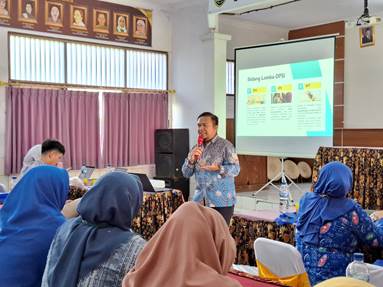
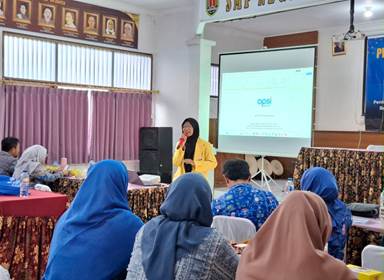
Pemaparan ketiga disampaikan oleh bapak Arif Widiyatmoko mengenai “Peran STEM-ESD untuk Peningkatan Kompetensi Riset Guru”. Pemateri menjelaskan bahwa integrasi pendekatan STEM (Science, Technology, Engineering, and Mathematics) dengan Education for Sustainable Development (ESD) dapat menjadi strategi efektif dalam meningkatkan kompetensi riset guru IPA. Pendekatan ini mendorong guru untuk mengembangkan pembelajaran yang tidak hanya berbasis konsep sains, tetapi juga berorientasi pada pemecahan masalah nyata secara inovatif dan berkelanjutan. Guru didorong untuk mampu mengaitkan isu lingkungan di sekitar dengan proses investigasi ilmiah, pemanfaatan teknologi, rekayasa sederhana, serta analisis data berbasis sains dan matematika. Setelah sesi pemaparan materi, kegiatan dilanjutkan dengan praktik berkelompok dalam penyusunan rancangan ide riset ilmiah. Guru mengidentifikasi berbagai permasalahan lingkungan di sekitar sekolah maupun masyarakat, menganalisis solusi inovatif berbasis STEM-ESD, kemudian menuangkannya ke dalam kerangka riset ilmiah. Para peserta terlihat sangat antusias selama kegiatan berlangsung, aktif berdiskusi, bertukar ide, serta menyampaikan berbagai gagasan kreatif yang berpotensi dikembangkan menjadi karya riset siswa. Banyak dari peserta merasakan kebermanfaatan kegiatan ini karena memperoleh wawasan baru mengenai strategi membimbing riset ilmiah yang relevan dengan isu lingkungan dan kebutuhan pembelajaran abad ke-21.
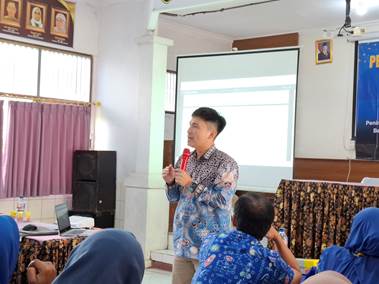
Di akhir sesi, terdapat penguatan materi terkait kepenulisan karya ilmiah yang disampaikan oleh mahasiswa Program Studi Pendidikan IPA FMIPA UNNES, yang merupakan anggota tim pengabdian. Sesi ini menjelaskan secara detail mengenai tata tulis karya ilmiah, khususnya proposal OPSI. Mahasiswa memaparkan bagian-bagian penting dalam proposal, mulai dari Bab I hingga Bab III, beserta poin-poin yang harus dibahas pada setiap bagian. Selain itu, peserta juga diberikan contoh penyusunan proposal yang baik dan sistematis sehingga lebih mudah memahami alur penulisan karya ilmiah yang sesuai dengan ketentuan kompetisi.
Melalui kegiatan pengabdian ini, guru IPA diharapkan dapat meningkatkan kompetensi riset dan kemampuan pendampingan karya ilmiah siswa sehingga lebih siap dan kompeten dalam membimbing peserta didik mengikuti berbagai kompetisi riset ilmiah. Selain itu, kegiatan ini juga diharapkan mampu mendorong terciptanya budaya riset di lingkungan sekolah, meningkatkan kualitas pembelajaran IPA yang lebih inovatif dan kontekstual melalui pendekatan berbasis STEM-ESD, serta berkontribusi dalam perwujudan poin SDGs berupa peningkatan kualitas pendidikan di Indonesia.