
FMIPA UNNES Kaji Intensitas Konsumsi Energi dan Emisi Karbon Listrik untuk Mendukung Target Net Zero Emission 2060

Universitas Negeri Semarang/Faculty of Mathematics and Natural Sciences/Berita/FMIPA UNNES Kaji Intensitas Konsumsi Energi dan Emisi Karbon Listrik untuk Mendukung Target Net Zero Emission 2060
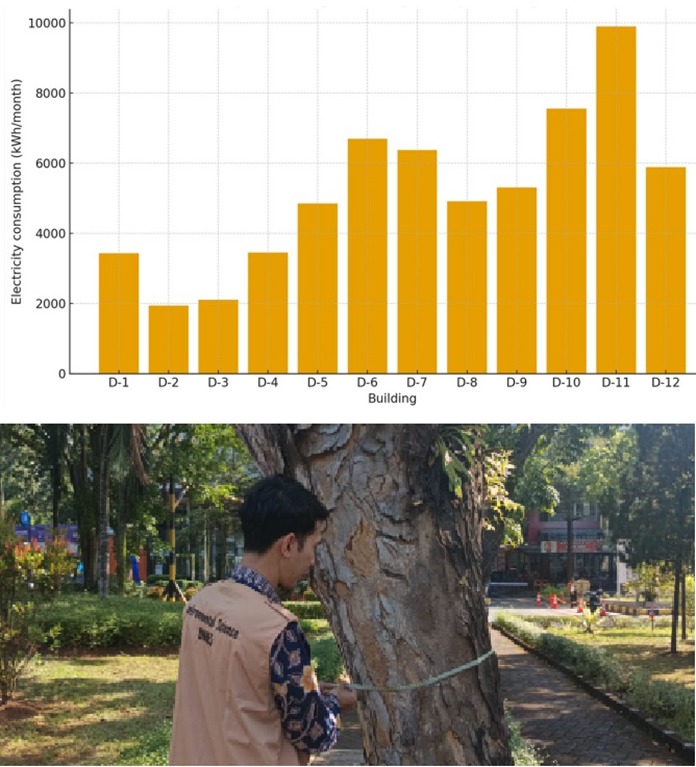
bangunan laboratorium menghasilkan konsumsi listrik tertinggi

Semarang – Fakultas Matematika dan Ilmu Pengetahuan Alam (FMIPA) Universitas Negeri Semarang (UNNES) kembali menunjukkan komitmennya dalam mendukung pembangunan berkelanjutan melalui penelitian mengenai Intensitas Konsumsi Energi (IKE) dan emisi karbon dari konsumsi listrik di lingkungan kampus. Hasil penelitian tersebut telah dipublikasikan pada jurnal internasional bereputasi Ecological Engineering & Environmental Technology (EEET) yang terindeks Scopus Q3.

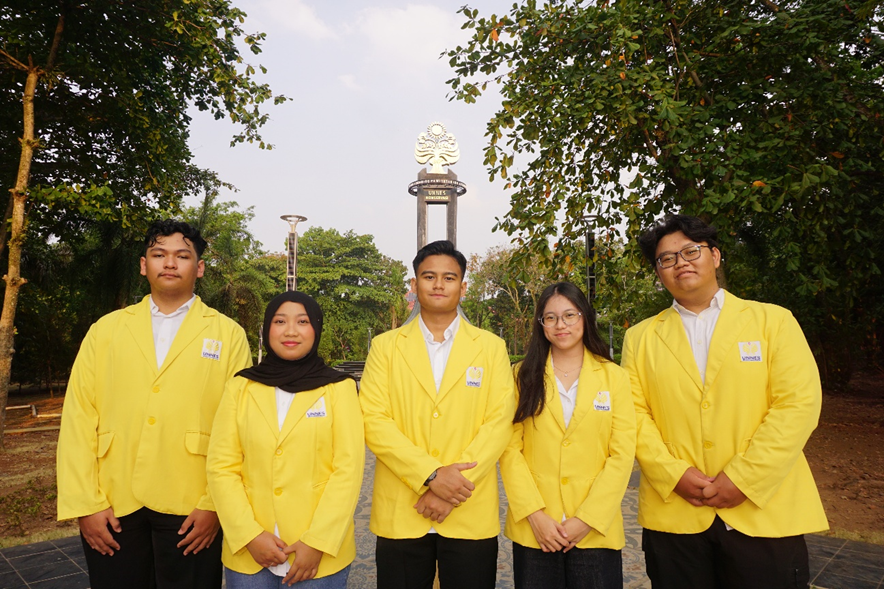
Penelitian ini dilaksanakan oleh tim yang terdiri atas Prof. Dr. Sri Ngabekti, Trida Ridho Fariz, Prof. Dr. Dewi Liesnoor Setyowati, dan Maulana Malik Wicaksono. Kajian tersebut berfokus pada analisis konsumsi energi listrik, emisi karbon, serta peran vegetasi kampus dalam menyerap emisi karbon sehingga dapat mendukung upaya pencapaian target Net Zero Emission (NZE) Indonesia 2060.

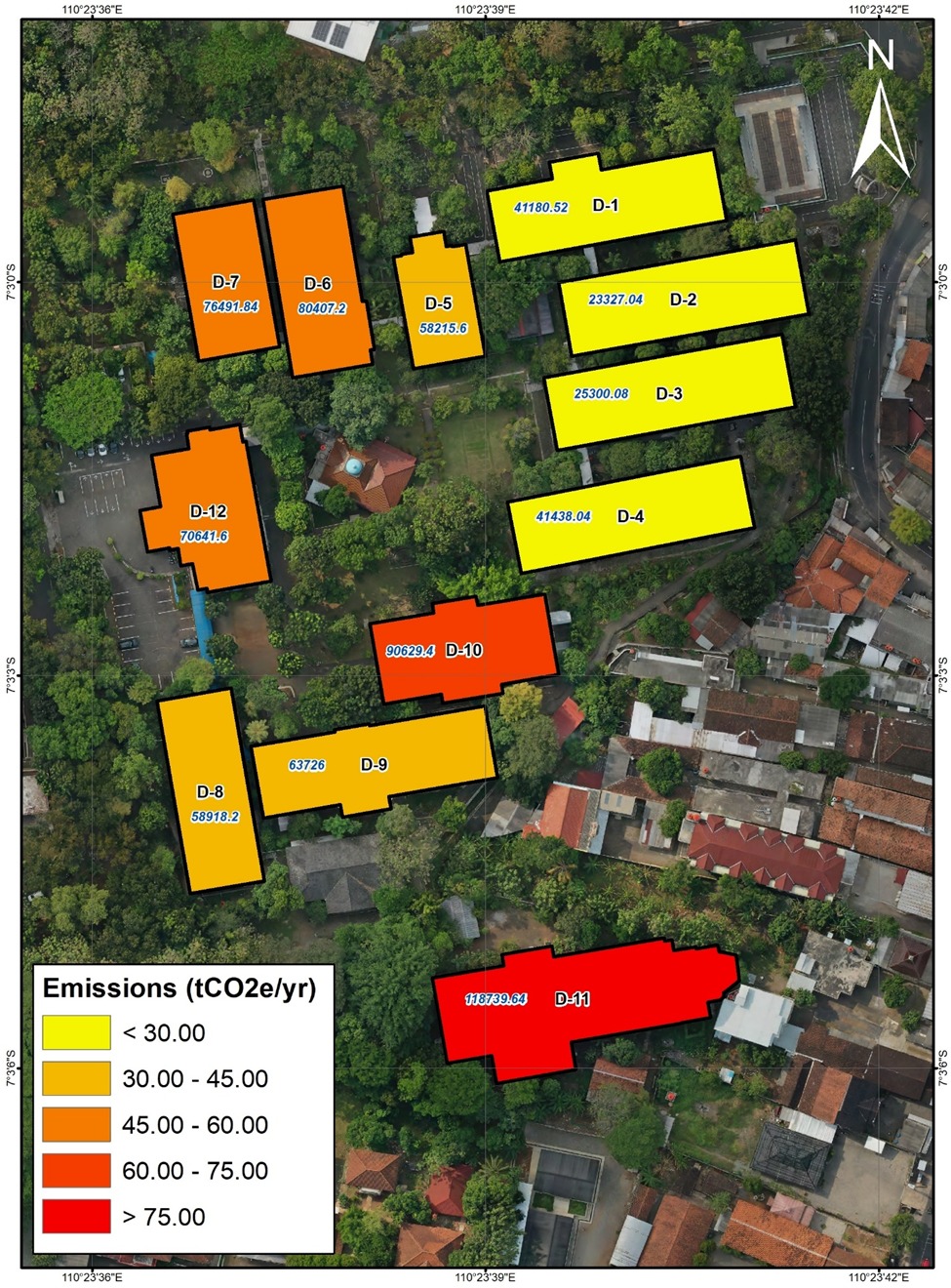
Menurut tim peneliti, sektor bangunan merupakan salah satu penyumbang emisi gas rumah kaca terbesar. Oleh karena itu, perguruan tinggi memiliki peran strategis sebagai living laboratory dalam menerapkan efisiensi energi dan pengelolaan ruang terbuka hijau sebagai langkah mitigasi perubahan iklim. Penelitian di FMIPA UNNES menunjukkan bahwa bangunan laboratorium memiliki konsumsi listrik dan emisi karbon tertinggi dibandingkan bangunan lainnya, sehingga menjadi prioritas dalam penerapan strategi penghematan energi.

Selain menghasilkan publikasi internasional, penelitian ini juga menjadi dasar penyusunan skripsi Maulana Malik Wicaksono yang mengkaji konsumsi energi listrik dan keseimbangan karbon di lingkungan FMIPA UNNES. Penelitian tersebut bertujuan menganalisis konsumsi energi dan nilai Intensitas Konsumsi Energi (IKE) pada berbagai skenario, jejak karbon (carbon footprint), serta kemampuan vegetasi kampus dalam menyerap karbon untuk menghasilkan keseimbangan karbon.

Hasil penelitian menunjukkan bahwa bangunan laboratorium menghasilkan konsumsi listrik tertinggi, dengan rata-rata 6.916,94 kWh per bulan. Sementara itu, Gedung Laboratorium D12 memiliki nilai IKE tertinggi sebesar 10,08 kWh/m²/bulan, namun masih termasuk dalam kategori efisien. Pada skenario penghematan energi, seluruh bangunan berhasil mencapai kategori sangat efisien, menunjukkan besarnya potensi pengurangan konsumsi energi di lingkungan kampus.

Dari sisi emisi karbon, penelitian menemukan bahwa kondisi eksisting menghasilkan 52.680 kgCO₂eq. Apabila konsumsi energi meningkat tanpa pengendalian, emisi berpotensi naik menjadi 71.269,76 kgCO₂eq. Sebaliknya, penerapan skenario efisiensi energi mampu menurunkan emisi hingga 39.715,93 kgCO₂eq.

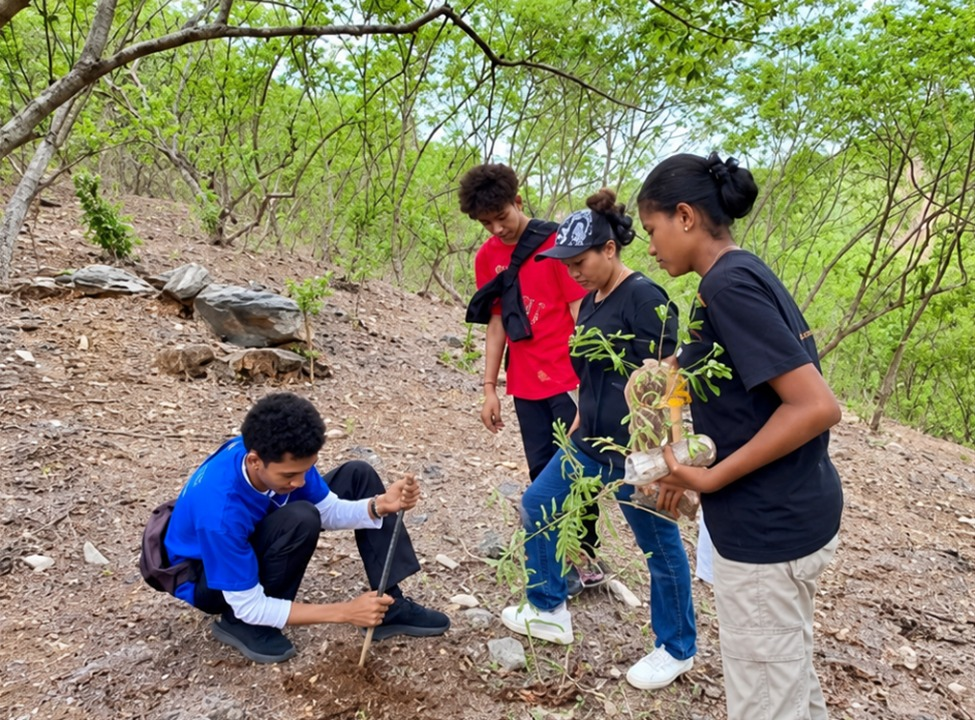
Menariknya, vegetasi berupa pepohonan yang telah tumbuh di kawasan FMIPA UNNES memiliki kapasitas penyerapan karbon sebesar 1.067.414,24 kgCO₂eq. Nilai tersebut jauh lebih besar dibandingkan emisi karbon yang dihasilkan dari konsumsi listrik, sehingga menghasilkan carbon balance bernilai negatif, yang menunjukkan bahwa kemampuan penyerapan karbon oleh pohon mampu mengimbangi bahkan melampaui emisi karbon yang dihasilkan di kawasan tersebut.
Hasil penelitian ini diharapkan dapat menjadi referensi bagi perguruan tinggi lain dalam menyusun kebijakan pengelolaan energi dan pengembangan kampus berkelanjutan. Penelitian ini juga mendukung pencapaian beberapa Sustainable Development Goals (SDGs), yaitu SDG 7 (Energi Bersih dan Terjangkau) melalui upaya peningkatan efisiensi energi, SDG 11 (Kota dan Permukiman yang Berkelanjutan) melalui pengelolaan ruang hijau kampus, SDG 13 (Penanganan Perubahan Iklim) melalui pengurangan emisi karbon dan peningkatan serapan karbon, serta SDG 15 (Ekosistem Daratan) melalui pelestarian vegetasi sebagai penyerap karbon alami.

Related Posts

Leave a Reply

* Kode Akses Komentar:

* Tuliskan kode akses komentar diatas:

GDPR

  • Privacy Policy

Privacy Policy

At unnes.ac.id, the privacy of our visitors is of extreme importance to us. This privacy policy document outlines the types of personal information that is received and collected by unnes.ac.id and how it is used.

Log Files

Like many other Web sites, unnes.ac.id makes use of log files. The information inside the log files includes internet protocol (IP) addresses, type of browser, Internet Service Provider (ISP), date/time stamp, referring/exit pages, and number of clicks to analyze trends, administer the site, track user’s movement around the site, and gather demographic information. IP addresses and other such information are not linked to any information that is personally identifiable.

Cookies

unnes.ac.id uses cookies to store information about visitors’ preferences, to record user-specific information on which pages the site visitor accesses or visits, and to personalize or customize our web page content based upon visitors’ browser type or other information that the visitor sends via their browser.

Third-party ad servers or ad networks use technology in their respective advertisements and links that appear on unnes.ac.id and which are sent directly to your browser. They automatically receive your IP address when this occurs. Other technologies (such as cookies, JavaScript, or Web Beacons) may also be used by our site’s third-party ad networks to measure the effectiveness of their advertising campaigns and/or to personalize the advertising content that you see on the site.

unnes.ac.id has no access to or control over these cookies that are used by third-party advertisers.

You should consult the respective privacy policies of these third-party ad servers for more detailed information on their practices as well as for instructions about how to opt-out of certain practices. unnes.ac.id’s privacy policy does not apply to, and we cannot control the activities of, such other advertisers or web sites.

If you wish to disable cookies, you may do so through your individual browser options. More detailed information about cookie management with specific web browsers can be found at the browsers’ respective websites.

Consent

By using our website, you hereby consent to our privacy policy and agree to its terms.

Update

This Privacy Policy was last updated on: 2023-02-14. Should we update, amend or make any changes to our privacy policy, those changes will be posted here.

Contact Us

If you have any questions, comments, or concerns about our Privacy Policy or our practices with regards to your personal information, please feel free to contact us through the contact form on our website or by emailing us at humas[at]mail.unnes.ac.id.

This Privacy Policy is intended as a general guide to our practices in collecting and using information. If there is any inconsistency between this Privacy Policy and the terms of the Service Agreement or any other terms that may apply to specific services you use, then those specific service terms shall apply.

Terms of Use

By using our website, you agree to abide by this Privacy Policy. If you do not agree with this Privacy Policy, please do not use our website. We reserve the right to update this Privacy Policy from time to time without prior notice. Please review our Privacy Policy periodically to check for changes. Your continued use of our website following the posting of changes to this Privacy Policy means that you accept the changes.

Thank you for reading our Privacy Policy. We are committed to protecting the privacy of our website visitors and will continue to update our Privacy Policy to ensure optimal protection.