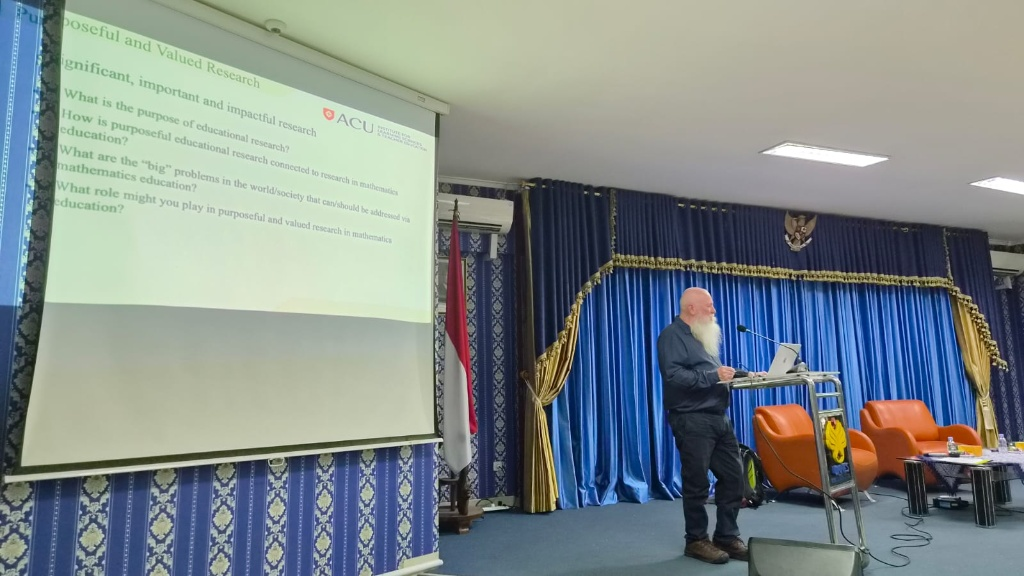



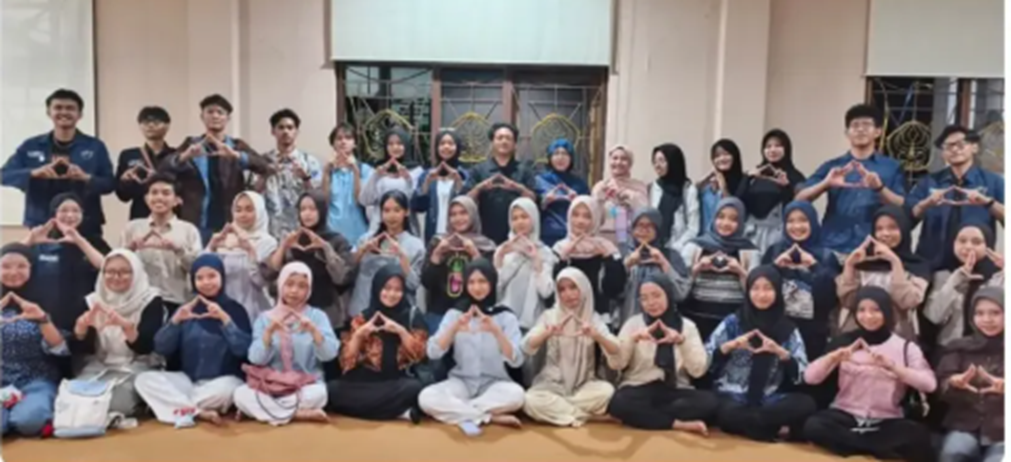
SEMARANG – The Student Executive Board (BEM) of the Faculty of Mathematics and Natural Sciences (FMIPA), Universitas Negeri Semarang (UNNES), through its Department of Advocacy and Student Welfare, successfully held Advocademic 2026 on Saturday, October 31, 2026. This event is an advocacy seminar focused on strengthening students’ understanding of the fundamentals of advocacy, negotiation, diplomacy, and strategic lobbying as provisions for understanding and championing student aspirations.
Through this activity, students gained insights into various approaches to addressing issues within the campus environment. Participants were also introduced to strategic steps in conveying aspirations, building effective communication, and seeking solutions through negotiation, diplomacy, and lobbying approaches.
Advocademic 2026 is expected to have a positive impact on increasing advocacy literacy and students’ courage to voice aspirations accurately, purposefully, and responsibly. This understanding also serves as a foundation for building constructive communication between students and policymakers at both the faculty and university levels.
Furthermore, strengthening advocacy capacity can foster a culture of dialogue, participation, and collaborative problem-solving. Thus, students not only understand their rights and interests, but also possess the capability to be actively involved in driving improvements in the academic environment and campus life.
This activity also supports the achievement of the Sustainable Development Goals (SDGs), particularly SDG 4 (Quality Education) through the development of students’ knowledge and skills outside formal learning, especially in the fields of advocacy, communication, negotiation, and diplomacy. In addition, this activity contributes to SDG 16 (Peace, Justice, and Strong Institutions) by equipping students with the ability to convey aspirations, build dialogue, and encourage constructive and participatory problem-solving. Through Advocademic 2026, BEM FMIPA UNNES hopes that students increasingly understand the importance of advocacy as an instrument to champion shared interests while building a more responsive, inclusive, and participatory campus environment.