



SEMARANG – The Physics Education Study Program, Faculty of Mathematics and Natural Sciences (FMIPA), Universitas Negeri Semarang (UNNES), conducted a community service program to empower junior high school science teachers in improving the quality of science learning through local wisdom and digital technology.
The program carried the theme “Empowering the Science Teachers Association of Semarang Regency to Develop STEM-LoCal Based on the Local Wisdom of Ungaran Slopes for Science Literacy”. This activity was part of FMIPA UNNES’ commitment to supporting the improvement of educational quality through the 2026 Community Service Program.
The program was led by Dr. Ellianawati, M.Si., together with a team consisting of Dr. Bambang Subali, M.Pd., Dr. Pratiwi Dwijananti, M.Si., Dr. Ian Yulianti, M.Eng., and Ridho Adi Negoro. The activity was also supported by students and alumni of the Physics Education Study Program, FMIPA UNNES.
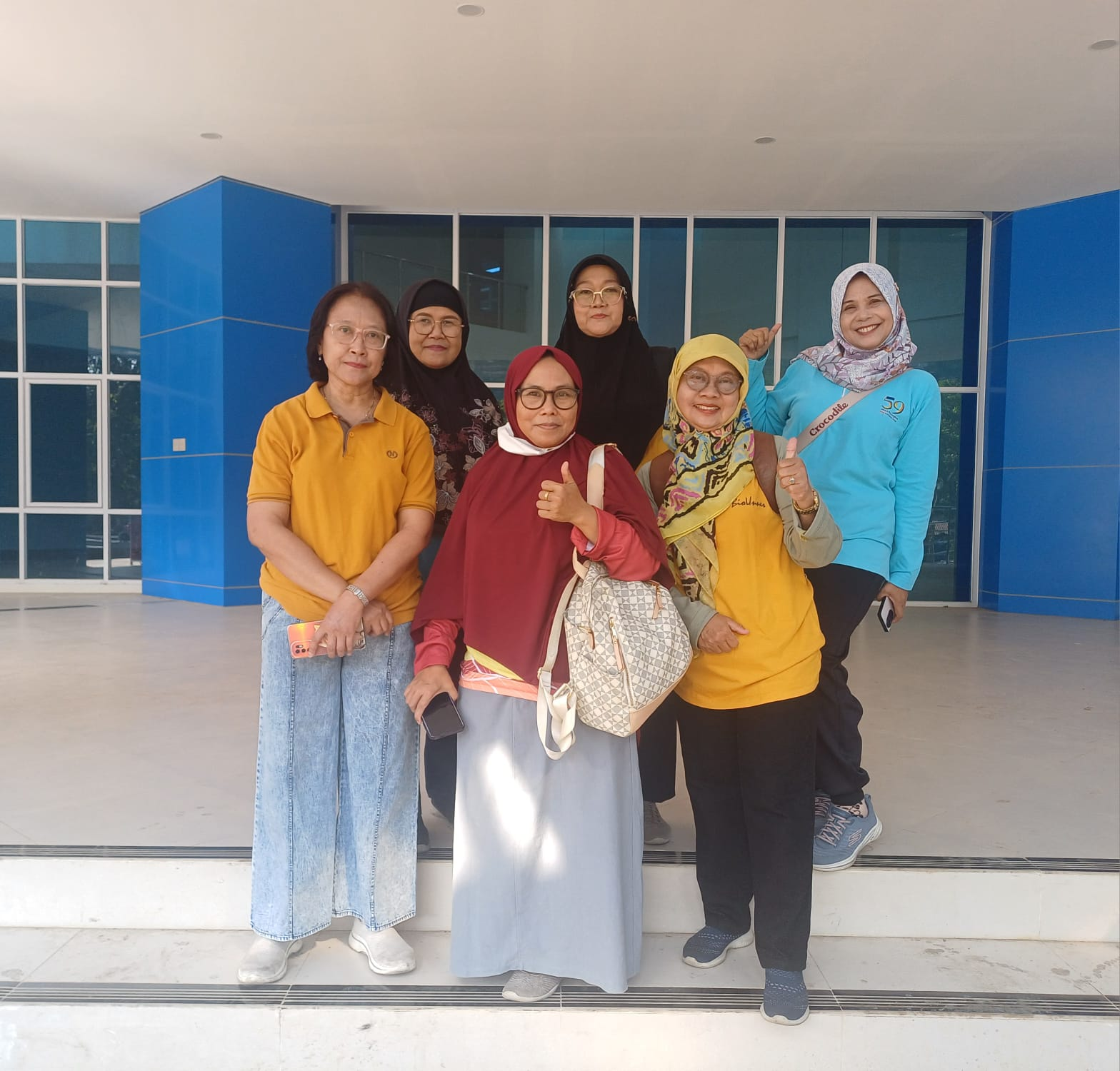
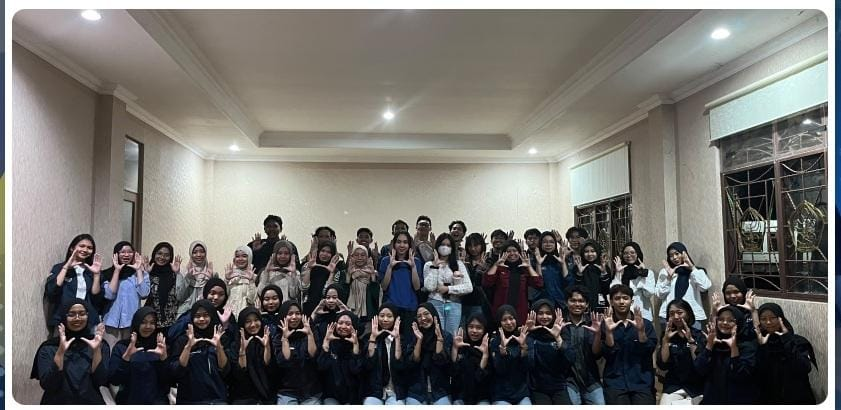
A total of 40 junior high school science teachers who are members of the Science Teachers Association (MGMP IPA) of Semarang Regency participated in the program. The activity also received support from the Acting Head of the Education, Culture, Youth, and Sports Office of Semarang Regency, M. Taufiqur Rahman, S.Ag., M.Si., and the advisor of MGMP IPA SMP Semarang Regency, Dr. Sugito, M.Pd.
The program was funded by the 2026 DPA LPPM UNNES fund through the Community Service Program scheme for lecturers. It was designed to strengthen teachers’ competence in applying the STEM-LoCal approach based on the local wisdom of the Ungaran Slopes.
Through this program, teachers were introduced to ethnoscience, digital learning technology, and the development of science practicum activities using locally available materials. The digital technologies introduced included PhET Simulation, Augmented Reality (AR), and Tinkercad as part of 21st-century science learning.
The activity was implemented in stages through an offline workshop combined with online mentoring. In the initial stage, participants took a pre-test to measure their understanding of ethnoscience, STEM-LoCal, local wisdom-based learning, and the use of technology in science education.

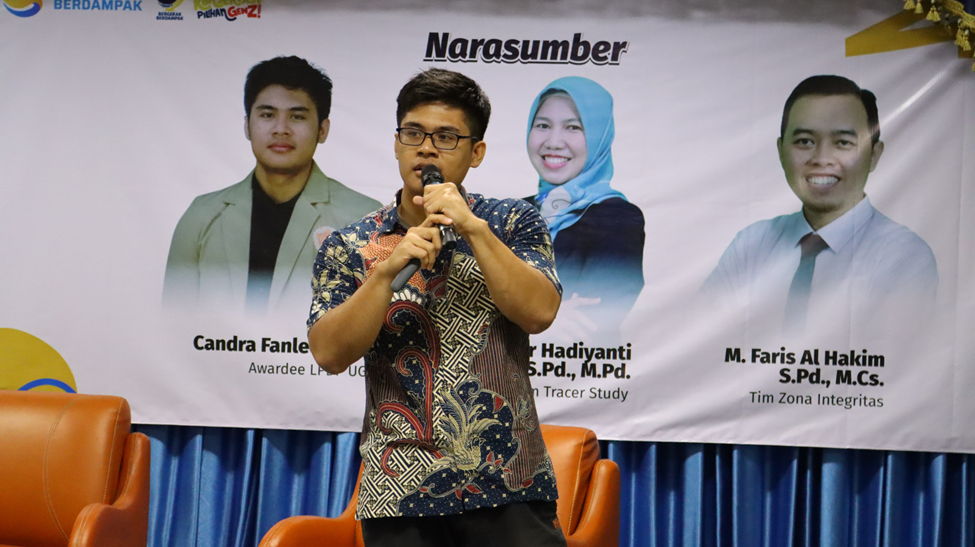
Participants attended a STEM-LoCal workshop that integrated the local wisdom of the Ungaran Slopes with digital technology in science learning.
The pre-test results showed an average score of 51.27. This score indicated that teachers’ competence in ethnoscience, STEM-LoCal, local wisdom-based learning, and educational technology still needed to be strengthened.
After the pre-test, participants received materials according to the expertise of each speaker. The topics included ethnoscience, STEM-LoCal, local material-based science practicum, and the use of PhET Simulation, Augmented Reality, and Tinkercad in science learning.
The teachers were then mentored in developing learning tools that integrated the local potential of the Ungaran Slopes with digital technology. Through the mentoring and monitoring process, participants successfully produced four teaching materials and four student worksheets, known as LKPD, based on STEM-LoCal.
All products integrated the local wisdom of the Ungaran Slopes with various digital technologies to support more interactive and contextual learning. The themes developed included biotechnology, food additives, the physics of gamelan, and static electricity, all of which are closely related to the daily lives of local communities.
In each theme, teachers combined local cultural phenomena with digital learning media, including virtual simulations, Augmented Reality, and the Tinkercad virtual laboratory.
The head of the community service team, Dr. Ellianawati, M.Si., explained that the STEM-LoCal approach helps students understand science concepts through phenomena they encounter in everyday life. Through this approach, students do not only learn theories, but also understand the relationship between science, culture, and local community activities.
This learning model also serves as a means of preserving local wisdom through education. The success of the program can be seen from the increase in participants’ competence after completing the entire series of activities.
The teachers’ average post-test score increased to 91.56, which falls into the excellent category. The analysis also showed an N-Gain score of 0.83, which is categorized as high.
These results indicate a significant improvement in teachers’ understanding of STEM-LoCal, ethnoscience, PhET Simulation, Augmented Reality, and Tinkercad.
In addition to improving teacher competence, UNNES also provided several forms of support to MGMP IPA Semarang Regency. The support included the facilitation of eight Intellectual Property Rights, 32 hours of training assistance, and the handover of four boxes of practicum kits.

The UNNES community service team handed over teaching materials and practicum kits to MGMP IPA Semarang Regency to support the sustainability of STEM-LoCal-based science learning.
The practicum kits consisted of eight sets of local wisdom-based practicum activities related to Mount Ungaran, including batik making and aromatherapy candle production.
At the end of the program, the UNNES community service team handed over several outputs of the activity to MGMP IPA Semarang Regency. These included teaching materials, LKPD, Intellectual Property Rights, practicum kits, and training certificates.
All of these outputs are expected to support the sustainability of STEM-LoCal-based science learning in schools across Semarang Regency.
Through this program, FMIPA UNNES expects teachers to become agents of change in presenting science learning that is more innovative, contextual, and aligned with the demands of the 21st century.
The collaboration between higher education institutions, local government, and teacher communities is expected to continue in order to strengthen science literacy while preserving local cultural wealth as a valuable learning resource.