


The Faculty of Mathematics and Natural Sciences (FMIPA) of Universitas Negeri Semarang (UNNES) continues to strengthen its role in arts and cultural conservation as part of UNNES’s vision as a conservation-oriented university. Through education, research, community service, student activities, and international programs, FMIPA UNNES not only focuses on the advancement of science and technology but also contributes to protecting, documenting, utilizing, and passing on traditional arts and cultural knowledge to future generations. These efforts further strengthen FMIPA UNNES’s contribution to SDG 11 (Sustainable Cities and Communities), particularly in preserving cultural heritage.
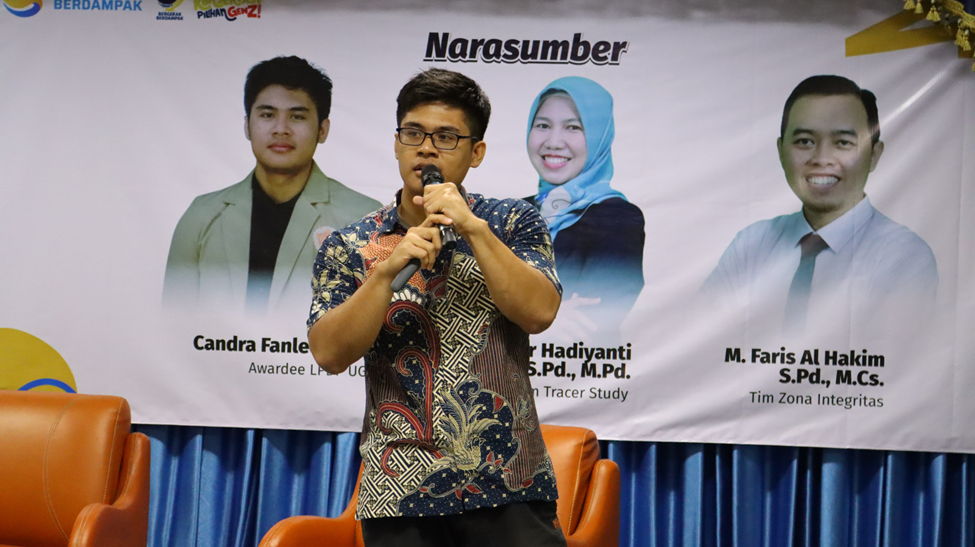
This commitment is reflected in various activities that connect science with local culture. One example is the Community Service Program “Empowering the Science Teachers’ Association (MGMP IPA) of Semarang Regency to Develop STEM-LoCal Based on the Local Wisdom of Mount Ungaran for Scientific Literacy,” led by Dr. Ellianawati, M.Si., together with Dr. Bambang Subali, M.Pd., Dr. Pratiwi Dwijananti, M.Si., Dr. Ian Yulianti, M.Eng., and Ridho Adi Negoro, with support from students and alumni of the Physics Education Study Program at FMIPA UNNES. The program targeted 40 junior high school science teachers who are members of the Semarang Regency MGMP IPA and integrated ethnoscience and local wisdom from the Mount Ungaran area into technology-based learning. The program produced four STEM-LoCal-based teaching materials and four student worksheets incorporating local contexts, including gamelan physics, supported by eight intellectual property rights (IPR) registrations and four practical experiment kits. Teacher competency increased significantly, with the average score rising from 51.27 to 91.56 and an N-Gain of 0.83. In addition to supporting SDG 4 and SDG 9, the program contributes to SDG 11 through the utilization and transmission of local knowledge and wisdom through education.
Efforts to document local knowledge are also strengthened through the research “Ethnobotanical Role of Sago in Wetland Biodiversity and Resilience in the Riau Archipelago, Indonesia,” involving FMIPA UNNES lecturers Woro Sumarni and Saiful Ridlo, together with Tisrin Maulina Dewi. The study explored community knowledge regarding sago management through interviews with 40 informants, including community leaders, traditional processors, farmers, and traditional leaders, as well as participatory observation. The research identified various practices based on traditional ecological knowledge, such as crop rotation and selective pruning. The documentation of this knowledge demonstrates how local traditions and knowledge can contribute to ecosystem management while also serving as part of efforts to preserve intangible cultural heritage.
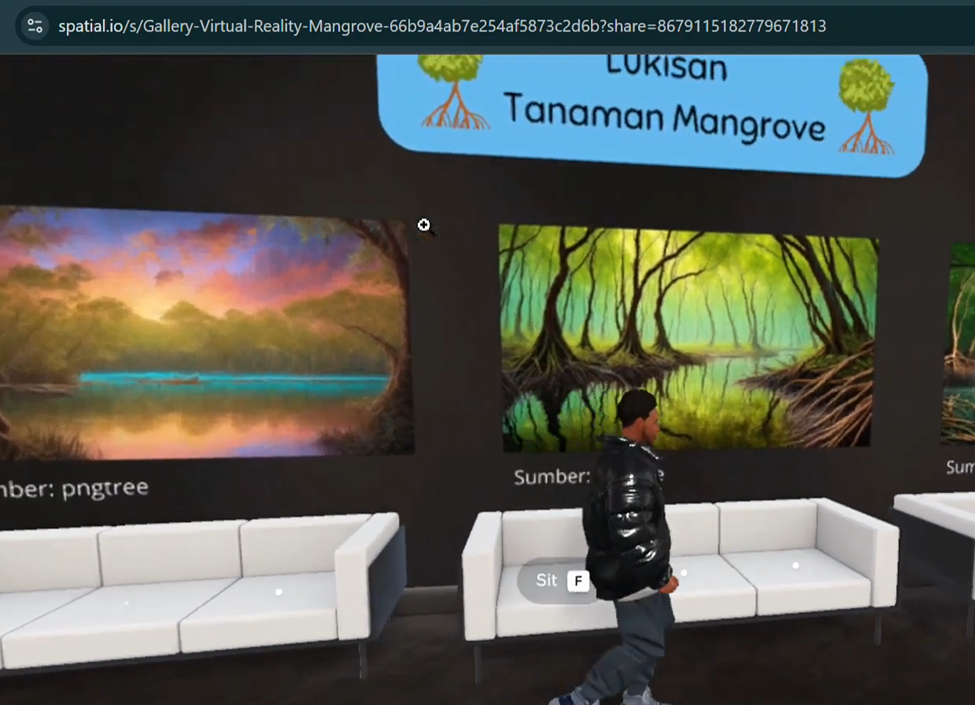
FMIPA UNNES’s contribution to cultural preservation is further demonstrated through the development of a Virtual Reality (VR)-based Mangrove Museum in Prof. Sudarmin’s research entitled “Innovation of Integrated Inquiry Project Learning Model for Ethnoscience and Socioscientific Issues with Virtual Reality (VR) Media on the Topic of Mangroves to Realize Sustainable Environmental Literacy.” The research reconstructed scientific and community knowledge concerning mangrove forests and presented it through nine virtual galleries containing knowledge, technology, benefits, and ecological, social, cultural, scientific, and technological aspects of mangrove forests. The virtual museum expands access to knowledge and representations of local knowledge through a digital space while connecting environmental conservation with education and culture.
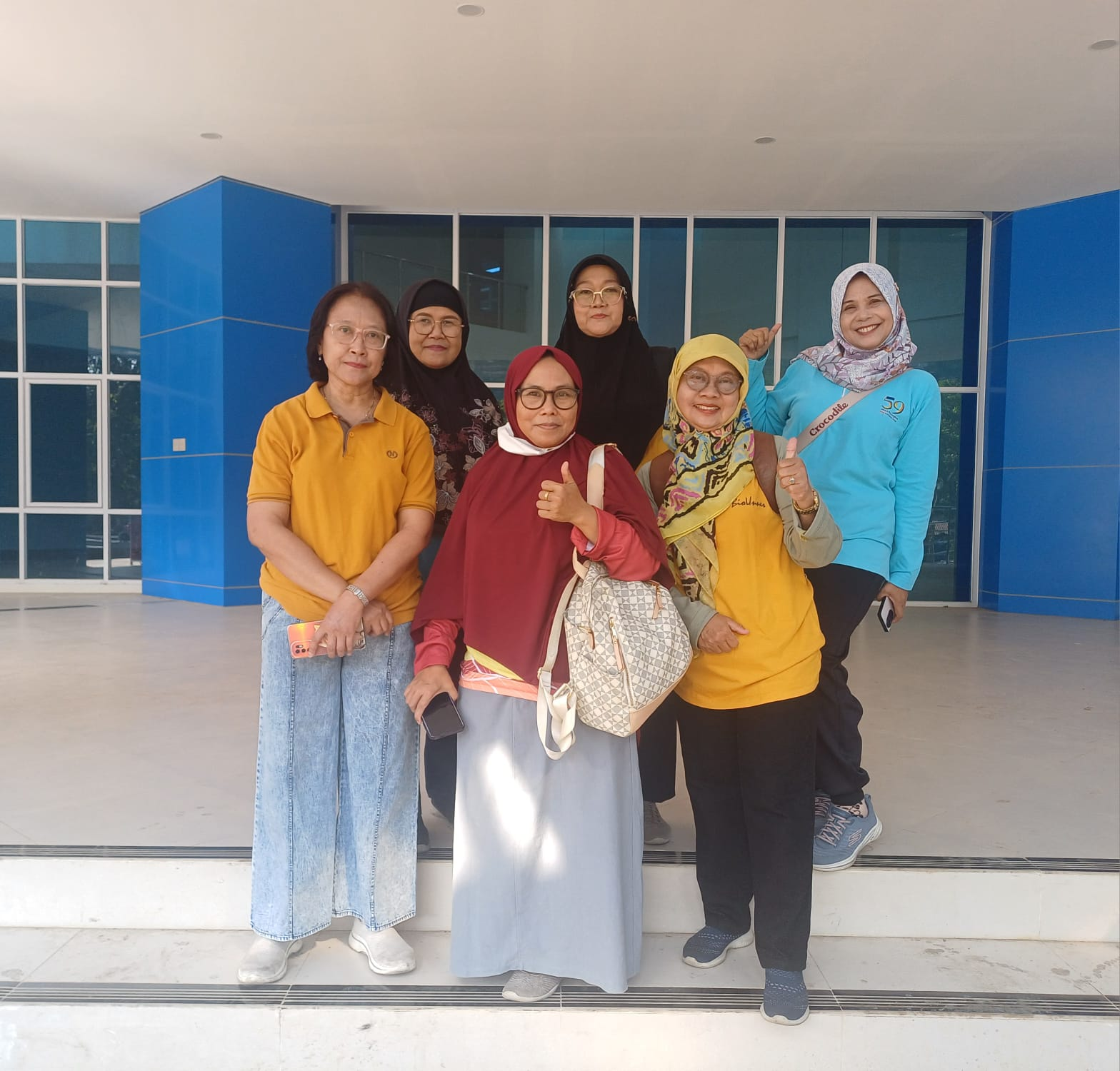
Beyond research, FMIPA UNNES also provides public access to its library, including books and academic publications, as part of its commitment to ensuring access to knowledge. The library serves as a space that can be utilized by members of the public to access information and literature, supporting the dissemination of scientific knowledge and strengthening the faculty’s role as an open learning environment.
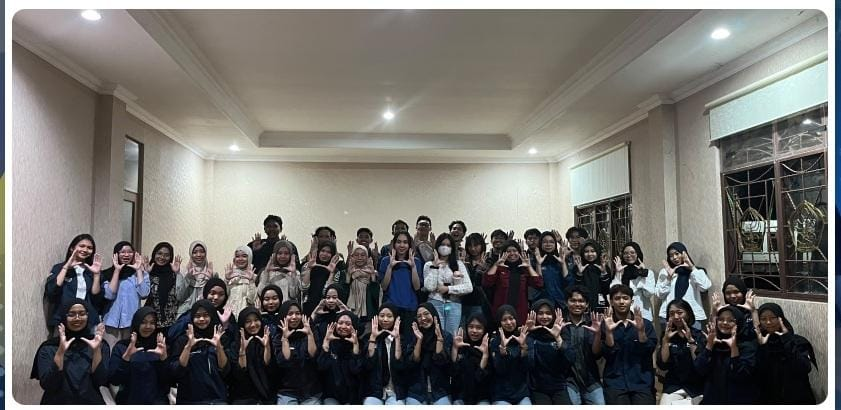
Access to cultural heritage is also introduced to the international community through the Natura Scienta Camp (NSC), a program organized by FMIPA UNNES for international students. As part of the program, participants are invited to explore several historical buildings and cultural heritage sites in Semarang, including Blenduk Church and Lawang Sewu. International participants are also introduced to local cultural activities through ecoprint workshops and gamelan performances, allowing them to experience not only science and academic learning but also local arts, traditions, and creativity.
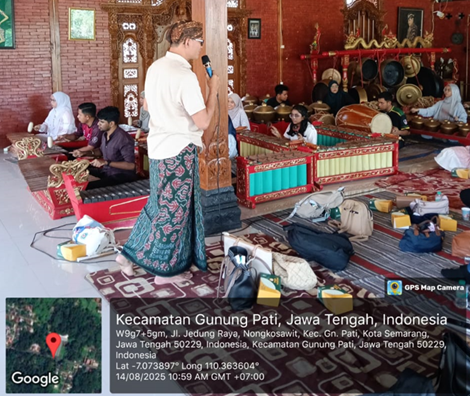
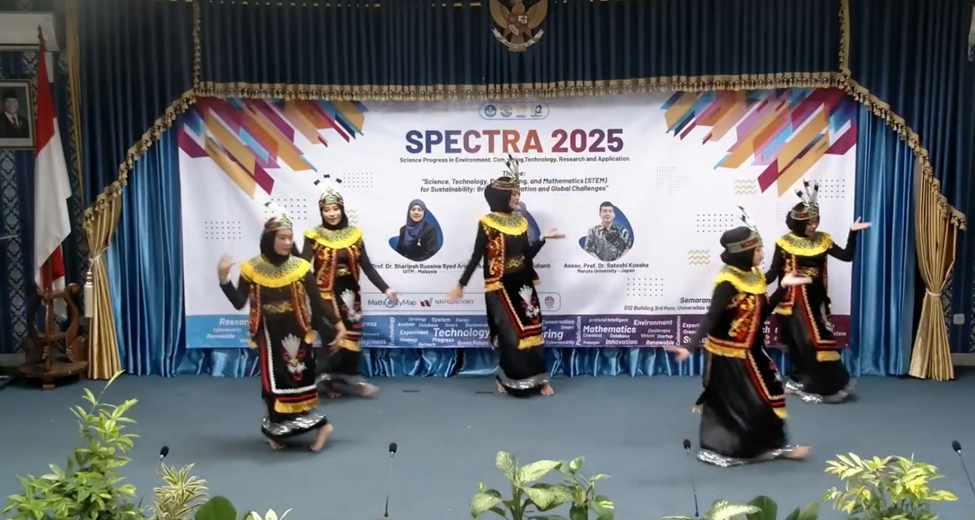
Arts and cultural conservation is also integrated into the academic and student life of FMIPA UNNES. Various faculty seminars and official events regularly feature traditional dance performances as part of their opening ceremonies. Student activities also incorporate arts and culture into various programs. FMIPA has student organizations dedicated to the arts, including music and dance, while each department also organizes its own arts and cultural activities, such as Technofest in the Department of Computer Science and GESIT within the Science Education and Environmental Science fields. These activities provide opportunities for students to perform, develop, and promote arts and culture within the academic environment.
These initiatives demonstrate that arts and cultural conservation at FMIPA UNNES is implemented through diverse approaches, ranging from providing access to knowledge and cultural heritage, organizing arts activities, to documenting and transmitting local knowledge through research and education. By integrating science, technology, culture, and student engagement, FMIPA UNNES continues to strengthen its role within the university’s conservation mission while contributing to SDG 11, particularly the preservation of cultural heritage and the development of sustainable and resilient communities.