

The ease of obtaining answers through artificial intelligence is beginning to change the way students approach academic demands. When assignments seem difficult or time is running out, technology becomes a resource that provides quick solutions. This habit may be helpful at first, but if it persists, a deeper issue arises: are students still accustomed to relying on their own thinking skills when faced with difficulties?
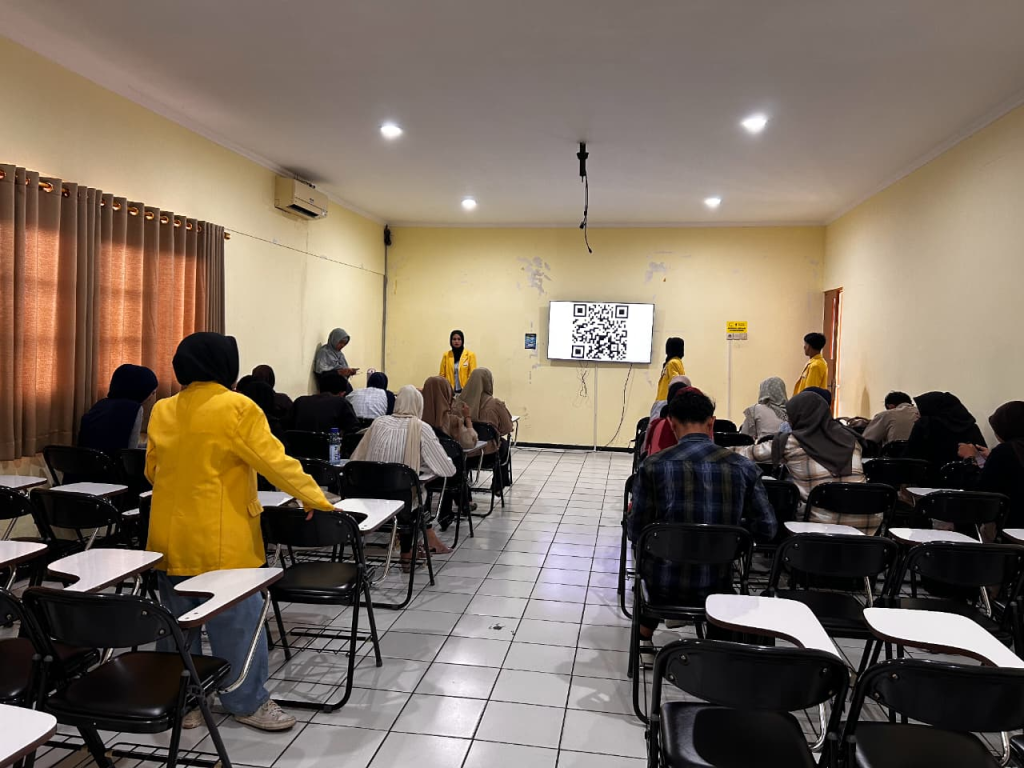
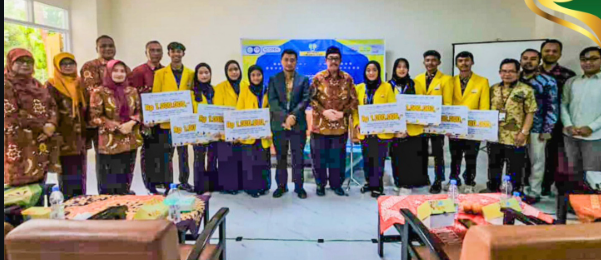
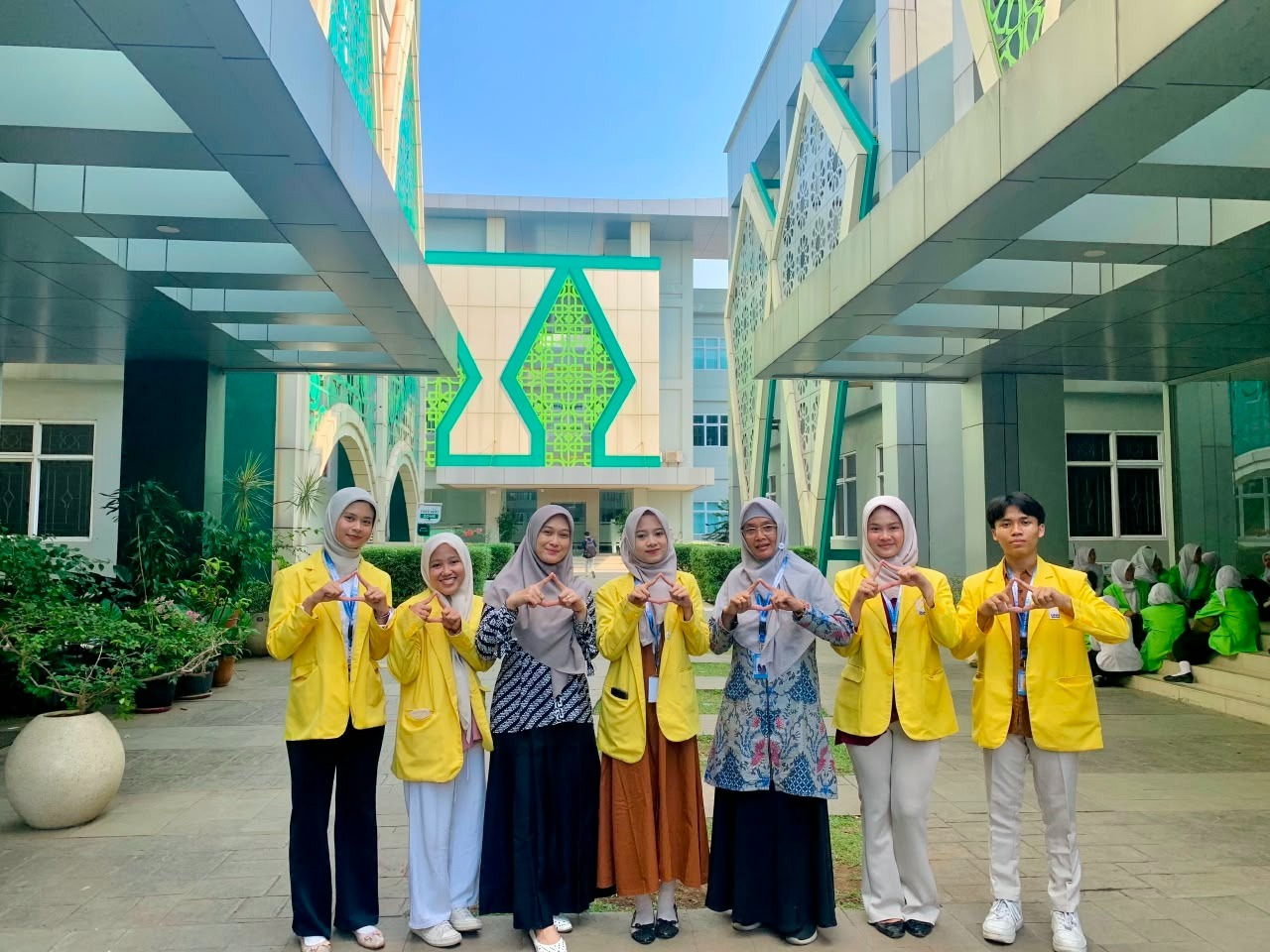
This phenomenon has caught the attention of the Student Creativity Program for Social and Humanities Research (PKM-RSH) at Semarang State University (UNNES). The team examined the relationship between the level of dependence on artificial intelligence and the mathematical reasoning abilities of prospective mathematics teachers. This research not only examined the use of technology in learning but also phenomena related to student psychology, including examining how academic pressure, insecurity in one’s abilities, and the desire for instant solutions potentially influence patterns of artificial intelligence use.
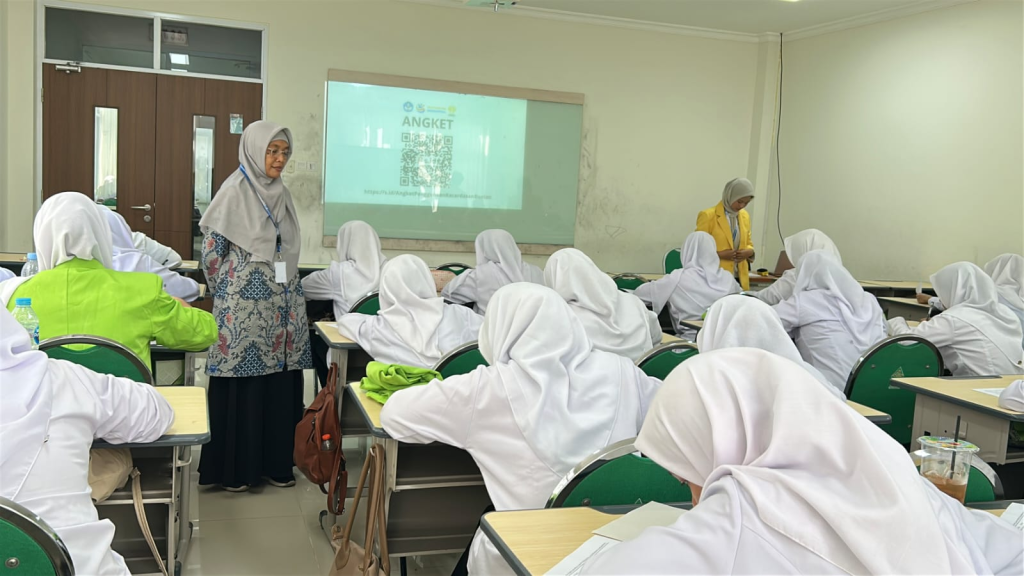
Psychologically, repeated use of artificial intelligence without balancing it with independent thinking can lead students to doubt their ability to solve problems without the aid of artificial intelligence. When answers are always available instantly, students can become accustomed to abandoning critical thinking and feel less confident when facing challenges independently. This situation suggests that the issue of using artificial intelligence is not only related to academic ability, but also to students’ confidence in their own abilities.
Prospective mathematics teacher students are an important group to study because their ability to reason independently is crucial for addressing future learning challenges. If technology is used without the ability to understand and explain the information acquired, these patterns could potentially carry over into their roles as educators.
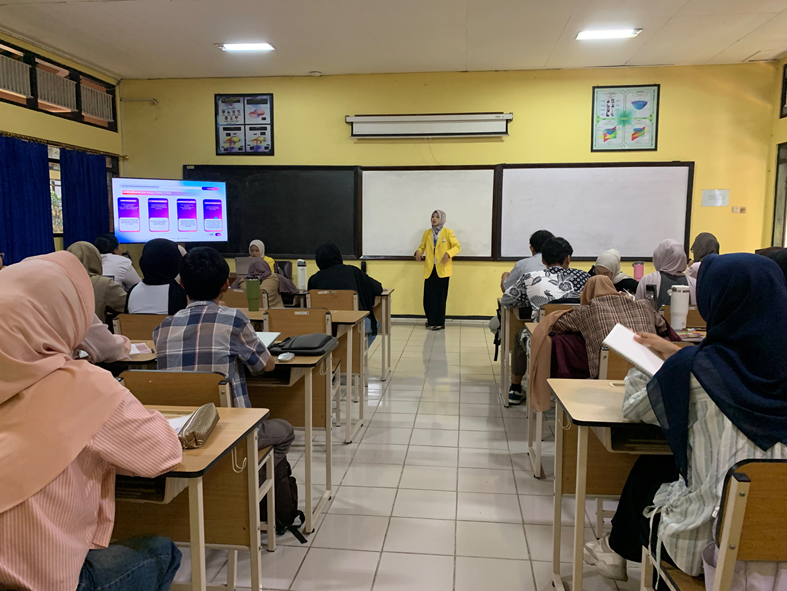
This research was conducted on students of the Mathematics Education Study Program at Semarang State University (UNNES), Semarang PGRI University (UPGRIS), and Walisongo State Islamic University (UIN Walisongo) through a multidisciplinary collaboration with the guidance of a supervisor, Dr. Nuriana Rachmani Dewi (Nino Adhi), M.Pd. This collaboration brings together perspectives from psychology, mathematics education, and socio-cultural perspectives to examine the use of artificial intelligence in greater depth.
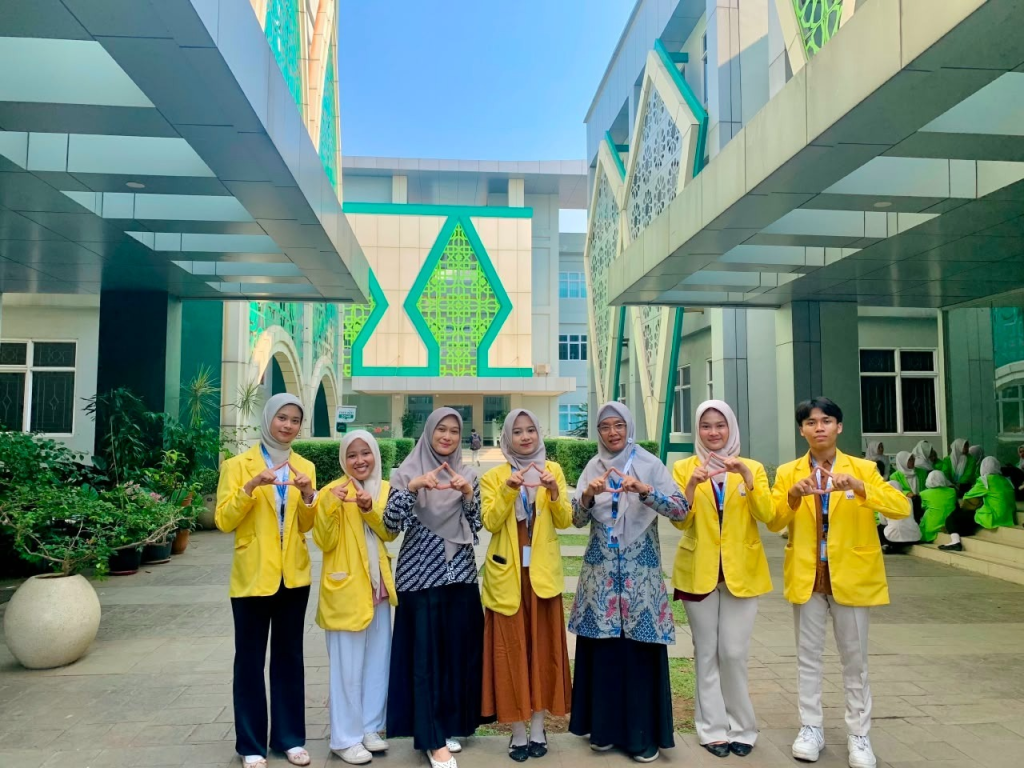
This research does not view artificial intelligence as a threat to education. Technology can still be a learning tool as long as it is used appropriately. What needs to be maintained is that the ease of obtaining answers does not replace the process of thinking, understanding, and developing knowledge independently. This aligns with Sustainable Development Goals (SDGs) 4 on Quality Education and the fourth Asta Cita, which emphasizes human resource development through strengthening education, science, and technology. Through this research, the PKM-RSH UNNES Team strives to play a role in enhancing the nation’s intelligence while maintaining the human ability to think as a vital part of education.