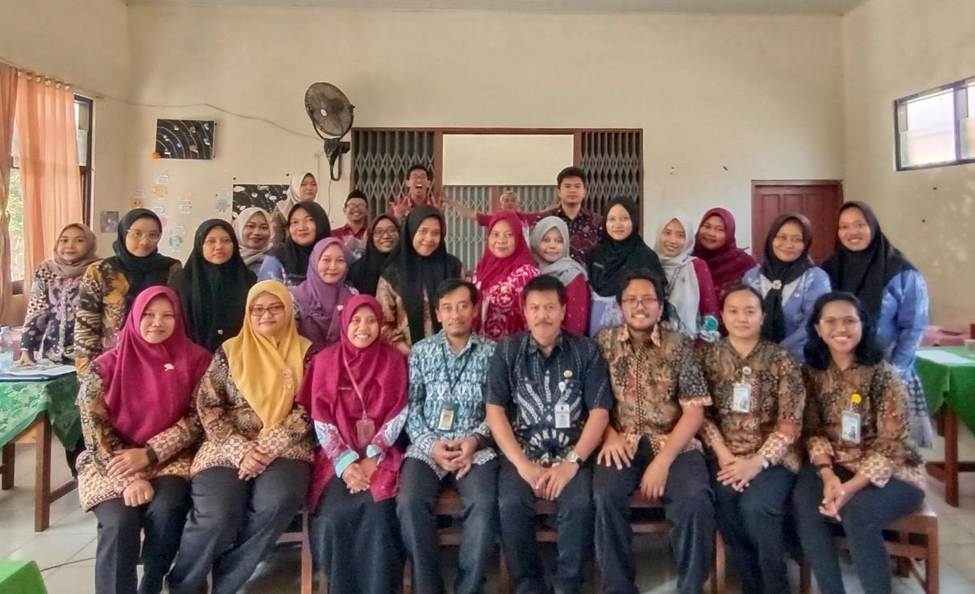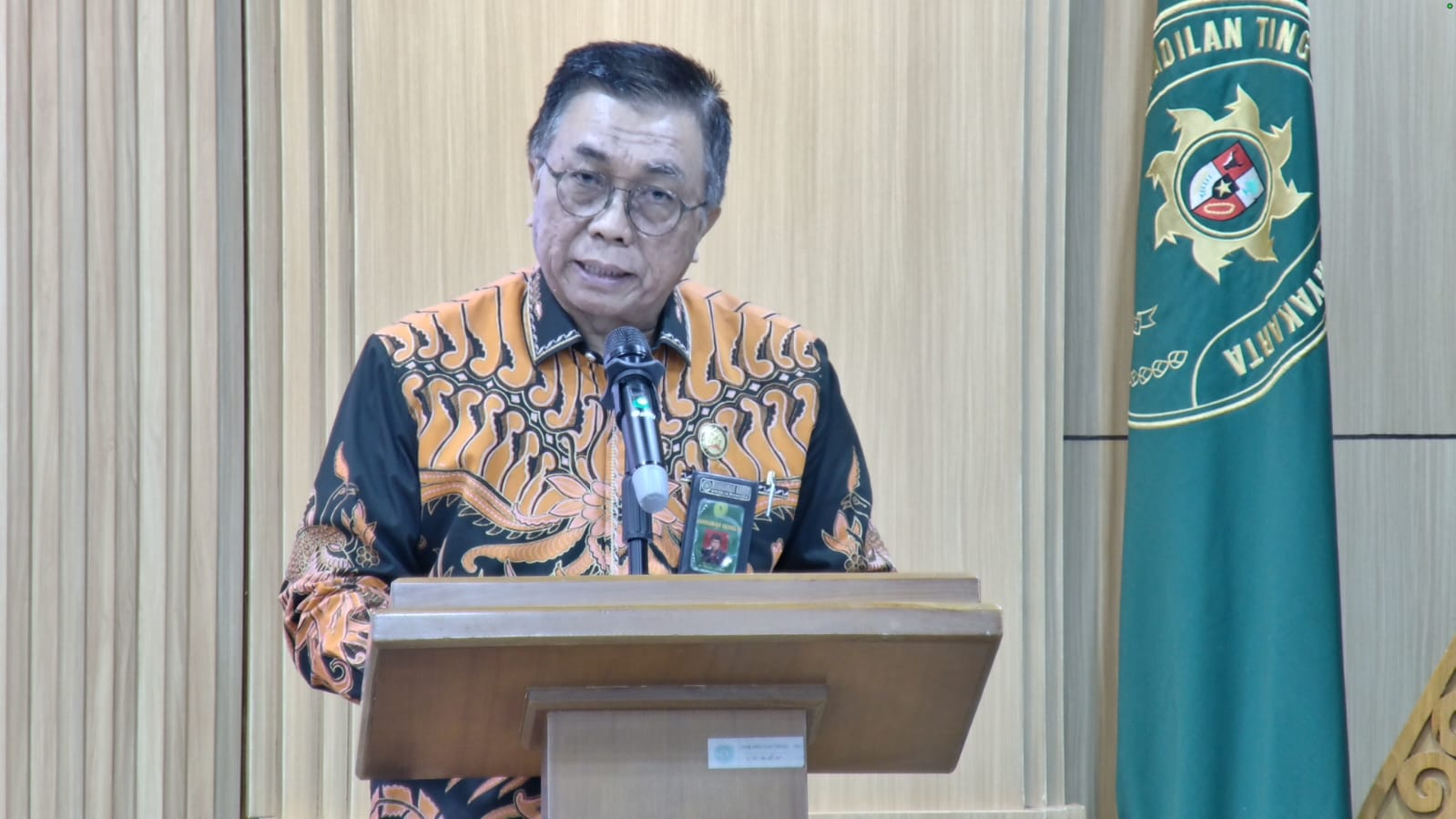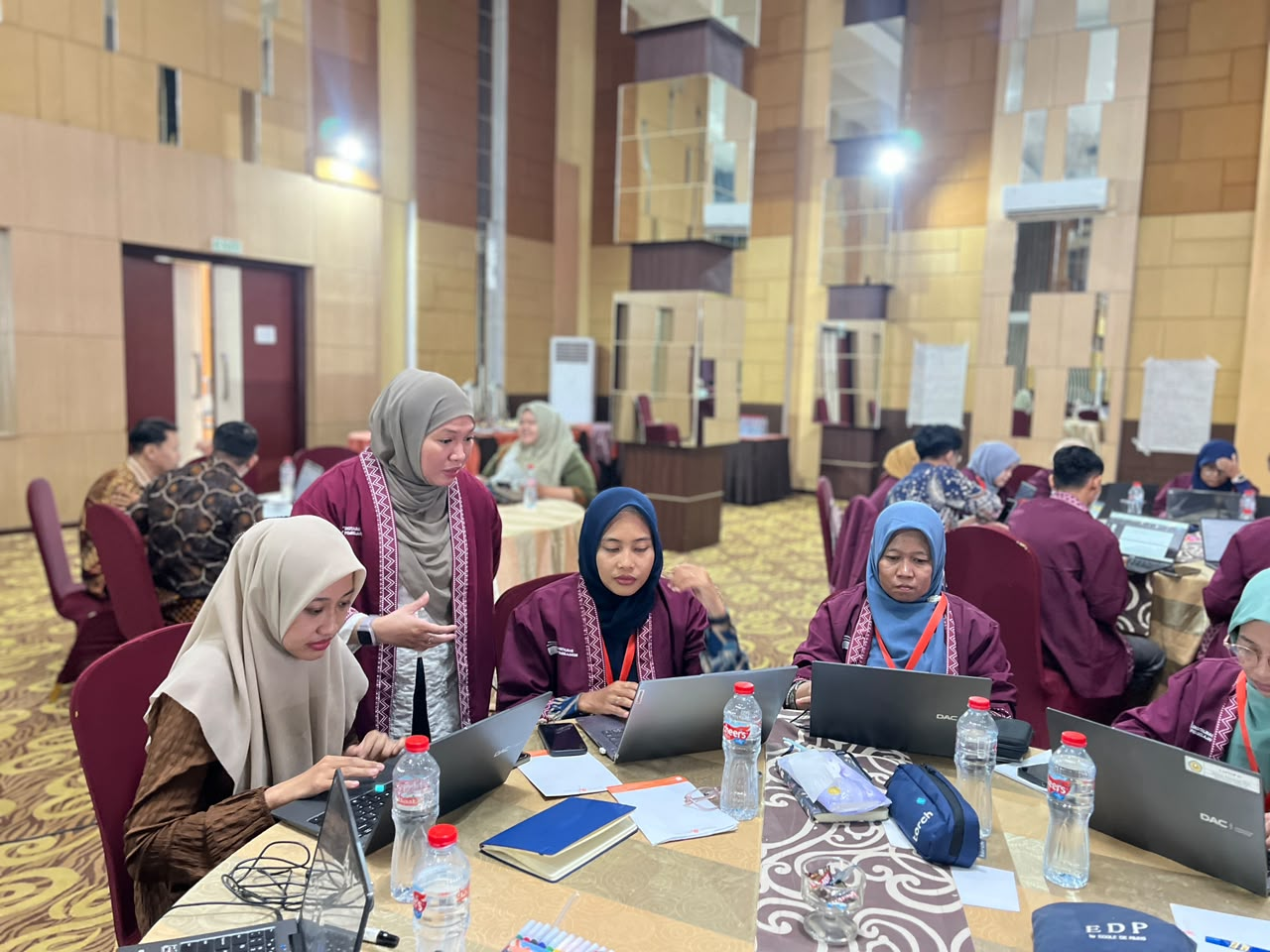


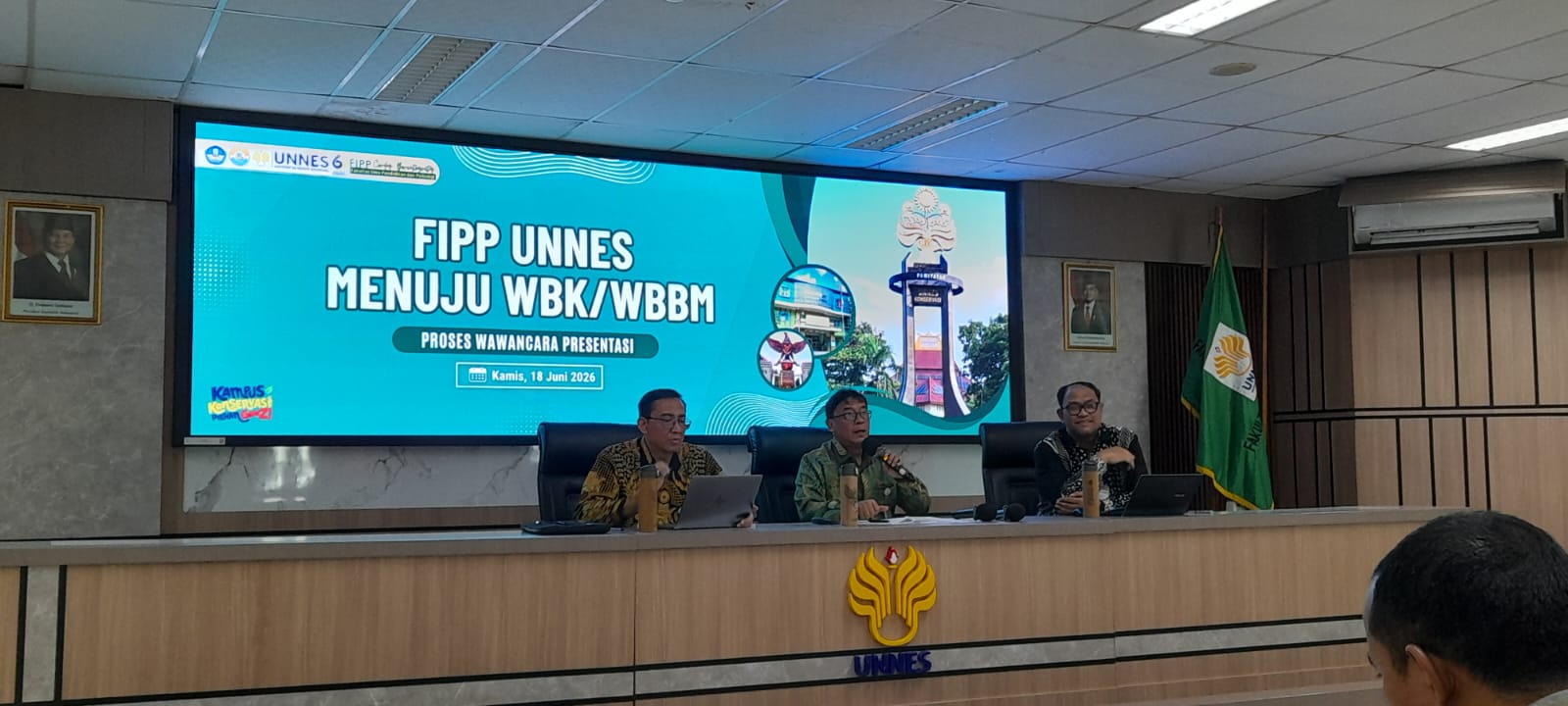
Semarang – The Faculty of Education and Psychology (FIPP) of Universitas Negeri Semarang (UNNES) participated in an Integrity Zone (ZI) interview with the Independent Assessment Team (TPI) of the Ministry of Higher Education, Science, and Technology as part of the evaluation process for the development of an Integrity Zone toward achieving Corruption-Free Area (WBK) status. During the session, the Dean of FIPP UNNES delivered a presentation on the implementation of the Integrity Zone within the faculty. The event was attended by the Vice Dean I, Vice Dean II, Vice Dean III, and the FIPP ZI Area Manager.
FIPP UNNES advanced to the interview stage after successfully passing the Evaluation Working Paper (LKE) assessment at the ministry level. The interview is an important stage in ensuring an objective assessment of the unit’s commitment to and implementation of the Integrity Zone program. At the national level, 55 work units advanced to the TPI assessment stage, while FIPP was one of only three units at UNNES to reach this stage.
The interview stage, conducted from June 15–19, 2026, provided an opportunity for FIPP to demonstrate various forms of evidence of its Integrity Zone implementation, including documentation, videos, photographs, and innovations developed by the faculty. These materials serve as important evidence of FIPP’s readiness and commitment to establishing governance based on integrity, transparency, and high-quality public services.
Following the interview, FIPP UNNES will undertake further strengthening and refinement of various aspects of the Integrity Zone program in preparation for the National Assessment Team (TPN) evaluation. If FIPP successfully passes the TPI stage, the results will subsequently be submitted to the Ministry of Administrative and Bureaucratic Reform (KemenPANRB) for the national-level assessment process.
FIPP UNNES’s participation in this stage demonstrates the faculty’s strong commitment to strengthening a culture of integrity while continuously improving governance and services for all stakeholders. With the support and commitment of the entire academic community, FIPP is determined to successfully complete each stage of the evaluation and demonstrate that its innovations and reforms have delivered tangible impacts on the quality of public services.