

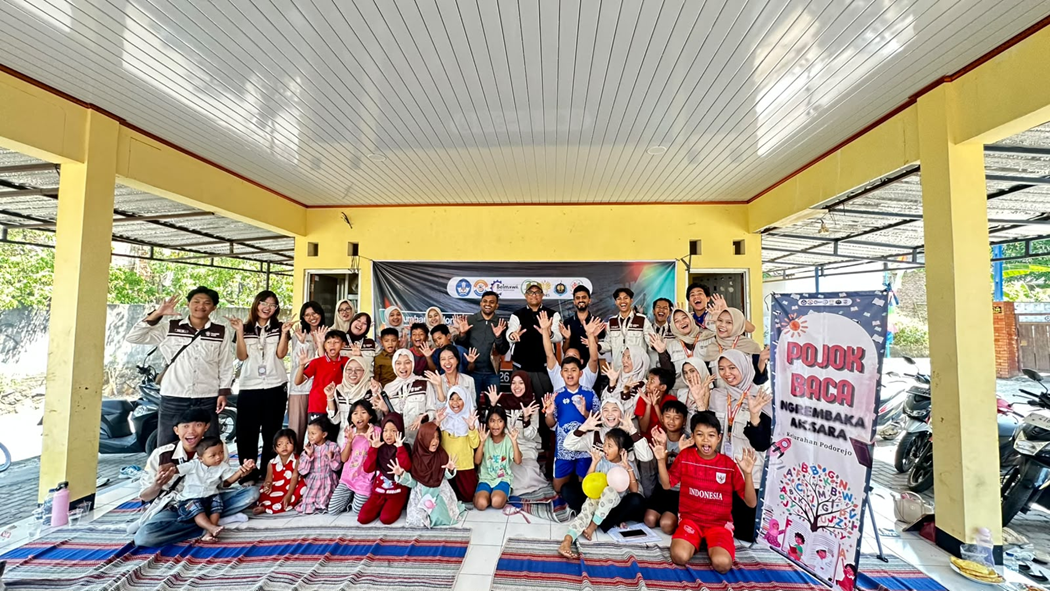
Semarang — The Student Organization Capacity Building (PPK Ormawa) team from the Primary School Teacher Education (PGSD) SGL program at Universitas Negeri Semarang (UNNES) organized the “Tunas Ngrembaka” Literacy Corner event, themed “Cultural and Multicultural Literacy: International Cultural & Educational Sharing,” in Rumpin, Podorejo Village, Semarang City, on Sunday (August 9, 2026). The event was attended by 33 tunas ngrembaka (children participants), 13 members of the organizing team, 3 student organization team members, and 7 task force members.
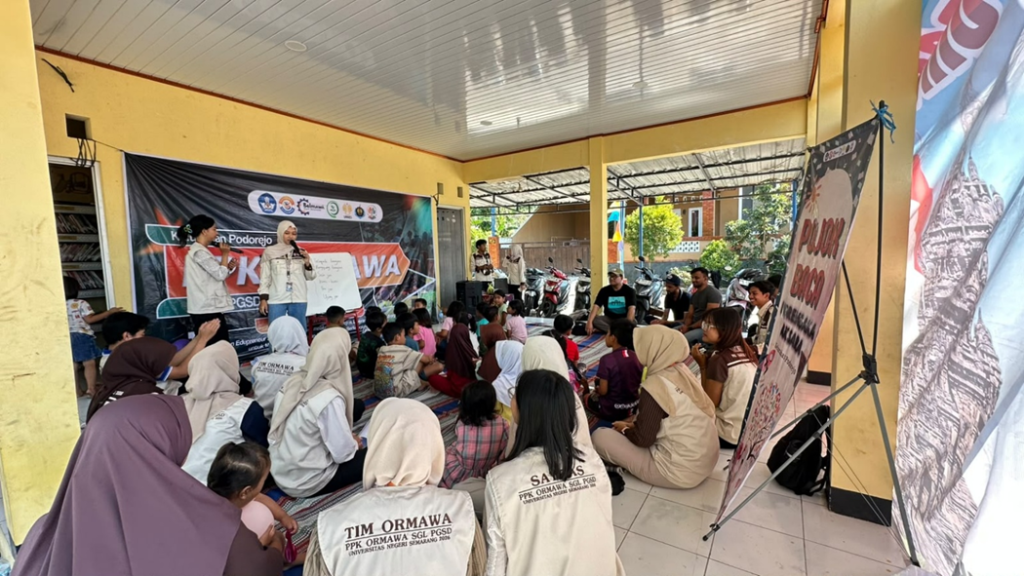
The event featured two international doctoral (PhD) students from Pakistan—Muhammad Salman from Universitas Negeri Yogyakarta (UNY) and Muhammad Sharyar from Universitas Diponegoro (UNDIP)—who served as guest speakers to introduce cross-cultural concepts to the children.
Also in attendance was Farid Ahmadi, S.Kom., M.Kom., Ph.D., Vice Dean I of the Faculty of Education and Psychology (FIPP) at UNNES, demonstrating the Faculty’s support for the continuity of the UNNES PGSD SGL PPK Ormawa program. Additionally, M. Ikhlasul Amal, S.Par., M.Tr.Par., owner of Issul Bakery, attended to show support as a collaborative partner of the UNNES PGSD SGL PPK Ormawa team.
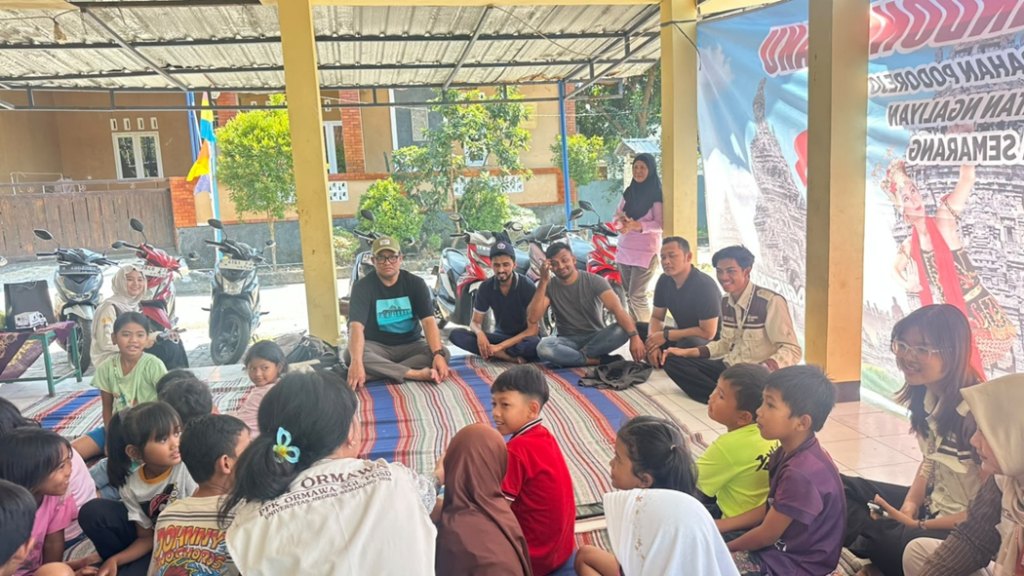
Titled “International Cultural & Educational Sharing,” the event was designed to foster multicultural awareness in children from an early age through direct interaction with a foreign culture, while simultaneously instilling values of tolerance and openness toward diversity.
During the cultural introduction session, Muhammad Salman and Muhammad Sharyar presented information regarding daily life, language, customs, and traditional games found in Pakistan. The two also shared stories about the cultural differences and similarities between Indonesia and Pakistan, providing multicultural insights to the Tunas Ngrembaka children.
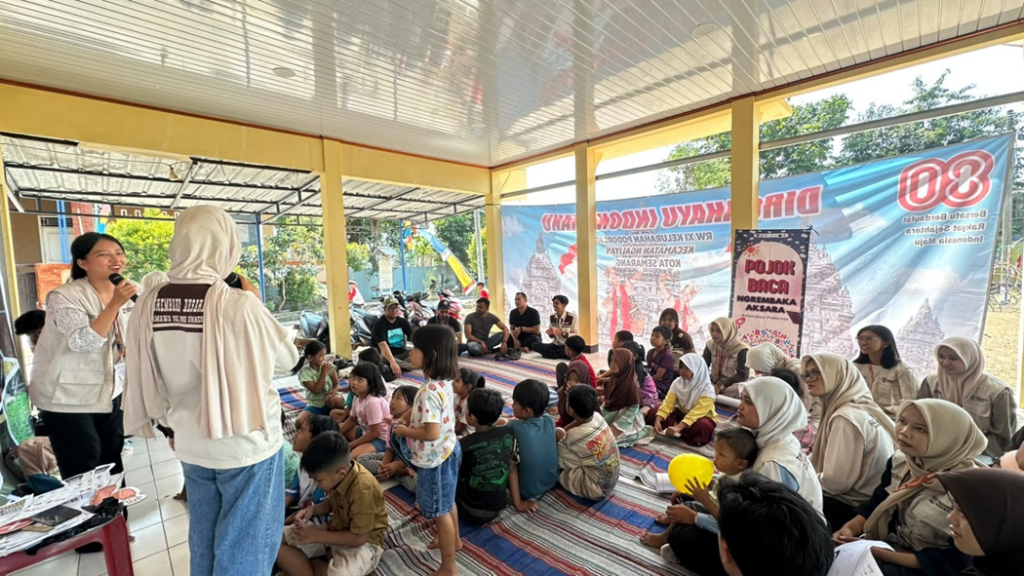
Muhammad Salman expressed his delight at being able to share his culture firsthand with the children in Indonesia. “I am very happy to share about Pakistani culture with the children here. They are very active and curious; they asked many questions about Pakistan, especially about our traditional games. I hope this kind of activity can strengthen the friendship between Indonesia and Pakistan, especially through the younger generation,” he said.
Echoing this sentiment, Muhammad Sharyar noted that the activity was a valuable experience for him to learn more about Indonesian culture. “This activity is a great experience for me because I also learn a lot about Indonesian culture, especially traditional games like congklak and bakiak, and the song ‘Gundul-Gundul Pacul’ that the children taught us. I feel that culture can connect people from different countries very easily, especially when we share it with children,” he remarked.
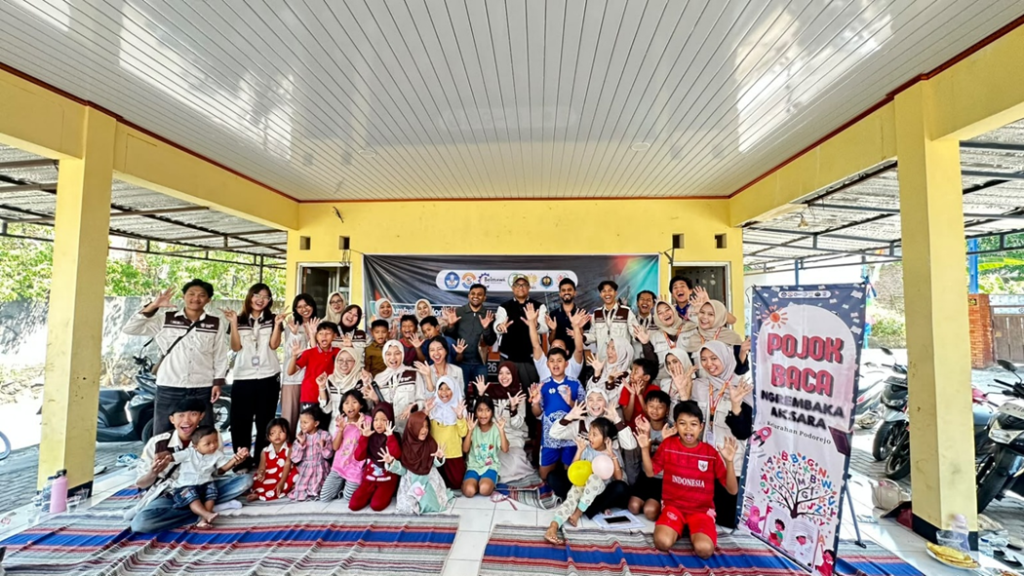
The event continued with interactive play, where the Tunas Ngrembaka children introduced traditional Indonesian games such as jump rope, bakiak (wooden clogs), and congklak, while also being introduced to traditional Pakistani games like cricket and kabaddi. Through this session, the children not only played but also learned to understand the values of cooperation and sportsmanship inherent in each culture.
In addition to playing, the Tunas Ngrembaka children participated in dancing to traditional Pakistani music, guided directly by the two international doctoral students. As part of the cultural exchange, the children also taught the traditional song “Gundul-Gundul Pacul” to Muhammad Salman and Muhammad Sharyar, fostering an atmosphere of mutual cultural sharing between the two nations.
Afif, one of the Tunas Ngrembaka participants, expressed his happiness at getting to know Pakistani culture firsthand.
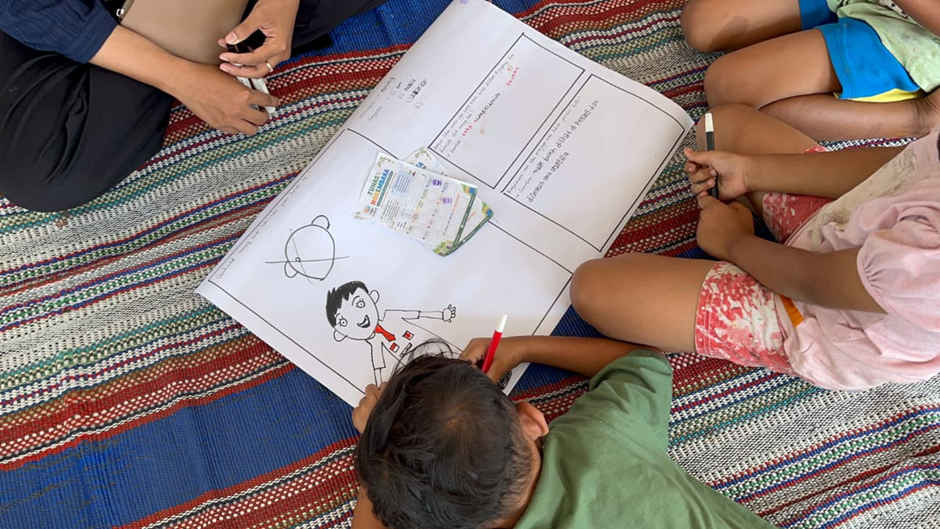
“I’m really happy I got to play with Kak Salman and Kak Sharyar. I just found out there’s a game called kabaddi it’s so much fun! I also taught them how to sing ‘Gundul-Gundul Pacul’,” he said.
The Dean of the Faculty of Education and Psychology (FIPP) at UNNES, Farid Ahmadi, S.Kom., M.Kom., Ph.D., also commended the activity as a tangible example of implementing multicultural education within the community.
“Activities like this are excellent for instilling a global perspective in the ‘Tunas Ngrembaka’ children from an early age. Direct interaction with international students provides an authentic learning experience that cannot be replicated by classroom instruction alone. I appreciate the UNNES PGSD SGL PPK Ormawa team for consistently delivering innovative and beneficial programs for the community,” he said.
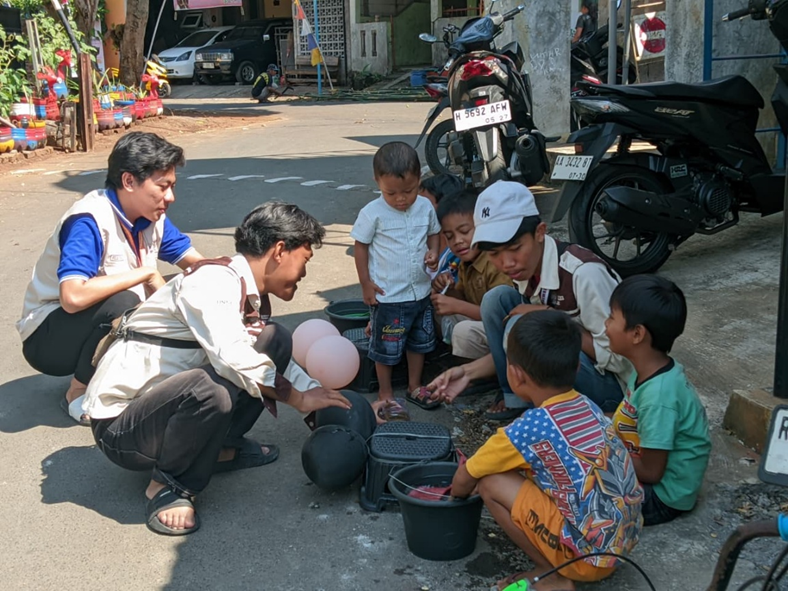
Meanwhile, the Head of the UNNES PGSD SGL PPK Ormawa implementation team, Farid Fikri Khoirul Rasyid, hopes that this activity will continue and yield long-term benefits for the character development of the ‘Tunas Ngrembaka’ children in Podorejo Village, Semarang City.
“We hope that this cultural and multicultural literacy activity will equip the Tunas Ngrembaka to grow into a generation that is open-minded, tolerant, and proud of diversity. We also extend our gratitude to everyone who supported the realization of this event from the organizing team, student organizations, and the task force team to the guest speaker from Pakistan,” he concluded.
Through the Tunas Ngrembaka Literacy Corner initiative, the SGL PGSD UNNES PPK Ormawa team is committed to continuously delivering literacy programs that foster not only academic skills but also the character and global perspective of the Tunas Ngrembaka as the nation’s next generation.