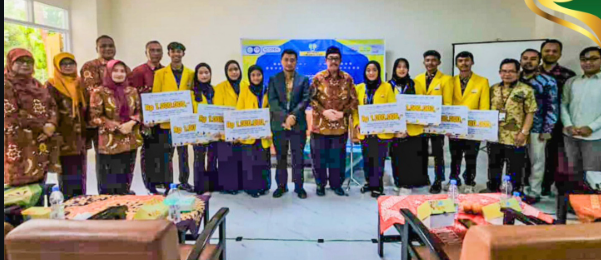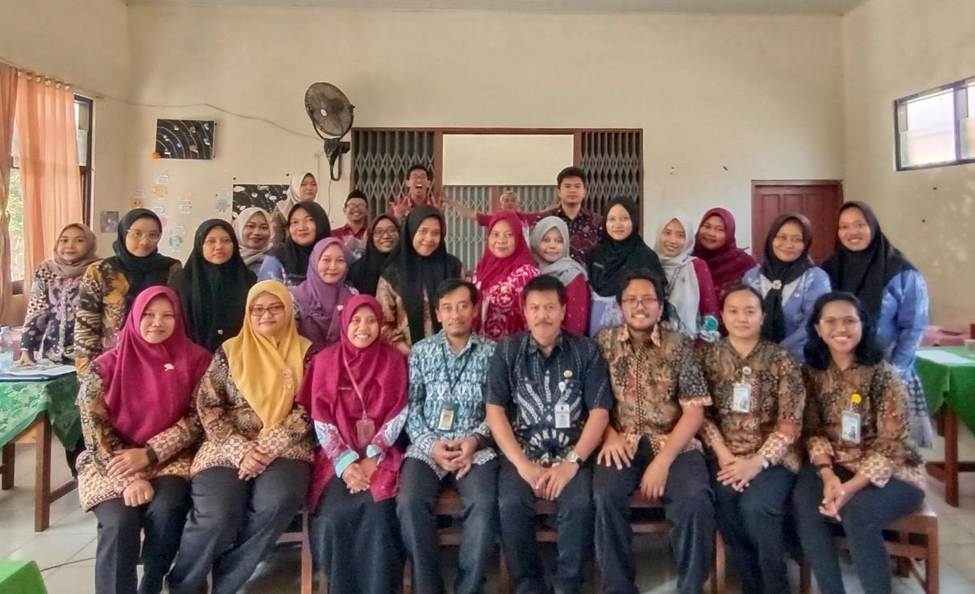


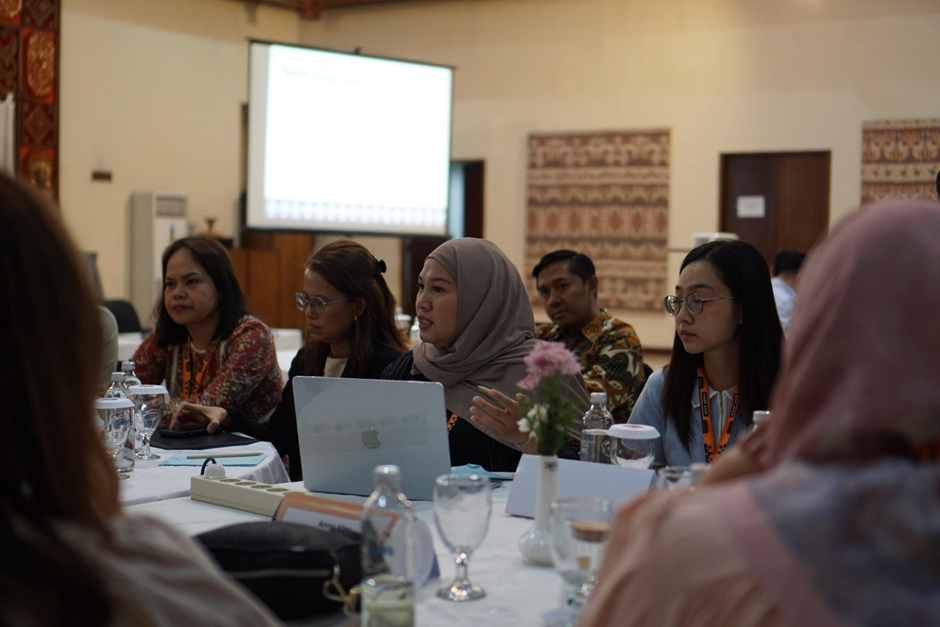
Bali, July 8–10, 2026 — A team of lecturers from the Faculty of Education and Psychology at Universitas Negeri Semarang (FIPP UNNES) participated in the Asian Association of Social Psychology (AASP) Small Group Meeting 2026 held in Bali. This international event served as a gathering place for academics and researchers developing psychological approaches grounded in local knowledge, culture, and community to address various social challenges in the Asia-Pacific region.
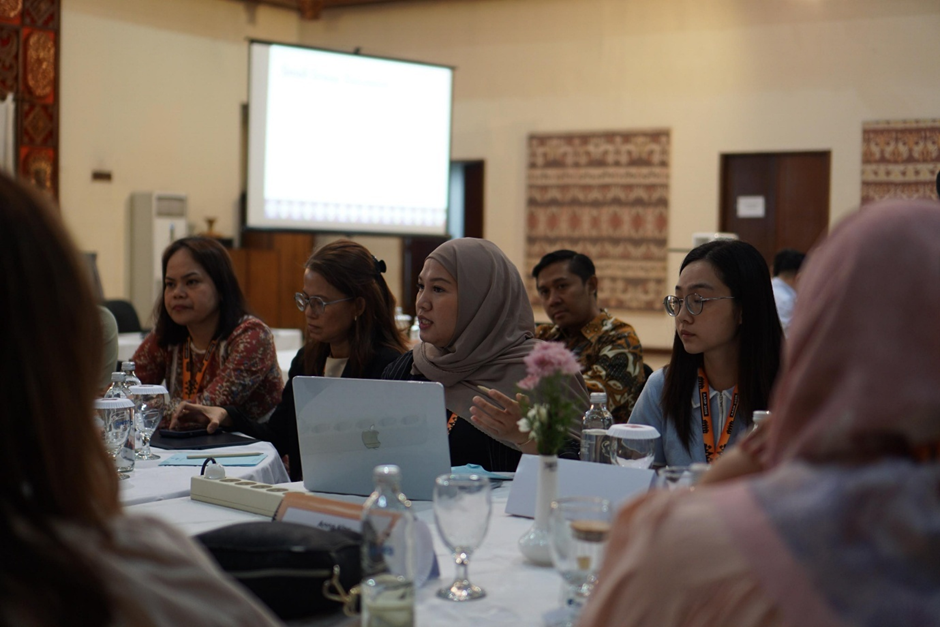
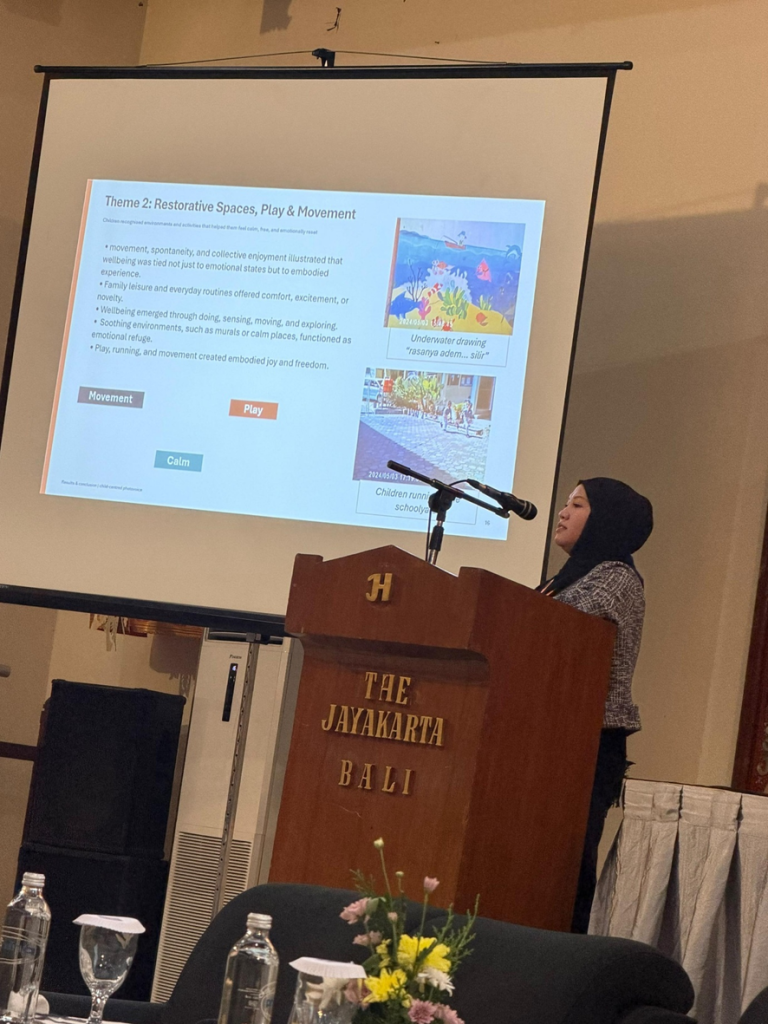
At the forum, Wulan Aulia Azizah presented research titled “Photovoice as a Child-Centered Method for Assessing Wellbeing Literacy: Methodological Innovation and Pilot Findings.” This research was a collaborative effort involving Muhammad Nazil Iqdami, Siti Nuzulia, Fatma Kusuma Mahanani, and Wulan Aulia Azizah from FIPP UNNES, alongside Lindsay Oades from the University of Melbourne, Australia.
The study proposes Photovoice as a child-centered method for examining wellbeing literacy. Through photographs and stories, children are given the opportunity to describe the experiences, activities, social relationships, and environments that make them feel safe, comfortable, calm, and happy. Preliminary findings indicate that children’s well-being is linked to experiences of play, physical movement, interactions with family and friends, and time spent in comfortable, restorative spaces.
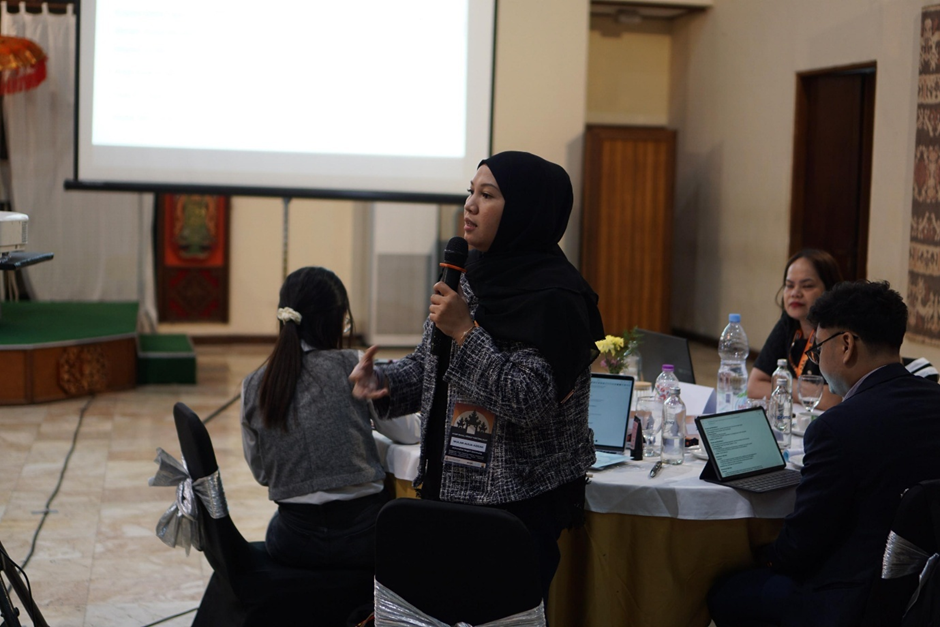
In addition to research presentations, the AASP Small Group Meeting 2026 program included plenary sessions, workshops, academic discussions, and opportunities for cross-national and cross-career-stage collaboration. The forum served not only as a platform for disseminating research findings but also as an avenue for knowledge exchange, the development of joint publications, and the establishment of international research networks.
This collaborative research supports the achievement of SDG 3 (Good Health and Well-Being), SDG 4 (Quality Education), SDG 10 (Reduced Inequalities), and SDG 17 (Partnerships for the Goals). The collaboration between FIPP UNNES and The University of Melbourne further strengthens the commitment to developing research in education and psychology that is participatory, inclusive, contextual, and oriented towards child well-being.