

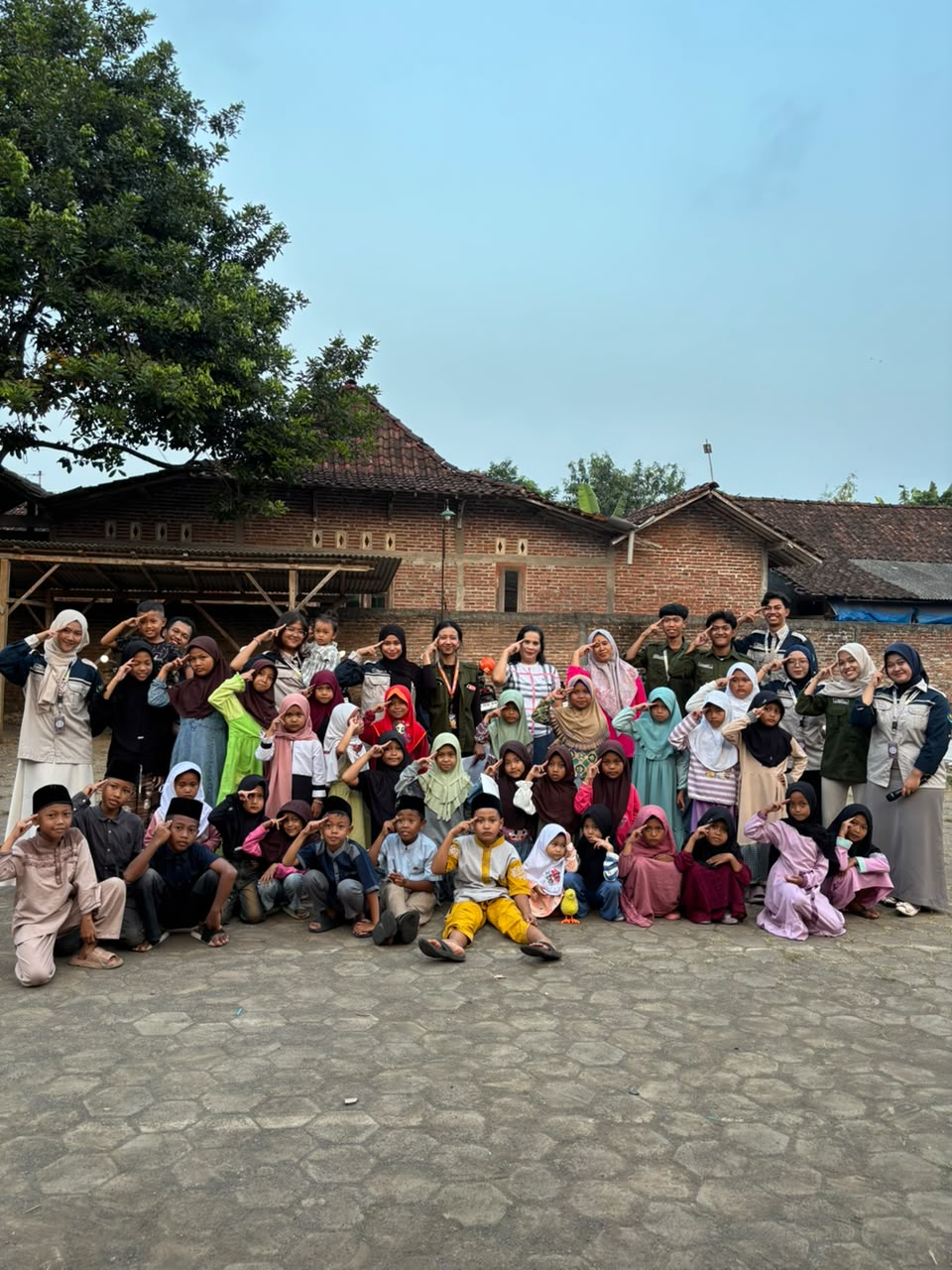
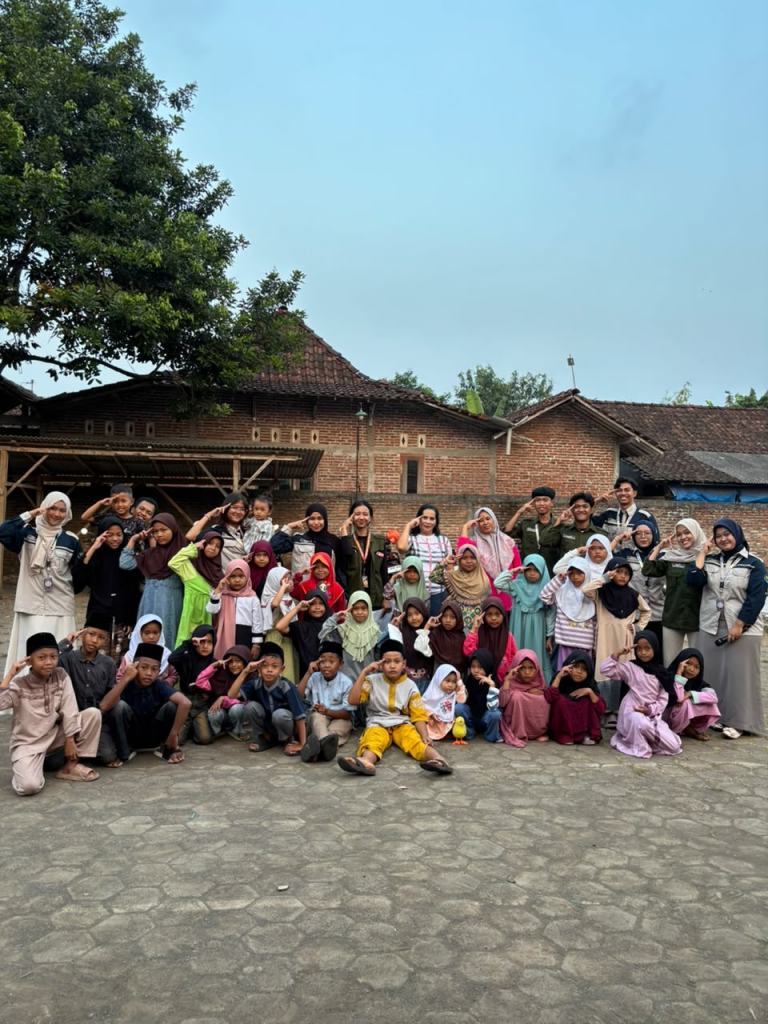
Semarang – After previously highlighting financial literacy, the Implementation Team of the SGL PGSD Student Activity Unit (PPK Ormawa SGL PGSD) of Semarang State University (UNNES) once again presented a new and equally engaging topic in the Tunas Ngrembaka Literacy Corner series. On Friday,
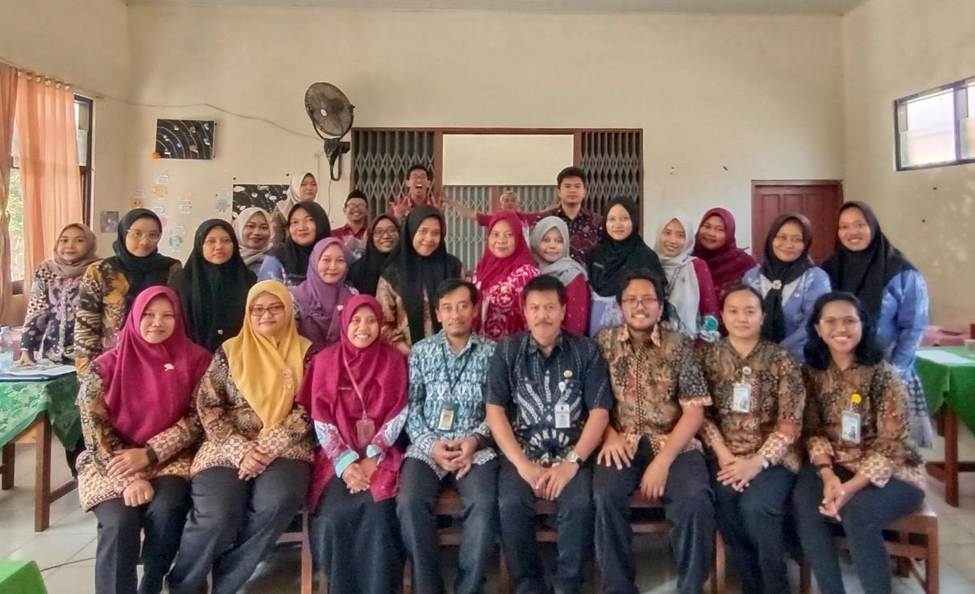
July 17, 2026, the team held the fourth meeting of the Tunas Ngrembaka Literacy Corner at Madrasah Diniyah (Madin) RW 6, Podorejo Village, an area designated as Target Point II (village) for the NGREMBAKA AKSARA program. The activity, attended by 30 elementary school-aged children, raised the theme “Science Literacy: Water Purification,” a topic that combines scientific knowledge with hands-on practical skills.
The choice of water purification as a theme is part of an effort to broaden the scope of literacy introduced to the children of Podorejo Village, extending beyond language and financial literacy to include scientific literacy, providing basic knowledge about the environment and water resources. This activity is a tangible contribution to SDG 6: Clean Water and Adequate Sanitation, as the material presented directly teaches children about the importance of clean water and simple ways to obtain more suitable water, as well as SDG 4: Quality Education, through an experiment-based learning approach that encourages scientific thinking from an early age.
Understanding Clean Water and Wastewater Through Posters
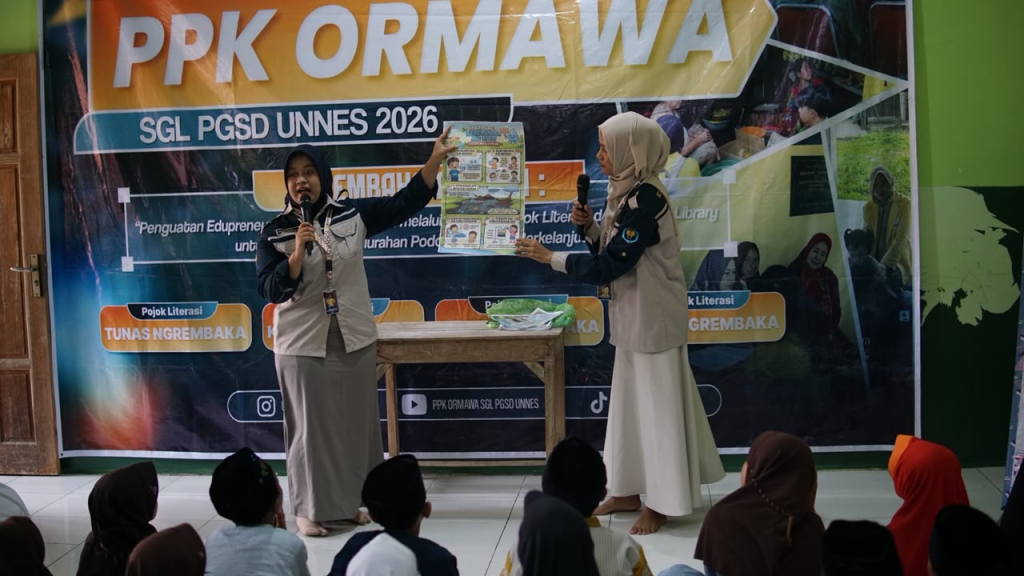
The series of activities began with participant attendance, before proceeding with an introduction session with the implementing team. During this stage, the children were invited to examine the material through educational posters, which explained the function of water in life, the definitions of clean water and wastewater, and the differences in characteristics between the two. This visual medium was chosen to help children more easily grasp the abstract concept of water quality through concrete, easily digestible images and illustrations that are appropriate for their cognitive developmental stage.
In addition to explaining the basic concepts, the implementation team also introduced various preparation materials for the experiments to be used in the experiments, so that participants had a basic understanding of the process they would be undertaking before entering the hands-on experience. This approach aimed to foster curiosity and prepare participants for the upcoming science experiments.
Water Purification Practice: Learning Science through Hands-On Experience
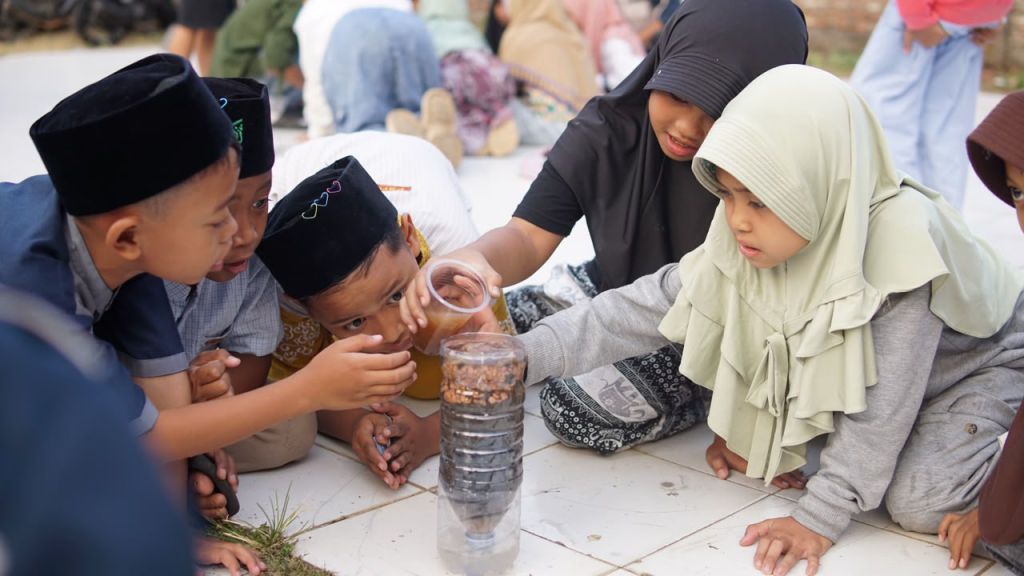
Entering the main session, participants were divided into small groups, accompanied by a team of mentors and student organizations as group facilitators. Each group then conducted a simple water purification practice using a systematic arrangement of prepared materials: gravel, fine sand, coarse sand, cotton at the bottom, cotton at the top, and charcoal, using cloudy water as a test material for the filtration process.
By layering these materials, participants were able to directly observe how a simple filtration process transforms cloudy water into clearer water as it passes through each layer of filter media. This hands-on, experiment-based learning experience provided a much more meaningful understanding than theoretical explanations alone, as the children were able to witness the gradual change in water quality. Throughout the practical session, the implementation team and student organizations closely assisted each group, ensuring that all participants understood the function of each layer of filter material and were actively involved in each stage of the experiment.
This type of practical activity not only honed children’s basic science skills but also instilled an early awareness of the importance of maintaining water quality as a vital resource for daily life, a value relevant to the environmental conditions in which children live in the Podorejo Village area.
Group Guidance and Student Worksheet Completion
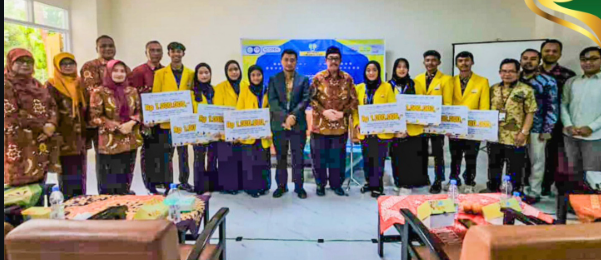
After the practical session, the implementation team and student organizations guided each group in completing a Student Worksheet (LKM) as an instrument for evaluating participants’ understanding of the material learned. Through this LKM, participants were encouraged to reflect on the practical process, from the composition of the filter material, the changes observed in the test water, to their understanding of the importance of clean water for life. The team’s intensive guidance ensured that each participant received equitable learning opportunities according to their individual abilities.
Ice Breaking and Reflection as the Closing Event
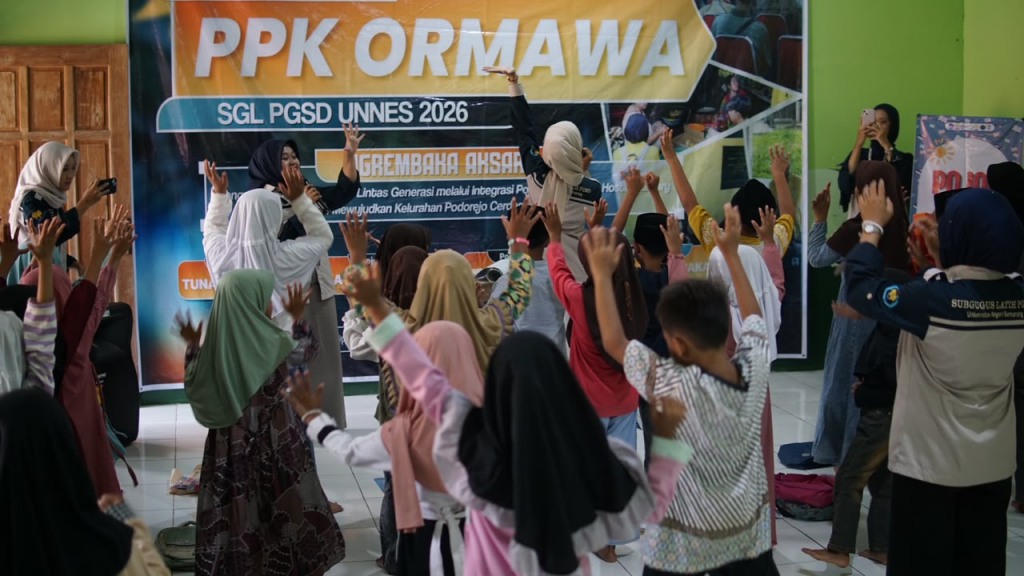
To maintain participants’ enthusiasm and excitement until the end of the activity, the implementation team included an icebreaker session after the LKM (Learning Worksheet) was completed. This session provided a pleasant break and balance after participants had concentrated on the science material and practical exercises. The series of activities then concluded with a group reflection session, where participants were invited to review their learning experiences throughout the meeting, from an introduction to the concepts of clean water and wastewater to hands-on water purification practices.
Madin RW 6 as an Inclusive Science Learning Space
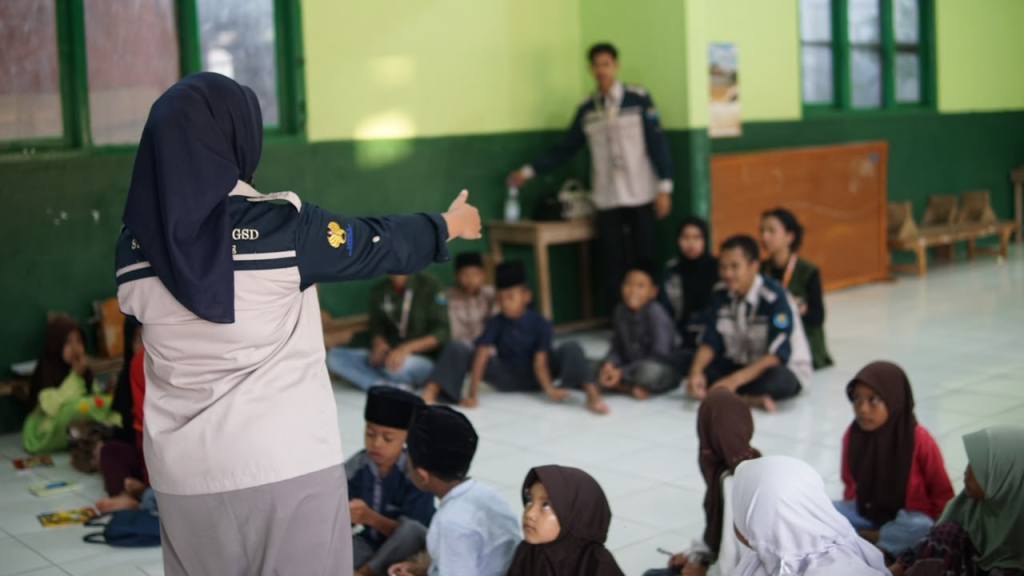
The use of Madin RW 6 as the activity location reaffirmed how existing socio-religious facilities in the community can be optimized as additional learning spaces for children, in line with the spirit of SDG 11: Sustainable Cities and Settlements. The smooth running of the activity from start to finish was also due to the support of the Madin management and the RW 6 community, reflecting SDG 17: Partnerships to Achieve Goals through close collaboration between students, universities, and the community at the grassroots level.
Fostering Science and Environmental Awareness from an Early Age
The fourth meeting of the Tunas Ngrembaka Literacy Corner, themed “Water Purification Science Literacy,” proceeded smoothly and enthusiastically. Participants not only gained new knowledge about the concepts of clean and dirty water, but also gained concrete science learning experiences through hands-on practice of simple water purification. This experiment-based learning approach has proven effective in fostering curiosity, scientific thinking skills, and environmental awareness in children from an early age.
Through a series of meetings that continue to expand, from strengthening multilingualism, financial literacy, to scientific literacy, the Tunas Ngrembaka Literacy Corner further emphasizes its role as a comprehensive and interdisciplinary non-formal learning ecosystem.
PPK ORMAWA SGL PGSD Universitas Negeri Semarang: Empowering Together, Educating the Nation. Ngrembaka Literacy, Growing and Inspiring.