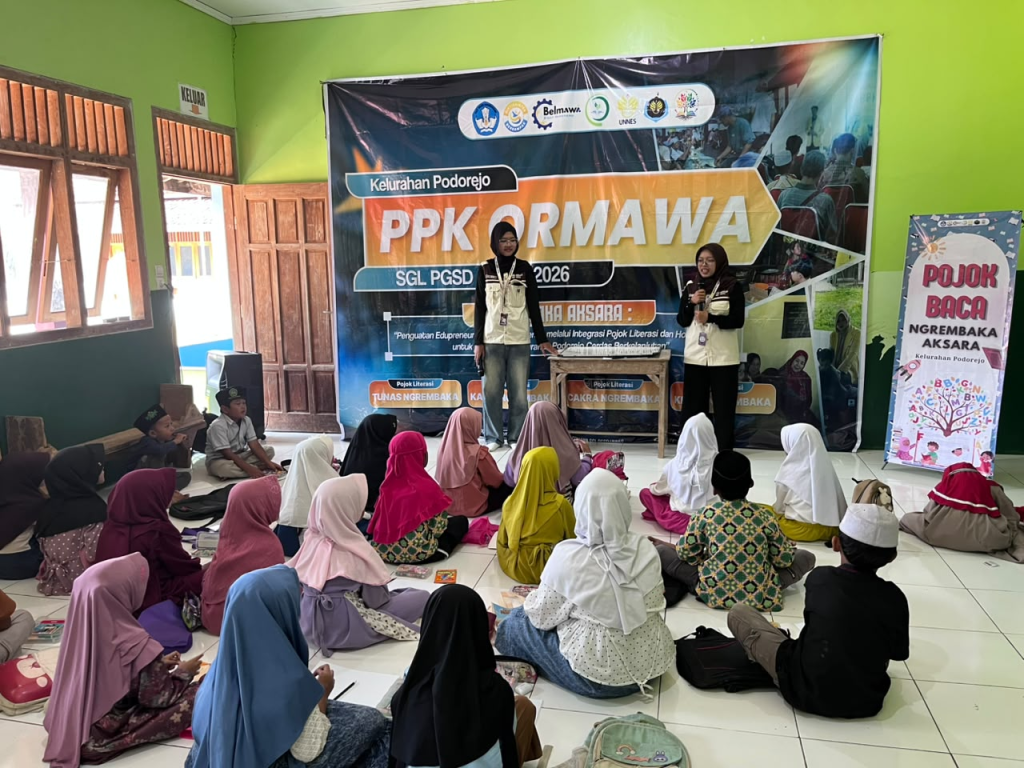


Semarang – The spirit of building a culture of literacy among the community continues to be encouraged by the PPK Ormawa SGL PGSD UNNES Implementation Team through a series of Tunas Ngrembaka Literacy Corner activities. On Friday, 3 July 2026, the team held the Second Meeting of the Tunas Ngrembaka Literacy Corner at the “Taman Pustaka” Smart House in RW 11, Kelurahan Podorejo, Kecamatan Ngaliyan, Semarang City, targeting children at Target Point 1 (Housing Complex). This meeting carried the theme of Multilingualism, as part of an ongoing effort to strengthen children’s basic literacy skills through an active, interactive, and enjoyable introduction to Bahasa Indonesia, Javanese, and English. This effort aligns with the spirit of SDG 4 – Quality Education within the framework of the Sustainable Development Goals (SDGs), which emphasizes the importance of inclusive and equitable access to education from an early age as a foundation for children’s growth and development.
This activity is a concrete manifestation of the larger NGREMBAKA AKSARA program: Strengthening Cross-Generational Edupreneur Skills through the Integration of Literacy Corners and Hosting Libraries to Realize a Smart and Sustainable Kelurahan Podorejo, which was officially launched at the Podorejo Kelurahan Hall on 18 June 2026. As is known, this program emerged from a comprehensive process of identifying community needs carried out by the team, ranging from field observation, surveys, and interviews, to distributing questionnaires and holding a Focus Group Discussion (FGD) with the kelurahan government and community leaders. One finding from this mapping process showed the need to strengthen children’s literacy culture from an early age, which was then addressed through the presence of the Tunas Ngrembaka Literacy Corner as one of four literacy corners within the NGREMBAKA AKSARA ecosystem.
High Enthusiasm from Three RW Areas
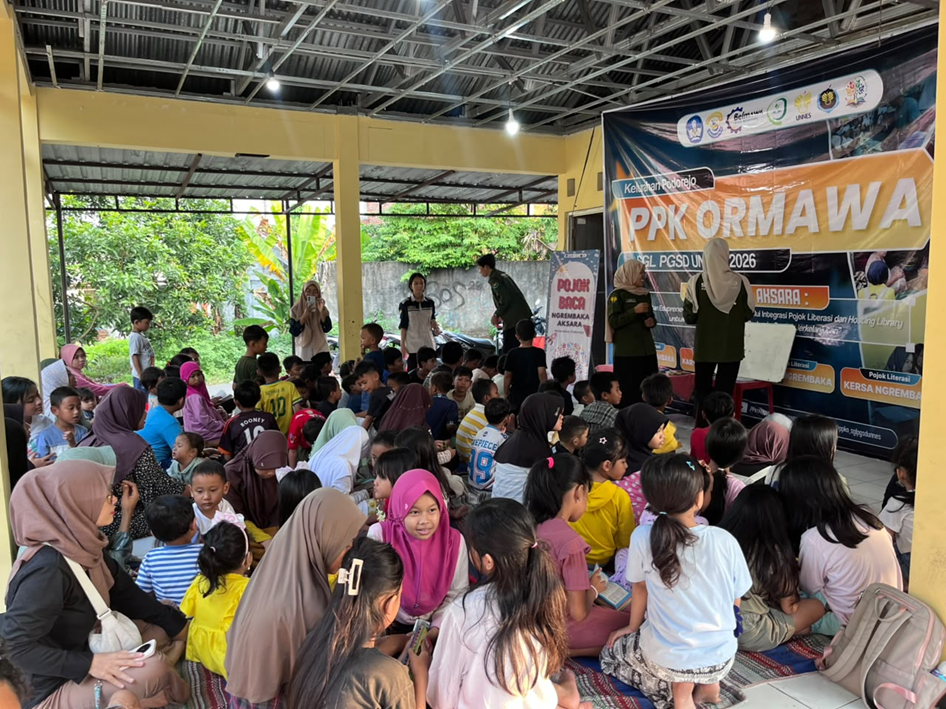
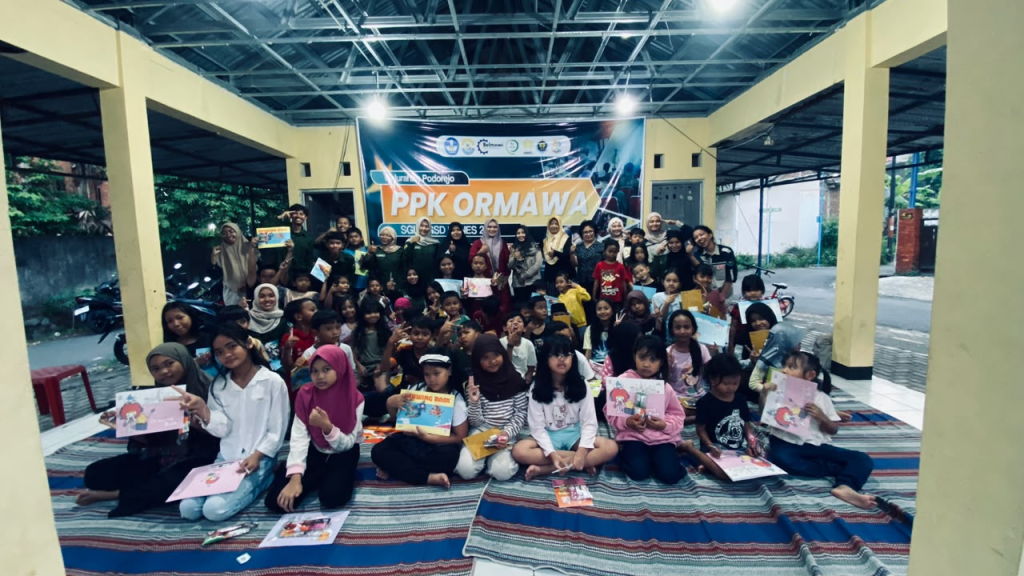
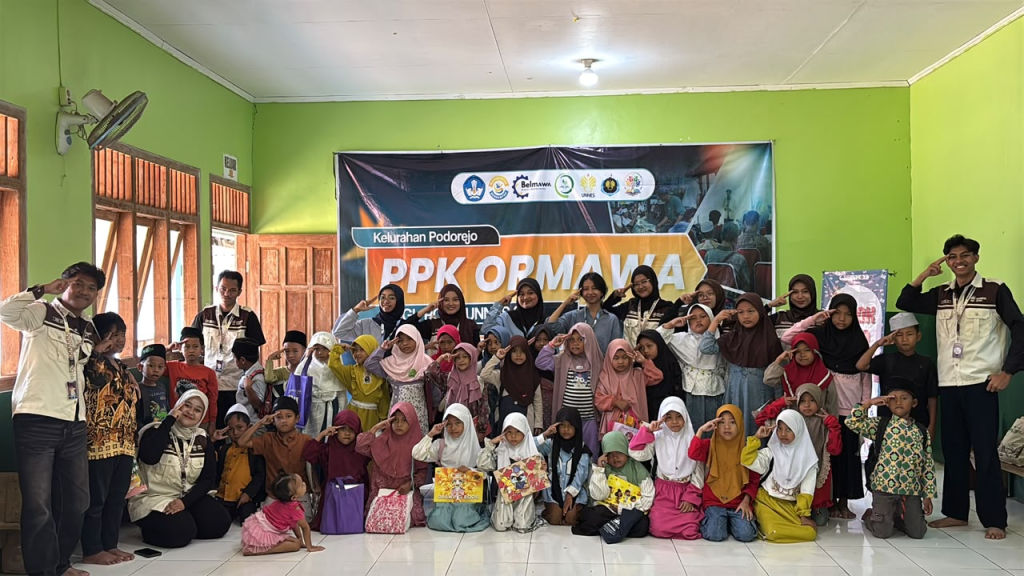
The community’s high enthusiasm for this program was once again evident in the implementation of this second meeting. More than 70 children were recorded as actively participating, coming from the RW 9, RW 11, and RW 12 areas of Kelurahan Podorejo. The large number of participants who attended not only reflects the children’s curiosity about learning activities packaged in an innovative way, but also demonstrates the community’s trust in the PPK Ormawa SGL PGSD UNNES Team as a partner in building a culture of literacy in their environment. The involvement of children from three different RW areas also reflects the spirit of SDG 10 – Reduced Inequalities, in which equal learning opportunities are provided fairly without discriminating based on participants’ area of origin. The atmosphere at the “Taman Pustaka” Smart House in RW 11 turned into a lively learning space filled with the children’s enthusiasm, punctuated by laughter and excitement as they took part in each session.
Learning Multiple Languages with a Contextual and Enjoyable Approach
Unlike language learning methods that tend to be monotonous, the Multilingualism material for this meeting was designed contextually so that participants would not simply memorize vocabulary, but would be able to understand and apply it in simple everyday communication. This approach was chosen because young children absorb new languages more easily through direct experience and enjoyable interaction, compared to conventional memorization methods. The use of the “Taman Pustaka” Smart House in RW 11 as the activity location also reflects SDG 11 – Sustainable Cities and Communities, in which public spaces within residential neighborhoods are optimized into inclusive, safe learning facilities that are easily accessible to the surrounding community.
To support this learning process, the PPK Ormawa Team introduced a variety of engaging and easy-to-understand learning media, including flash cards, illustrated vocabulary cards, an English dictionary, and a Javanese dictionary. The use of visual media was combined with collaborative learning methods, so that children learned not only individually but could also discuss with, exchange knowledge with, and learn together alongside their peers. This learning-by-playing approach has proven effective in building children’s confidence to pronounce new vocabulary without fear of making mistakes.
A Structured Series of Activities Focused on Learning Outcomes
The meeting was organized in systematic stages to ensure that learning objectives could be achieved optimally. The series of activities began with a pretest, aimed at mapping participants’ initial abilities regarding the multilingual material before the core lesson began. The pretest results served as a reference for the team to adjust their material delivery strategy to match the actual conditions of the children’s abilities in the field.
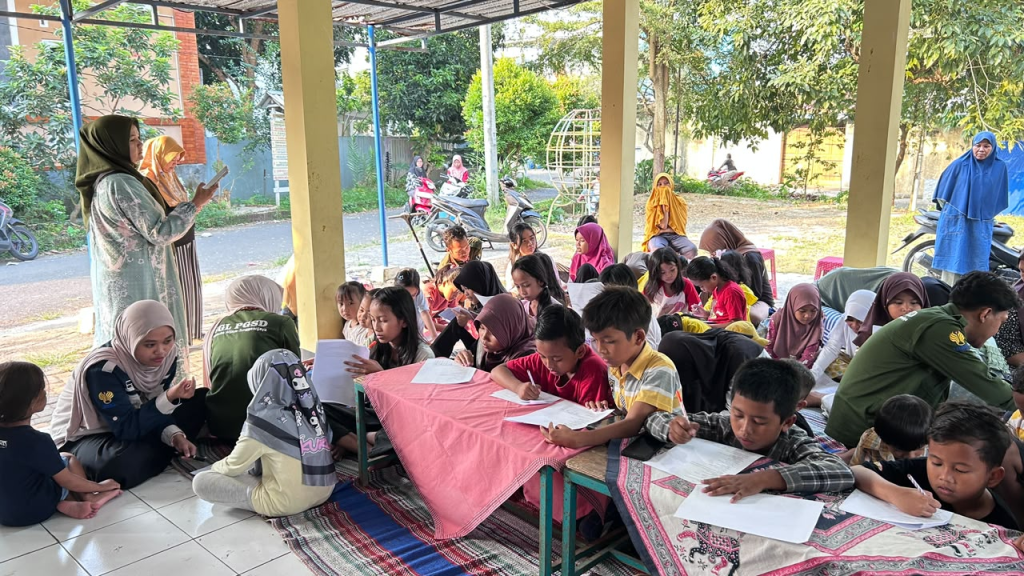
Next, the team provided an apperception through light games and question-and-answer sessions to build learning motivation and warm up the atmosphere. This stage served as an important bridge before participants moved into the core material, which covered the introduction of basic vocabulary, correct pronunciation, and simple usage in the three languages taught, namely Bahasa Indonesia, Javanese, and English.
To keep the learning atmosphere lively and enjoyable, the team incorporated various interactive activities, such as:
- Group discussions, which trained participants’ teamwork and communication skills;
- Educational games, which sharpened vocabulary memory in an enjoyable way;
- Interactive quizzes, serving as a light form of evaluation as well as a motivator;
- Direct vocabulary pronunciation practice, so that participants became accustomed to pronouncing words in the three languages with confidence; and
- Ice breaking, which functioned to maintain participants’ focus and positive energy throughout the activity.
As a form of learning evaluation, participants were given a simple activity sheet to measure their understanding of the material presented. Beyond that, the PPK Ormawa Team also provided direct guidance to each learning group, ensuring that all participants received the optimal learning opportunity according to each child’s ability and learning pace.
Appreciation for Participants and Real Support from Local Partners
As a form of appreciation for participants’ active involvement, the PPK Ormawa Team gave gifts to all the children who took part in the activity until the end. These gifts were intended to motivate the children to become even more enthusiastic about attending each subsequent Tunas Ngrembaka Literacy Corner meeting.
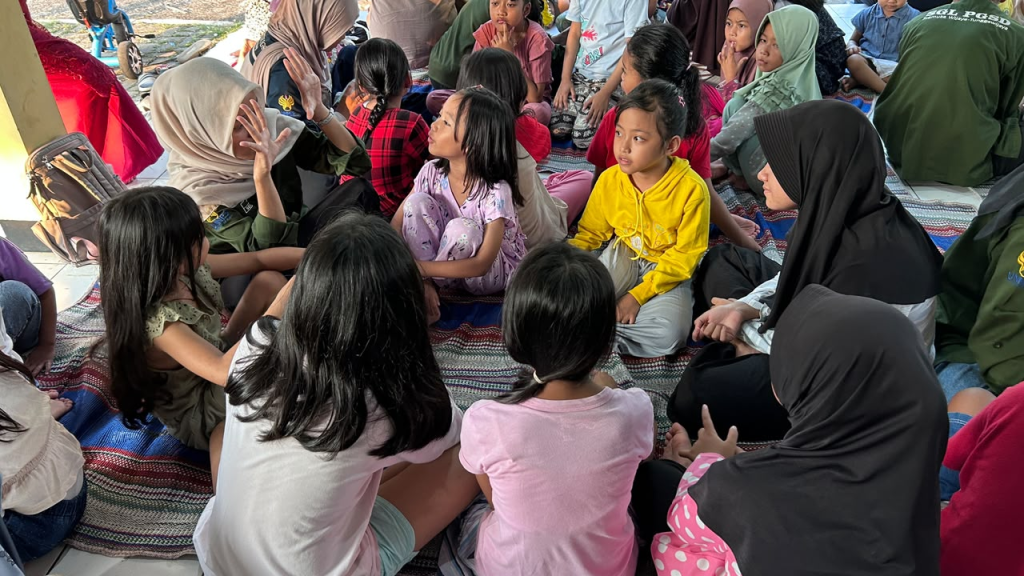
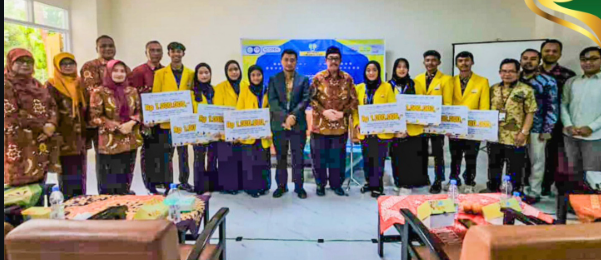
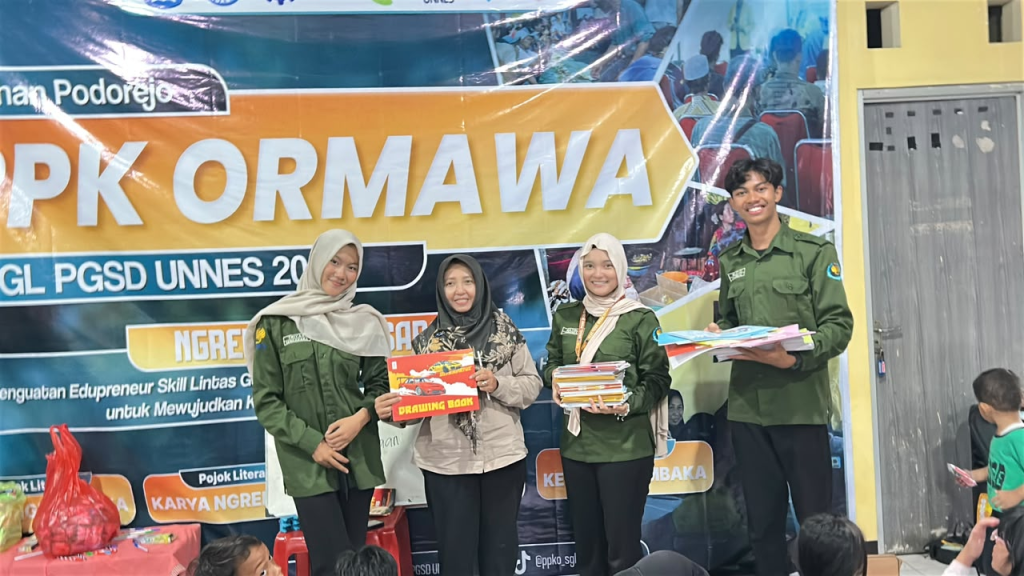
This activity was also marked by a special moment: the distribution of stationery and books, contributed by Mrs. Anas, Head of RW 11. This support represents a tangible form of synergy between the student program implementers and local community leaders in strengthening the culture of literacy within Kelurahan Podorejo.
Such collaboration reaffirms an important principle in community empowerment, namely that the sustainability of a literacy program does not rest solely on the activity implementers, but also on the active participation of all elements of society, including RW officials as strategic partners at the smallest neighborhood level. This synergy between students, universities, and community leaders is a real embodiment of SDG 17 – Partnerships for the Goals, in which cross-element collaboration is the key to realizing sustainable development programs.
Nurturing a Multilingual Generation as an Investment in the Future
Mastering multiple languages from an early age is not merely an additional skill, but a long-term investment for children in facing the challenges of the times. Good proficiency in Bahasa Indonesia strengthens national identity, mastery of Javanese preserves cultural heritage and local wisdom, while proficiency in English broadens children’s outlook toward global engagement. Through an approach that balances these three aspects, the Tunas Ngrembaka Literacy Corner seeks to shape a young generation in Podorejo that is rooted in local culture yet remains globally competitive.
Toward an Inclusive and Sustainable Literacy Ecosystem
Through an innovative, collaborative, and game-based learning approach, the Tunas Ngrembaka Literacy Corner meeting succeeded in creating an enjoyable learning experience while increasing children’s interest in multilingual literacy. The enthusiasm, spirit, and active participation of more than 70 participants throughout the activity is a real reflection that enjoyable learning methods can foster children’s love of language and literacy from an early age.
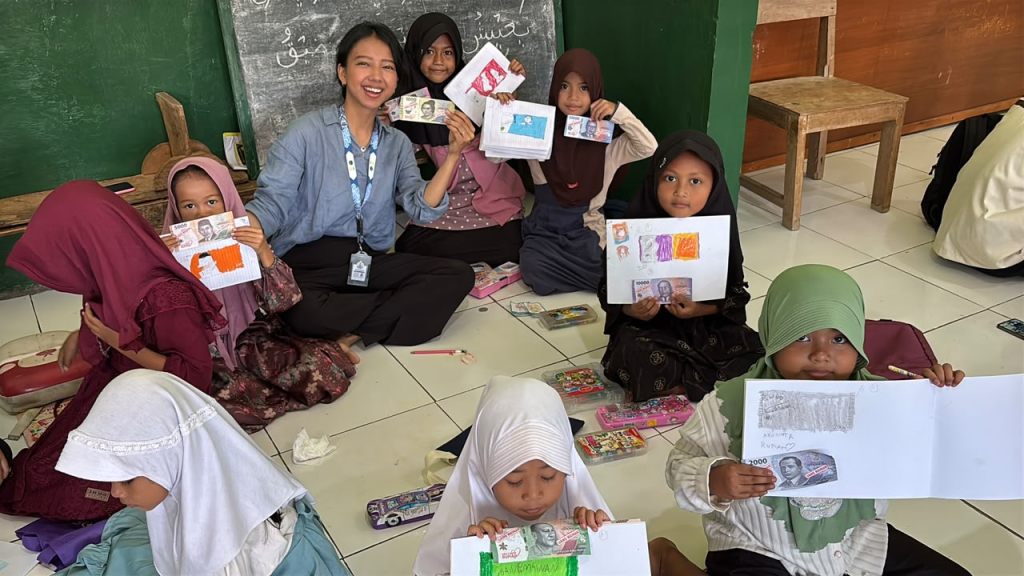
This activity represents one of the concrete implementations of the PPK Ormawa SGL PGSD UNNES Program in building an inclusive literacy ecosystem, strengthening children’s communication skills from an early age, and fostering a sustainable culture of learning through close synergy between universities, the community, and local partners in Kelurahan Podorejo as well as a small but meaningful step in supporting the achievement of the Sustainable Development Goals (SDGs), particularly in the aspects of quality education, reduced inequality, sustainable settlements, and strengthened partnerships. Going forward, the series of Tunas Ngrembaka Literacy Corner meetings will continue with various other relevant materials, in line with the grand vision of NGREMBAKA AKSARA in realizing Kelurahan Podorejo as a Smart and Sustainable Kelurahan, in the spirit of “Together, Empowered, Educating the Nation.”