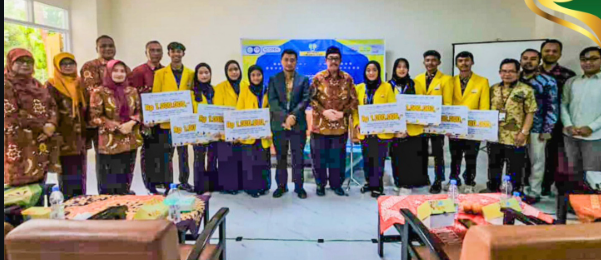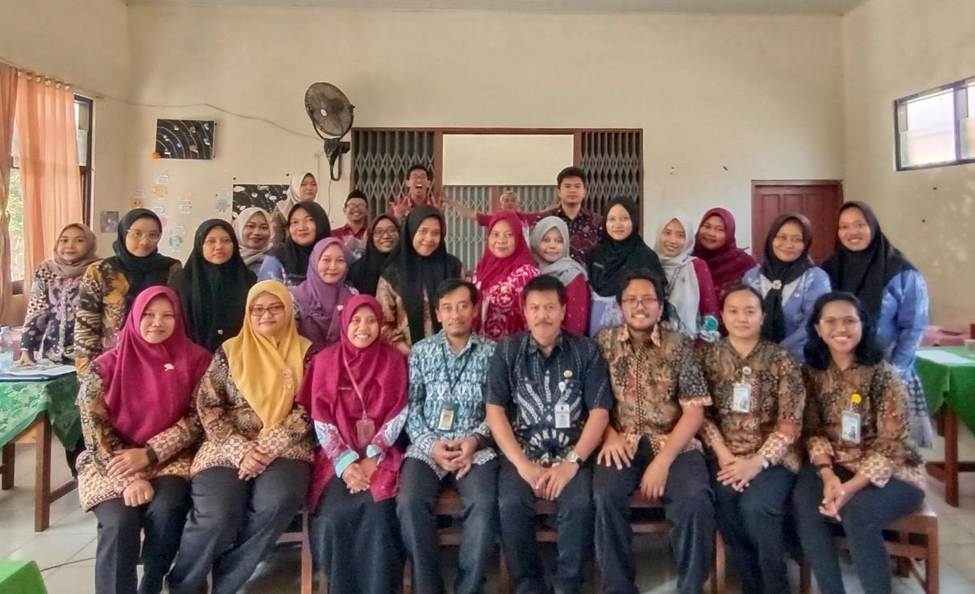


Wonosobo, July 15, 2026 – The Faculty of Education and Psychology (FIPP) of Semarang State University (UNNES) held the 2026 FIPP Leadership Meeting from July 15–17, 2026, at the Front One Hotel in Wonosobo. With the theme “Analyzing Root Constraints and Designing a Smart Plan to Green the FIPP 2026 KPI,” this event served as a strategic forum to evaluate first-semester performance achievements and develop steps to accelerate the achievement of Key Performance Indicators (KPIs) in the second semester.
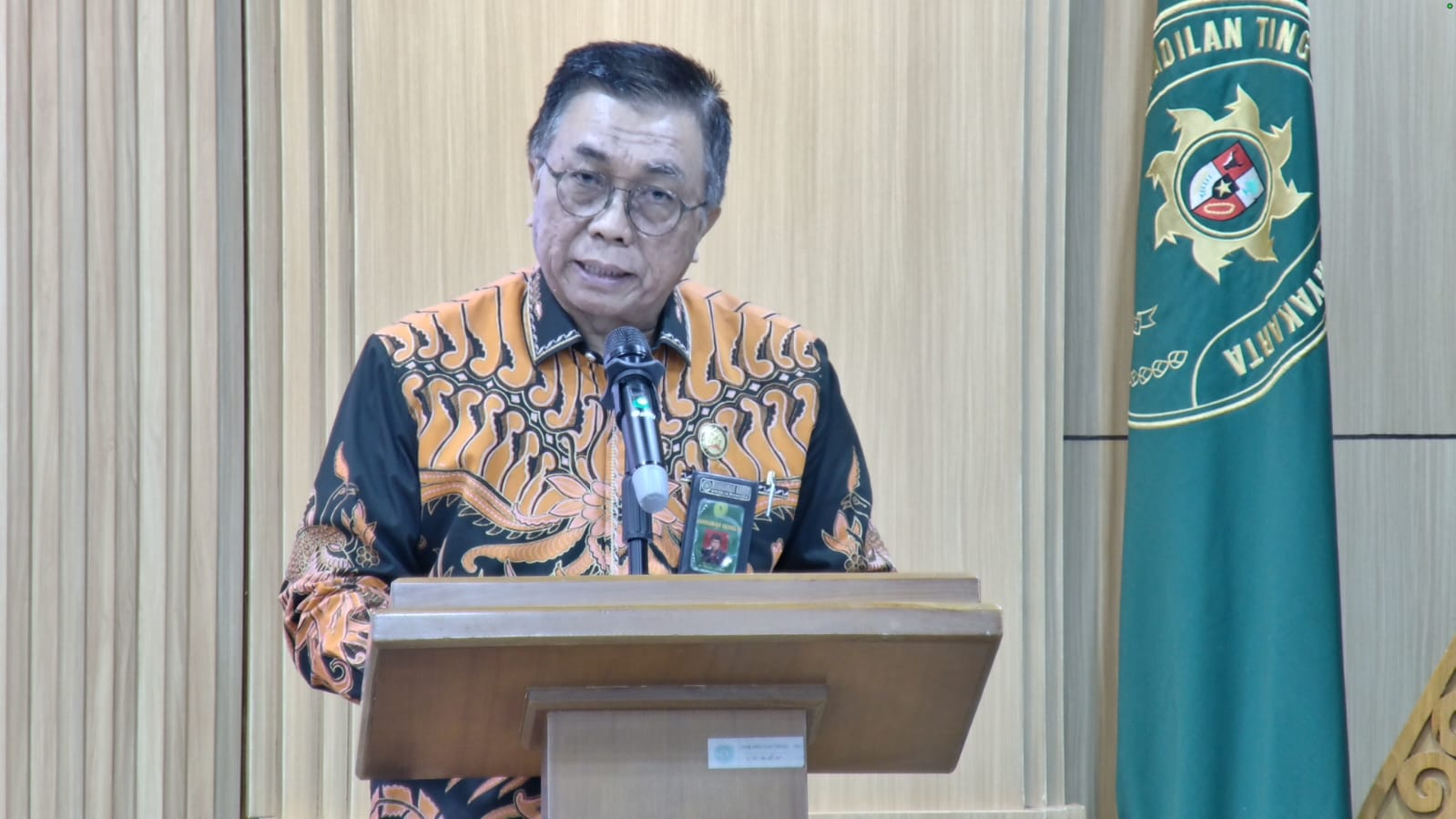
The leadership meeting was officially opened by the Vice Rector for Research, Innovation, and Information Systems at UNNES, Prof. Dr. Ngabiyanto, M.Si. In his remarks, the Head of the Committee, Sugihartono, S.Pd., Head of Academic Administration and Student Affairs at FIPP, stated that this activity was a crucial opportunity to strengthen coordination, establish a common understanding, and build commitment from all leaders to achieving the faculty’s performance targets.

The activity was attended by 36 participants, consisting of deanship leaders, coordinators of undergraduate, master’s, and doctoral study programs, heads of departments, and task force leaders within FIPP. The presence of all leadership elements is expected to generate various strategic recommendations that can be implemented collaboratively in each work unit.
In his remarks, Prof. Dr. Ngabiyanto, M.Si. emphasized the importance of a comprehensive evaluation of the Key Performance Indicators (KPIs) achievement in the first semester as a basis for developing acceleration strategies in the second semester. He encouraged all work units to align faculty programs with university policy directions, identify root causes that hinder target achievement, establish impactful priority programs, and build a shared commitment to overseeing the implementation of each work program.

“The success of achieving the IKU is not solely the responsibility of faculty leadership, but rather the result of collaboration across all work units. Therefore, synergy, innovation, and shared commitment are needed to optimally achieve each target,” he said.
After the opening session, the event continued with presentations on IKU achievements by the Dean of FIPP, the Vice Dean for Student and Academic Affairs, the Vice Dean for Planning and Resources, and the Vice Dean for Business, Research, and Cooperation. Each presented their performance achievements, challenges faced, and acceleration strategies in their respective fields. The discussion was lively, identifying various obstacles at the study program and supporting unit levels and formulating solutions for immediate implementation.

With the theme “Analyzing the Root Constraints and Designing a Smart Plan to Green the FIPP IKU 2026,” the leadership meeting focused not only on performance evaluation but also on producing recommendations for priority programs that will serve as guidelines for implementing the faculty’s work program in the second semester. The meeting’s outcomes are expected to strengthen governance, improve the quality of academic services, accelerate IKU achievement, and support UNNES’s vision as an internationally reputable university.
The 2026 FIPP Leadership Meeting also reflects the faculty’s commitment to supporting the Sustainable Development Goals (SDGs), particularly SDG 4 (Quality Education) by improving higher education governance; SDG 16 (Peace, Justice, and Strong Institutions) by strengthening effective, transparent, and accountable institutional governance; and SDG 17 (Partnerships for the Goals) by strengthening synergy and collaboration between units to achieve shared performance targets.
Through this forum, FIPP UNNES affirmed its commitment to continuously building an adaptive, collaborative, and results-oriented work culture. With the synergy of all leadership elements, FIPP is optimistic about accelerating the achievement of the 2026 KPI while simultaneously improving the quality of education, research, community service, and faculty governance in a sustainable manner.