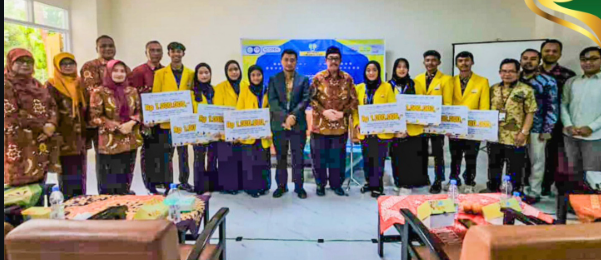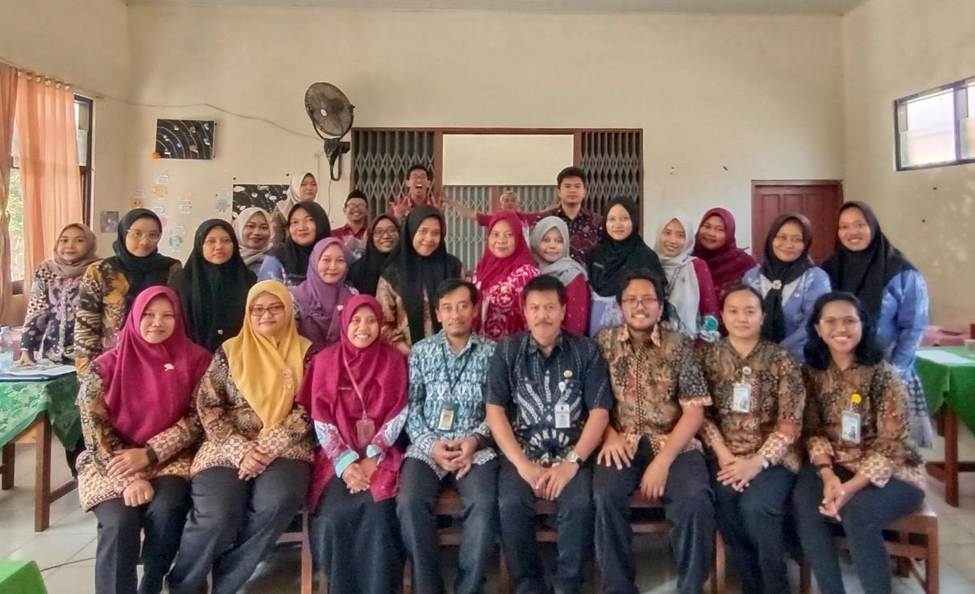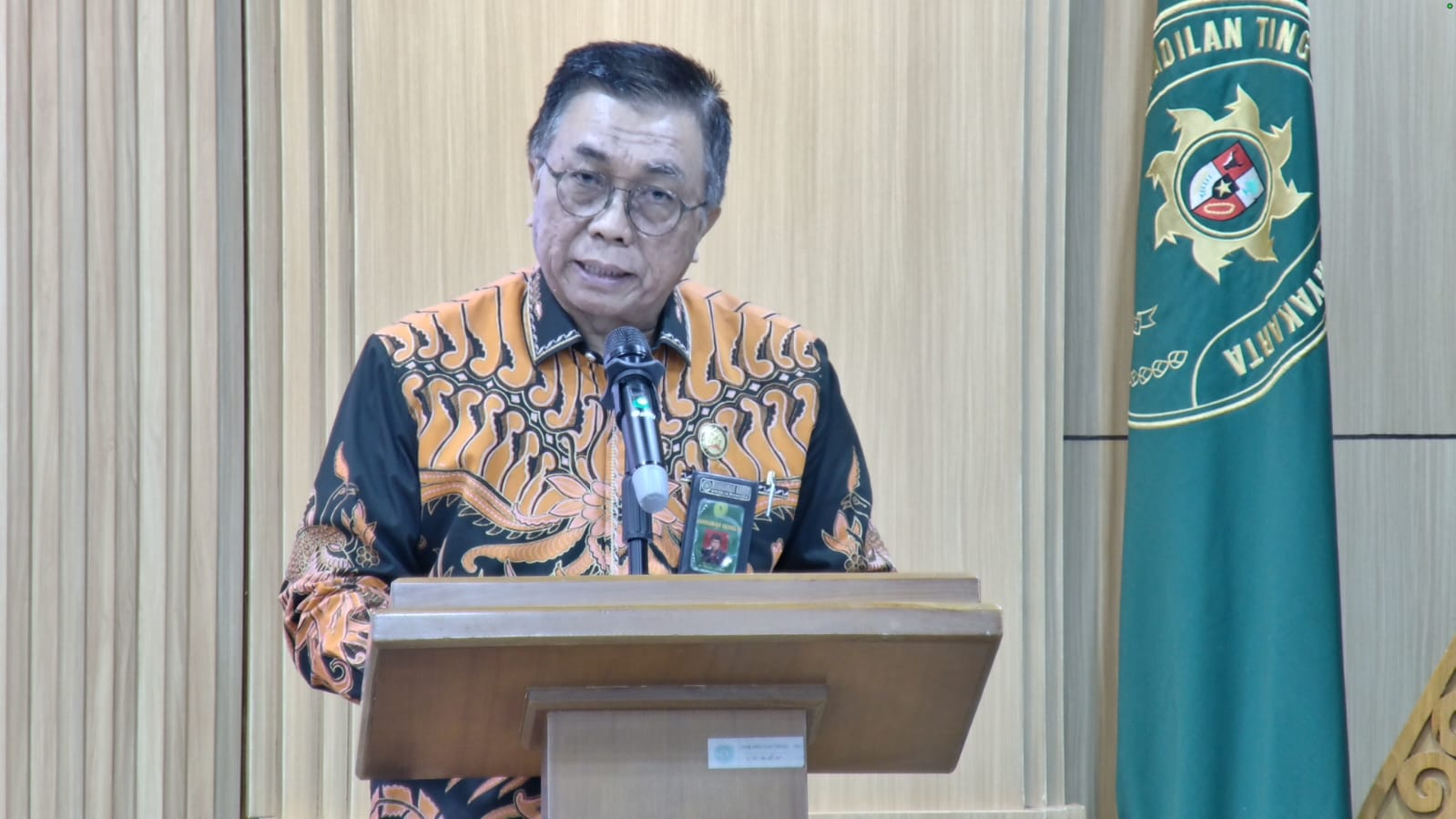


Semarang, July 6, 2026 – Dr. Diana, M.Pd., a lecturer in the Early Childhood Education Teacher Education (PGPAUD) Study Program, Faculty of Education and Psychology (FIPP), Semarang State University (UNNES), was assigned as a resource person for the Early Childhood Education to Elementary School Transition training organized by the Semarang City Education Office on July 6–9, 2026, at the P4G UPGRIS Building in Semarang City.
This activity is part of the Elementary School Development Sub-Coordinator for Elementary School Curriculum and Assessment Work Program of the Semarang City Education Office for the 2026 Fiscal Year. The training aims to strengthen elementary school teachers’ understanding of the implementation of a pleasant Early Childhood Education to Elementary School transition policy, so that students can adapt optimally to elementary school without excessive academic pressure.
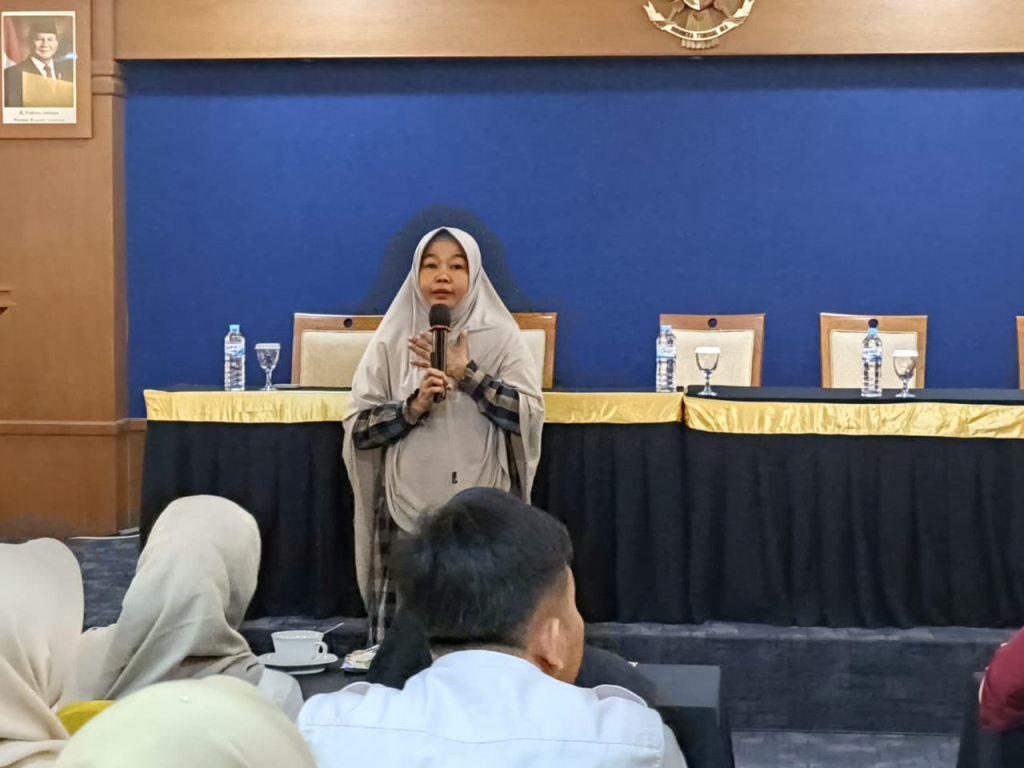
Dr. Diana, M.Pd., served as a resource person. delivered material on the importance of building continuity of learning between early childhood education and elementary school. She emphasized that the transition period is a crucial phase in child development, requiring a learning approach that focuses on the needs, characteristics, and developmental stages of students.
Through this activity, teachers received reinforcement on learning strategies that support school readiness, the creation of a child-friendly learning environment, and the development of collaboration between early childhood education teachers, elementary school teachers, and parents. This approach is expected to create a fun learning experience while supporting optimal child growth and development.
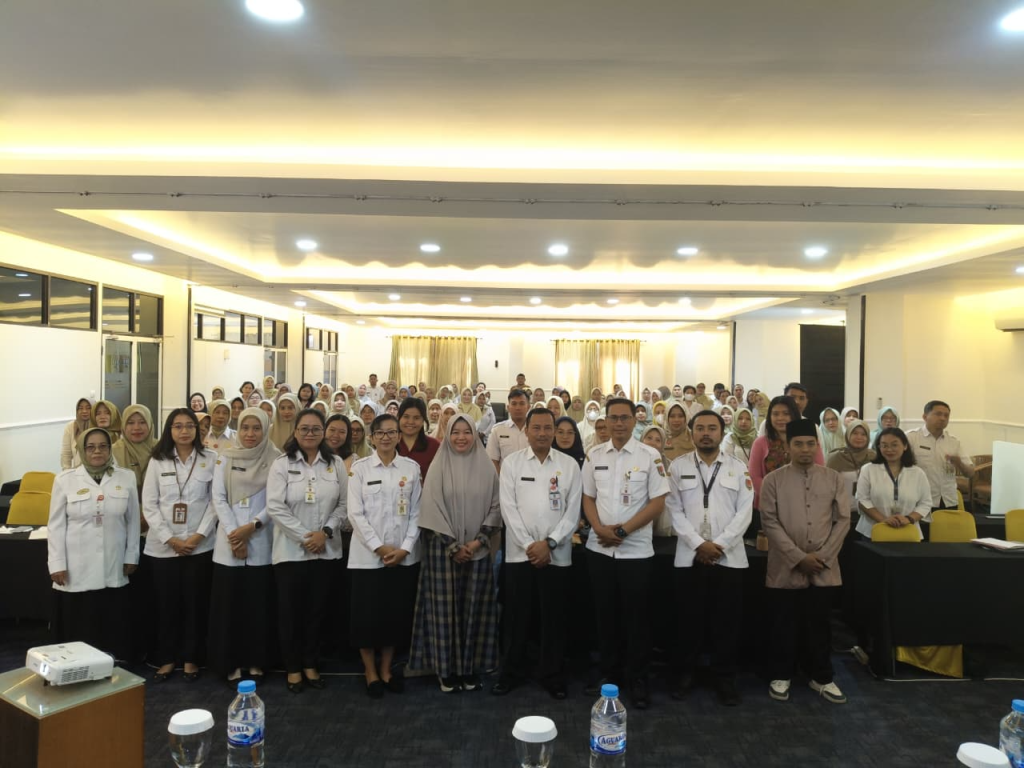
The participation of Dr. Diana, M.Pd., as a resource person demonstrated the commitment of FIPP UNNES lecturers to supporting teacher competency development and the implementation of national education policies in the regions. This collaboration between universities and local governments is part of a joint effort to improve the quality of basic education services that are oriented towards student needs.
This activity also aligns with Semarang State University’s commitment to supporting the Sustainable Development Goals (SDGs), particularly SDG 4 (Quality Education), by strengthening teacher capacity and improving the quality of inclusive, high-quality, and child-centered education services.