

Kuliah Psikologi

What You Learn in Psychology Class (Not Just Talk Therapy)

Dear UNNES friends, when you hear the words “Psychology Class,” what first comes to mind? Is it someone sitting quietly listening to other people’s problems? Or someone who can read minds just by looking into their eyes?

The reality of studying psychology is far more complex and scientific than simply being a ‘walking confidant’ for everyone’s problems.

Psychology is the scientific study of human behavior and mental processes. So, for those of you considering this major, get ready to encounter data, biology, and even mathematics.

Curious about the daily “menu” of a Psychology student? Here’s a sneak peek!

1. Statistics and Psychometrics (Yes, There’s Math Involved!)

This is the biggest surprise for new students. Many choose Psychology to avoid Math, but in reality, you will become intimately acquainted with numbers. In Psychology, human behavior must be measured objectively. You will learn Statistics to analyze research data and Psychometrics to design valid psychological testing tools. So, it’s not guesswork, but precise calculations.

2. Biopsychology and Neuroscience

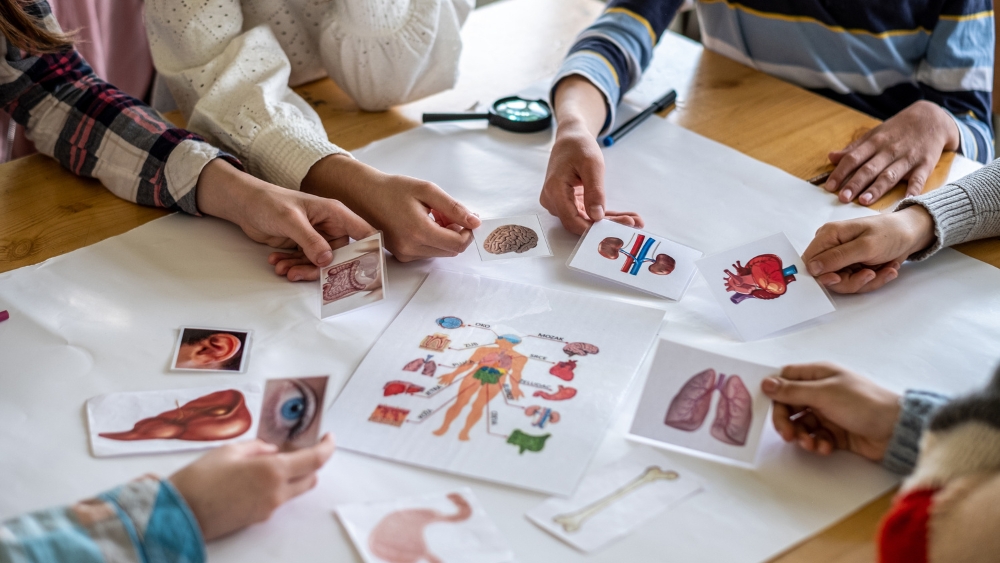
Affective states, whether sadness, happiness, or stress, don’t just appear out of nowhere. There are biological processes behind them. You will dissect the structure of the brain, nervous system, hormones, and genetics to understand how these biological factors affect a person’s emotions and behavior. This proves that psychology is firmly rooted related to basic medical science.

3. Assessment Techniques (Observation & Interview)

Psychologists cannot read minds, but they are experts at reading signs. You will be trained in Observation techniques (observing body language, micro expressions) and in-depth Interviewing to uncover unspoken information. These skills require sensitivity and extensive practice.

4. Wide Range of Specializations

Psychology is not just about mental disorders (clinical). At Universitas Negeri Semarang (UNNES), you will study various branches of science that are relevant to the world of work:

  • Industrial & Organizational Psychology (PIO): Studying human behavior in the workplace, recruitment, and human resource development (prospective HRD must master this).
  • Educational Psychology: Understanding how humans learn and designing effective learning methods.
  • Social Psychology: Analyzing how social interactions affect individuals (highly relevant for market research and public policy).
  • Clinical Psychology: Focuses on addressing mental health issues.

5. Psychological Code of Ethics

You will learn that client confidentiality is non-negotiable. In psychology classes, integrity and professional ethics are strongly emphasized so that the knowledge you acquire is not misused to manipulate others.

IMPORTANT REMINDER: It’s time to make your choice!

We are currently in the crucial SNBP registration period.

SNBP Registration Period: February 3 to 18, 2026

Time is running out. Don’t regret delaying your registration. This is your best chance to enter UNNES without taking a test.

The Psychology Program at Universitas Negeri Semarang (UNNES) is under the Faculty of Education and Psychology (FIPP). This department is equipped with the Psychology Laboratory ‘Center for Behavior Change’:

  • Center for Psychometric and Measurement
  • Center for Community, Cyber, and Environmental
  • Center for Health and Clinical Psychology
  • Center for Assessment and Intervention
  • Center for Inclusive Development and Education.

So, are you ready to become a data-driven expert in human behavior? Let’s explore your potential and that of others at Universitas Negeri Semarang!

Related Posts

Leave a Reply

* Kode Akses Komentar:

* Tuliskan kode akses komentar diatas:

GDPR

  • Privacy Policy

Privacy Policy

Who we are

Our website address is: https://unnes.ac.id.

Comments

When visitors leave comments on the site we collect the data shown in the comments form, and also the visitor’s IP address and browser user agent string to help spam detection.

An anonymized string created from your email address (also called a hash) may be provided to the Gravatar service to see if you are using it. The Gravatar service privacy policy is available here: https://automattic.com/privacy/. After approval of your comment, your profile picture is visible to the public in the context of your comment.

Media

If you upload images to the website, you should avoid uploading images with embedded location data (EXIF GPS) included. Visitors to the website can download and extract any location data from images on the website.

Cookies

If you leave a comment on our site you may opt-in to saving your name, email address and website in cookies. These are for your convenience so that you do not have to fill in your details again when you leave another comment. These cookies will last for one year.

If you visit our login page, we will set a temporary cookie to determine if your browser accepts cookies. This cookie contains no personal data and is discarded when you close your browser.

When you log in, we will also set up several cookies to save your login information and your screen display choices. Login cookies last for two days, and screen options cookies last for a year. If you select “Remember Me”, your login will persist for two weeks. If you log out of your account, the login cookies will be removed.

If you edit or publish an article, an additional cookie will be saved in your browser. This cookie includes no personal data and simply indicates the post ID of the article you just edited. It expires after 1 day.

Embedded content from other websites

Articles on this site may include embedded content (e.g. videos, images, articles, etc.). Embedded content from other websites behaves in the exact same way as if the visitor has visited the other website.

These websites may collect data about you, use cookies, embed additional third-party tracking, and monitor your interaction with that embedded content, including tracking your interaction with the embedded content if you have an account and are logged in to that website.

Who we share your data with

If you request a password reset, your IP address will be included in the reset email.

How long we retain your data

If you leave a comment, the comment and its metadata are retained indefinitely. This is so we can recognize and approve any follow-up comments automatically instead of holding them in a moderation queue.

For users that register on our website (if any), we also store the personal information they provide in their user profile. All users can see, edit, or delete their personal information at any time (except they cannot change their username). Website administrators can also see and edit that information.

What rights you have over your data

If you have an account on this site, or have left comments, you can request to receive an exported file of the personal data we hold about you, including any data you have provided to us. You can also request that we erase any personal data we hold about you. This does not include any data we are obliged to keep for administrative, legal, or security purposes.

Where your data is sent

Visitor comments may be checked through an automated spam detection service.