

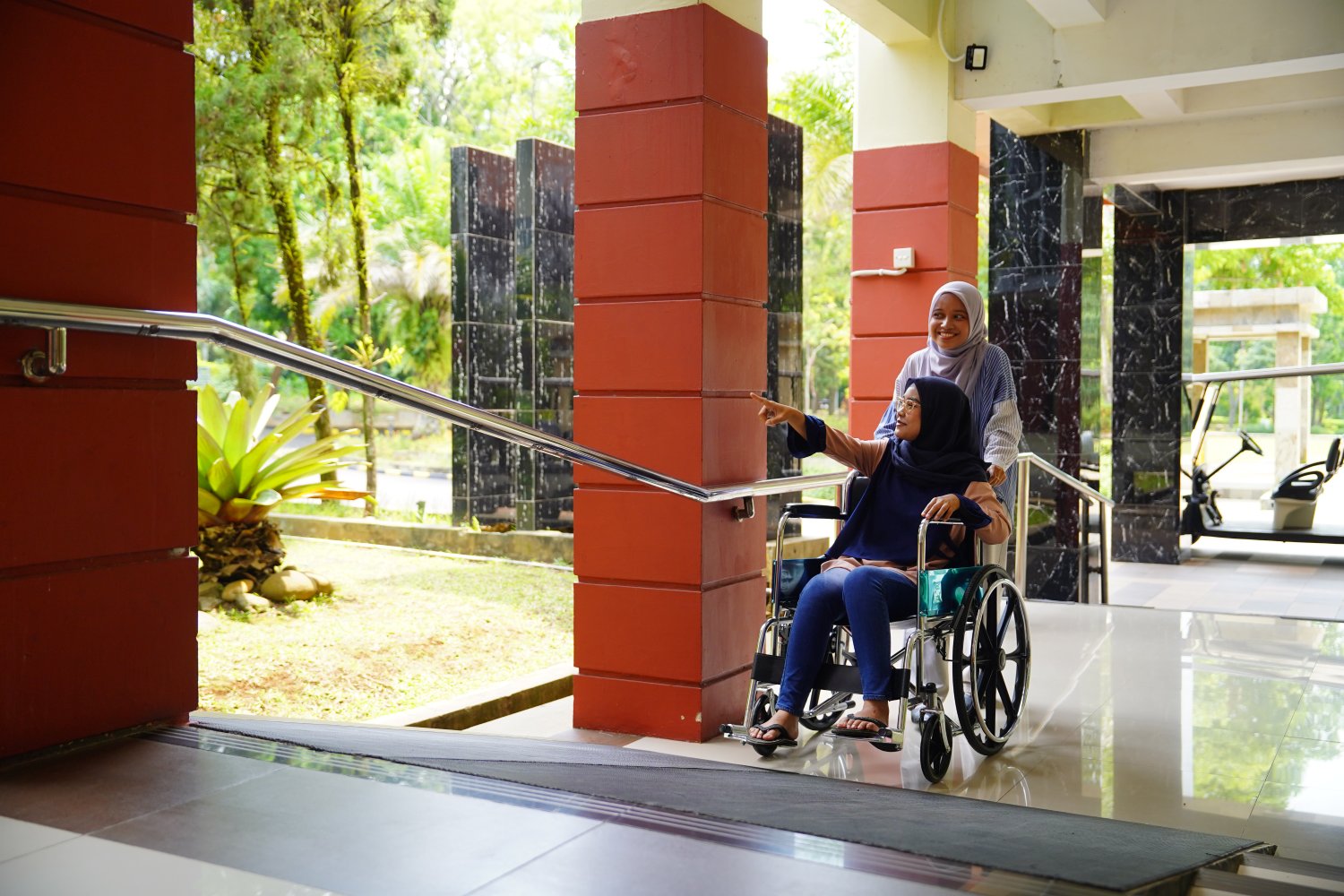
To ensure excellent services for all members of its academic community, Universitas Negeri Semarang (UNNES) is firmly committed to strengthening its position as a discrimination-free campus. Based on Circular Letter Number: B/996/UN37/KP.06.05/2024, UNNES requires all members of the academic community to actively optimize their roles in promoting and realizing inclusivity. This commitment is reflected across multiple aspects of campus governance and operations, including:
- Fair and Inclusive Student Admissions
UNNES upholds a nondiscriminatory approach in its new student admission process. This principle is regulated under Rector’s Regulation No. 18 of 2024 concerning the Guidelines for Student Admissions at Universitas Negeri Semarang for the Year 2024. The regulation ensures that no admission criteria differentiate applicants based on ethnicity, religion, or race. Moreover, the university also provides international class quotas to promote diversity and global engagement. - Equal Opportunity Employment
Recruitment of university staff is conducted without discrimination, in compliance with national regulations, including the National Civil Service Agency (BKN) Regulation No. 5 of 2024 on Civil Servant Recruitment. UNNES also accommodates applicants with disabilities, following BKN Regulation No. 50 of 2019 on Computer-Assisted Test (CAT) Procedures, which mandates accessibility for applicants with special needs. - Inclusive Teaching and Learning
UNNES ensures that its teaching and learning processes are inclusive and accessible to all. The university provides comprehensive digital learning platforms such as MOOCs and e-learning systems, allowing students from diverse backgrounds and abilities to access educational materials equally. - Facilities and Support Services for Persons with Disabilities
To foster inclusivity, UNNES offers various disability-friendly facilities, including a Disability Service Center that provides academic and non-academic assistance for students with special needs.
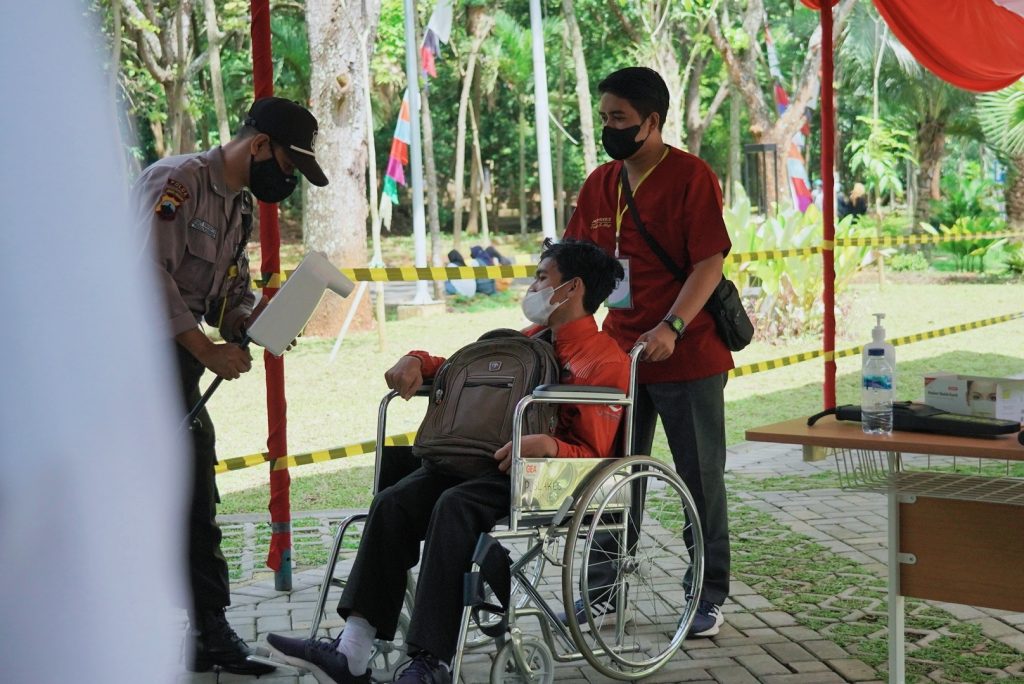
UNNES’s strong commitment to eliminating discrimination on campus is further reinforced through Rector’s Regulation No. 116 of 2024, which governs services, rights, and support units for students with disabilities—ensuring equal rights and opportunities for all.
Thanks to these consistent efforts, UNNES was recognized among the world’s Top 10 Disability-Inclusive Universities by UNESA-DIMETRIC (Disability Inclusion Metrics), underscoring its dedication to equity, inclusion, and human rights in higher education.
