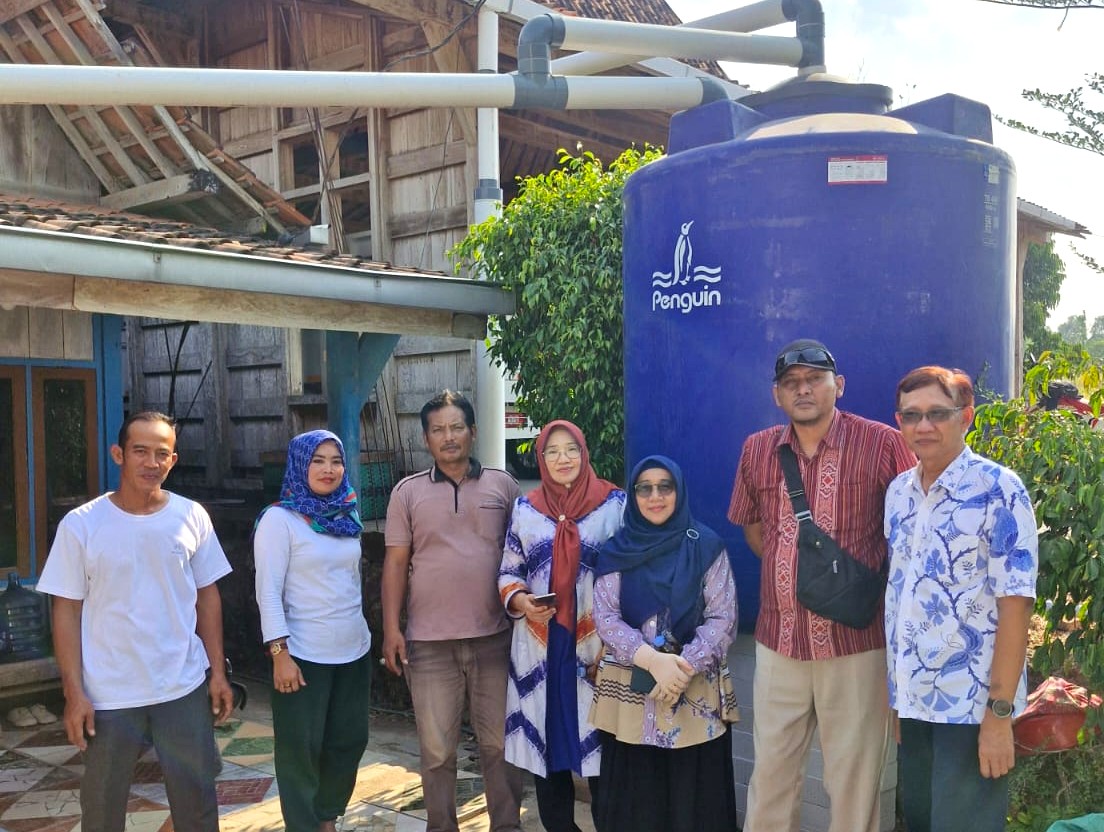
Universitas Negeri Semarang (UNNES) continues to strengthen inclusive and participatory university governance by providing opportunities for local residents, local government representatives, and civil society organizations to contribute their perspectives, recommendations, and evaluations to university programmes and institutional development. Through written stakeholder participation policies and direct consultation forums, UNNES promotes meaningful engagement with communities affected by its activities and decisions.
In 2025, this commitment was demonstrated through direct consultation with residents surrounding the UNNES Pegandan Campus and broader multi-stakeholder dialogue concerning regional biodiversity management. These initiatives highlight the university’s efforts to incorporate external perspectives into institutional planning, programme evaluation, and collaborative policy development, supporting Sustainable Development Goal 16.
Institutionalizing Community Participation through a Formal Stakeholder Feedback Mechanism
UNNES has established a written mechanism for external stakeholders to contribute feedback and recommendations concerning university collaboration programmes. This mechanism is outlined in Rector’s Circular Letter No. B/28481/UN37/PK.02.00/2024, dated December 3, 2024, concerning partner participation in evaluating the implementation of cooperation programmes.
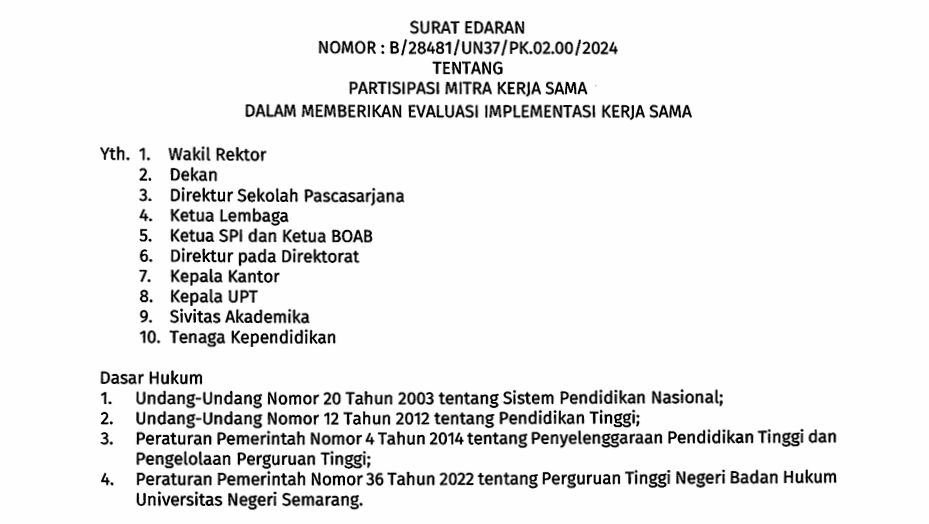
The circular letter instructs university units to provide cooperation partners with opportunities to communicate their assessments and recommendations. It specifically provides for three forms of participation: submitting feedback, criticism, and suggestions concerning partnership implementation; evaluating activities conducted under cooperation programmes; and communicating recommendations and evaluations through designated forms.
These provisions establish a formal channel through which external stakeholders can communicate their perspectives to responsible university units. By recognizing partner feedback as part of programme evaluation, UNNES supports a participatory approach that extends beyond the initial establishment of institutional partnerships.
The mechanism allows external partners, including local institutional and community partners involved in university cooperation, to contribute information that can be considered in programme assessment and improvement.
Incorporating Local Residents’ Aspirations into Campus Management Planning
A concrete example of community participation in university planning took place on October 30, 2025, during a coordination meeting concerning the management of UNNES’s Pegandan Campus in Semarang. The meeting brought together university management representatives and leaders of the surrounding residential community to discuss issues affecting campus operations and neighbouring residents.
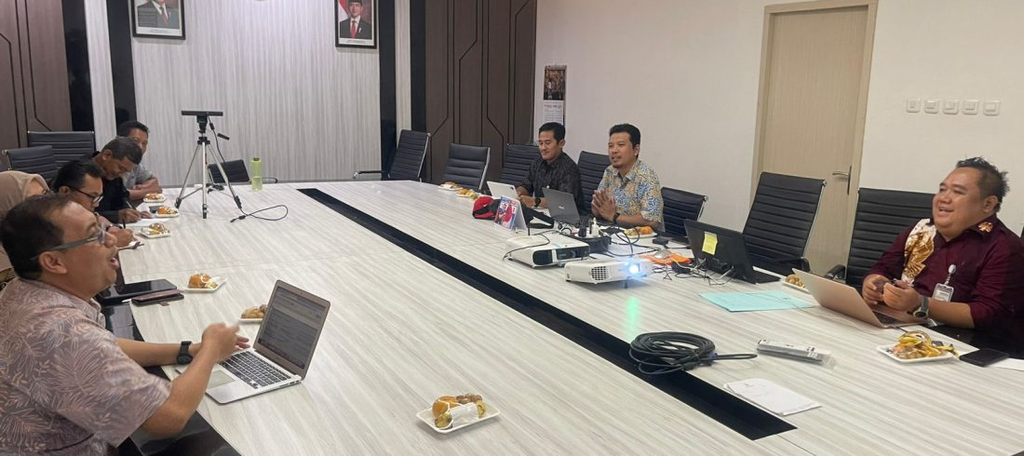
Participants included local neighbourhood leaders (Rukun Tetangga/RT and Rukun Warga/RW), the Head of UNNES Labschool, the Secretary of LPPP UNNES, representatives responsible for university assets and facilities, and a Vice Dean from the Faculty of Sports Science.
The dialogue provided an opportunity for local residents to present their perspectives on campus management. Community representatives raised several issues, including the use of university assets, coordination between academic activities and the surrounding neighbourhood, and public safety and order.
These discussions were relevant to both university operations and the interests of residents living near the campus. Rather than treating community concerns solely as external matters, UNNES brought them into a university management consultation involving the units responsible for institutional assets, facilities, and academic activities.
According to the official university publication, the results of the coordination meeting would serve as a basis for subsequent university policies and strategic measures concerning the management of Pegandan Campus. This demonstrates a documented pathway through which local residents’ recommendations can contribute to institutional planning and future decisions.
Facilitating Local Government and Civil Society Participation through Biodiversity Policy Consultation
Beyond dialogue with communities surrounding its campuses, UNNES also participated in a multi-stakeholder consultation supporting the development of the Central Java Biodiversity Management Master Plan (Rencana Induk Pengelolaan Keanekaragaman Hayati/RIP-KH).
On November 17, 2025, UNNES academics contributed to a technical consultation held in Semarang involving provincial government institutions, district and municipal authorities, researchers, environmental organizations, and other relevant stakeholders.
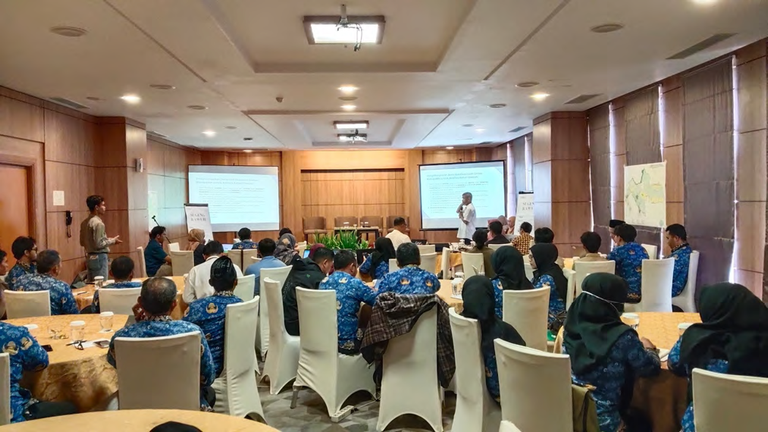
The consultation provided a platform for participants to discuss biodiversity challenges, conservation priorities, environmental management needs, and recommendations for regional policy development.
Government representatives contributed regional planning perspectives, while civil society and environmental organizations brought experience concerning conservation activities and ecological conditions. Academic participants supplied scientific analysis and research-based recommendations to inform discussions on appropriate management responses.
UNNES contributed through Prof. Dr. Margareta Rahayuningsih, M.Si., and Rifa’atunnisa, S.Hut., M.Si., Ph.D. Their contributions included scientific evidence on biodiversity conditions, environmental pressures, and conservation priorities across Central Java.
During the technical consultation, Rifa’atunnisa served as a discussion formulator and respondent, contributing recommendations concerning biodiversity threats, ecological management standards, cooperation between institutions and communities, and the need for verified ecological baselines to support monitoring and restoration planning.
The consultation illustrates how local governments, civil society organizations, and academic institutions can participate in a structured process of identifying challenges, discussing priorities, and formulating recommendations. It also demonstrates UNNES’s involvement in wider participatory policy development beyond the campus environment.
Connecting Stakeholder Feedback with Institutional Planning and Program Improvement
UNNES’s stakeholder engagement practices illustrate two complementary approaches to participatory governance.
At the institutional level, the Rector’s Circular Letter establishes a documented channel for cooperation partners to submit recommendations and evaluations, enabling their perspectives to be communicated to university units responsible for program implementation.
At the community level, the 2025 Pegandan Campus coordination meeting provides an example of residents discussing matters directly related to university management with relevant institutional representatives. The issues raised during the meeting were identified as inputs for subsequent campus management policies and strategic measures.
Meanwhile, the Central Java biodiversity consultation demonstrates the university’s broader engagement in collaborative policy discussions involving government institutions, researchers, and civil society representatives.
Together, these approaches show how UNNES facilitates stakeholder participation through formal feedback procedures, direct community consultation, and collaborative policy discussions.