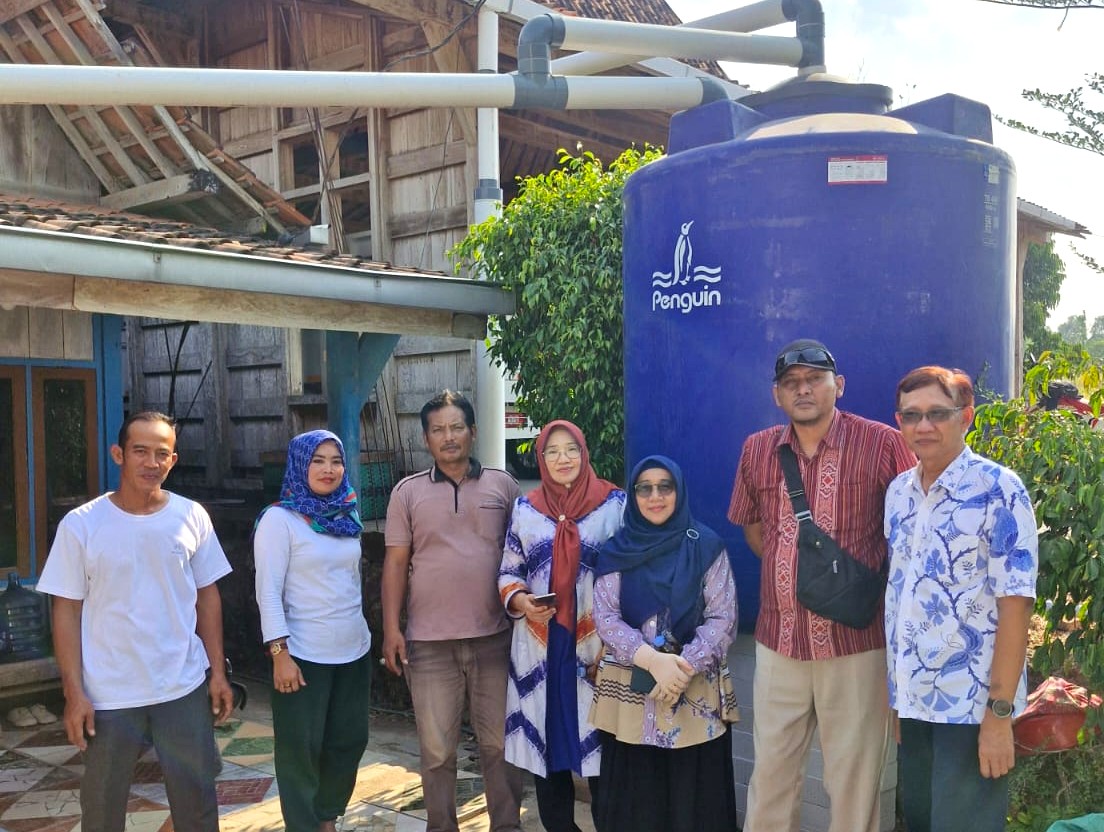
Coastal rehabilitation in Semarang, watershed planting and wildlife monitoring demonstrate UNNES’s direct involvement in conserving vegetation and protecting habitats.
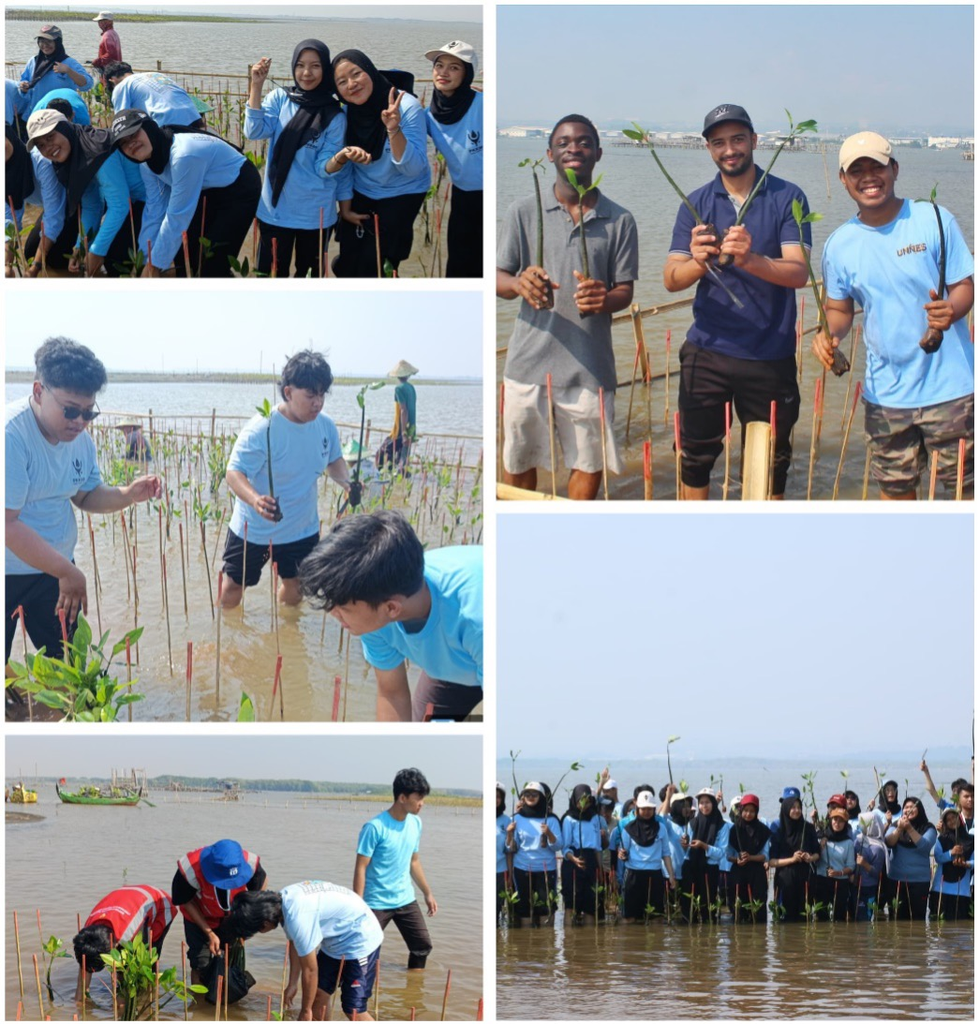
SEMARANG, Indonesia — Universitas Negeri Semarang (UNNES) contributed directly to coastal ecosystem rehabilitation through ILING PROJECT 2025, which brought students, lecturers, industry partners and a local mangrove farmers’ group together to plant 7,000 mangrove seedlings at Mangunharjo Beach, Semarang, on 21 June 2025. Organised by Environmental Science students from the Faculty of Mathematics and Natural Sciences (FMIPA), the activity supported efforts to restore coastal vegetation and strengthen ecosystem resilience.
Mangunharjo is a priority location for this work because its coastal environment faces erosion and ecosystem degradation associated with human activities and climate-related pressures. UNNES’s involvement combines planting with local partnerships and field-based environmental education.
Rehabilitating Coastal Vegetation through ILING PROJECT
ILING PROJECT involved Environmental Science and Science Education students, alongside UNNES international students from Ghana, Timor-Leste and Pakistan. Participants also included Abrasea Indonesia and Environmental Science students from Universitas Ivet.
PT PAMA and Kawasan Industri Wijayakusuma supported the activity as sponsors, while Kelompok Tani Mangrove Lestari served as the local field partner. UNNES lecturers participated alongside students, connecting academic engagement with practical conservation work.
The planting was intended to support coastal rehabilitation, climate resilience and the ecological conditions associated with sustainable fisheries. The university’s published documentation records the planting date, location, partners and number of seedlings, together with photographs of field activities.
International Collaboration at the Same Coastal Landscape
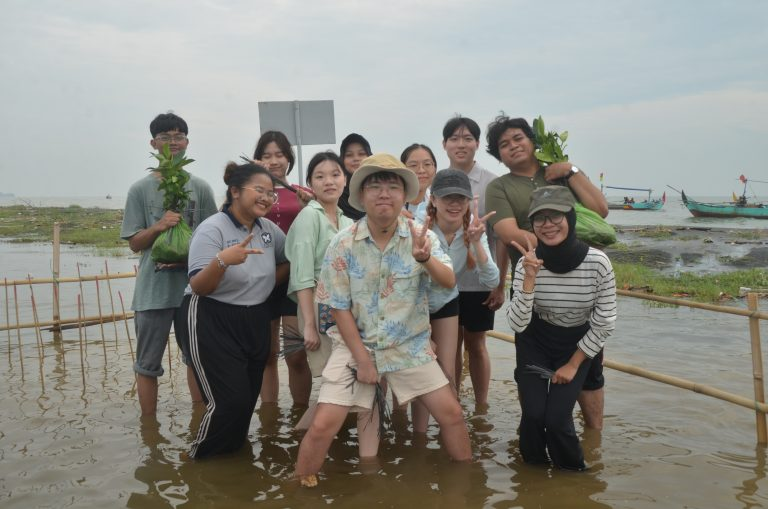
A separate activity on 13 June 2025 brought together the UNNES Geography Study Programme and National Taiwan Normal University (NTNU) for mangrove planting and field learning at Mangunharjo.
The programme involved six NTNU lecturers and 25 NTNU students, together with UNNES Geography lecturers and students. Kelompok Tani Mangrove Lestari again supported the activity as the local partner.
The official report identifies a conservation area of approximately five hectares associated with the activity. This describes the conservation setting rather than a verified area of newly restored habitat. Field learning focused on coastal erosion, environmental degradation and the role of mangroves in protecting coastal ecosystems. unnes.ac.id
Distinguishing Planting Outputs from Ecosystem Recovery
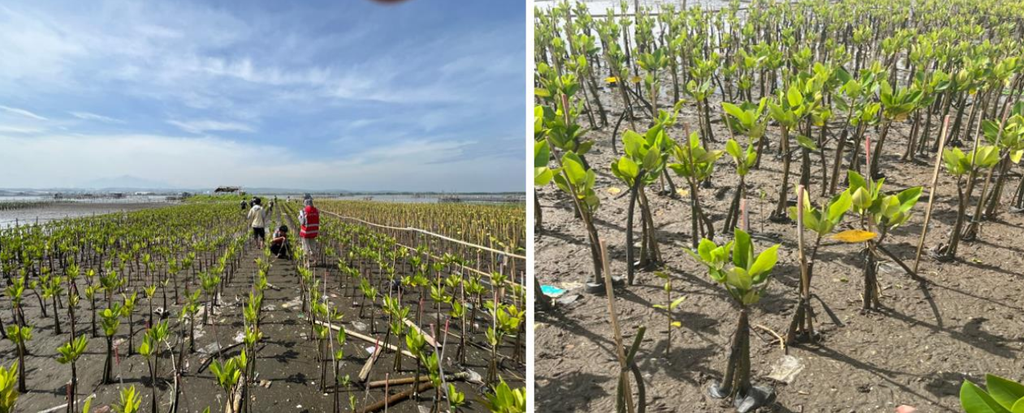
The 7,000 seedlings planted provide a documented measure of the June rehabilitation activity. Establishing long-term ecosystem recovery, however, requires evidence of seedling survival, continued growth, vegetation establishment and habitat condition.
The published sources reviewed do not provide a validated survival percentage, dated post-planting monitoring results or records of completed maintenance and replacement planting for the 2025 Mangunharjo activity. Accordingly, the recorded output demonstrates a direct rehabilitation intervention; it does not yet establish the extent of successful habitat recovery.
This distinction also applies to biodiversity benefits. The activities aim to improve coastal habitat conditions, but the available reports do not quantify subsequent changes in animal populations or species diversity.
Supporting Vegetation Recovery in the Garang Watershed
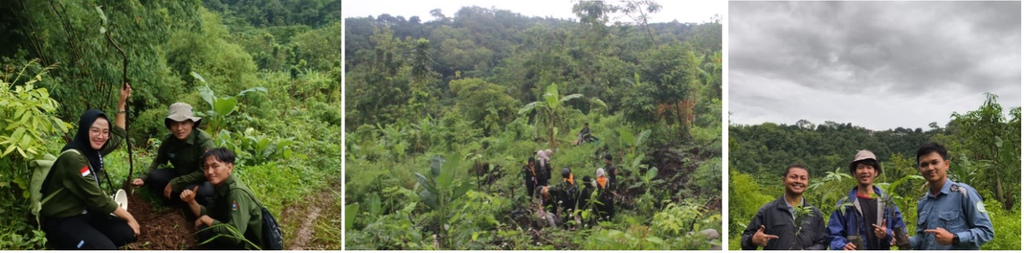
UNNES also undertook planting within the Garang watershed. On 8 September 2025, Science Education and Environmental Science students belonging to the Science Adventure Team (SCEVA) held the annual CREATES—Creative Environmental Action for Sustainability programme in Delik, Kalisegoro, Semarang.
Students planted dozens of seedlings, predominantly mango trees, with participation from UNNES lecturers. The activity aimed to increase vegetation cover and support watershed resilience.
Participants concluded the programme with a commitment to monitor tree growth periodically. This establishes an intended follow-up to planting, although the report does not present completed monitoring measurements or survival results. The activity complements coastal rehabilitation by addressing vegetation within a watershed landscape. Faculty of Mathematics and Natural Sciences
Documenting Wildlife in Forest Habitats under Pressure
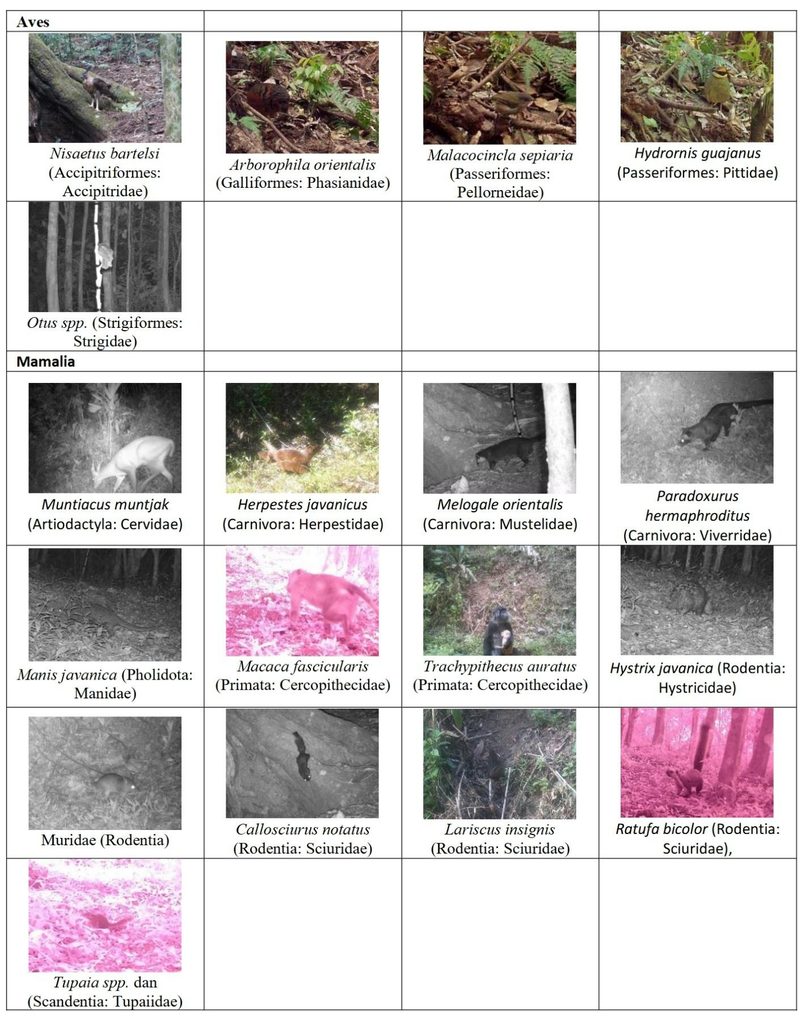
UNNES’s biodiversity work also includes research on wildlife in Mount Ungaran, where forest fragmentation and declining forest area threaten habitat conditions.
The study “Pemantauan Satwa Liar Menggunakan Camera Trap di Gunung Ungaran Jawa Tengah,” published in 2023, used camera traps at three observation stations between July and October 2023. Researchers recorded 18 bird and mammal species, including species identified in the study as legally protected or threatened.
These observations provide information about wildlife presence that can inform conservation planning and habitat protection priorities. The study is supporting evidence of UNNES’s biodiversity-monitoring work; it is not a 2025 monitoring result or evidence of a completed management intervention arising from the findings.
Through the Mangunharjo planting programmes and Garang watershed activity, UNNES demonstrates direct participation in ecosystem rehabilitation. Its wildlife research adds information relevant to protecting animal habitats, while the documented distinction between planting, planned follow-up and measured recovery keeps the university’s conservation reporting aligned with the available evidence.