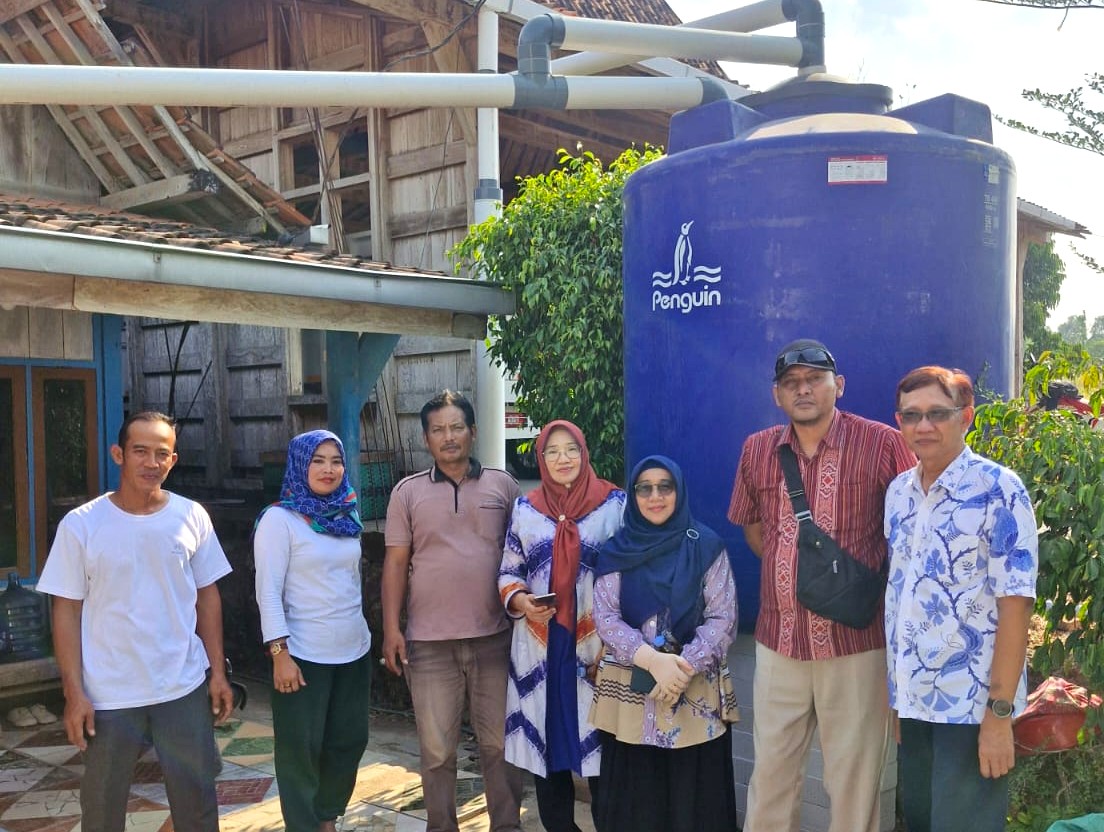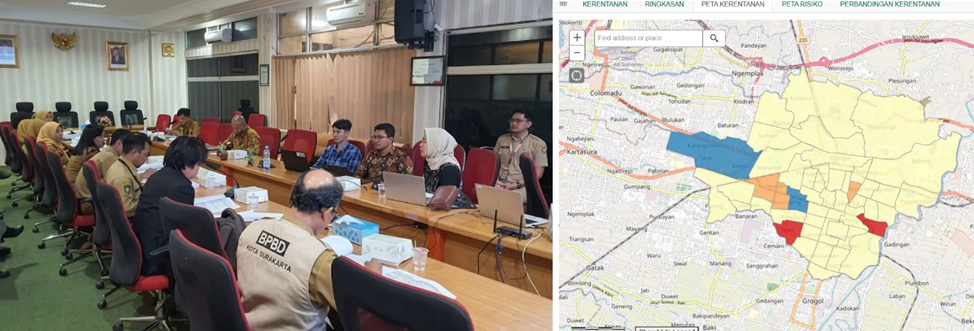
Universitas Negeri Semarang (UNNES) continues to strengthen its role in supporting evidence-based government policymaking through academic expertise and scientific consultation. In 2025, lecturers from the Environmental Science Study Program, Faculty of Mathematics and Natural Sciences (FMIPA), contributed to the development of environmental management and climate adaptation policies in the Surakarta region of Central Java, supporting sustainable resource utilization and creating opportunities for clean energy and energy-efficient technology development.
The university’s involvement included two important policy initiatives: the preparation of the 2025 Karanganyar Regency Regional Regulation on Waste Management and the 2025 Surakarta City Regional Climate Change Adaptation Action Plan. Both initiatives demonstrate how academic expertise can assist local governments in formulating policies that address environmental challenges while supporting sustainable development.
In Karanganyar Regency, Abdul Jabbar, M.Ling., a lecturer from the Environmental Science Study Program at FMIPA UNNES, participated as a member of the consulting team supporting the Environmental Agency of Karanganyar Regency (Dinas Lingkungan Hidup/DLH Kabupaten Karanganyar) in preparing the regional waste management regulation. His involvement provided scientific and technical input to strengthen the development of an integrated and sustainable waste management framework. The regulation is intended to improve waste reduction, waste handling, institutional coordination, and community participation in responsible waste management practices.
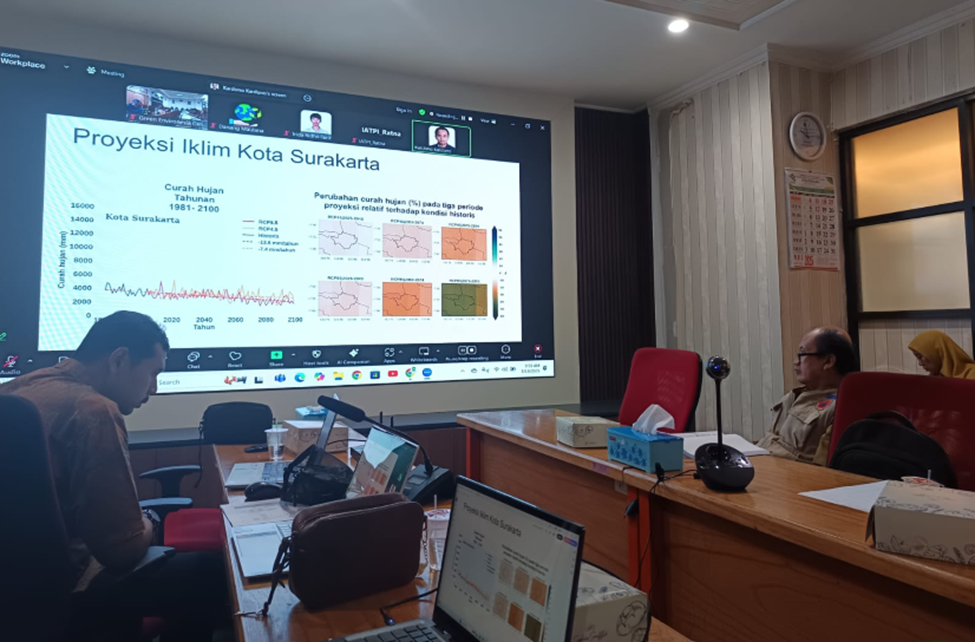
From a clean energy perspective, effective waste management policies can provide an important foundation for resource recovery and the potential development of waste-to-energy technologies. Proper waste segregation, organic waste processing, and resource utilization may create opportunities for converting suitable waste streams into useful energy resources, including biogas and biomass-based fuels. Although the regional regulation primarily addresses waste management, its emphasis on sustainable resource utilization is relevant to the broader transition toward cleaner energy systems and resource-efficient technologies. Such regulatory frameworks can support future consideration of renewable energy solutions within local environmental management strategies.
Meanwhile, Trida Ridho Fariz, M.Sc., another lecturer from the Environmental Science Study Program at FMIPA UNNES, contributed as a member of the consulting team supporting the Regional Development Planning Agency of Surakarta City (BAPPEDA Kota Surakarta) in preparing the 2025 Regional Climate Change Adaptation Action Plan. The preparation of this action plan aimed to translate national climate adaptation commitments into practical regional strategies that respond to Surakarta’s environmental characteristics, climate vulnerabilities, and development needs. The initiative also aligns with Indonesia’s broader climate adaptation commitments under the Paris Agreement and the development of the National Adaptation Plan.
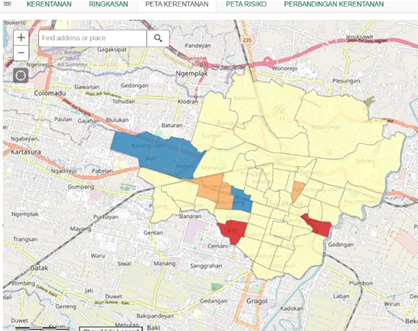
Through his involvement, Trida Ridho Fariz contributed environmental science expertise to the assessment of climate risks, regional vulnerabilities, and adaptation priorities. This scientific input supports local government efforts to strengthen climate resilience and incorporate environmental considerations into regional development planning.
The relationship between climate adaptation planning and clean energy development is particularly important in promoting sustainable and resilient infrastructure. Climate adaptation strategies can create opportunities for local governments to consider energy-efficient buildings, climate-resilient electricity infrastructure, renewable energy technologies, and environmentally responsible urban development. Integrating these considerations into future development programs can help strengthen the resilience of public infrastructure while encouraging more efficient resource utilization. However, the documented action plan preparation primarily concerns climate adaptation rather than the direct formulation of a dedicated renewable energy policy.
The contributions of Abdul Jabbar and Trida Ridho Fariz illustrate UNNES’s role in connecting scientific knowledge with public policy development. Through participation in government consulting teams, university academics provide technical perspectives that help policymakers understand environmental challenges, evaluate potential responses, and develop more sustainable regulatory and planning frameworks. These activities also demonstrate the importance of university–government partnerships in addressing interconnected environmental issues. Sustainable waste management can contribute to resource conservation and create opportunities for alternative energy development, while climate adaptation planning can support infrastructure and development strategies that accommodate cleaner and more efficient technologies.
By providing academic and technical expertise to DLH Kabupaten Karanganyar and BAPPEDA Kota Surakarta, UNNES reinforces its commitment to supporting national governments and global in evidence-based environmental policymaking. The initiatives contribute to Sustainable Development Goal 7 (Affordable and Clean Energy) by creating potential pathways for renewable energy and resource-efficient technology integration, SDG 11 (Sustainable Cities and Communities) through sustainable urban and environmental planning, SDG 12 (Responsible Consumption and Production) through improved waste management, SDG 13 (Climate Action) through regional climate adaptation planning, and SDG 17 (Partnerships for the Goals) through collaboration between universities and local government institutions.