Universitas Negeri Semarang (UNNES) continues to strengthen its commitment to sustainable industrial development by providing technical assistance, applied research, and technology-based community services aimed at improving energy efficiency and accelerating clean energy adoption among industrial partners and local small and medium-sized enterprises (SMEs). Through collaborations involving the Faculty of Engineering, industrial partners, and community-based enterprises, UNNES contributes to the implementation of renewable energy technologies and the improvement of energy efficiency in industrial production processes. These initiatives demonstrate the university’s role in connecting academic expertise with practical solutions to industrial energy challenges.
On 7 June 2025, students participating in the Faculty of Engineering’s PRIGEL Program collaborated with PT Kusuma Energi Mentari (Shams Energy) in the commissioning of a 613 kWp solar photovoltaic power plant at PT SAI Apparel Industries. The collaboration provided opportunities for UNNES students to participate directly in technical activities supporting renewable energy deployment in the garment manufacturing sector. During the commissioning process, students were actively involved in inspecting solar panel installations, testing inverters, verifying energy monitoring systems, and checking the integration of the photovoltaic system with the industrial electricity network. These activities formed part of the technical verification process to assess system functionality, installation safety, and operational readiness before commercial operation.
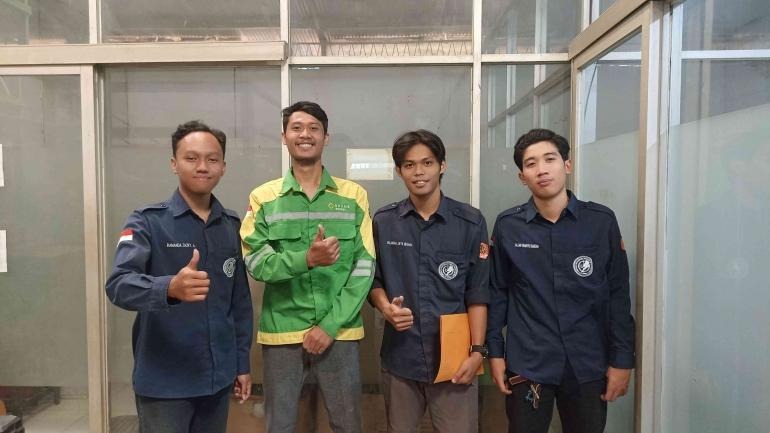
With technical guidance from Shams Energy professionals, the collaboration strengthened knowledge exchange between the university and renewable energy industry practitioners. The initiative also supported PT SAI Apparel Industries’ efforts to integrate solar energy into its manufacturing operations, demonstrating the potential of university–industry partnerships to advance clean energy technologies. Beyond renewable energy collaboration, UNNES has also supported energy efficiency improvements among local food-processing enterprises through applied technology development, training, and technical assistance.
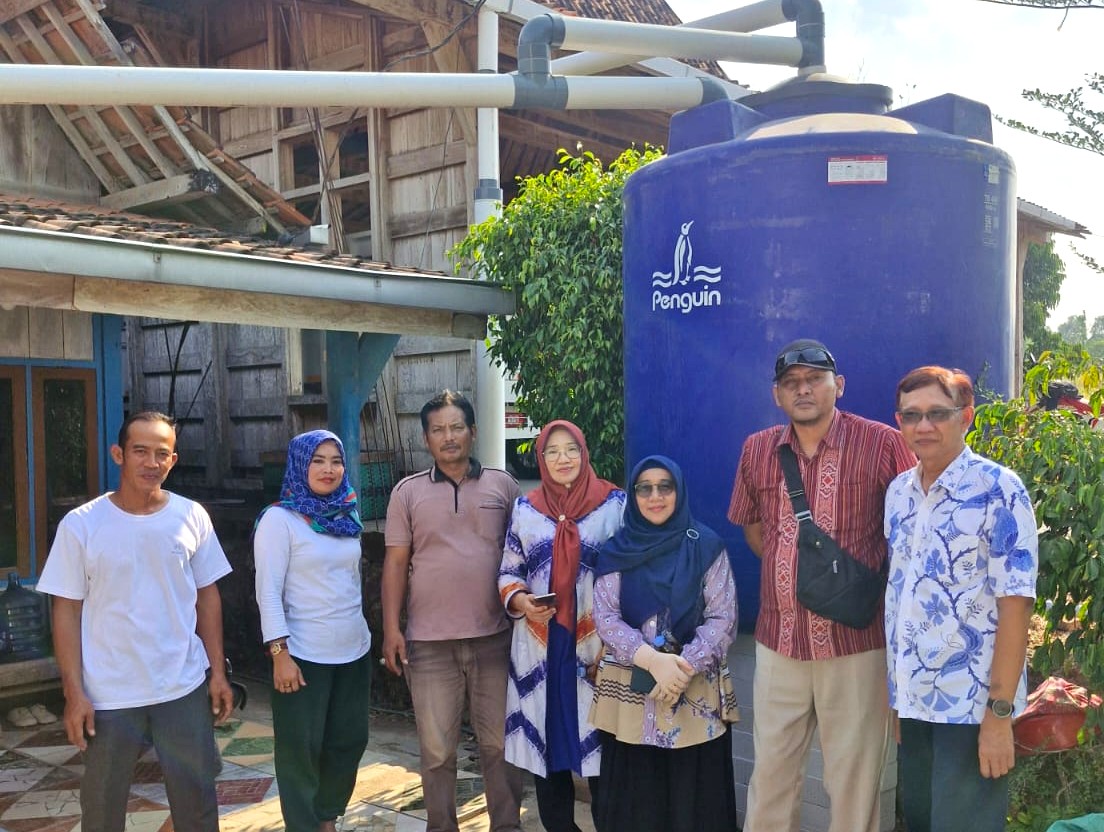
One example is the implementation of steam boiler technology for tofu producers in the Sumurejo area of Gunungpati, Semarang. The initiative involved two local SMEs, Berkah Hambida and UD Jaya Makmur, which previously relied on conventional direct-heating furnaces for tofu production.
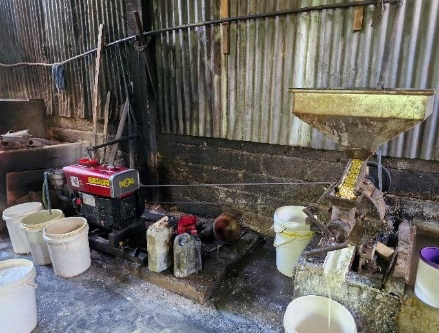

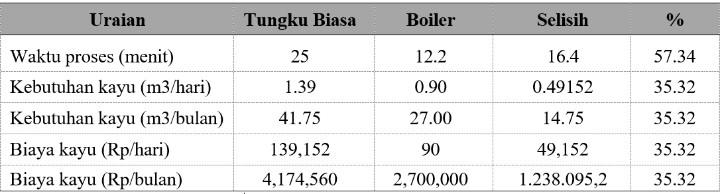
Through community-based technology assistance, the university team introduced a vertical-tube steam boiler designed to improve heating efficiency and production conditions. The boiler operates at a working pressure of 5 bar, a temperature range of 100–140°C, and a steam generation capacity of approximately 50 kg per hour. The technology was implemented alongside training, operational assistance, and evaluation activities to help participating enterprises improve their production processes. The reported results demonstrated significant operational improvements. The application of steam boiler technology increased tofu production efficiency by 57% and reduced fuel consumption by 49% compared with conventional heating methods.
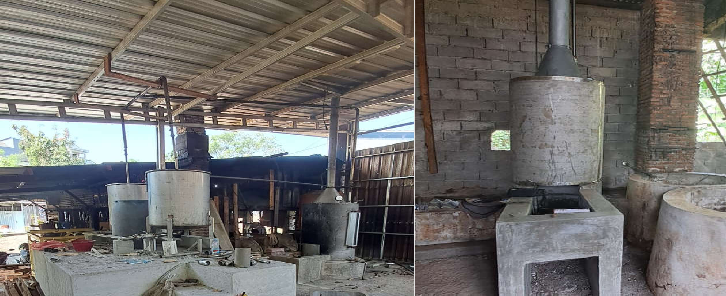
The improved heating system also separated the combustion process from the tofu production area, reducing smoke exposure and creating a cleaner, healthier, and more hygienic working environment. In addition, the technology improved product quality by minimizing smoke-related odors and supporting more consistent heating conditions. These outcomes illustrate how applied engineering solutions can help local enterprises reduce energy wastage, improve productivity, and strengthen their competitiveness. The university’s involvement in both renewable energy commissioning and industrial heating improvements reflects a broader approach to supporting sustainable industrial development. While the solar photovoltaic collaboration demonstrates direct engagement with clean energy technology deployment, the steam boiler initiative highlights the practical benefits of energy efficiency assessments, technology transfer, and technical assistance for small-scale industries.
By combining academic knowledge, industrial collaboration, and community engagement, UNNES supports the adoption of more efficient and environmentally responsible production technologies. These initiatives contribute to Sustainable Development Goal 7 (Affordable and Clean Energy) by supporting renewable energy deployment and energy efficiency, SDG 9 (Industry, Innovation and Infrastructure) through applied engineering innovation and industrial partnerships, and SDG 13 (Climate Action) by promoting technologies that can reduce reliance on conventional energy sources.